Last Updated on 03/31/2026 by thecleaningninjas.com
Let’s be honest for a second: there is something weirdly satisfying about ripping off a fresh sheet of paper towel to tackle a spill. It’s quick, it’s easy, and once the mess is gone, you just toss the evidence into the trash. But if you’re still relying on that white paper roll for every smudge, streak, and splash in your home, you are missing out on the ultimate secret weapon in the cleaning world.
At The Cleaning Ninjas Inc, we’re all about working smarter, not harder. We’ve spent years perfecting our craft, and if there is one tool that changed the game for our team, it’s microfiber. If you want to level up your home maintenance routine and save a significant chunk of change while you’re at it, it’s time to talk about why microfiber is the undisputed heavyweight champion of house cleaning.
The Science of the "Ninja" Fiber
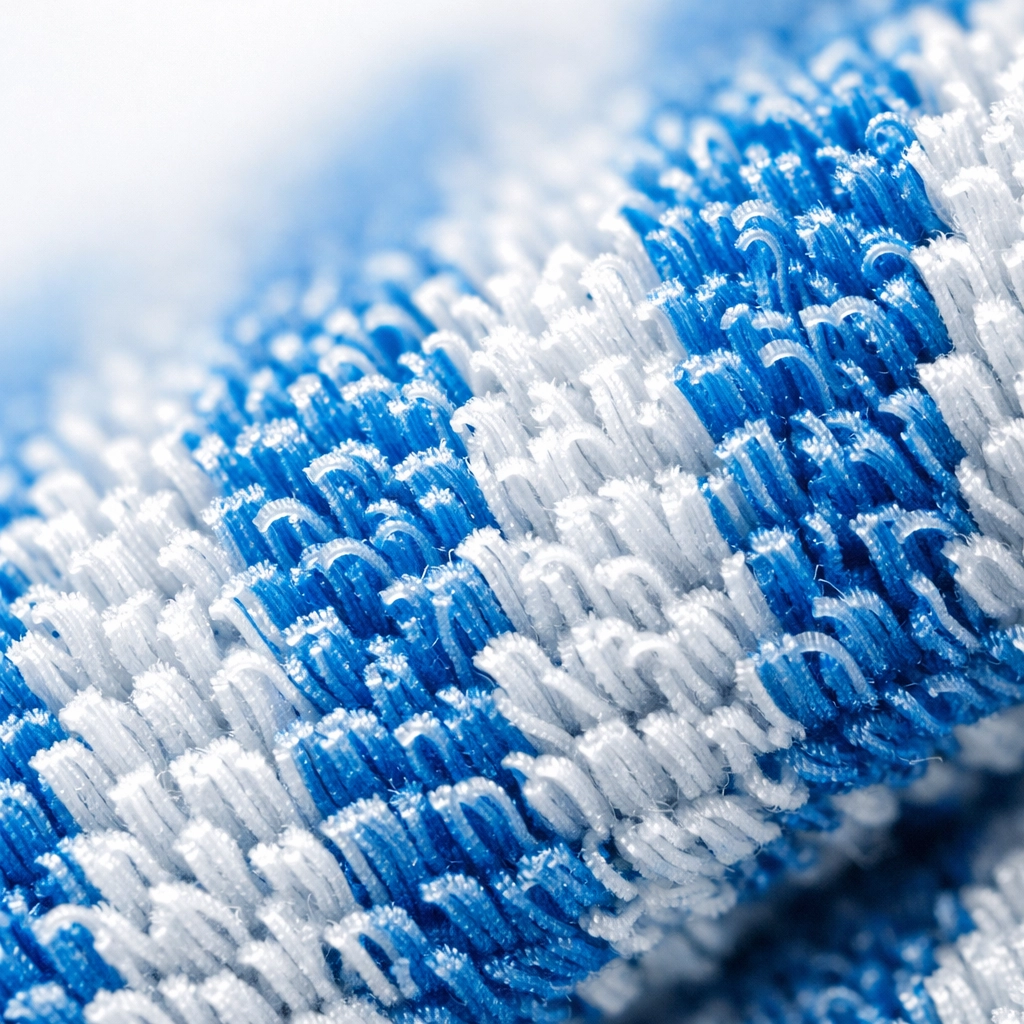
You might look at a microfiber cloth and think, "It’s just a soft rag, Jean. What’s the big deal?" Well, the magic is in the name. "Micro" means small, really, really small. These fibers are actually finer than a single strand of human hair. But the real secret is that these fibers are "split."
Imagine a standard cotton thread or a paper towel fiber as a smooth, round tube. When you wipe a surface with it, it mostly just pushes the dirt and bacteria around, like a snowplow moving slush.
Now, imagine microfiber. Because the fibers are split, they look more like an asterisk or a star shape under a microscope. This creates millions of tiny hooks and loops that act like a vacuum, grabbing onto dust, grease, and even microscopic pathogens. While a paper towel might pick up about 50% of the bacteria on a surface, high-quality microfiber has been proven to remove up to 99% of bacteria using nothing but water. That is some serious ninja-level efficiency.
Performance: Why Microfiber Wins Every Time
When it comes to actual cleaning power, paper towels are basically the "novice" level, while microfiber is the "grandmaster." Let’s break down the performance stats:
- Absorbency: Microfiber cloths can hold up to seven times their weight in water. Have you ever tried to soak up a spilled glass of juice with paper towels? You end up using half the roll, and you’re left with a soggy, dripping mess. One good microfiber cloth can handle that spill in a single pass.
- Streak-Free Shine: If you’re cleaning mirrors or windows, paper towels are your worst enemy. They leave behind lint and streaks that drive perfectionists crazy. Microfiber leaves behind… nothing. Just a clear, shiny surface.
- Dust Magnetism: Microfiber carries a slight positive charge. Since dust is negatively charged, the cloth literally pulls the dust off your baseboards and shelves like a magnet. Paper towels just move the dust into the air, where it eventually settles right back down where it started.
If you’re looking to get your home looking its best, check out our full range of cleaning services to see how we apply these professional standards to every job we do.
The Economics of Making the Switch
We know what you’re thinking. "A pack of microfiber cloths costs $20, but I can get a roll of paper towels for $2." On the surface, the paper towel seems like the budget-friendly choice. But we’re ninjas, we look at the long-term strategy.
A single high-quality microfiber cloth can be washed and reused anywhere from 300 to 500 times. If you buy a pack of 10 cloths, those could easily last you a year or two of heavy cleaning. In that same timeframe, how many rolls of paper towels would you go through? Fifty? A hundred?
Research shows that switching to microfiber is actually about 10 times cheaper per use than using paper towels. Over the course of a year, the average household can save over $150 just by making this one simple switch. That’s money that could be better spent on, well, pretty much anything else!
Environmental Impact: Cleaning Without the Guilt
At The Cleaning Ninjas Inc, we care about the environment as much as we care about clean floors. We love sharing green house cleaning tips because we believe a healthy home starts with a healthy planet.
The environmental cost of paper towels is staggering. To make them, we need massive amounts of water, about 2,500 liters for just one kilogram of paper towels. Then there are the trees, the chemical bleaching process, and the carbon emissions from shipping those bulky rolls all over the country. And after all that? They go straight to a landfill.
Microfiber is a synthetic material, yes, but its longevity makes it a massive win for sustainability. By replacing thousands of single-use paper towels with just a few reusable cloths, you are significantly reducing your household waste. Plus, because microfiber is so effective at grabbing bacteria, you often don't even need to use harsh chemical cleaners, plain old water often does the trick.
Logistics: Reclaiming Your Cupboard Space
Let’s talk about something no one ever mentions: storage. Paper towel rolls are bulky. They take up half the space under your sink or a whole shelf in your pantry.
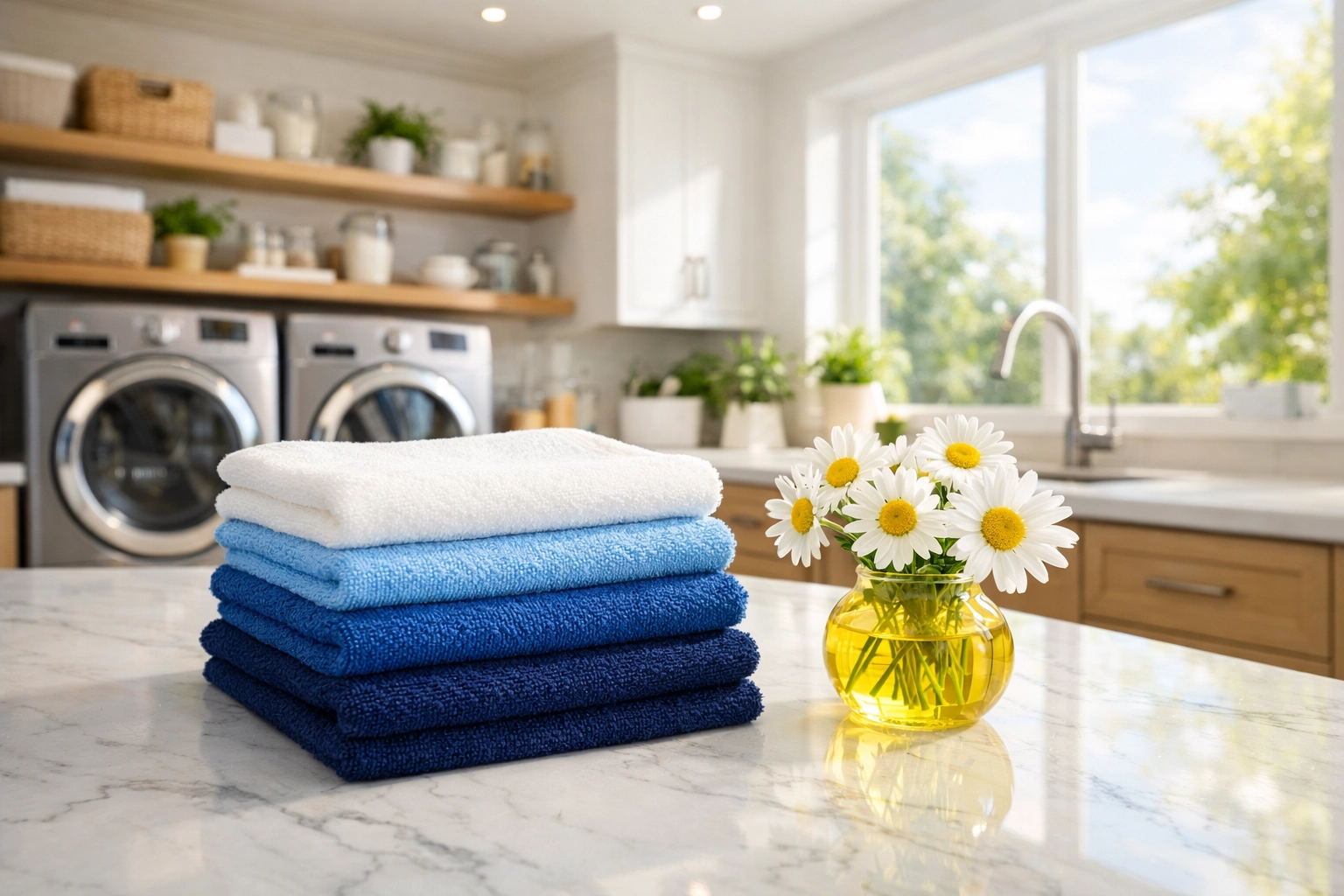
Microfiber cloths, on the other hand, are thin, flat, and stackable. You can fit an entire year’s worth of cleaning supplies in a small drawer. For those of us living in apartments or homes where storage space is at a premium, this is a total life-saver.
If you want to learn more about our philosophy on efficiency and why we do what we do, feel free to head over to our About Us page.
When to Keep the Paper Towels (Yes, Really!)
We aren’t going to tell you to throw your paper towels in the fire just yet. Even a ninja knows when to use a specialized tool. There are a few specific scenarios where reaching for the paper towel is actually the smarter move:
- The "Gross" Stuff: If you’re cleaning up pet accidents or something particularly unsanitary, you probably don’t want to put that in your washing machine. Toss the paper towel and save your sanity.
- Grease and Oil: Wiping out a greasy frying pan with microfiber is a recipe for disaster. The oil will clog those tiny fibers and make the cloth much harder to clean. Use a paper towel for the heavy grease, then finish with microfiber if needed.
- Staining Substances: Dealing with a turmeric spill or hair dye? Unless you want a permanently neon-yellow cloth, use a disposable towel.
- Bleach and Wax: Harsh chemicals like bleach or heavy furniture waxes can break down the synthetic fibers in microfiber over time. If you’re using heavy-duty chemicals, stick to disposables.
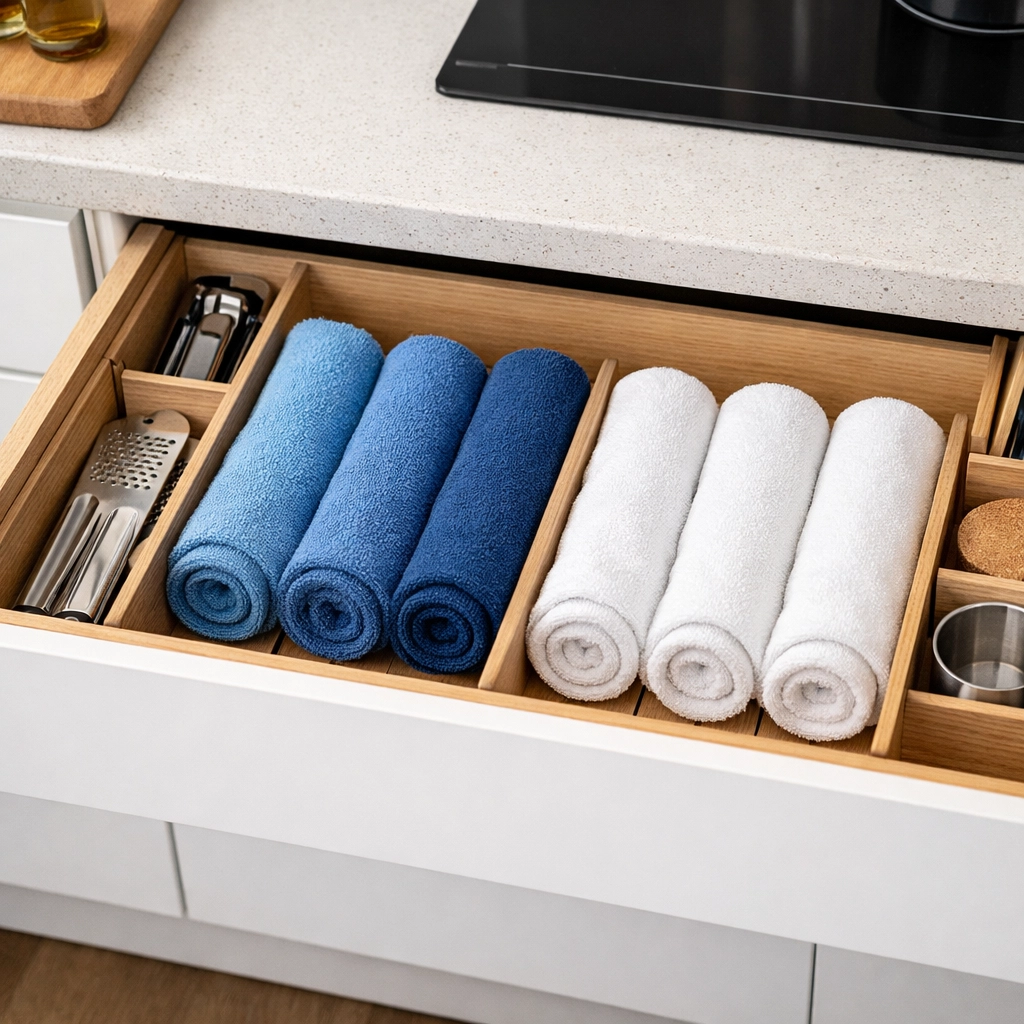
The Ninja Guide to Caring for Your Microfiber
To get those 500 uses out of your cloths, you have to treat them right. Luckily, it’s not hard. Here are the three golden rules of microfiber care:
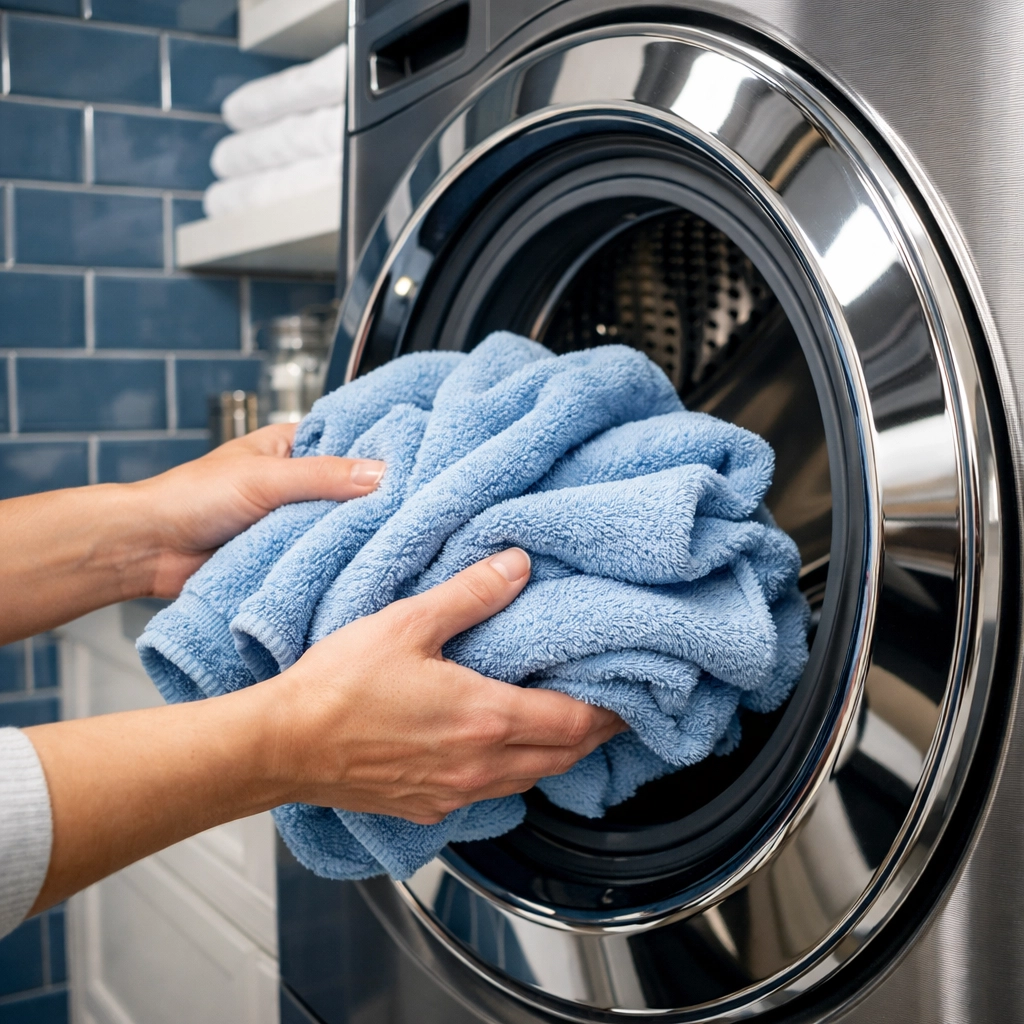
- No Fabric Softener: This is the most important rule! Fabric softener coats the fibers in a waxy layer, which fills in those "star-shaped" gaps we talked about. It essentially turns your high-tech cleaning cloth into a useless piece of polyester.
- Low Heat: High heat can actually melt the tiny plastic fibers. Wash in warm or cold water and tumble dry on low or air dry.
- Wash Separately: Don’t wash your microfiber with cotton towels. The microfiber will do its job and "clean" the lint off the cotton, leaving your microfiber cloths covered in fuzz.
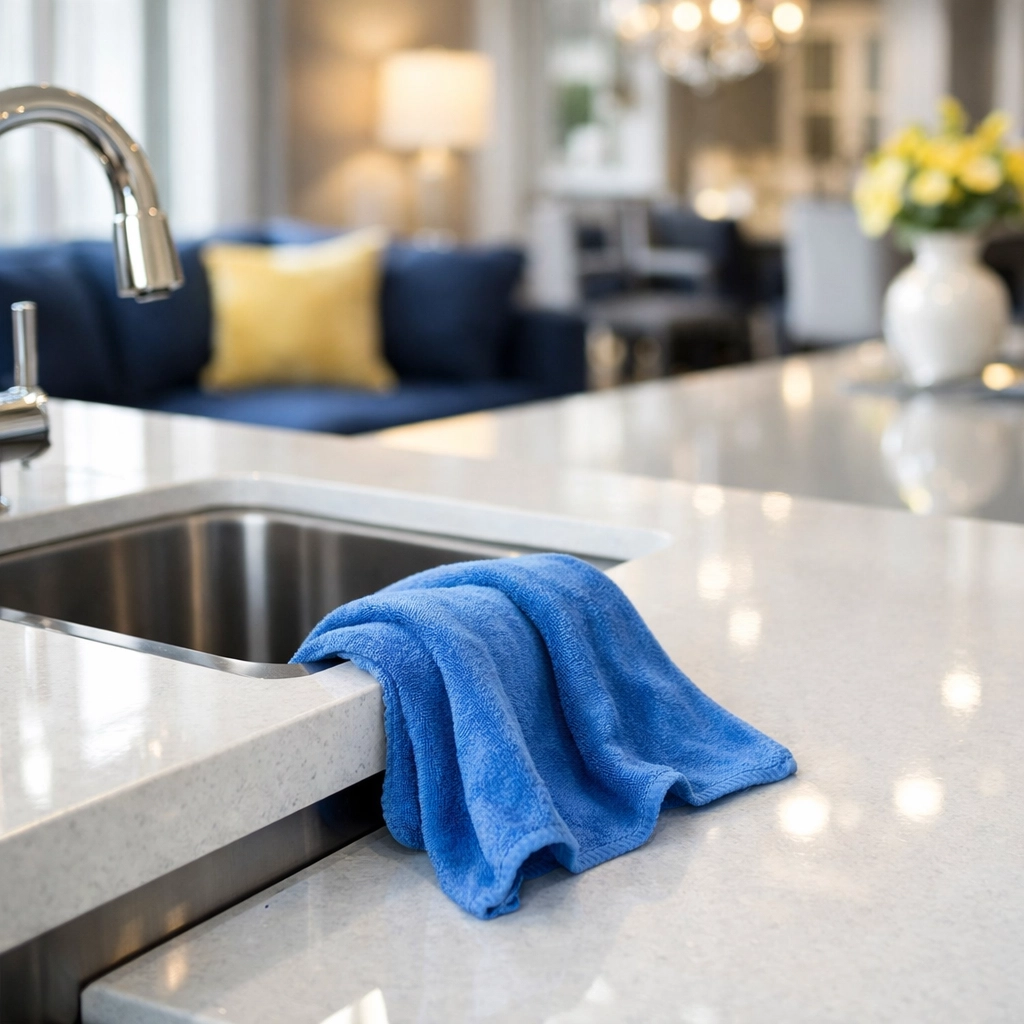
Ready to Join the Microfiber Revolution?
Making the switch from paper towels to microfiber is one of the easiest "hacks" you can implement today. It’s better for your wallet, better for your home’s cleanliness, and better for the planet.
If you’re feeling inspired to get your whole house in tip-top shape but don’t have the time to tackle it yourself, we’ve got your back. Explore our blog for more strategy tips or get in touch with us to see how we can bring our ninja skills to your doorstep.
Remember, a clean home isn't just about looking good: it's about creating a space where you can breathe easy and relax. Now go forth, ditch the paper, and start cleaning like a pro!