Last Updated on 03/31/2026 by thecleaningninjas.com
It’s one of those household ironies we all deal with: the machine that spends its entire life cleaning other things eventually becomes one of the dirtiest spots in your home. You’d think that with all that soap and hot water swirling around, a washing machine would be self-cleaning. Unfortunately, the opposite is true. Over time, your washing machine collects a nasty cocktail of soap scum, mineral deposits from hard water, lint, and: most annoyingly: mold and mildew.
If you’ve started to notice a funky, damp smell clinging to your "clean" towels or if your workout gear doesn't seem quite as fresh as it used to, it’s time for a deep dive. At The Cleaning Ninjas Inc, we believe that a healthy home starts with the basics. Today, we’re sharing our favorite ninja-approved tips for refreshing your washing machine so your laundry can finally be as clean as it looks.
Why Your Washing Machine Gets Smelly
Before we get into the "how," let’s talk about the "why." Most modern washing machines, especially high-efficiency (HE) front-loaders, are designed to use less water. While this is great for the environment and your utility bill, it means there isn't always enough water to fully flush out all the detergent and fabric softener.
This leftover residue creates a "biofilm": a thin, slimy layer that acts like a magnet for bacteria and mold. When you combine that residue with the warm, humid environment inside the drum, you’ve essentially built a luxury resort for mildew. If you live in an area with hard water, mineral buildup can also clog the internal components, making the machine less efficient and harder to clean.
The Front-Loader Focus: Taming the Gasket
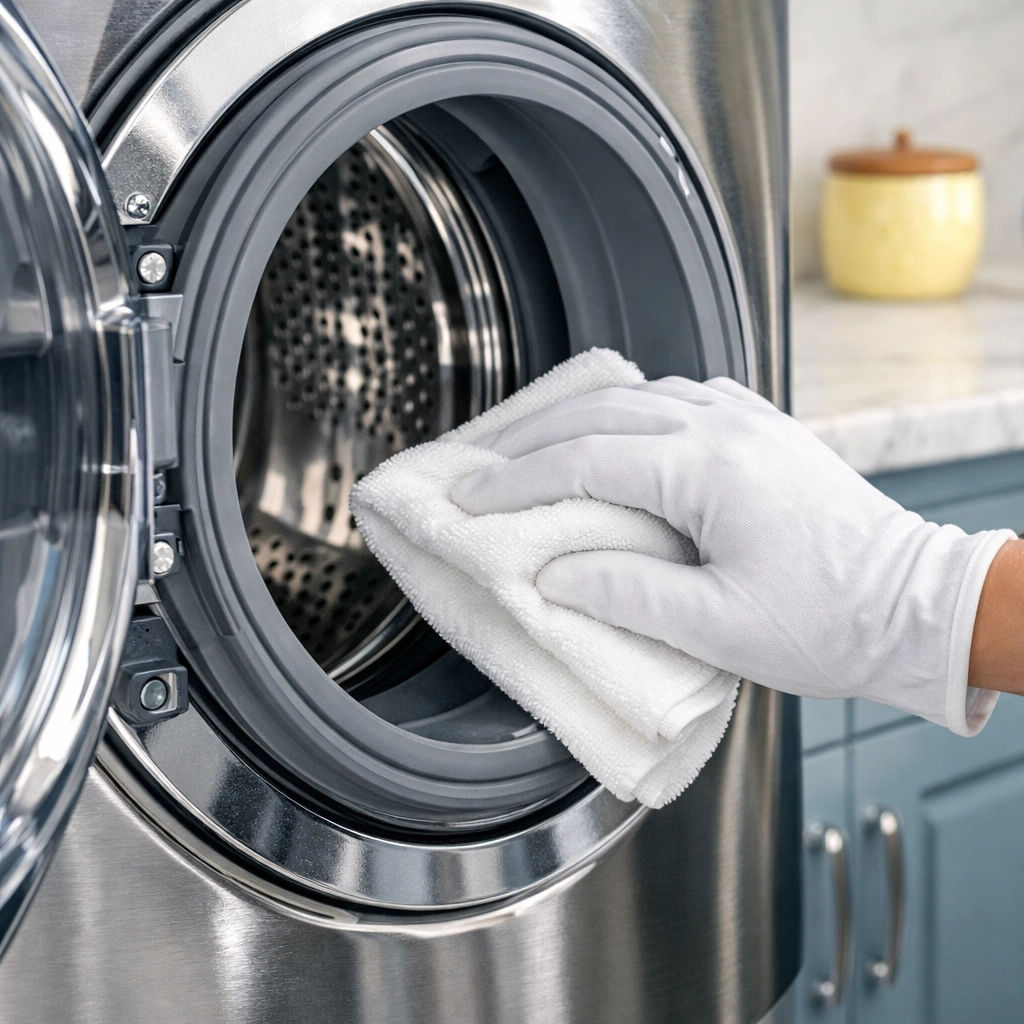
If you own a front-loading machine, you know the struggle. The very feature that makes it watertight: that thick rubber ring known as the gasket: is also the primary culprit for odors.
- Peel back the layers: Carefully pull back the rubber folds of the gasket. Don't be surprised if you find lost socks, hair ties, or a layer of grey sludge.
- The Vinegar Wipe: Mix a solution of equal parts white vinegar and water. Use a microfiber cloth to wipe down the entire gasket, making sure to get deep into the grooves. For stubborn mold spots, you can let a vinegar-soaked rag sit on the area for about ten minutes before scrubbing.
- The Toothbrush Technique: For the tightest spots where a cloth can’t reach, grab an old toothbrush. Scrubbing those hidden corners is the secret to a true "ninja" clean.
Refreshing the Drum (The Deep Clean)
Whether you have a front-loader or a top-loader, the drum needs a regular "reset." You don't need expensive, harsh chemicals for this; a few pantry staples will do the trick.
The Vinegar and Baking Soda Method:
- Step One: Pour two cups of white cleaning vinegar directly into the detergent dispenser or the drum. Set your machine to the longest cycle with the hottest water setting. If your machine has a "Clean Washer" cycle, use that! The acidity of the vinegar helps break down mineral deposits and kills bacteria.
- Step Two: Once the first cycle is done, sprinkle half a cup of baking soda directly into the drum. Run another hot cycle. The baking soda acts as a mild abrasive to scrub away remaining residue and neutralizes any lingering vinegar scents.
- Step Three: Once the cycles are finished, wipe down the inside of the drum with a dry microfiber cloth to remove any loosened debris.
Don’t Forget the Detergent Drawer
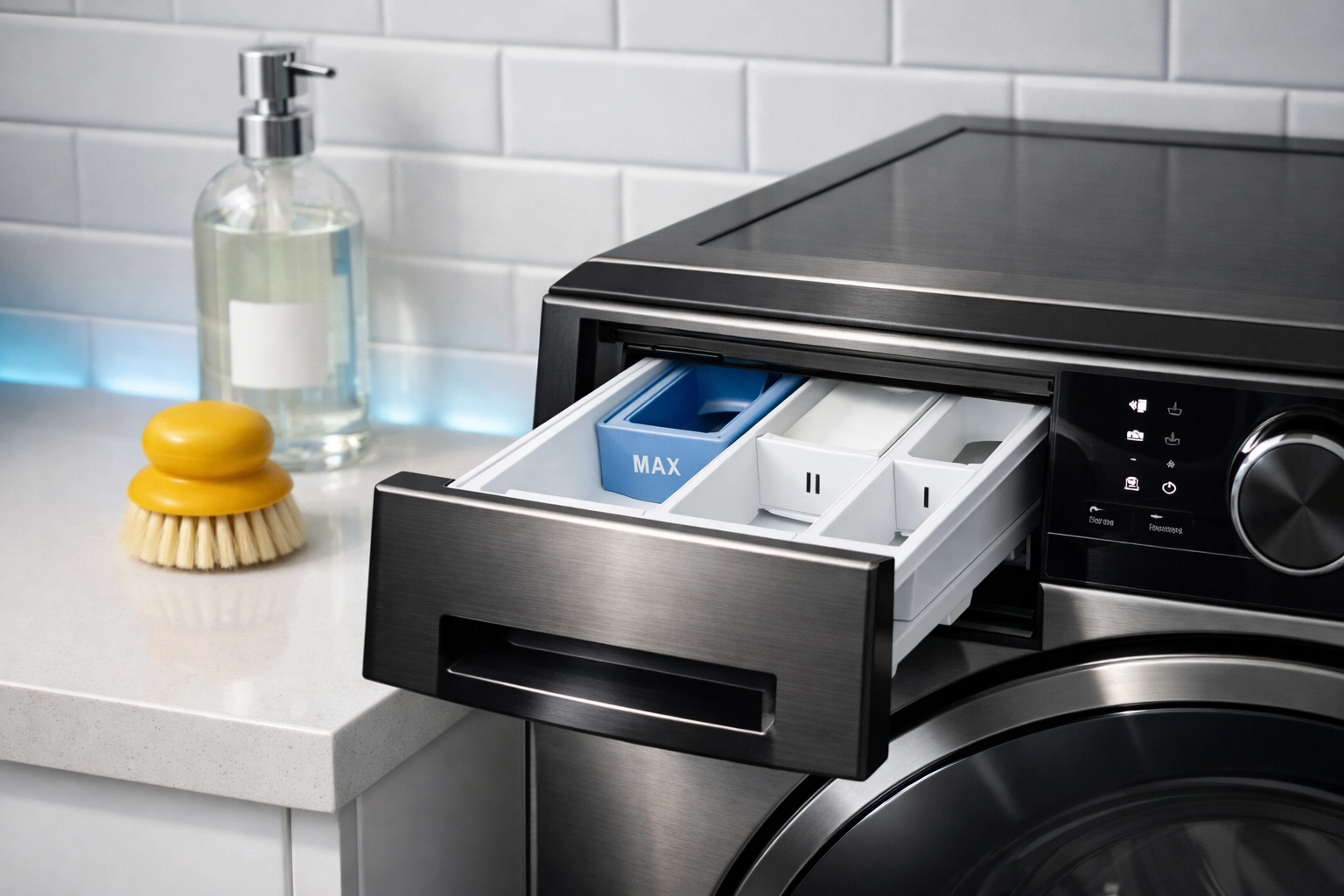
This is one of the most overlooked parts of the machine. Detergent and fabric softener are thick and sticky. Over time, they build up in the dispenser drawer, creating a gunk that can eventually lead to clogs or mold growth.
Most dispenser drawers can be completely removed (usually by pressing a small tab). Take it out and soak it in a sink full of warm, soapy water. Use a small brush to scrub away the buildup in the drawer and: more importantly: inside the compartment where the drawer slides in. You’d be shocked at what hides "under the hood" of your dispenser!
The Hidden Treasure: Cleaning the Filter
If you have a front-loading machine, there is likely a small door at the bottom of the front panel. Behind that door lies the drain pump filter. This filter is designed to catch coins, lint, and debris before they reach the pump, but it also catches water that can sit and stagnate.
Warning: This can get a bit messy!
- Place a shallow tray or a thick towel on the floor beneath the filter door.
- Slowly unscrew the filter. Some water will likely leak out: this is normal.
- Remove the filter and clear out any debris (you might find some spare change!).
- Rinse the filter under the tap and screw it back in tightly.
If you’ve never cleaned your filter, be prepared: it might be the source of that "mystery smell" you’ve been chasing for months.
The Top-Loader Deep Soak
Top-loading machines have their own unique needs. Because they fill up with more water, they are prone to buildup around the top rim and the agitator.
For a top-loader, fill the machine with hot water but pause the cycle before it starts agitating. Add a quart of white vinegar and let it sit for at least an hour. This "deep soak" allows the vinegar to penetrate the hard-to-reach areas between the inner and outer tubs. While it's soaking, use a sponge to scrub the top rim where the water doesn't usually reach. After an hour, let the cycle finish, and follow up with a baking soda cycle to freshen everything up.
Pro-Tips for Daily Maintenance
Now that your machine is sparkling and smelling like a dream, how do you keep it that way? Our team at The Cleaning Ninjas Inc recommends these simple habits:
- Leave the Door Open: This is the #1 rule! After every load, leave the door (and the detergent drawer) cracked open. This allows air to circulate and moisture to evaporate, preventing mold from moving back in.
- Dry the Gasket: Keep a cloth nearby and give the rubber gasket a quick wipe after your last load of the day.
- Choose the Right Detergent: If you have an HE machine, only use HE detergent. Using regular detergent creates too many suds, which leave behind that sticky biofilm we talked about earlier.
- Less is More: Most people use way too much detergent. Follow the manufacturer's guidelines; usually, two tablespoons is plenty for a standard load.
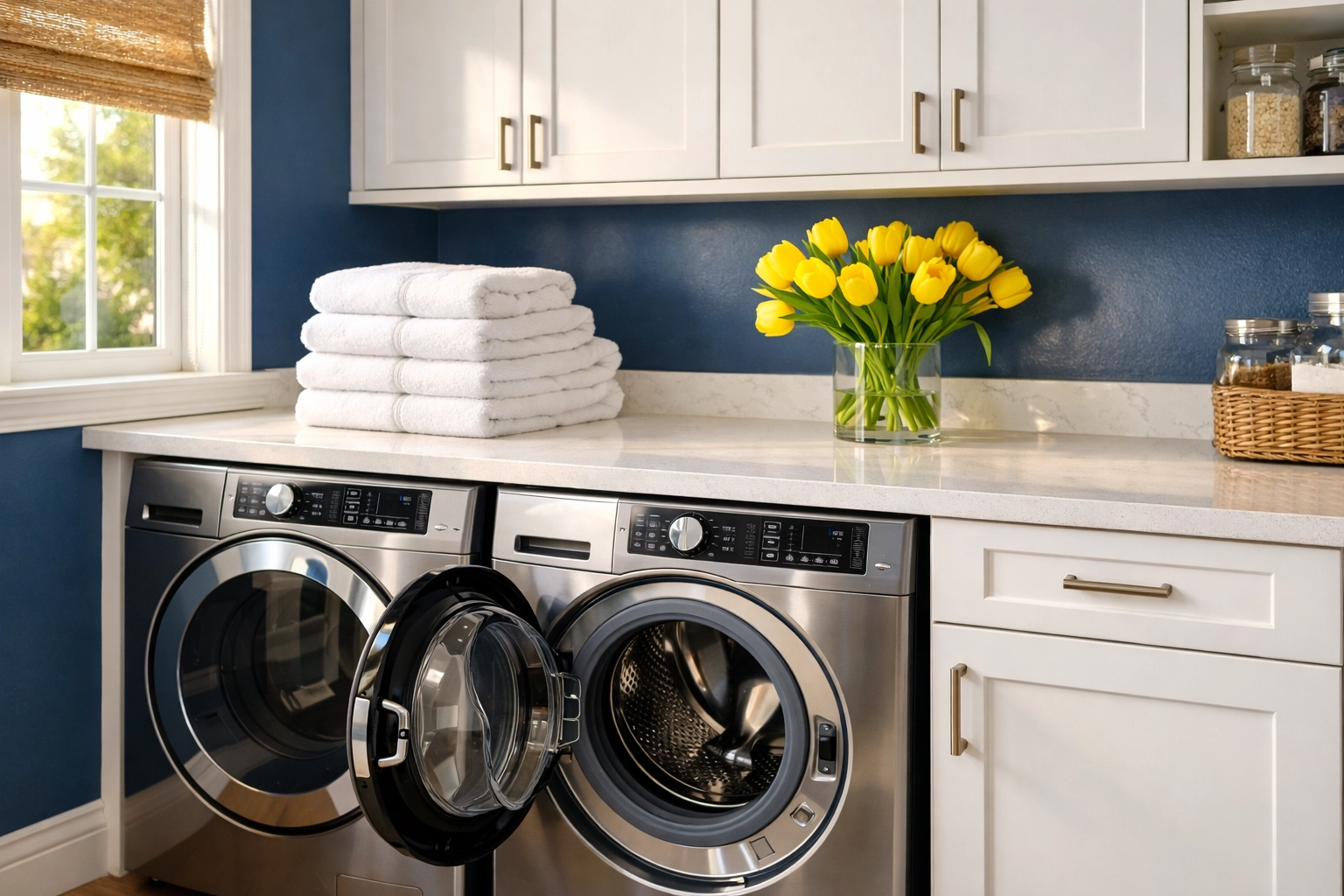
When Was Your Last Professional Clean?
Cleaning your appliances is a great start, but sometimes the rest of the house needs that same level of "ninja" detail. Maintaining a fresh home is a big job, and you don't have to do it alone. Whether you need a one-time deep clean to get your home back to baseline or regular maintenance to keep things running smoothly, we’re here to help.
Check out our services to see how we can take the stress of cleaning off your plate. From the kitchen to the laundry room, we bring the expertise and the "ninja" touch to every corner.
Wrapping Up
A clean washing machine isn't just about avoiding bad smells; it’s about protecting your investment. When your machine is free of buildup, it runs more efficiently, uses less energy, and lasts longer. Plus, there’s nothing quite like the feeling of pulling truly fresh, clean laundry out of a machine you know is sparkling inside.
For more household hacks and professional advice, be sure to head over to our blog. We’re always sharing new ways to keep your home healthy and happy.
Happy cleaning, and may your laundry always smell like sunshine!