Let’s be honest for a second: stainless steel is a bit of a lie. It’s "stainless" until a toddler walks past it with sticky fingers, or until you dare to breathe near your dishwasher. Suddenly, that sleek, modern kitchen you paid a premium for looks like a crime scene investigated by someone who forgot their gloves.
At The Cleaning Ninjas Inc, we see a lot of refrigerators. We see the smudges, the water spots, and those weird, cloudy streaks that seem to reappear five minutes after you’ve scrubbed them. Over the years, we’ve tried every specialized chemical spray on the market. Some are great, some smell like a laboratory explosion, and some are just plain expensive.
But what if I told you that the secret to a showroom-quality shine is sitting right next to your balsamic vinegar?
Welcome to the Olive Oil Hack. This is one of our favorite Cleaning Tips because it’s cheap, eco-friendly, and surprisingly effective. But before you go dumping half a bottle of Extra Virgin on your freezer door, there’s a specific "Ninja way" to do this.
The Great Misconception: Oil Isn’t a Cleaner
Before we dive into the "how-to," we have to clear something up. If you take a cloth soaked in olive oil and rub it onto a dirty fridge covered in dried spaghetti sauce and grease, you aren’t cleaning. You are simply making "grease salad" on your appliance.
Olive oil is a finisher and a protective sealant. It is not a degreaser. It won't kill bacteria, and it won't dissolve dried-on food. Its job is to fill in the microscopic grooves of the metal, creating a smooth surface that reflects light and repels future fingerprints.
Think of it like waxing a car. You wouldn’t wax a car that’s covered in mud, right? You’d wash it first. The same rule applies here. If you want that deep, mirror-like finish, you have to start with a clean slate.
Step 1: The Pre-Game Clean
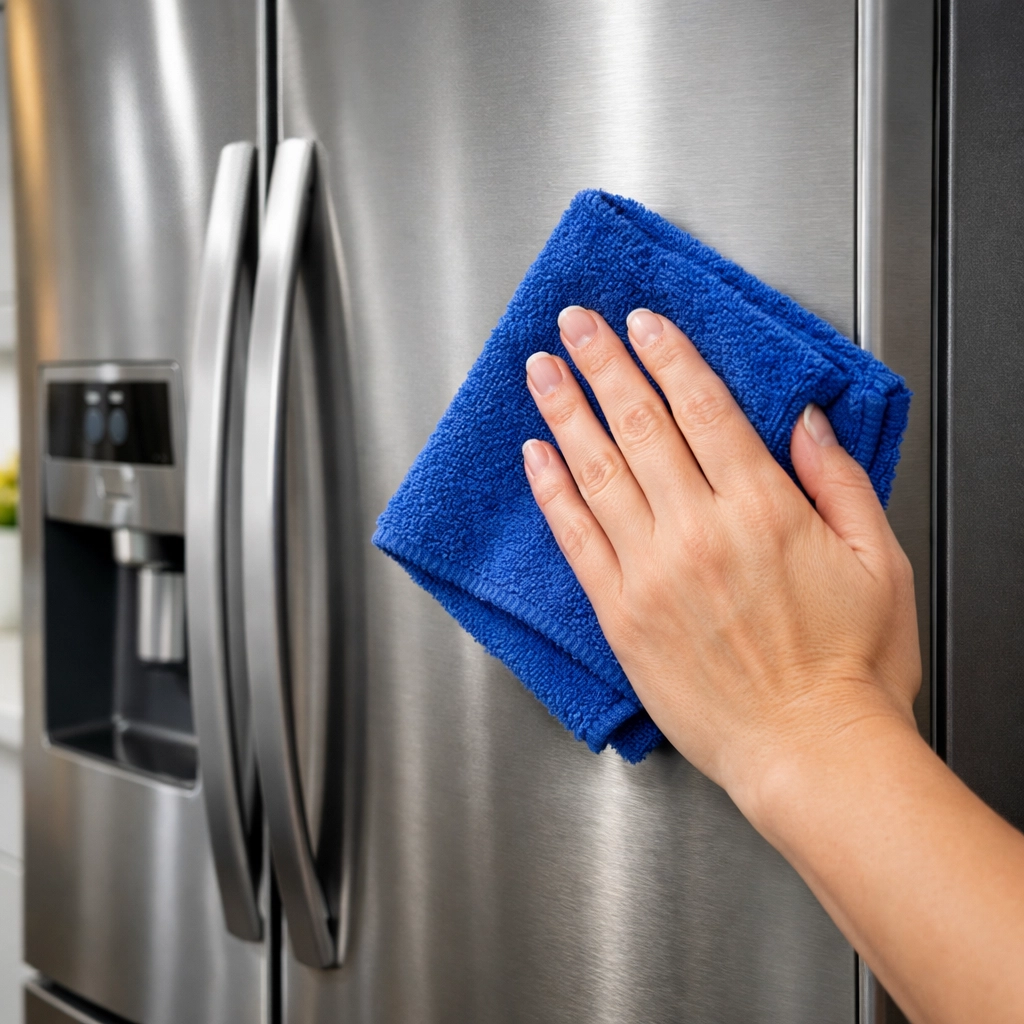
To get started, you need to remove the actual dirt. You don’t need anything fancy for this. A simple mixture of warm water and a few drops of mild dish soap works wonders.
- Dampen a microfiber cloth (avoid anything abrasive like steel wool or those green scrubby pads: they will scratch the finish!).
- Wipe down the surface, focusing on areas around the handles where oils from your skin tend to build up.
- Dry it completely. This is crucial. Water and oil don't mix, and if the surface is damp, the olive oil will just bead up and look splotchy. Use a fresh, dry microfiber towel to buff away any moisture.
Step 2: Finding the Grain
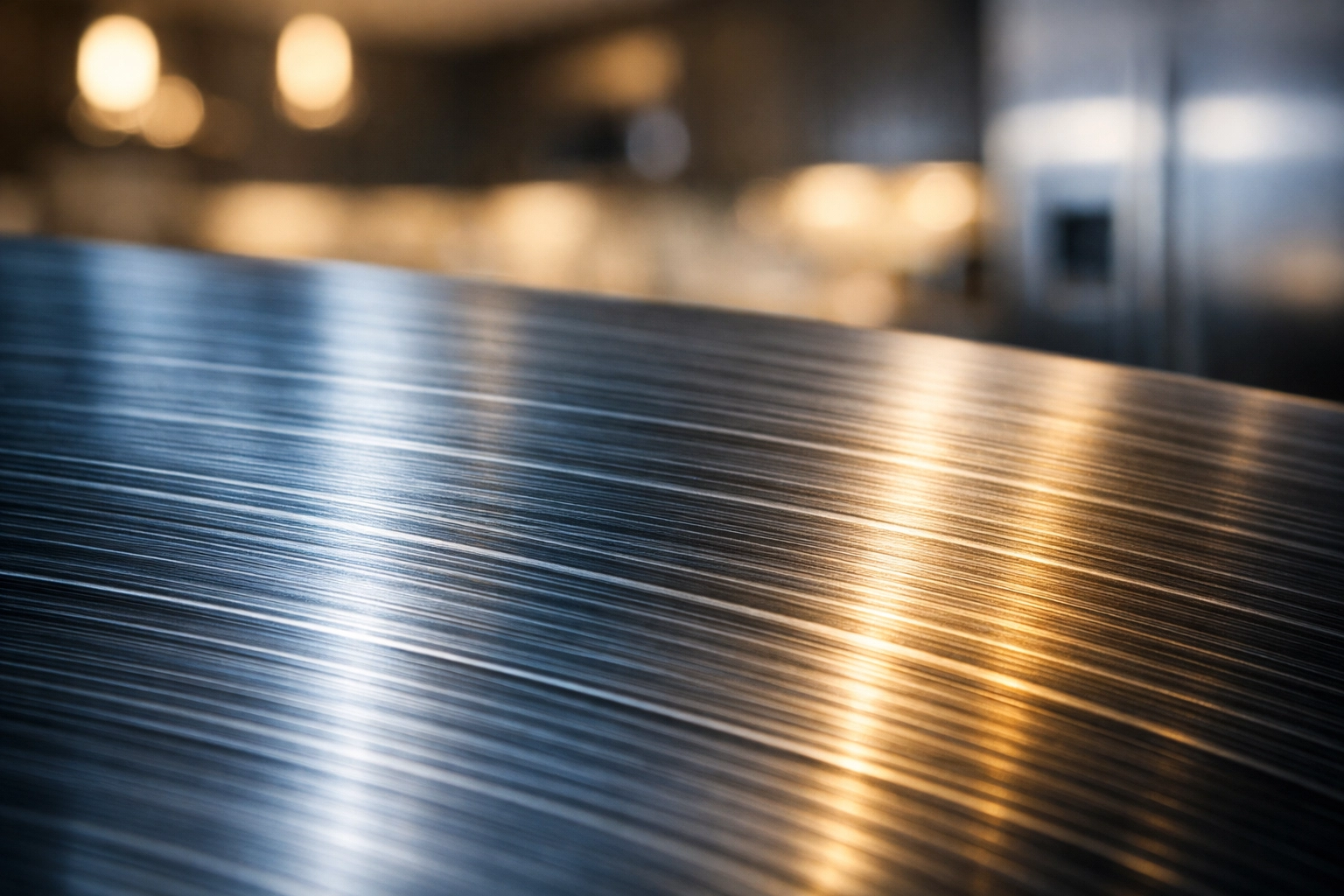
Believe it or not, your stainless steel has a "grain," much like wood. If you look closely at your fridge or oven, you’ll see tiny horizontal or vertical lines in the metal.
Whenever you are cleaning or polishing stainless steel, you must work in the direction of the grain. If the lines are horizontal, wipe side-to-side. If they are vertical, wipe up and down. Going against the grain can actually push dirt and oil deeper into the tiny crevices of the metal, making it look duller over time. Plus, if you go against the grain, you risk leaving permanent micro-scratches.
Step 3: Applying the "Ninja Polish"
Now for the magic. Grab your olive oil. You don’t need the expensive stuff you save for your fancy Caprese salads; the budget-friendly bottle works just as well.
- The "Dab" Method: Put a small, dime-sized amount of olive oil onto a clean, soft cloth. Do not pour the oil directly onto the appliance. If you use too much, you’ll end up with a greasy mess that attracts dust.
- The Spread: Start at the top of the appliance and work your way down. Rub the oil into the metal, following the grain. You’ll see the dullness disappear almost instantly, replaced by a rich, deep luster.
- The Buff: Once you’ve covered the surface, take a fresh, completely dry microfiber cloth. This is the most important part of the entire process. Buff the surface again (following the grain!) to remove any excess oil.
If you do this correctly, the metal should feel smooth, not greasy. If you touch it and your finger leaves a streak or feels oily, you haven't buffed enough. Keep going until the surface is dry to the touch but still glowing.
Why Does This Actually Work?
You might be wondering why a cooking ingredient is so good at maintenance. Stainless steel, despite its name, is actually quite porous at a microscopic level. Over time, exposure to air, moisture, and cleaning chemicals can "dry out" the finish, leading to a dull, chalky appearance.
The olive oil acts as a barrier. It fills those microscopic pores, which prevents oxygen and moisture from reaching the metal (preventing that weird "tea staining" or rust spots). It also creates a slick surface that makes it much harder for fingerprints and smudges to stick.

Common Mistakes to Avoid
Even though this hack is simple, we’ve seen people go a little overboard. Here is what not to do:
- Using Too Much Oil: If your fridge looks like it belongs in a deep fryer, you used too much. Not only is it a mess, but excess oil can actually go rancid over time, creating a sticky residue and a faint "old kitchen" smell.
- Forgetting the Buff: If you don't buff the oil off, it will act as a magnet for pet hair and dust. You’ll trade fingerprints for a fur-covered fridge.
- Using the Wrong Cloth: Paper towels can work in a pinch, but they often leave behind lint. Microfiber is the king of the kitchen.
- Neglecting the Pre-Clean: We can't stress this enough. Polishing over dirt just traps the dirt.
When to Call in the Pros
We love sharing these DIY tricks because we want your home to look its best between our visits. However, we also know that life happens. Sometimes you don't have twenty minutes to find the grain of your refrigerator or buff your toaster until it shines like a diamond.
That’s where The Cleaning Ninjas Inc come in. We don't just "wipe things down." We approach every home with a tactical plan, ensuring every surface: from your stainless steel appliances to your baseboards: is treated with the right products and techniques. Whether you need a one-time deep clean or a recurring "Ninja" to keep things under control, we’ve got your back.

Other Pantry Staples for Stainless Steel
While olive oil is our top pick for polishing, there are a few other kitchen items that can help in a pinch:
- Vinegar: If you have stubborn hard water spots on your stainless steel, a 50/50 mix of white vinegar and water is a great pre-cleaner. It cuts through the minerals that soap might miss.
- Club Soda: Want a quick shine without the oil? Spraying club soda and buffing it in can provide a temporary sparkle, though it won't offer the protective seal that olive oil does.
- Flour: This one sounds messy (and it is), but for stainless steel sinks, rubbing dry flour into the dry metal and then buffing it out is an old-school trick for a massive shine. Just make sure you wash the flour away completely so you don't end up with "sink paste" in your drain!
Final Thoughts
Your kitchen is the heart of your home, and your appliances are the workhorses. Giving them a little TLC with an olive oil buff once a month can keep them looking brand new for years. It’s a small, five-minute task that makes a massive visual impact.
If you’re interested in more ways to keep your home in tip-top shape without spending a fortune on chemicals, check out the rest of our blog. And if you’re ready to let someone else handle the scrubbing so you can get back to your life, learn more about us and how we can help.
Now, go forth and polish. May your fridge be shiny and your fingerprints be few! 🥋✨