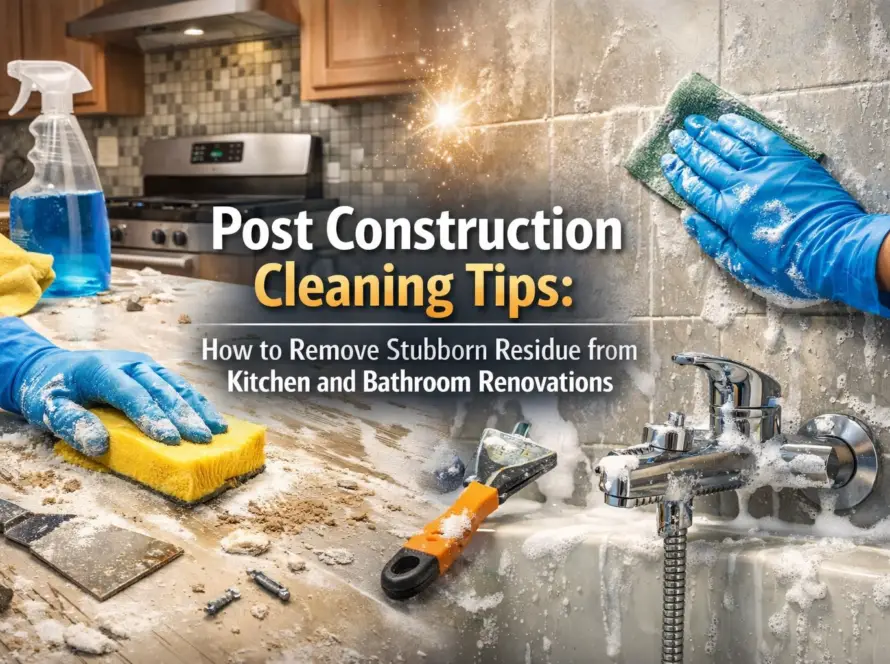
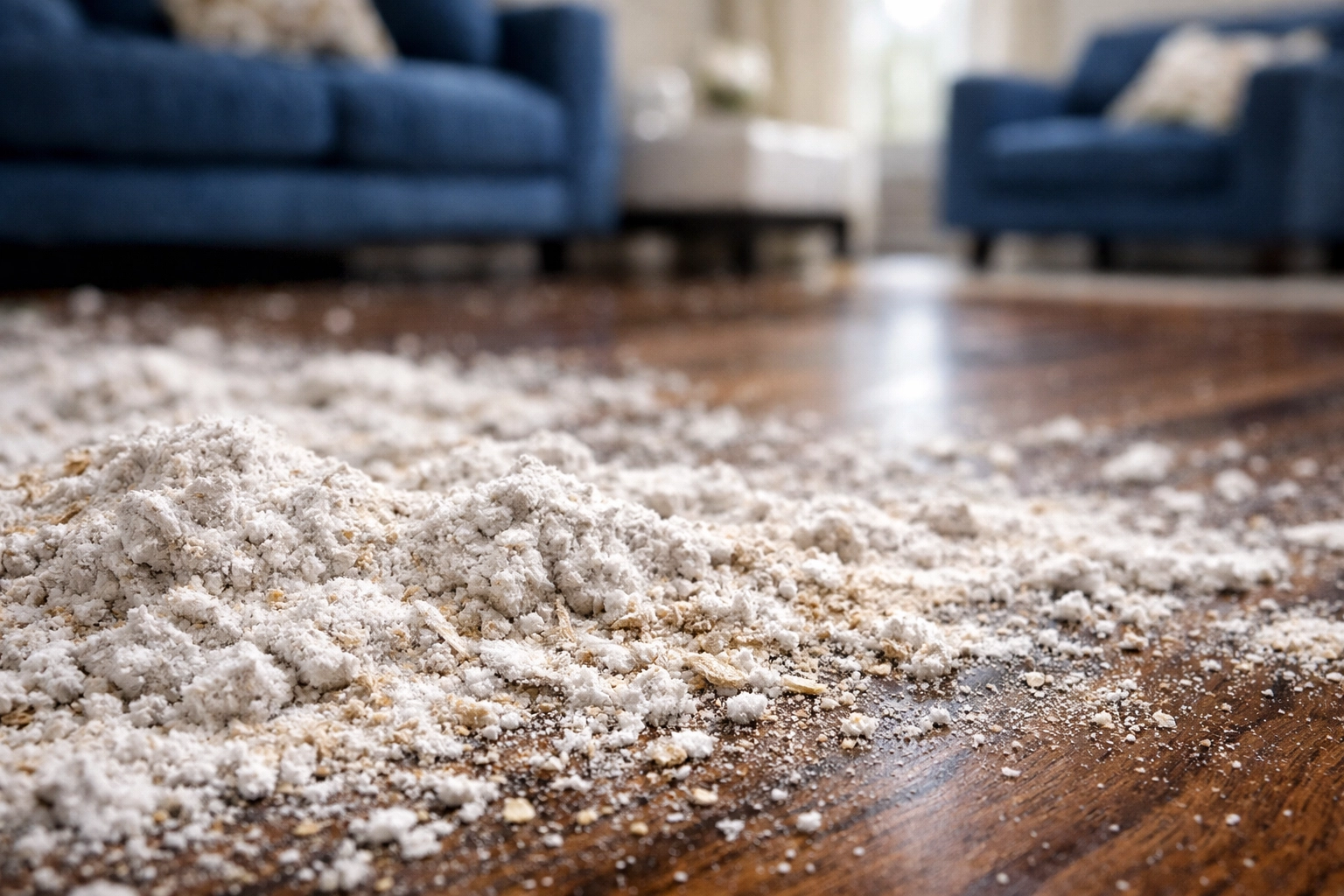
You’ve finally done it. The kitchen remodel is finished, the new addition is framed, or perhaps you’ve finally seen the completion of a brand-new home build. It’s an exciting moment! You’re ready to move the furniture in, decorate the shelves, and start enjoying the space. But then, you look closer. There’s a fine, chalky film on the windows. There’s a layer of white powder inside the cabinets. Every time you step on the floor, you leave a footprint in what looks like a light dusting of snow.
Naturally, your first instinct is to head to the utility closet and grab your trusty household vacuum. It’s served you well for pet hair and Saturday morning tidying, so surely it can handle a little drywall dust, right?
Actually, no. In fact, using your standard home vacuum on a post-construction site is one of the quickest ways to ruin both your expensive new finishes and your vacuum’s motor. At The Cleaning Ninjas Inc, we’ve seen it all, and we’re here to tell you why post-construction cleanup requires a specialized set of tools (and a ninja-level strategy) that your everyday appliances just can’t provide.
The Unique "Flavor" of Construction Dust
To understand why your home vacuum fails, you first have to understand what construction dust actually is. It’s not the same stuff that settles on your bookshelf after a week of not dusting. Household dust is mostly made of skin cells, pet dander, and fabric fibers. It’s light, soft, and relatively easy to trap.
Construction dust, on the other hand, is a cocktail of abrasive materials. We’re talking about:
- Drywall Dust: Extremely fine, gypsum-based powder that acts like a sponge for moisture.
- Silica Dust: Created from cutting stone, concrete, or tile. This stuff is essentially microscopic glass.
- Sawdust: Ranging from large chips to fine flour-like particles.
- Metal Shavings: Tiny, sharp remnants from HVAC or plumbing work.
When these particles meet a standard vacuum, they don't just sit in the bag or canister. They act like sandpaper on the internal components of your machine.
1. Suction Power: Industrial vs. Residential
Most high-end residential vacuums are designed to pick up crumbs, hair, and dirt from the surface of floors. They usually operate at around 1,000 watts. While that’s plenty for a dropped Cheeto, it’s nowhere near enough for the heavy, compacted debris found on a construction site.
Construction debris is often "heavy." Sawdust can settle deep into crevices, and drywall powder has a way of sticking to surfaces through static electricity. Professional-grade industrial vacuum cleaners used by The Cleaning Ninjas Inc are engineered with significantly higher suction power and airflow (measured in CFM: Cubic Feet per Minute). This allows our team to extract dust from deep within floorboards and behind fixtures where a standard vacuum would simply glide over the top.
2. The HEPA Difference (And Why Your Filter Is Failing)
This is the biggest "hidden" danger of DIY post-construction cleaning. Standard household vacuums often have basic filters designed to catch large particles. When you suck up ultra-fine drywall dust with a regular vacuum, the particles are so small they pass right through the filter and are exhausted back out into the air.
Essentially, you aren't cleaning; you're just redistributing the dust into the air where you’ll breathe it in. This is why many people find that their house feels "dustier" after they vacuum post-reno.
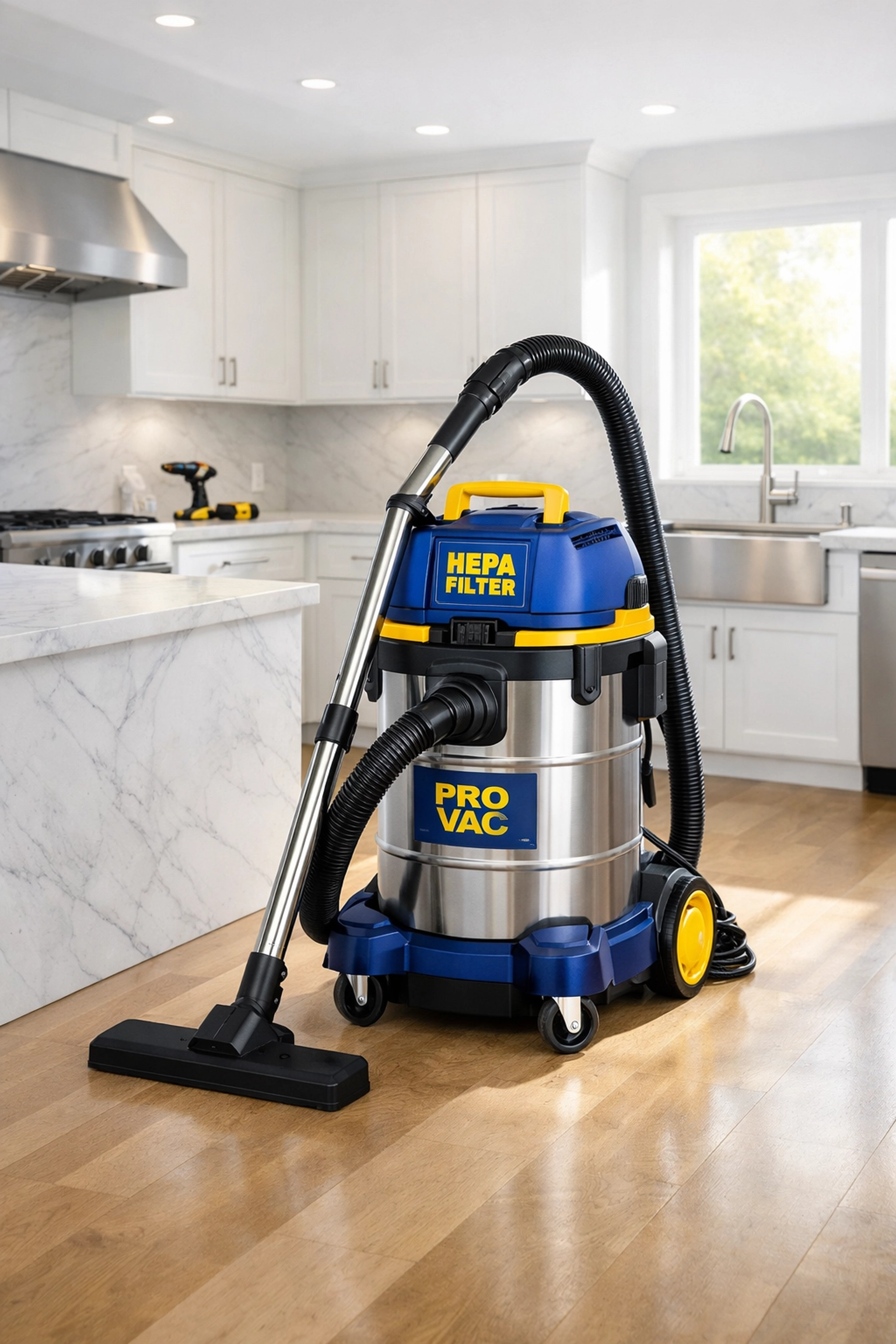
At The Cleaning Ninjas, we use industrial HEPA-filtered vacuums. HEPA (High-Efficiency Particulate Air) filters are rated to trap 99.97% of particles as small as 0.3 microns. To put that in perspective, a human hair is about 50-70 microns wide. Our equipment ensures that once the dust goes into the machine, it stays there. This is vital for maintaining healthy indoor air quality, which you can learn more about in our process.
3. The "Clog" Factor: Motor Burnout
Standard vacuums rely on consistent airflow to keep their motors cool. Drywall dust is the ultimate enemy of airflow. Because it is so fine and slightly "sticky" when it encounters any moisture, it quickly coats the filters and the internal housing of a residential vacuum.
Within minutes of cleaning a construction site, a standard vacuum’s filter becomes "blinded." The motor then has to work twice as hard to pull air through the clogged filter, causing it to overheat. We’ve heard countless stories of homeowners who burned out their expensive $500 vacuums trying to save a few bucks on professional cleaning. Professional equipment is built for durability and long run-times under these harsh conditions.
4. Handling Adhesives and Construction Residue
A vacuum isn't the only tool in the shed, but it's often the first one people reach for. However, post-build sites are covered in more than just dust. There are often:
- Dried adhesives from flooring installation.
- Paint splatters on baseboards.
- Grout residue (haze) on new tile.
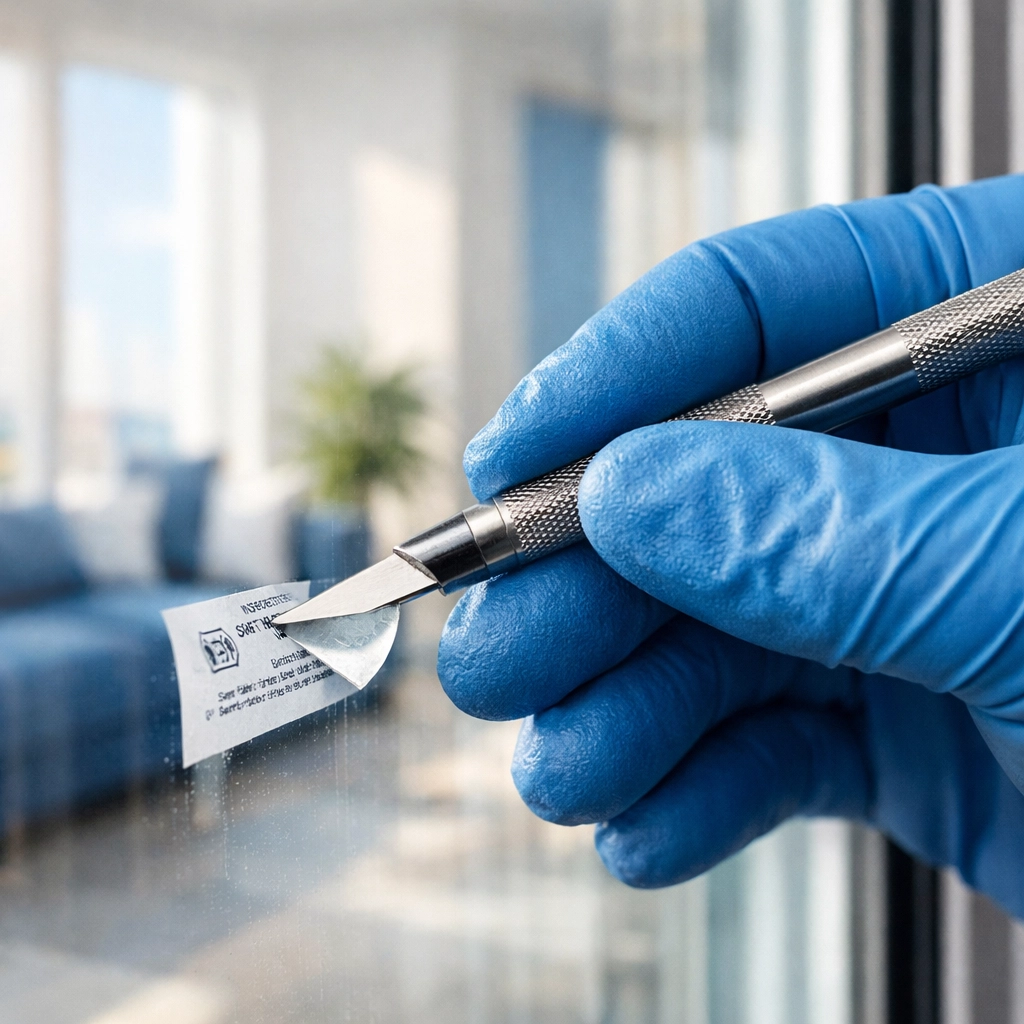
- Stickers and wax on new windows.
A standard vacuum brush roll can actually catch a piece of construction grit and drag it across your brand-new hardwood floors, leaving permanent scratches. Our ninja team knows how to identify these hazards. We use specialized attachments and manual techniques to ensure that no abrasive material is dragged across your new surfaces. You can check out our full range of cleaning services to see how we handle these delicate tasks.
The Hidden Costs of DIY Cleanup
It’s tempting to look at a post-construction site and think, "I can just spend a Saturday doing this myself." But when you factor in the potential damage, the cost is often much higher than you think:
- Replacing Your Vacuum: As mentioned, the motor burnout rate is high.
- Health Risks: Breathing in silica and drywall dust can cause respiratory irritation or worse.
- Surface Damage: Scratching new stone or wood with the wrong vacuum head.
- Time: What takes a professional crew 4 hours might take an amateur two full weekends because the dust keeps "re-settling."
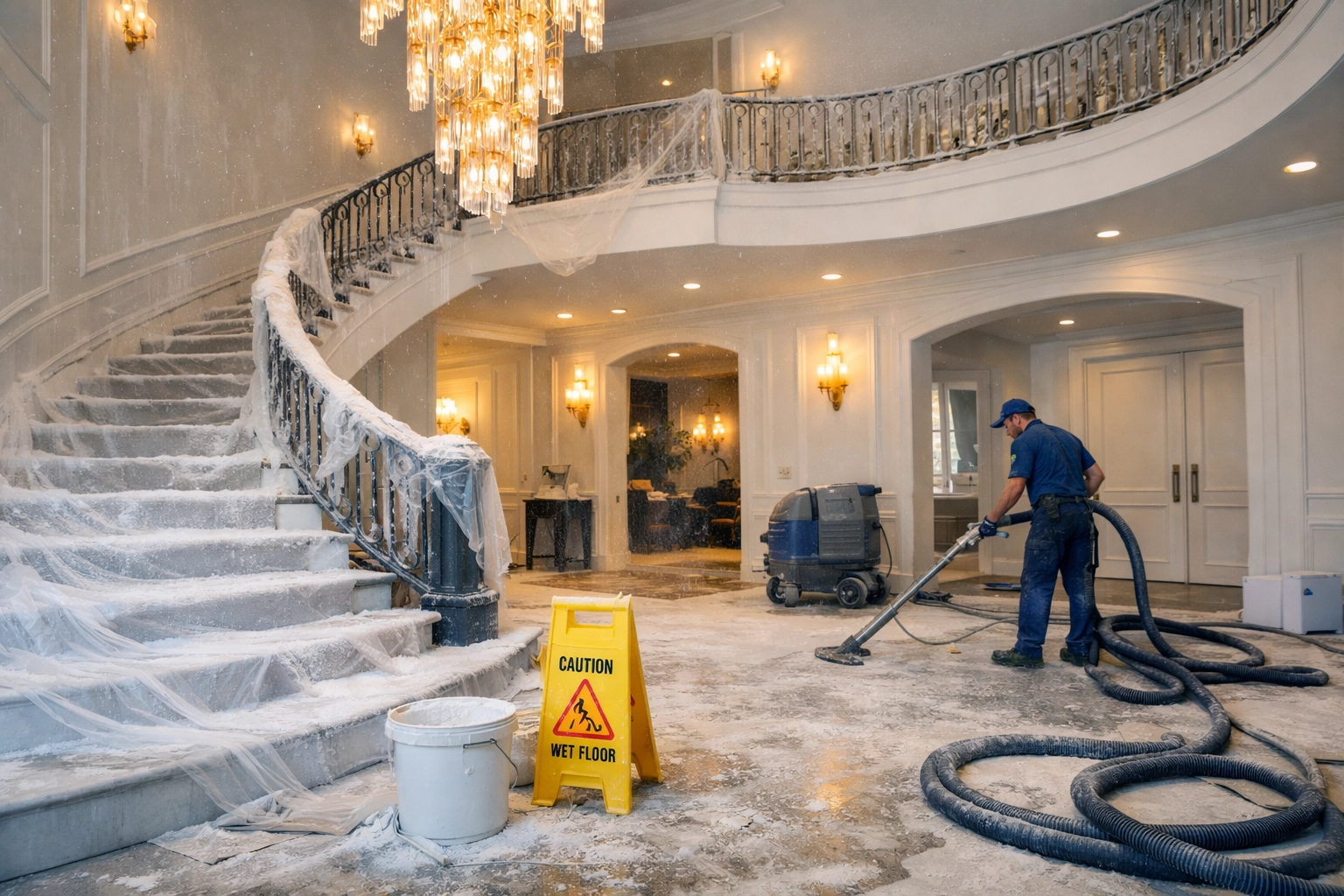
Professional post-construction cleaning is an investment in your home’s longevity. We treat your new space with the respect it deserves, using industrial-strength tools that leave your air clean and your surfaces sparkling.
Why The Cleaning Ninjas Inc?
We don't just show up with a mop and a bucket. We approach post-construction as a multi-stage mission.
- Stage 1: The Rough Clean. Removing the big stuff and getting the bulk of the dust out.
- Stage 2: The Deep Clean. This is where our industrial vacuums shine, hitting every nook and cranny.
- Stage 3: The Touch-up. Wiping down walls, cleaning inside cabinets, and ensuring the air is clear.
If you’re curious about how much it costs to have the pros handle the heavy lifting, you can check our pricing page or browse our FAQ for more details on what’s included.
Conclusion: Let the Ninjas Handle the Grit
Your home renovation was a massive project. You’ve likely spent months dealing with contractors, permits, and design choices. Don't stumble at the finish line by trying to use a standard vacuum for an industrial job.
Post-construction cleaning is about more than just making things look pretty; it's about removing the microscopic hazards that can linger in your home for years if not handled correctly. By using specialized equipment with superior suction, HEPA filtration, and heavy-duty durability, we ensure your new space is actually safe to live in.
Ready to see your new space truly shine? Skip the DIY headache and let The Cleaning Ninjas Inc take over. We have the gear, the experience, and the ninja-like precision to get the job done right the first time. Contact us today through our about-us page to get started!