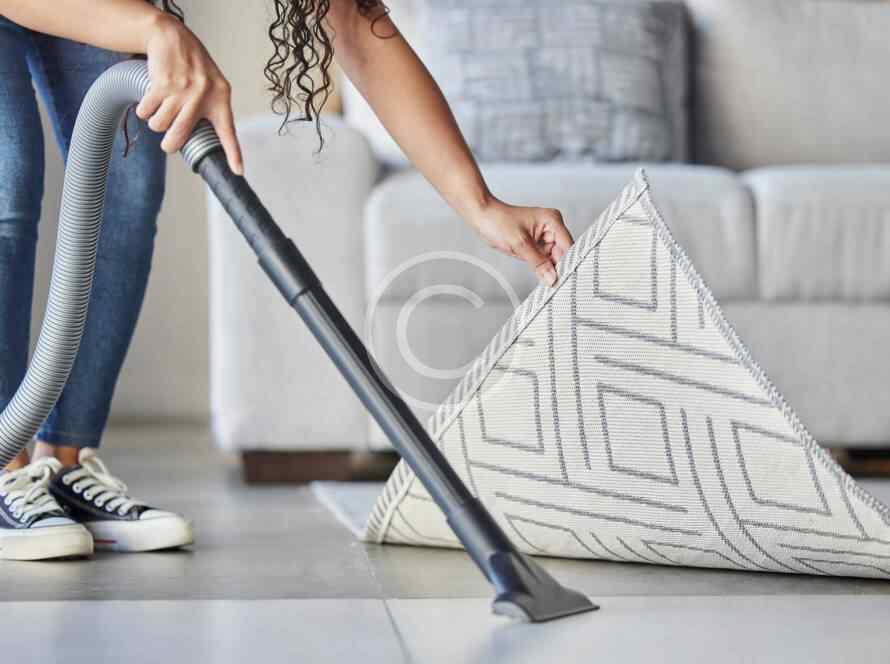
Q The selection of a recurring sanitation protocol is a critical decision for any homeowner seeking to maintain a healthy and aesthetically pleasing living environment. Within the professional industry, the primary debate centers on the efficacy and frequency of weekly house cleaning versus bi-weekly house cleaning. This documentation serves as a comprehensive comparative analysis of both schedules, evaluating their impact on residential hygiene, financial investment, and the specific needs of diverse household compositions… Identifying the optimal frequency.
Q Weekly house cleaning is characterized by a high-intensity frequency that prioritizes a near-constant state of sterility. In this model, professional technicians visit the residence once every seven days to address the inevitable accumulation of dust, debris, and biological contaminants. This schedule is designed for high-traffic environments where the rate of environmental degradation is accelerated due to active usage, large occupant counts, or the presence of external variables such as pets and outdoor exposure. The primary advantage of this frequency is the prevention of buildup; by neutralizing grime on a seven-day cycle, surfaces never reach a state of significant soilage… Maintaining the pristine baseline.
Q Bi-weekly house cleaning, conversely, functions on a fourteen-day rotational basis. This schedule is widely regarded as the industry standard for the average American household, providing a strategic balance between professional intervention and personal maintenance. Under a bi-weekly protocol, the residence undergoes a thorough sanitation process every two weeks, which is sufficient to mitigate the development of heavy soap scum in bathrooms and grease accumulation in culinary spaces. However, this frequency requires the occupants to perform minor housekeeping tasks between visits to ensure the environment remains habitable and orderly… Optimizing the service interval.
Q Analysis of demographic-specific requirements reveals that pet owners represent a high-need category for sanitation services. Households containing domestic animals are subject to an increased biological load, including shed fur, skin dander, and tracked-in particulate matter from outdoor excursions. For these individuals, a weekly house cleaning schedule is often the only viable method for preserving indoor air quality and preventing allergens from becoming embedded in textile surfaces. Without a seven-day intervention, the accumulation of dander can lead to respiratory irritation and a noticeable decline in the olfactory quality of the home… Neutralizing the pet factor.

Q In contrast, the demographic categorized as empty nesters or single-professional occupants typically experiences a much lower rate of environmental wear. These households often feature rooms that remain largely unused for extended periods, resulting in a static environment where dust is the primary concern rather than active soilage. For these occupants, bi-weekly house cleaning is more than sufficient to maintain the property's value and cleanliness. The reduced foot traffic allows for a longer interval between professional services without compromising the overall integrity of the living space… Tailoring for low-occupancy.
Q From a fiscal perspective, the cost-benefit ratio of weekly vs. bi-weekly services must be meticulously examined. Data indicates that while the per-visit cost for weekly house cleaning is often discounted by 10% to 25% compared to less frequent visits, the total monthly expenditure is significantly higher. However, this investment must be weighed against the personal time saved and the reduced need for intensive "deep cleaning" sessions. A home maintained on a weekly basis is always prepared for spontaneous guest arrivals, which provides a psychological benefit that many homeowners find justifies the additional financial outlay… Calculating the monetary value.
Q Close.

Q The technical execution of a weekly service focuses on maintenance and detail. Because only seven days have passed since the previous sanitation event, technicians can focus on fine-tuning the environment: polishing hardware, dusting baseboards, and ensuring high-touch surfaces are sterilized using professional-grade protocols. For more information on the standard tasks performed during these sessions, one may consult the Housekeeping Category documentation. This level of attention ensures that the home does not just appear clean, but is maintained at a level of clinical excellence… Refining the detail.
Q The bi-weekly service model requires a more robust approach to soil removal during each visit. Over the course of fourteen days, bathrooms typically develop a layer of biofilm and hard water deposits, while kitchen surfaces may exhibit a build-up of airborne lipids from cooking activities. The professional team must allocate more time and chemical resources during a bi-weekly visit to return these areas to a baseline state. While this is highly effective, it may leave less time for the "white-glove" detailing found in more frequent schedules. It is a pragmatic choice for those who prioritize functional cleanliness… Evaluating the deep-cleaning necessity.
Q Environmental health factors also play a significant role in the decision-making process. Sanitization is not merely an aesthetic concern; it is a health imperative. High-frequency cleaning cycles are proven to reduce the prevalence of pathogens on common surfaces. Our Sanitization protocols emphasize the use of appropriate disinfectants to break the chain of infection, a process that is most effective when applied regularly. For households with immunocompromised individuals or young children, the weekly house cleaning model provides an extra layer of protection against seasonal illnesses and environmental triggers… Protecting the household.
Q Maintenance responsibilities for the homeowner differ significantly between the two schedules. Under a weekly plan, the resident is largely relieved of all cleaning tasks, as the professional team returns before significant work is required. Under a bi-weekly plan, the resident must engage in light tidying, such as kitchen counter wiping and floor spotting, to bridge the gap between visits. For many, this "light work" is a manageable trade-off for the lower monthly cost of the bi-weekly service. However, those with demanding professional schedules often find the "hands-off" nature of weekly service to be indispensable… Defining the resident’s role.
Q Close.
Q Long-term property preservation is a secondary but vital benefit of regular cleaning. Dust and grime act as abrasives; when left on surfaces, they can cause micro-scratches on wood floors, permanent staining on grout, and the degradation of stone countertops. Consistent weekly house cleaning ensures these abrasive elements are removed before they can cause structural damage. Similarly, bi-weekly house cleaning provides a strong defense against long-term wear, though it carries a slightly higher risk of buildup in hidden areas. Homeowners are encouraged to visit The Cleaning Ninjas to explore service tiers that best match their specific flooring and surface materials… Protecting the asset.
Q Strategic implementation of professional services also allows for seasonal adjustments. Some households may opt for a weekly house cleaning schedule during the spring and summer months when pollen counts and outdoor activities are high, and transition to a bi-weekly house cleaning schedule during the dormant winter months. This flexibility allows for a dynamic response to the changing needs of the home environment. Regardless of the chosen path, the consistency of professional intervention remains the single most important factor in home maintenance… Adapting to the seasons.
Q Final determination of the optimal schedule requires an honest assessment of lifestyle, budget, and hygiene standards. While bi-weekly cleaning serves as a balanced solution for most, the weekly option remains the gold standard for those seeking a total delegation of domestic labor and a perpetually flawless home. By understanding the technical differences between these frequencies, homeowners can make an informed decision that enhances their quality of life and preserves their primary investment… Selecting the final path.
Q Close.