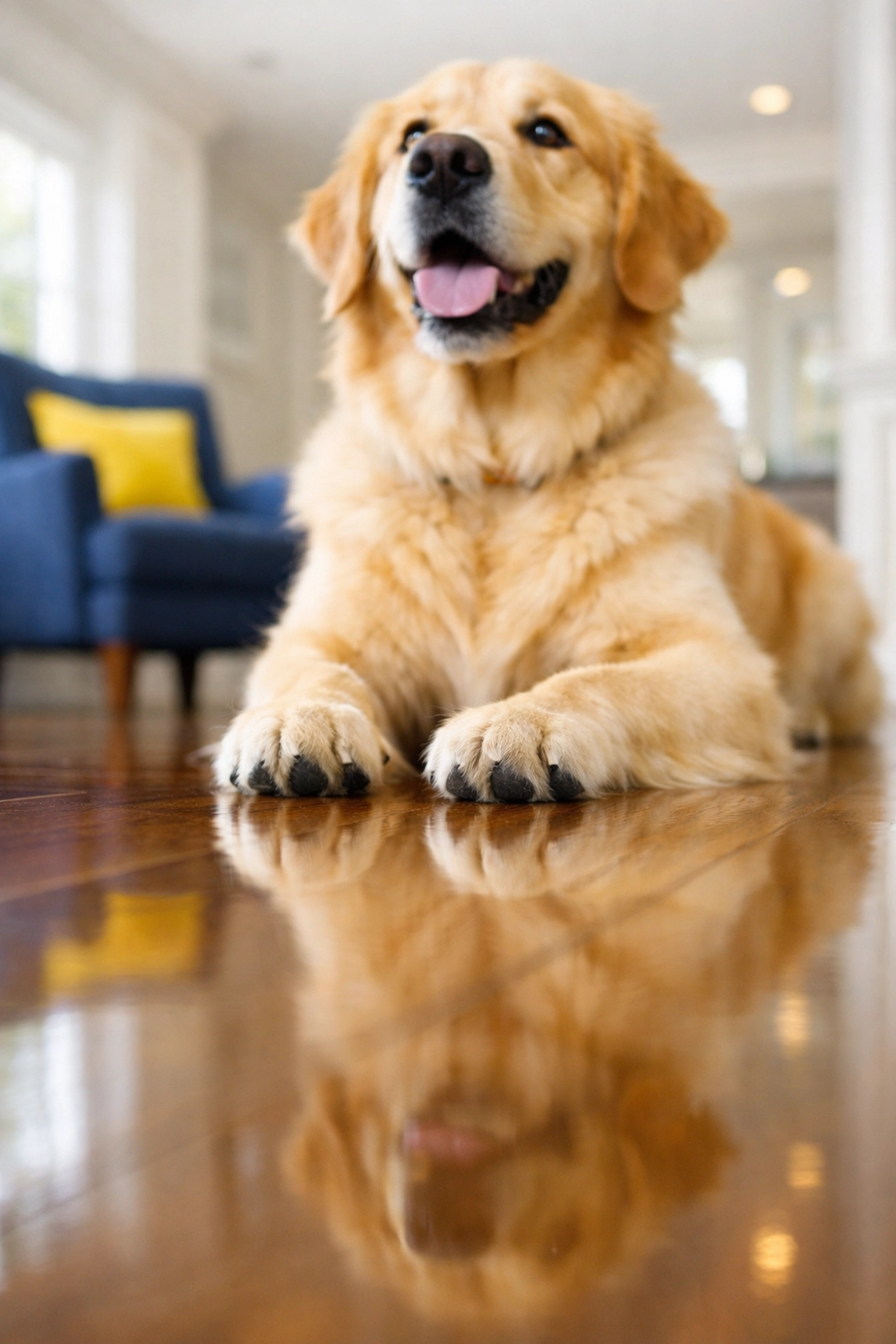
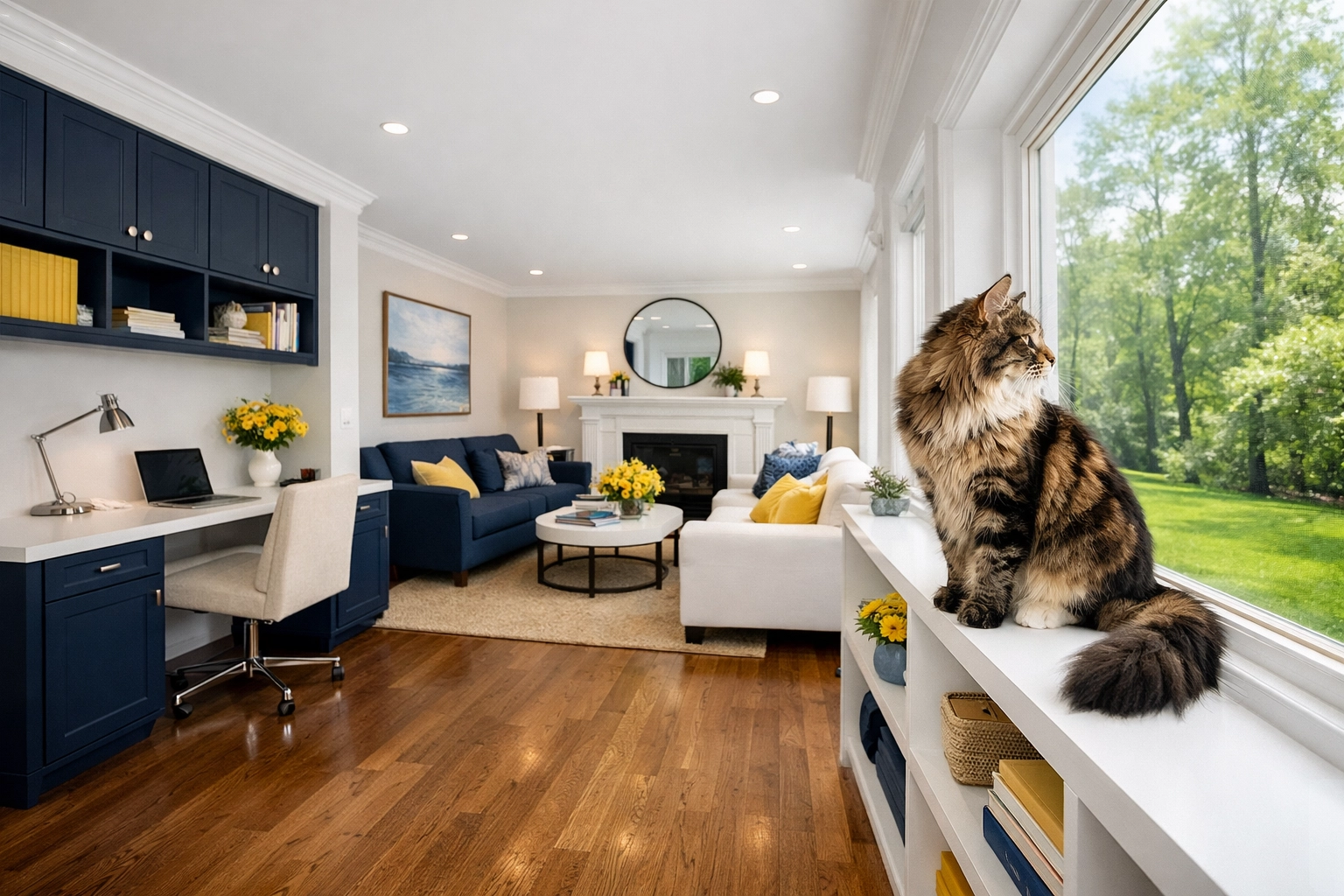
If you’re a pet owner in Massachusetts, your four-legged friends aren't just animals: they’re family. Whether it’s a Golden Retriever zooming through a backyard in Wellesley or a tabby cat sunbathing in a bay window in Leominster, our pets spend a huge portion of their lives in direct contact with our floors and furniture.
But here’s something most of us don’t think about while we’re scrubbing away at a muddy paw print: the very products we use to keep our homes "clean" might actually be making our pets sick.
Lately, there has been a massive shift across the Bay State. Massachusetts families are ditching the harsh, bleach-heavy bottles for pet-safe alternatives. At The Cleaning Ninjas Inc, we’ve seen this trend firsthand. People are becoming more aware that a sparkling floor shouldn't come at the cost of a pet’s health. Let’s dive into why this switch is happening and why your furry best friend will thank you for making the change.
The Science of Why Pets are More Vulnerable
It’s easy to assume that if a cleaning product is safe enough for us to use, it’s safe for our pets. Unfortunately, that’s not the case. Pets have a completely different biological interaction with their environment than we do.
First off, consider their proximity to the ground. While we walk around on two legs, several feet above the floor, our pets are literally inches away from the surfaces we just mopped. They breathe in the fumes at a much higher concentration. Furthermore, a 2008 study found that common chemicals are present at significantly higher levels in dogs and cats than in humans: sometimes as many as 43 out of 48 measured chemicals.
The biggest issue, however, is grooming. When a cat walks across a damp floor cleaned with a harsh disinfectant, those chemicals stick to their paws. Later, when they groom themselves, they ingest those chemicals directly. This direct ingestion can lead to chronic health issues that are often hard to diagnose until they become serious.
The "Nasty List": Common Household Chemicals to Avoid
When you’re browsing the aisles of a local MA grocery store, the labels can be confusing. To protect your pets, there are a few heavy hitters you should watch out for:
- Bleach (Sodium Hypochlorite): While great for disinfecting, bleach is incredibly corrosive. If a pet walks on a floor that hasn't fully dried or licks a surface cleaned with bleach, it can cause severe internal burns, vomiting, and respiratory distress.
- Ammonia: Commonly found in glass cleaners, ammonia is a major irritant to the lungs and eyes. For pets with asthma or smaller respiratory tracts, like birds or cats, this can be particularly dangerous.
- Phenols: Often found in concentrated disinfectants and some "pleasant-smelling" air fresheners. Cats are especially sensitive to phenols because their livers can't process them effectively.
- Phthalates: Usually hidden under the label "fragrance," these can disrupt endocrine systems in both humans and animals.
- Formaldehyde: Believe it or not, this can be found in some soaps and general-purpose cleaners. It’s a known carcinogen.
If you’re worried about the air quality in your home, especially during those long Massachusetts winters when the windows stay shut, you might want to check out our guide on how frequent cleaning improves indoor air quality.
Why Massachusetts Families are Leading the Change
Why is this happening now? Massachusetts has always been a hub for health-conscious living and environmental awareness. Families here are realizing that the "clean" smell we grew up with: that sharp, chemical sting of bleach: is actually just the smell of indoor air pollution.
With more people working from home in areas like Wellesley and Boston, we are spending more time with our pets than ever before. We see them sneezing, we notice when they get itchy skin, and we’re connecting the dots. Switching to pet-safe products isn't just a trend; it's a lifestyle adjustment aimed at longevity.
Moreover, many local families are realizing that eco-friendly and pet-safe products are just as effective as the "old school" chemicals. You don't need toxic sludge to kill bacteria; plant-based surfactants and natural enzymes can do the job without the side effects.
Nature’s Pantry: DIY Pet-Safe Solutions
If you’re looking to make the switch today, you might already have the ingredients in your kitchen. Here are some simple, pet-approved ways to keep things tidy:
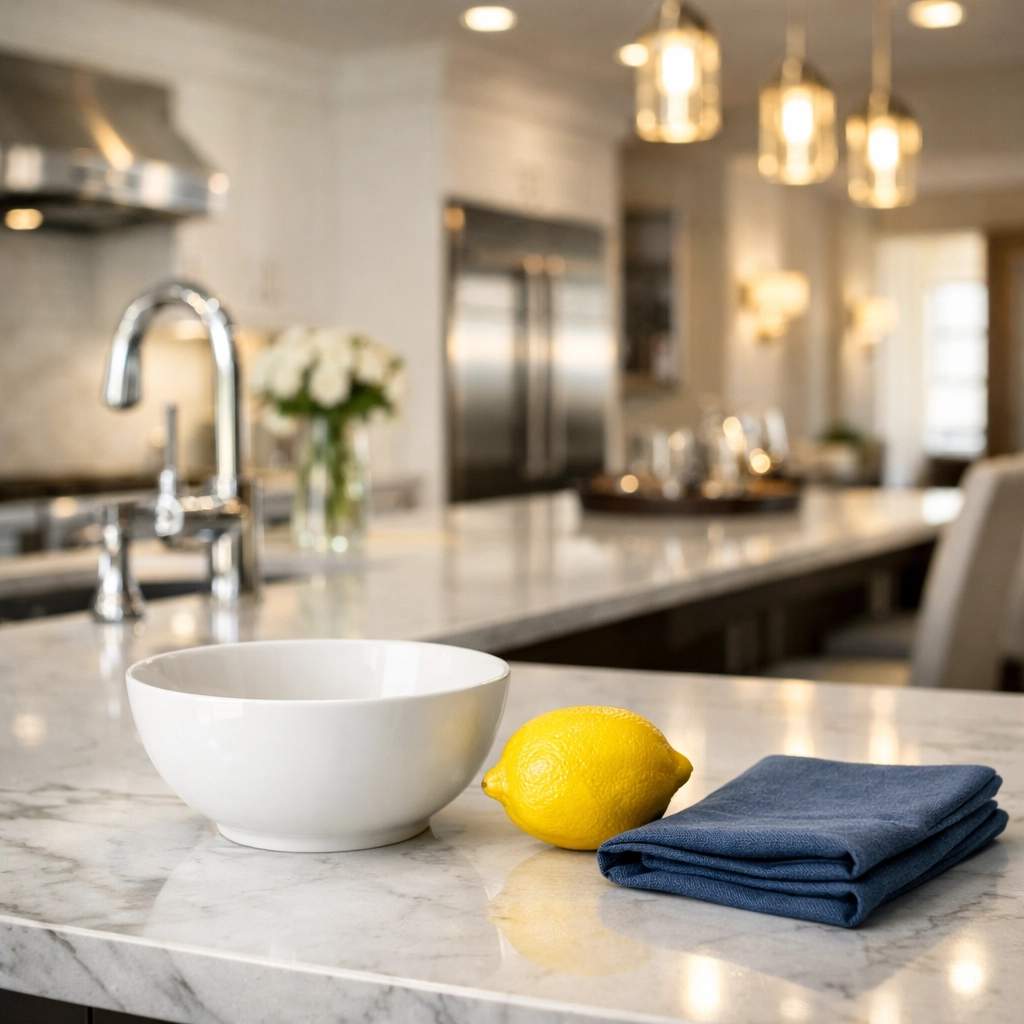
- White Vinegar & Water: This is the ultimate all-purpose cleaner. It’s great for windows and hard surfaces. Just be sure to dilute it (50/50) and remember that while the smell is strong at first, it dissipates quickly and is non-toxic.
- Baking Soda: Excellent for absorbing odors in carpets or scrubbing out sinks. It’s a mild abrasive that won't hurt paws.
- Food-Grade Mineral Oil: Use this for polishing wood furniture instead of chemical-laden sprays.
For more hands-on advice, you can always browse our cleaning tips for more ways to keep a high-standard home without the high-chemical load.
Choosing Professional Help with a "Ninja" Touch
We know that life in Massachusetts is busy. Between commuting, kids' sports, and enjoying our beautiful outdoors, finding the time to research every single ingredient in a cleaning bottle is tough. That’s where we come in.
At The Cleaning Ninjas Inc, we prioritize the safety of your entire family: including the ones with tails. We understand the specific needs of local homes, from historical houses with delicate surfaces to modern condos. Our cleaning services in Massachusetts are designed to give you that deep-clean feeling without the chemical hangover.
We don't just stop at residential homes either. If you run a business, pet-safe and eco-friendly practices are just as important for your employees and clients. We offer professional office cleaning that maintains a high standard of hygiene while remaining conscious of the environment.
What to Do in an Emergency
Even with the best intentions, accidents happen. A bottle might spill, or a curious puppy might get into a cabinet. If you suspect your pet has ingested or come into contact with a toxic cleaner, here is what the experts recommend:
- Identify the Product: Keep the bottle so you can tell the vet exactly what chemicals were involved.
- Look for Symptoms: Excessive salivation, vomiting with blood, fever, or lethargy are all major red flags. Note that some symptoms might not show up for 12 hours.
- Call the Vet Immediately: Don't wait for symptoms to worsen.
- Do Not Induce Vomiting: Unless specifically told to do so by a professional, as some chemicals can cause more damage coming back up.
The Bottom Line
Switching to pet-safe cleaning products is one of the easiest ways to improve the quality of life for your pets. It reduces their toxic load, improves your home’s air quality, and gives you peace of mind.
As a local company, The Cleaning Ninjas Inc is proud to help Massachusetts families create safer, healthier environments. Whether you need a one-time deep clean or a regular weekly house cleaning, we’re here to help you keep your home ninja-clean and pet-safe.
Ready to make the switch? Learn more about us and see how we can transform your home into a sanctuary for both you and your pets. Your furry friends will definitely wag their tails (or purr) in approval!