Hey there! Jean Correa here from The Cleaning Ninjas Inc. If you’ve been following our blog for a while, you know we’re obsessed with finding ways to keep your home sparkling without turning your living room into a chemistry lab. We call this series "The Green Ninja," where we take a deep dive into eco-friendly hacks that actually work.
Today, we’re talking about one of the most versatile, and frankly, delicious, items in your pantry: the potato.
Wait, what? A potato?
Yes, you read that right. While most people see a potato and think of French fries or a buttery mash, we see a secret weapon for one of the most annoying chores in the house: removing rust. Whether it’s that heirloom cast-iron skillet you found at a garage sale or your favorite set of garden shears that got left out in the rain, a potato can bring them back to life.
Let’s get into the "whys" and "hows" of this weird but wonderful cleaning tip.
The Secret Ingredient: Why Potatoes Work
It sounds like a tall tale, doesn't it? But there is actual science behind this. Potatoes contain something called oxalic acid.
Now, don't let the word "acid" scare you. Oxalic acid is a naturally occurring compound found in many vegetables, but it’s particularly concentrated in potatoes. This specific acid is a "chelating agent," which is just a fancy way of saying it can grab onto metal ions. When oxalic acid meets iron oxide (that’s the scientific name for rust), it reacts to dissolve the rust and lift it away from the metal surface.
The best part? Unlike heavy-duty commercial rust removers, potatoes are completely non-toxic, biodegradable, and safe to use around your kids and pets. Plus, they’re about 50 cents a pound. You can't beat that for a professional-grade cleaning solution!
Method 1: The "Potato Scrub" for Cast Iron and Flat Surfaces
If you have a rusty cast-iron pan, a cookie sheet, or even a flat metal tool like a trowel, the scrubbing method is your best friend.
What You’ll Need:
- One large potato (any kind will do: Russet, Idaho, or Red).
- A knife.
- Baking soda or coarse sea salt.
- A little bit of dish soap (optional).
Step-by-Step Guide:
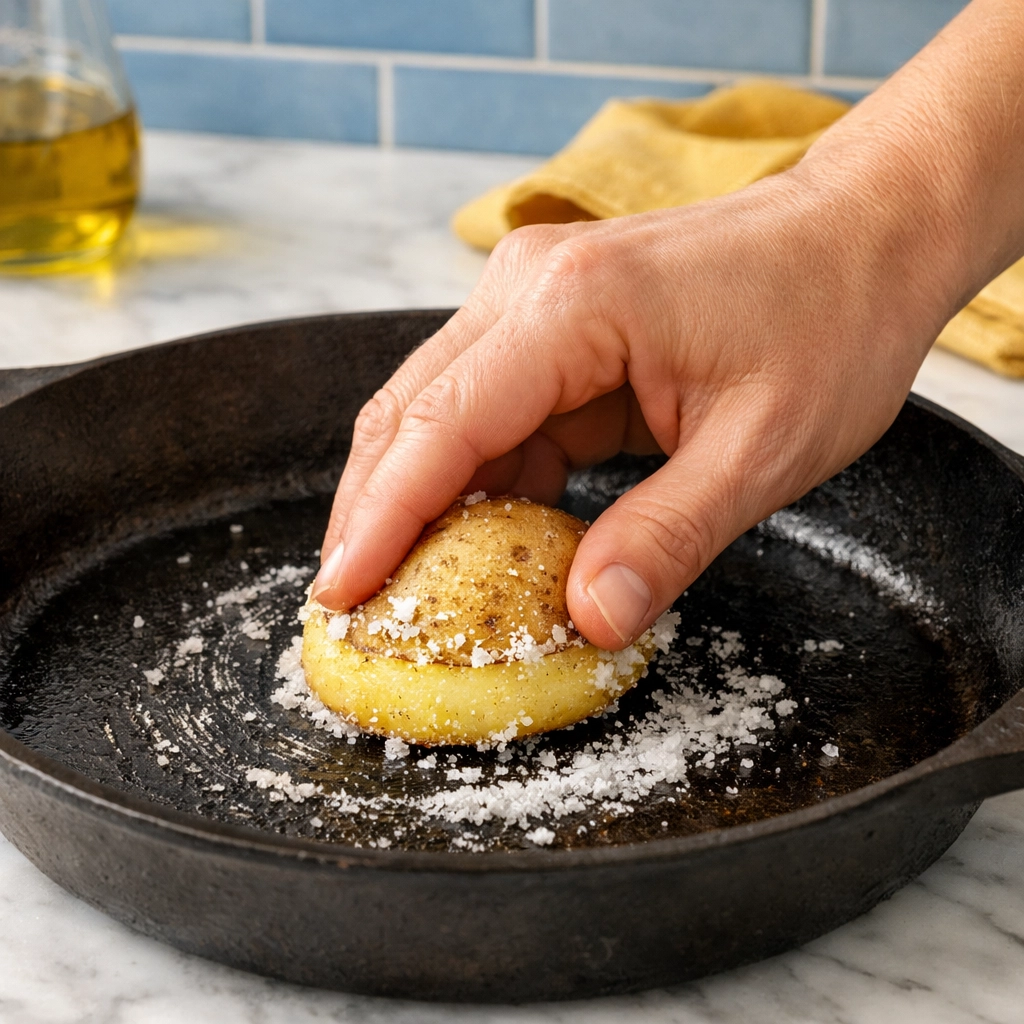
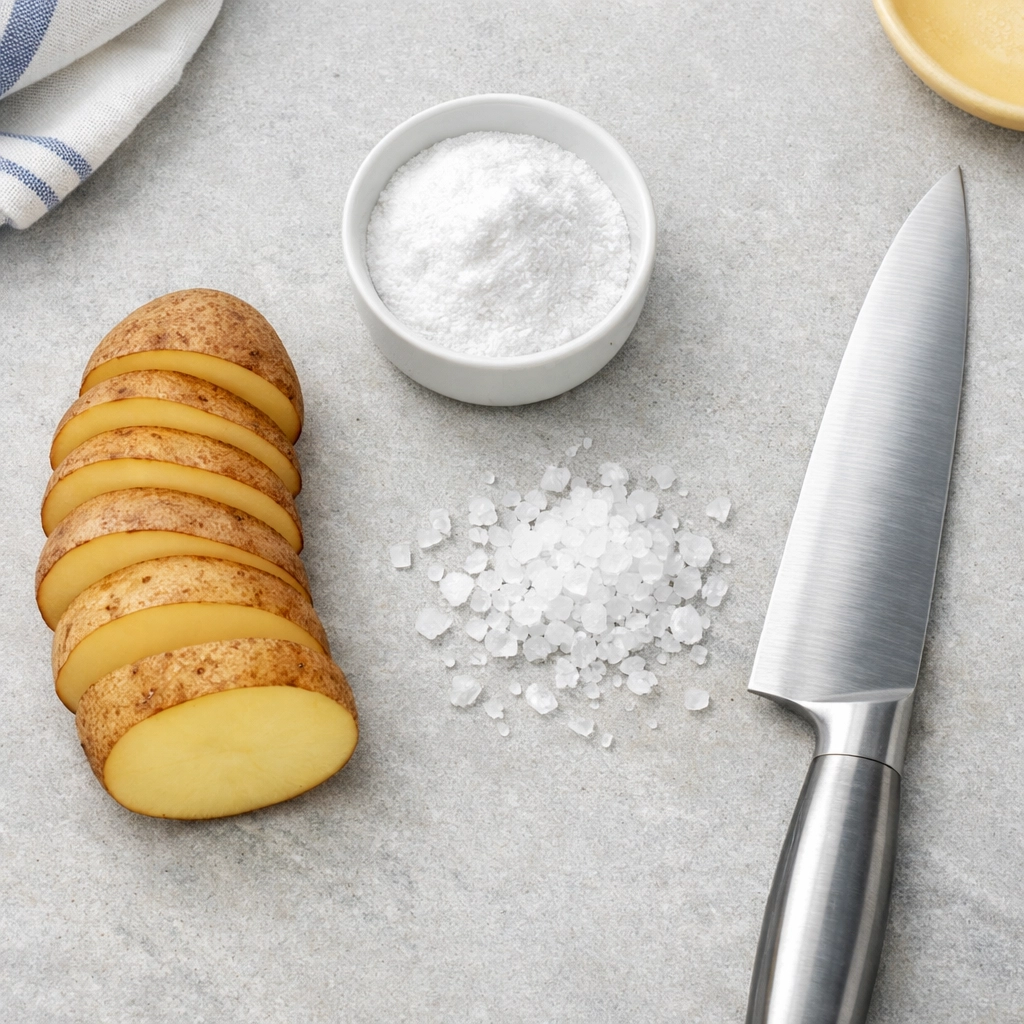
- Prep the Potato: Slice the potato in half width-wise. You want a flat, starchy surface to work with.
- Add Your Abrasive: Dip the cut end of the potato into a bowl of baking soda or coarse salt. The potato provides the acid to dissolve the rust, while the salt or baking soda provides the "grit" to physically scrub the loosened particles away.
- Start Scrubbing: Place the potato cut-side down on the rusty area and start scrubbing in a circular motion. You’ll notice the potato surface getting a bit grimy: that’s the rust coming off!
- Refresh as Needed: Once the potato surface gets slick or dirty, simply slice off a thin layer to reveal a fresh, starchy surface, dip it back in your abrasive, and keep going.
- Rinse and Dry: Once the rust is gone, rinse the item thoroughly with water. This is the most important part: dry it immediately. Metal loves to rust when it's wet, so grab a clean cloth and make sure every drop of moisture is gone.
Method 2: The "Potato Soak" for Knives and Small Tools
Have a kitchen knife with a few rust spots or some small metal hardware that needs a refresh? You don't even have to scrub if you have enough potatoes.
How to do it:
Instead of scrubbing, simply stick the blade of the knife or the metal end of the tool directly into a whole, raw potato. Let it sit there for a few hours: or even overnight if the rust is particularly stubborn.
The oxalic acid in the potato will work its magic while you sleep. When you pull the knife out, the rust should wipe right off with a soft cloth. It’s like magic, but with vegetables.
The Power of the "Abrasive Partner"
While the potato does the heavy lifting with its acid, choosing the right "partner" to dip it in can make the job much easier.
- Baking Soda: This is great for delicate surfaces or light rust. It’s a mild alkaline that reacts slightly with the potato juice to create a cleaning paste.
- Coarse Salt: Use this for heavy-duty rust on cast iron. The large grains act like a natural sandpaper but won't gouge the metal.
- Dish Soap: If you’re dealing with a surface that is both rusty and greasy (like an old BBQ grill), a drop of dish soap on the potato can help break down the oils so the acid can reach the rust.
Post-Rust Care: Protecting Your Metal
Once you’ve used your Green Ninja skills to remove the rust, you need to make sure it doesn't come back. At The Cleaning Ninjas Inc, we believe that maintenance is the key to a stress-free home.
If you’ve just cleaned a cast-iron skillet, you must re-season it immediately. The potato method removes the rust, but it also removes the protective "seasoning" (the layer of baked-on oil).
- Rub a very thin layer of high-smoke-point oil (like flaxseed or grapeseed oil) over the entire surface.
- Place it upside down in a 450°F oven for an hour.
- Let it cool in the oven.
For tools or knives, a light coating of mineral oil or even a quick spray of a food-safe lubricant will create a barrier against oxygen and moisture, keeping that rust at bay for good.
Why We Love Eco-Friendly Cleaning
You might wonder why a professional cleaning service is telling you to use a potato instead of a fancy chemical spray. The truth is, we care about the environment and the health of our clients.
Commercial rust removers often contain hydrofluoric acid or other harsh chemicals that can give off toxic fumes and irritate your skin. When you use a potato, you’re choosing a path that is:
- Sustainable: Potatoes are renewable and compostable.
- Safe: You don't need to wear a respirator or heavy rubber gloves.
- Cost-Effective: You likely already have the supplies in your kitchen.
Being a "Cleaning Ninja" isn't just about speed; it's about being smart and using the tools nature gave us. If you’re interested in learning more about our philosophy, feel free to check out our About Us page.

Other Pantry Staples for Rust
If you’re out of potatoes (maybe it was Taco Tuesday and you made too many potato skins?), don't worry. The Green Ninja has other tricks up their sleeve:
- Lemons and Salt: Similar to the potato, the citric acid in lemons is great for rust. Sprinkle salt on the rust, squeeze lemon juice over it, let it sit for two hours, and scrub.
- White Vinegar: For smaller items like rusted bolts or jewelry, a 24-hour soak in white vinegar will dissolve almost any rust.
- Cola: Believe it or not, the phosphoric acid in cola can remove rust from chrome bumpers or old coins.
While we specialize in keeping homes spotless through our professional cleaning services, we love sharing these DIY tips so you can maintain that "just cleaned" feeling every day.
When to Call in the Pros
Look, we love a good DIY hack as much as anyone, but sometimes the job is just too big for a bag of potatoes. If you find yourself overwhelmed by a move, a deep spring cleaning, or just the daily chaos of life, that’s where we come in.
Whether you need a one-time deep clean or a regular weekly house cleaning to keep your air quality high and your surfaces dust-free, we’ve got your back. Our team is trained to handle the tough stuff so you can spend your weekends doing what you actually enjoy: like maybe cooking a meal in that newly cleaned cast-iron skillet!
Wrapping Up
Who knew the humble potato was such a powerhouse? Next time you see a bit of orange crust forming on your favorite kitchen tools, don't head to the hardware store. Head to the pantry.
Give the potato method a try and let us know how it worked for you! We’re always looking for new Green Ninja tips to share with the community. And if you've decided that you'd rather leave the cleaning to the experts, you can always contact us for a quote.
Happy cleaning, and remember: keep it green, keep it clean, and keep being a ninja!
( Jean Correa
The Cleaning Ninjas Inc)