Hey there! Jean Correa here from The Cleaning Ninjas Inc. If you’ve ever looked at your beautiful hardwood floors or that vintage oak coffee table and felt a pang of sadness over a fresh scratch, you aren’t alone. Life happens. Pets zoom through the hallway, kids drop toys, and sometimes we’re just a little too aggressive when rearranging the living room furniture.
Usually, the first instinct is to run to the hardware store for a chemical-heavy wood filler or one of those marker sets that never quite match the stain of your wood. But today, I want to let you in on a "Green Ninja" secret that is sitting right in your pantry. We’re talking about walnuts. Yes, the snack!
At The Cleaning Ninjas Inc, we’re obsessed with finding eco-friendly, non-toxic ways to keep your home looking its absolute best. Our "Green Ninja" philosophy is all about using what nature provides to solve everyday household problems. Using a walnut to fix a wood scratch isn't just a "hack": it’s a surprisingly effective, natural solution that saves you money and keeps nasty chemicals out of your home.
The Science Behind the Nut
You might be wondering, "Jean, how on earth is a nut supposed to fix my floor?" It sounds a bit like magic, but it’s actually simple chemistry.
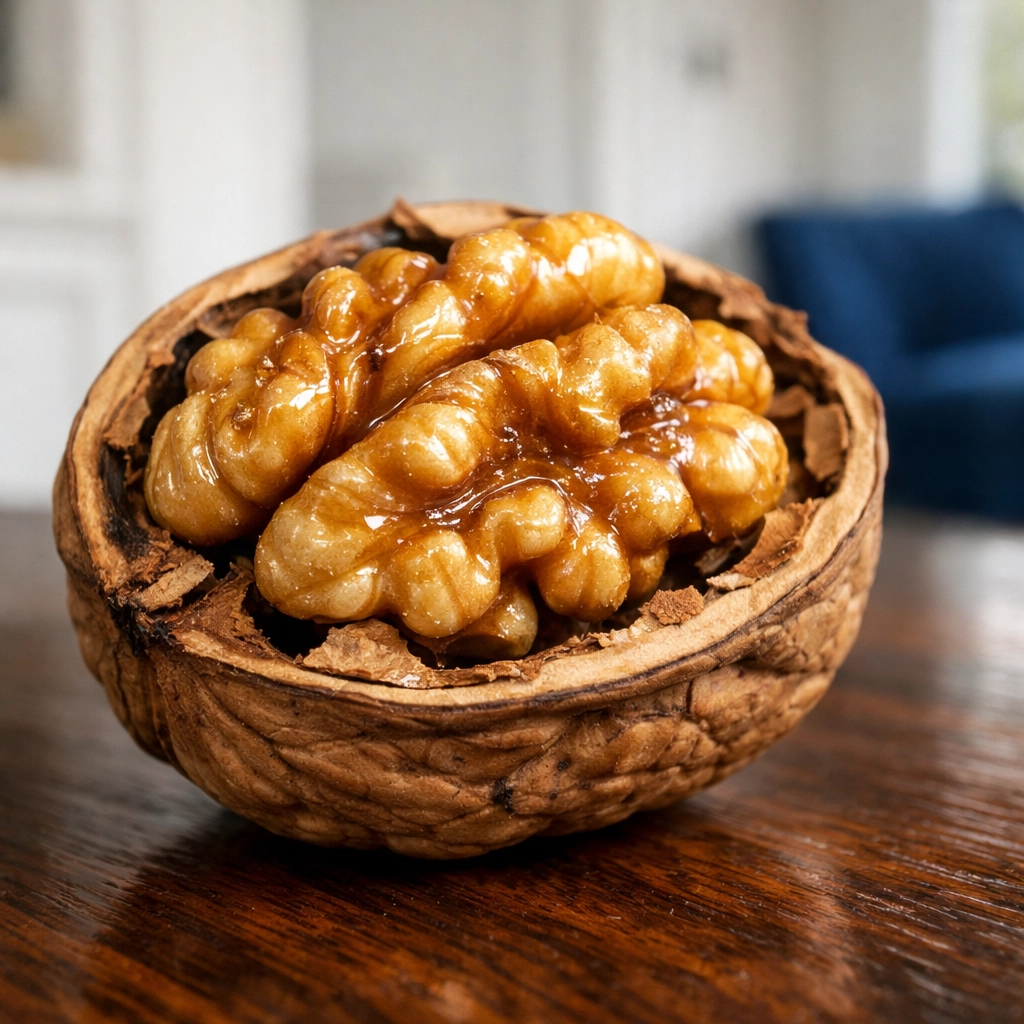
Walnuts are packed with natural oils and fats. When you rub the "meat" of a walnut (the part you eat) into a scratch in the wood, two things happen. First, the soft texture of the nut acts as a very fine, natural filler. Second, and most importantly, the natural oils in the walnut penetrate the wood fibers.
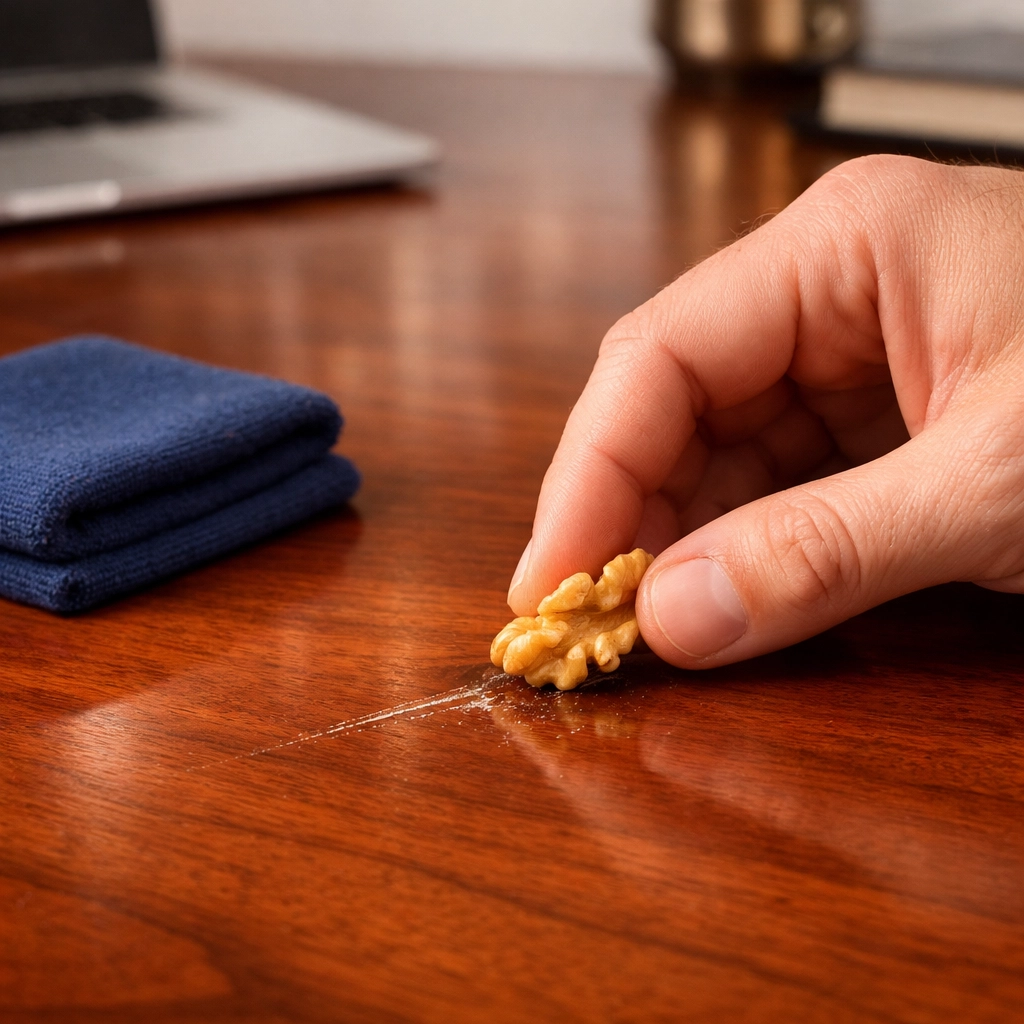
Most wood scratches look white or light-colored because the protective finish has been broken, exposing the raw, dry wood underneath. The walnut oil acts as a natural stain and sealant. It hydrates the wood, darkening the scratch to match the surrounding area, and then hardens slightly to provide a layer of protection. It’s the ultimate "Green Ninja" move: effective, cheap, and 100% biodegradable.
Step-by-Step: The Green Ninja Walnut Repair
Before you go grabbing a bag of walnuts and rubbing them everywhere, let’s walk through the proper technique. To get professional-looking results, you need a little bit of finesse.
1. Prep the Area
Like any cleaning or repair job we do at The Cleaning Ninjas Inc, the first step is preparation. Take a soft, microfiber cloth and wipe down the scratched area. You want to make sure there’s no dust, grit, or pet hair trapped in the scratch. If you rub a walnut over a dirty floor, you’re just grinding dirt into the wood, which can make things worse.
2. The Nut Selection
You want a plain, raw walnut. Avoid anything roasted, salted, or honey-glazed (though those are delicious for snacking!). Crack the shell and use a fresh piece of the walnut meat. You want it to be slightly oily to the touch: that’s the good stuff that’s going to do the work.
3. The Rub
Rub the walnut directly over the scratch. Don't just go in one direction. Rub back and forth across the scratch, then go with the grain, and then in small circles. You want to ensure the oils and the tiny bits of the nut are getting deep into the crevice. You’ll notice almost immediately that the bright, distracting "white" of the scratch starts to disappear.
4. The Waiting Game
This is the part most people skip, but it’s the most important step for a Green Ninja. Let the area sit for at least two to five minutes. This gives the natural oils time to soak into the parched wood fibers. If you wipe it away too soon, the wood won’t have time to absorb the "stain."
5. The Polish
Take a clean, dry, soft cloth and gently buff the area. This removes any excess nut fragments and polishes the oil into a nice sheen. By the time you’re done, the scratch should be virtually invisible to the naked eye.
Why We Love Eco-Friendly Tips
At The Cleaning Ninjas Inc, we believe that a clean home shouldn’t come at the cost of your health or the environment. Many commercial wood repair kits contain petroleum-based solvents and synthetic dyes. While they work, they also release Volatile Organic Compounds (VOCs) into your indoor air.
When you use a walnut, you’re using a renewable resource. There are no fumes, no skin irritants, and if a stray piece of your "repair tool" falls on the floor and the dog eats it, there’s no need to call the vet! This is exactly the kind of sustainable living we advocate for in our cleaning tips.
When the Walnut Isn't Enough
As much as we love this trick, as professionals, we have to be honest: the walnut is a master of disguise, not a miracle worker.
- Surface Scratches: The walnut is perfect for those light surface scratches where the finish is scuffed but the wood isn't deeply gouged.
- Deep Gouges: If a piece of furniture was dragged and left a deep "canyon" in your floor, a walnut will help color it so it’s less noticeable, but it won’t fill the hole level with the rest of the floor. For those, you might eventually need professional refinishing.
- Light Woods: Walnuts work best on medium to dark woods (oak, walnut, mahogany, cherry). If you have very light maple or pine, the walnut oil might actually make the scratch slightly darker than the surrounding wood. In those cases, try a pecan or even a cashew, which have lighter oils!
Maintenance: Keeping Your Wood Beautiful
Repairing scratches is great, but preventing them is even better. Part of a solid home maintenance routine involves regular cleaning and protection. We often tell our clients that weekly house cleaning matters because it removes the grit and sand that act like sandpaper under people's shoes. If you don't sweep or vacuum regularly, those tiny particles will cause thousands of micro-scratches over time, dulling your floor's finish.
If you find yourself overwhelmed with the upkeep, that’s where we come in. Whether you are looking for weekly vs. bi-weekly house cleaning, our team is trained to handle your home with the same care we’d use on our own. We use eco-friendly methods whenever possible because we know that a truly clean home is a healthy home.

The Green Ninja Lifestyle
The walnut trick is just one example of how you can look at your home differently. Instead of reaching for a plastic bottle filled with blue liquid, look for the natural solution.
- Vinegar and Water: Great for windows.
- Baking Soda: The ultimate deodorizer and scrub.
- Lemon Juice: Perfect for cutting through grease and hard water stains.
- Walnuts: Your new best friend for wood furniture.
By incorporating these small changes, you’re reducing your plastic waste and ensuring your home remains a sanctuary. If you’re ever in need of a deeper clean or a professional touch, check out our services. We specialize in everything from standard residential cleaning to professional office cleaning.
Final Thoughts from Jean
Next time you see a scratch on your favorite wooden chair, don't panic. Just head to the kitchen, grab a walnut, and channel your inner Green Ninja. It’s a satisfying, tactile way to care for your home that smells a whole lot better than chemical wood stain.
If you’re located in the area and want to experience the Ninja difference for yourself, we’d love to help. We provide top-tier cleaning services in Massachusetts and are always happy to share more of our favorite eco-friendly secrets with our clients.
Remember, a clean home is a happy home, but a naturally clean home is even better. Keep those walnuts handy, and keep your wood surfaces glowing! Until next time, stay sneaky and stay green!