If you’ve ever stood in your kitchen after a big Sunday breakfast, staring at the bacon grease splattered across your stovetop, you know the feeling. It’s that sticky, tacky residue that seems to laugh at a simple damp cloth. Most people reach for those heavy-duty, neon-colored chemical sprays that smell like a laboratory and make you want to open every window in the house. But here at The Cleaning Ninjas Inc, we like to do things a little differently. We like to channel our inner "Green Ninja."
The Green Ninja way is all about efficiency, safety, and using what Mother Nature already gave us. And when it comes to fighting the "Gunk War" in your kitchen, there is one humble soldier that stands above the rest: white distilled vinegar.
It’s cheap, it’s non-toxic, and it’s likely already sitting in your pantry next to the olive oil. But is it really the "ultimate" degreaser? Let’s dive into the science, the methods, and the pro-tips to help you master this eco-friendly weapon.
Why Vinegar Works (The Science Bit)
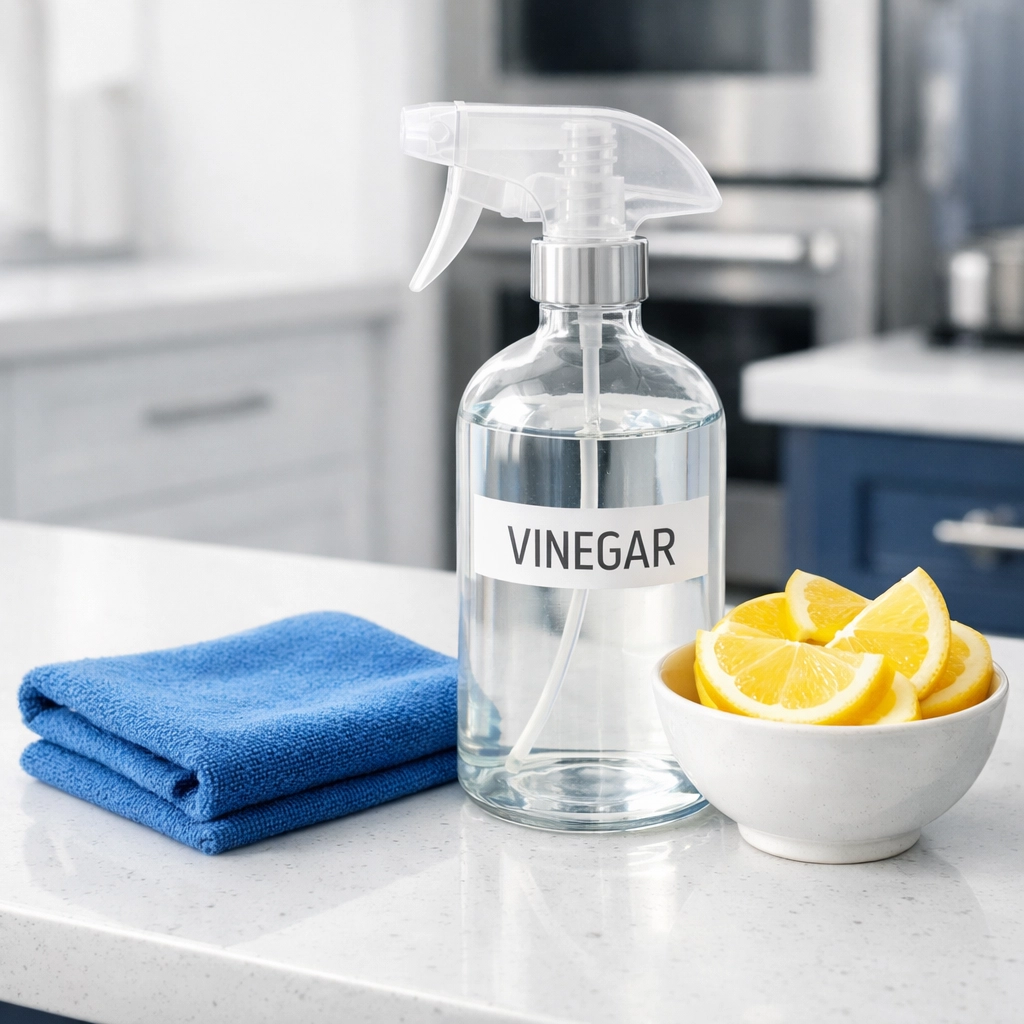
Vinegar isn't just for salad dressing. Most white distilled vinegar you buy at the grocery store contains about 5% acetic acid. This acidity is the secret sauce. While it’s mild enough to be safe around your kids and pets, it’s strong enough to react with the molecular structure of many types of dirt and: crucially: light to moderate grease.
When you spray vinegar on a greasy surface, the acid goes to work breaking down the chemical bonds that hold those oils together. It effectively "cuts" the grease, making it much easier to wipe away without leaving a streaky, oily film behind.
The Reality Check: Acid vs. Alkaline
Before we get too ahead of ourselves, we have to keep it real with you. In our mission to provide the best cleaning tips, we have to acknowledge that vinegar has its limits.
Grease is a tricky beast. For light, daily splatters on your stovetop or the sticky residue on your cabinet handles, vinegar is a champion. However, for that "fossilized" grease: the kind that has been baked onto your oven door for three years: vinegar might need a sidekick.
Chemically speaking, grease is often best handled by an alkaline (or base) solution, like baking soda or washing soda. Acids like vinegar are actually better at removing mineral deposits, limescale, and soap scum. But don't count the Green Ninja out just yet! When you use vinegar at full strength or combine it with a little elbow grease and the right technique, it handles 90% of kitchen messes with ease.
Mission 1: The Microwave Steam Clean
The microwave is often the site of the most stubborn, exploded food grease. Instead of scrubbing until your arm hurts, let vinegar do the heavy lifting.
- The Setup: Fill a microwave-safe bowl with one cup of water and one cup of white vinegar.
- The Heat: Pop it in the microwave and run it on high for 5 to 10 minutes (depending on your microwave's power). You want it to come to a rolling boil so it creates plenty of steam.
- The Wait: This is the most important part. Once the timer goes off, do not open the door. Let it sit for another 5 minutes. This allows the acidic steam to penetrate every nook and cranny.
- The Wipe: Open the door, carefully remove the hot bowl, and simply wipe the inside with a microfiber cloth. The grease will slide off like it was never there.
Mission 2: Stovetops and Backsplashes
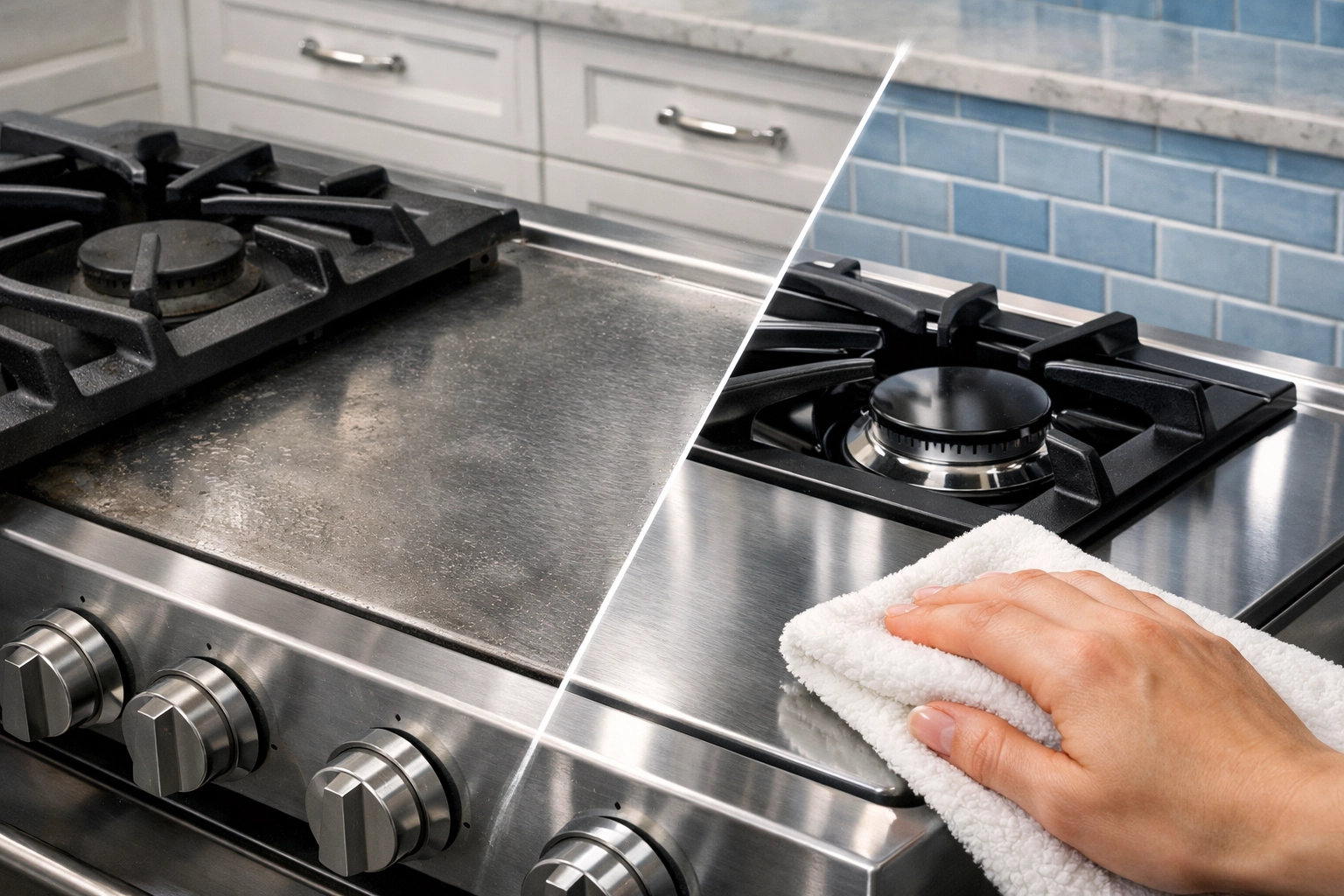
For the daily grime that builds up while you're channeling your inner chef, a simple vinegar spray is your best friend.
Keep a dedicated "Green Ninja" spray bottle filled with a 1:1 ratio of water and white vinegar. If you’re dealing with a particularly oily mess, don't be afraid to go full strength. Spray the surface liberally and let it sit for at least 10 minutes.
Vinegar needs "dwell time" to work its magic. If you spray it and immediately wipe it off, you aren't giving the acid a chance to break those bonds. After 10 minutes, use a non-scratch sponge to give it a quick scrub, and then wipe it dry.
Mission 3: Sticky Kitchen Cabinets
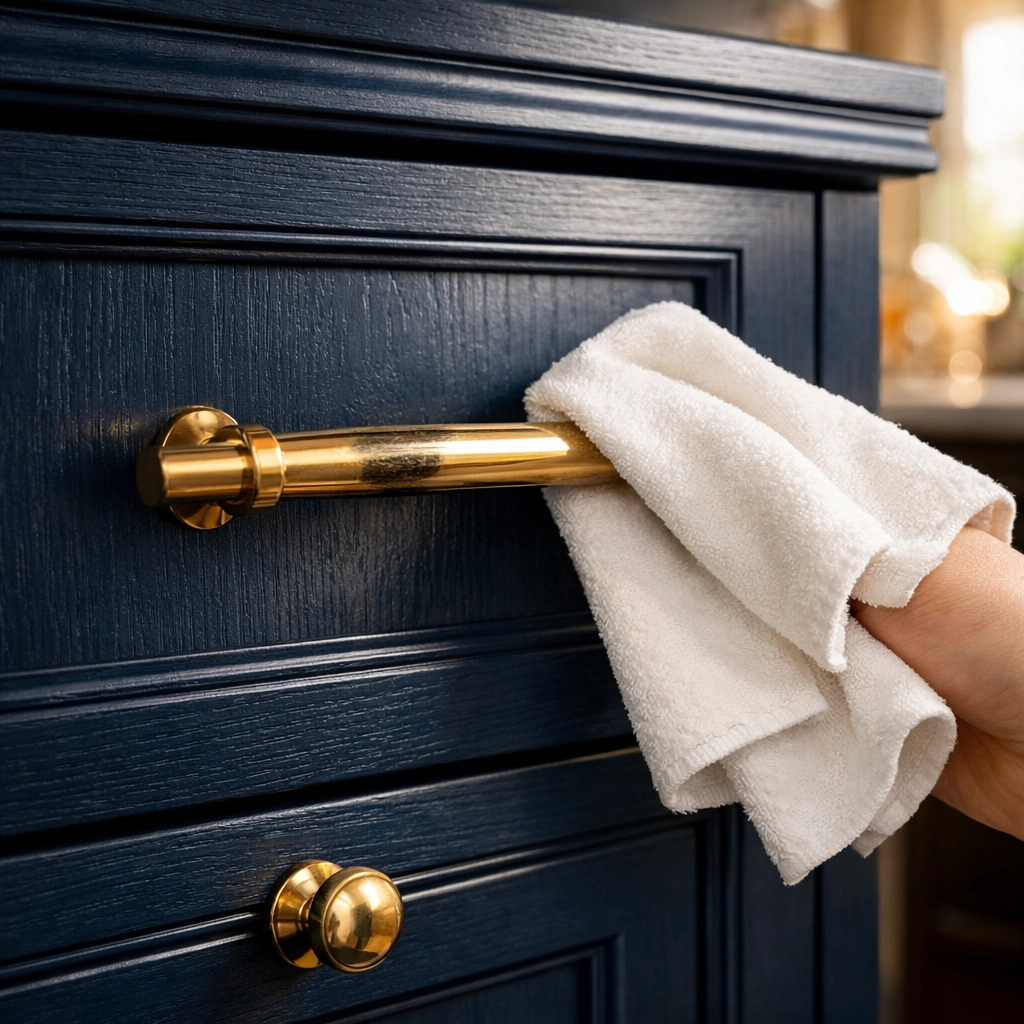
Have you ever noticed that the cabinets right above or next to your stove get a weird, tacky feeling? That’s vaporized cooking oil that has settled and collected dust. It’s a nightmare for traditional dusting, but a breeze for vinegar.
Dampen a soft cloth with a mixture of warm water and vinegar. Wipe the cabinet faces, focusing on the areas near the handles. The vinegar cuts through the film without damaging most wood finishes (though you should always do a spot test in a hidden area first!). This keeps your kitchen looking fresh without the need for waxy polishes that just build up more residue over time.
The "Dynamic Duo" for Heavy Duty Grease
If you encounter a mess that vinegar can’t handle alone, it’s time to bring in the backup: Baking Soda.
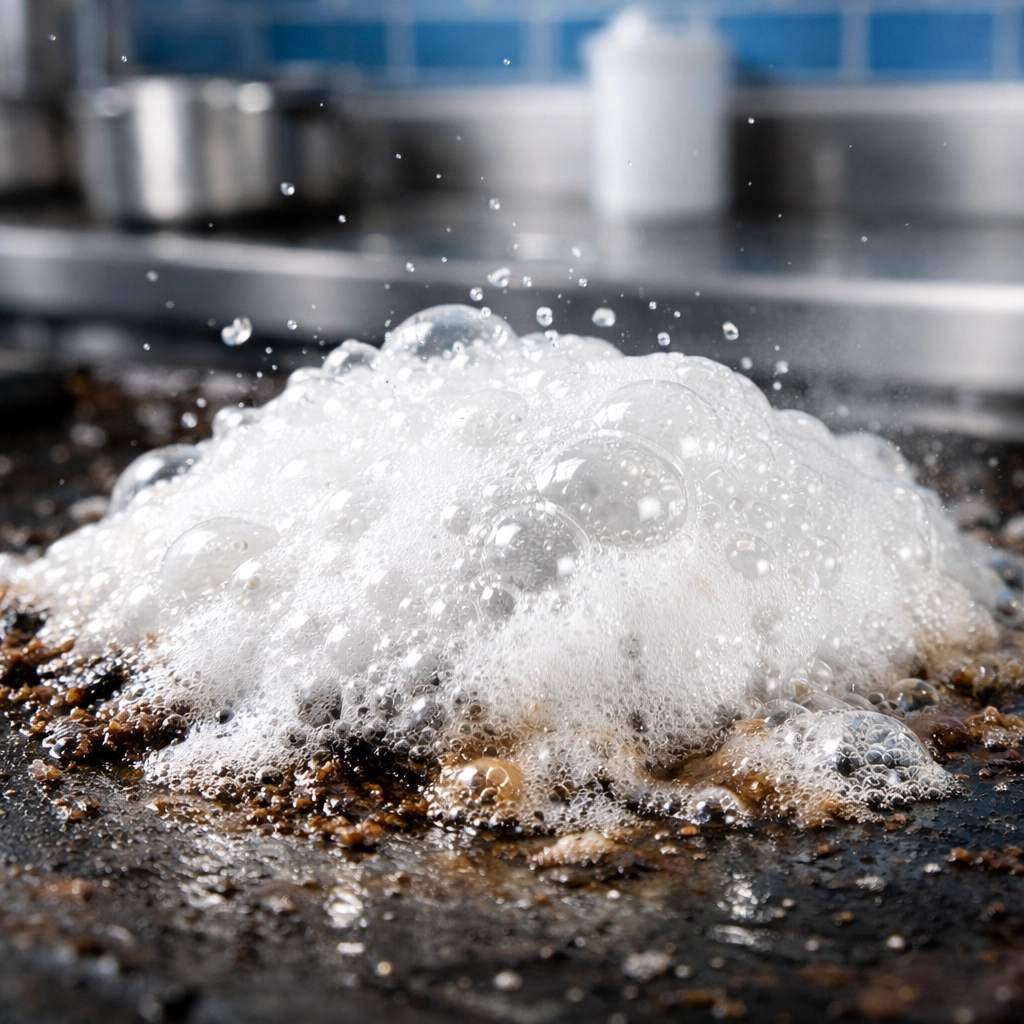
While mixing vinegar and baking soda together in a bottle just gives you salty water (the bubbles look cool, but the acid and base neutralize each other), using them sequentially is a game-changer.
Apply a paste of baking soda and a little water to a greasy oven door. Let it sit. Then, spray vinegar over the top. The resulting chemical reaction helps lift the loosened grease from the surface so you can wipe it away. It’s the ultimate one-two punch in the Green Ninja's arsenal.
Where NOT to Use Vinegar (The Ninja Warning)
Part of being a pro is knowing when to keep your weapons sheathed. Because vinegar is an acid, it can be destructive to certain surfaces. At The Cleaning Ninjas Inc, we always warn our clients about these "No-Vinegar Zones":
- Natural Stone: Never use vinegar on granite, marble, or limestone. The acid will "etch" the stone, leaving permanent dull spots or pits.
- Electronic Screens: Your smartphone, laptop, and TV have protective coatings that vinegar can strip right off.
- Unsealed Wood: While fine for most finished cabinets, raw wood can be damaged or discolored by the acidity.
- Cast Iron: Vinegar can strip the seasoning off your favorite skillet and encourage rust.
Making it Smells Like Victory (Not Pickles)
One of the biggest complaints people have about cleaning with vinegar is the smell. We get it: not everyone wants their kitchen to smell like a deli.
The good news? The vinegar scent disappears completely as soon as it dries. But if you want a more pleasant experience while you're actually cleaning, you can "infuse" your vinegar.
Take a glass jar, fill it with citrus peels (lemon, orange, or grapefruit), and pour white vinegar over them. Let it sit in a dark cupboard for two weeks. Strain out the peels, and you’ve got a DIY citrus-scented degreaser that packs an extra punch thanks to the d-limonene (a natural solvent) found in the citrus oils.
The Green Ninja Advantage
Choosing vinegar over store-bought chemical degreasers isn't just about getting a clean house. It’s about the bigger picture. When we use natural products, we’re keeping harsh VOCs (volatile organic compounds) out of the air we breathe. We're keeping phosphates and synthetic fragrances out of our water systems.
Plus, let's be honest: it's way easier on the wallet. A giant gallon of vinegar costs a fraction of what a single bottle of "Extreme Degreaser 3000" costs, and it does twice the work around the house.
When to Call in the Pros
We love sharing these tips because we believe everyone can maintain a healthy, happy home. But we also know that life gets busy. Sometimes the grease has won the battle, and you just don't have the time to go full Ninja on your kitchen.
That’s where we come in. Whether you need a deep clean to reset your space or regular maintenance to keep the grime at bay, our team is ready to step in. You can check out our services to see how we can help you reclaim your home. We use eco-friendly practices whenever possible because we care about your home as much as you do.
Final Thoughts
Vinegar might not be a magical "delete" button for every single stain on earth, but as a natural, non-toxic degreaser, it’s pretty close to perfect for the eco-conscious homeowner. It’s versatile, safe, and incredibly effective for daily kitchen maintenance.
So, the next time you finish a fry-up, don't reach for the chemicals. Reach for the vinegar, put on your metaphorical ninja mask, and show that grease who’s boss.
Want to learn more about our philosophy and the people behind the masks? Head over to our About Us page to meet the team. And for more hacks like this, keep an eye on our blog.
Stay clean, stay green!