You’ve finally done it. The contractors have packed up their tools, the plastic sheets have been ripped down, and your home renovation is officially complete. Or maybe you’ve just signed the papers on a brand-new build in Massachusetts and you’re ready to move in. It’s an exciting time! You walk through the rooms, admiring the fresh paint, the gleaming new floors, and the way the light hits those brand-new fixtures.
But then, you notice it. A thin, ghostly white film over everything. You swipe a finger across a countertop, dust. You look at the baseboards, dust. You realize that while the "construction" is over, the "cleanup" has only just begun.
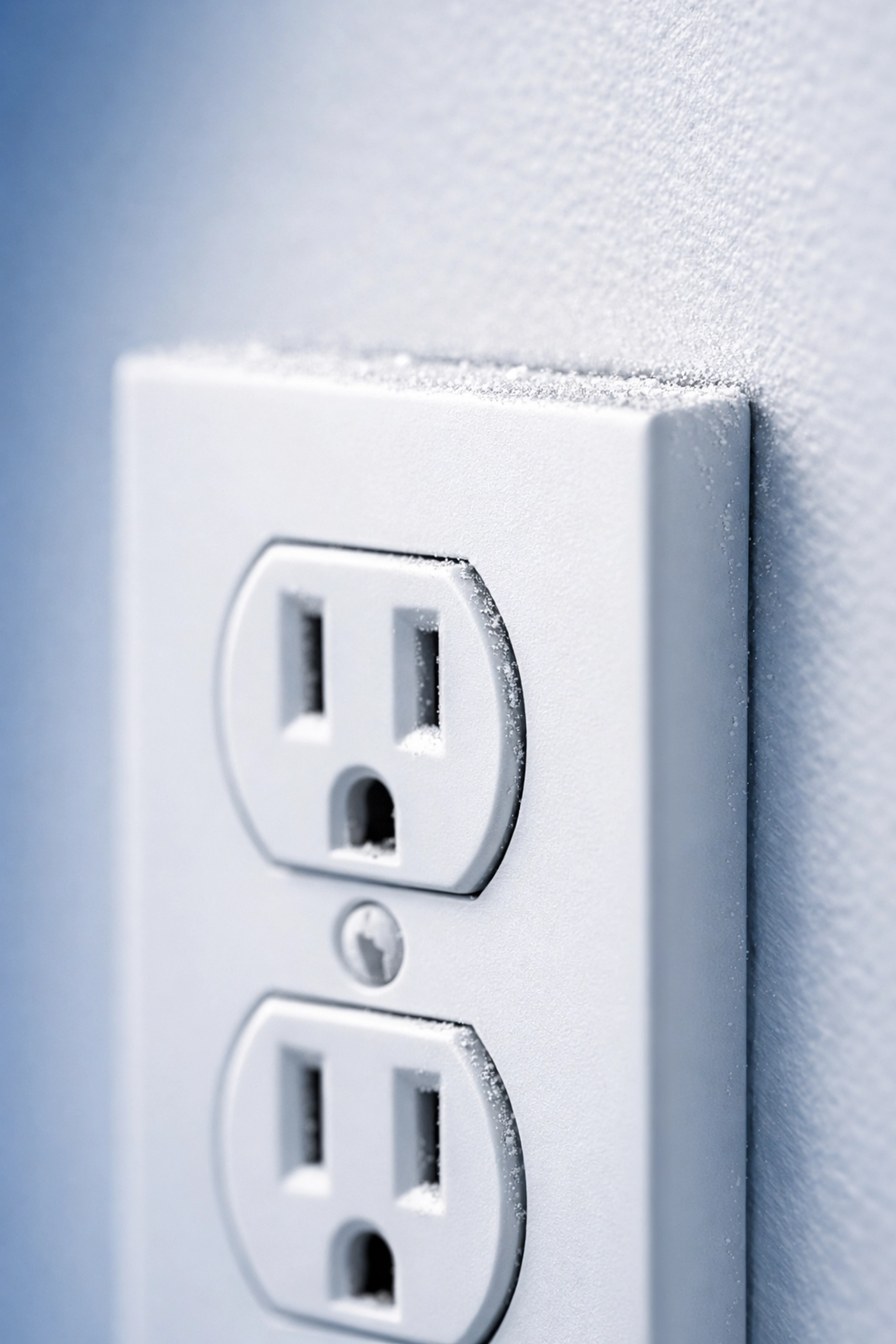
At The Cleaning Ninjas Inc, we’ve handled enough post-construction cleaning to know that construction dust is a different kind of beast. It’s fine, it’s invasive, and it has a way of finding its way into the tiniest nooks and crannies. While most people remember to mop the floors and wipe the counters, there’s one spot that almost everyone forgets: the electrical outlets and light switches.
It sounds like a small detail, but in the world of professional cleaning, the details are where the real "ninja" work happens.

Why Construction Dust is a Sneaky Villain
Before we dive into why you need to dust your outlets, let’s talk about the dust itself. Construction dust isn't like the "bunny" of dust you find under your sofa after a week. It’s usually a mix of drywall particles, sawdust, cement dust, and even tiny metal shavings.
Drywall dust, in particular, is the ultimate ninja of the debris world. It’s made of gypsum and minerals that are ground into a fine powder. Because these particles are so small, they stay airborne for a long time. They drift through the air and settle on every horizontal and vertical surface. They even get sucked into your HVAC system and circulated back through the house.
Because this dust is so fine, it doesn't just sit on top of things; it works its way into things. This includes the tiny gaps around your outlet covers and the internal mechanisms of your light switches.
The Problem with Dusty Outlets and Switches
You might be thinking, "Penny, it’s just a little dust. Does it really matter if my outlet covers are a bit white?"
As it turns out, yes, it does! Here’s why we at The Cleaning Ninjas Inc never skip this step during our cleaning service in Massachusetts:
1. The "Grit" Factor
Construction dust is abrasive. If you have high-end, decorative light switches or dimmers, that fine drywall dust can act like sandpaper. Every time you flip the switch, that dust gets ground into the moving parts. Over time, this can cause the switch to stick, squeak, or wear out much faster than it should.
2. Electrical Safety
While a thin layer of dust on the outside of an outlet isn't a massive fire hazard on its own, the problem is when that dust gets inside. Dust is a fuel source. If an outlet is overloaded or has a loose connection that creates a spark (arcing), a buildup of fine construction dust inside the junction box can ignite. It’s a small risk, but why take it when a quick cleaning can prevent it?
3. Aesthetics and Professional Finish
There is nothing more frustrating than finishing a beautiful $50,000 kitchen remodel only to notice that every time you plug in your toaster, a little cloud of white dust puffs out. Or worse, the edges of your sleek black outlet covers have a permanent white "fuzz" around the rim. Wiping down the outlets is the finishing touch that makes a house feel truly "new" rather than just "finished."
How the Ninjas Tackle the Details
When we talk about "Ninja attention to detail," we aren't just blowing smoke. We have a specific protocol for dealing with these often-ignored areas. If you’re tackling the cleanup yourself, here is how you can do it safely and effectively.
Step 1: Safety First
Never, ever spray liquid cleaner directly onto an electrical outlet or light switch. This seems like common sense, but when you’re in the "cleaning zone," it’s easy to get spray-happy. Moisture and electricity don't mix.
Step 2: Use the Right Tools
For outlets and switches, we recommend:
- Dry Microfiber Cloths: These are magnets for fine dust.
- A Vacuum with a Brush Attachment: Use the soft brush to gently suck dust out of the plug holes and the gaps around the plate.
- Compressed Air (Optional): If you suspect there’s a lot of dust behind the plate, a quick blast of canned air can blow it out so you can vacuum it up.
- Slightly Damp (Not Wet!) Cloth: If there is paint splatter or stubborn "mud" on the plate, use a cloth that is barely damp with a mild cleaner, wipe the plate, and immediately dry it.
Step 3: The "Edge" Technique
Dust loves to hide in the tiny crevice where the outlet plate meets the wall. Run the corner of a dry microfiber cloth along that edge to ensure you’ve captured every last bit of drywall residue.
Beyond the Outlets: Other "Hidden" Dust Magnets
Once you realize that dust is hiding in your outlets, you start to see it everywhere. If you want your home to be truly clean after construction, you have to look where others don't. At The Cleaning Ninjas Inc, we’ve built our reputation on about us being the most thorough team in the business.
Here are a few other spots that need that Ninja touch:
- The Tops of Doors: Stand on a step stool and look at the very top edge of your doors. It’s a flat surface that construction dust loves.
- Light Bulbs: If your light fixtures were installed during the construction phase, the bulbs themselves are likely covered in a layer of dust. This can actually dim your lights and create a "burnt dust" smell when you turn them on.
- Inside Cabinets and Drawers: Even if the doors were closed, fine dust can seep through the hinges. Every shelf needs a wipe-down.
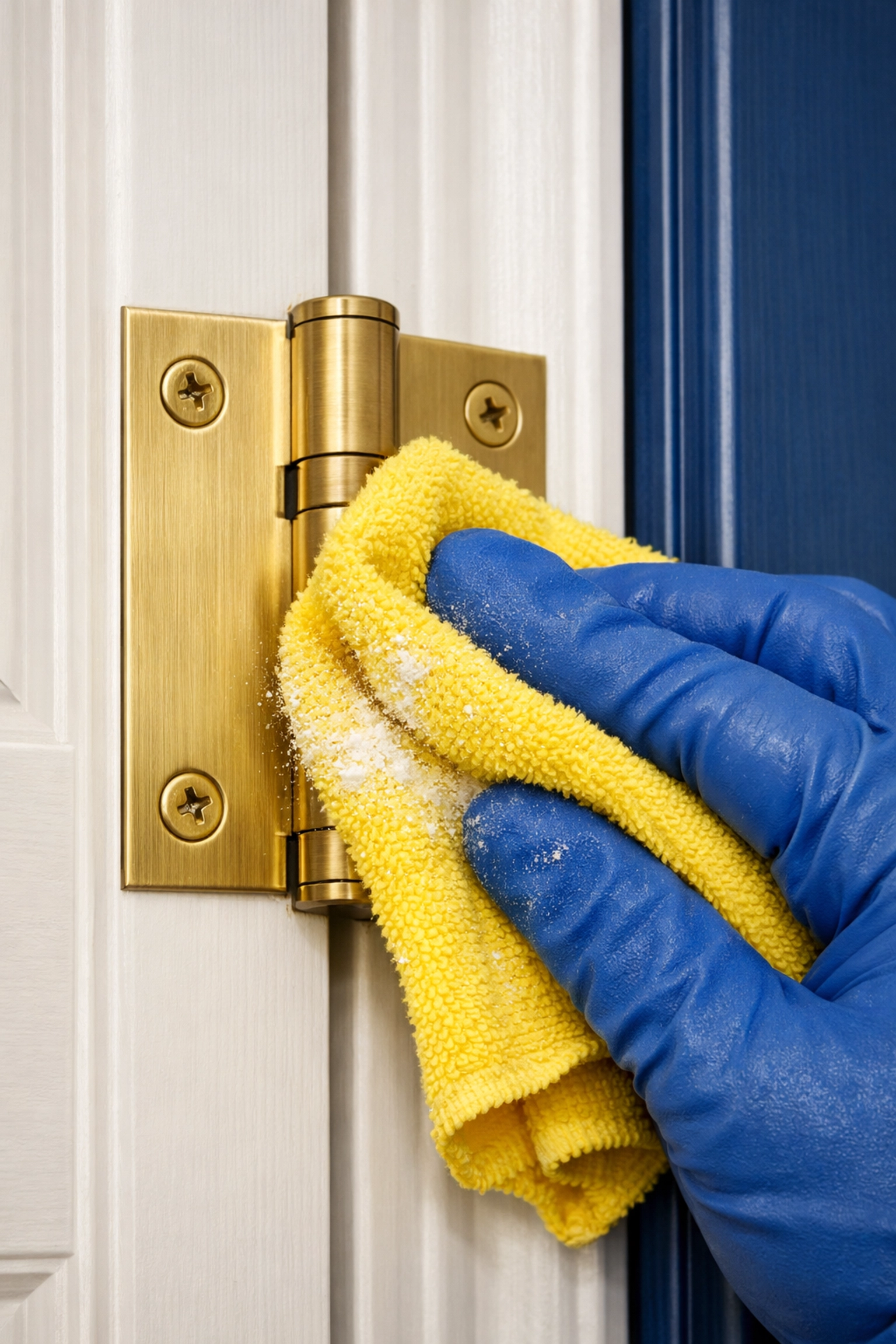
- Door Hinges: Have you noticed your new doors "clicking" or feeling stiff? Dust gets into the hinge grease and creates a gunk that slows them down.
Why DIY Post-Construction Cleaning is Harder Than it Looks
Many homeowners try to handle the post-construction cleanup themselves to save a bit of money. We totally get that! But after a few hours of scrubbing, most people realize that this isn't a standard Saturday morning cleaning.
Standard vacuums often can’t handle drywall dust; the fine particles can actually blow right through the filter and back into the room, or worse, burn out the motor. Professionals use HEPA-filtered vacuums designed to trap those microscopic particles.
Furthermore, the sheer volume of "touch points": like every single outlet in a 3-bedroom house: can be exhausting. If you have 40 outlets and 25 light switches, that’s 65 tiny cleaning projects before you’ve even touched a floor or a window.
The Cleaning Ninjas Inc Difference
If you’re feeling overwhelmed by the "dust that won't die," we are here to help. Our team doesn't just mop and go. We approach every home with a checklist that would make a drill sergeant proud. We treat your light switches, outlet covers, and even the tops of your picture frames with the same care we give your marble countertops.
Whether you need a one-time deep clean after a renovation or you're looking for weekly house cleaning to keep your home's air quality at its peak, we’ve got your back. We love the transformation that happens when a dusty construction zone becomes a sparkling, breathable home.
Final Thoughts: Don't Let the Dust Settle
It might seem like a small thing, but dusting your outlets is the hallmark of a truly clean home. It’s about more than just looks; it’s about safety, longevity of your fixtures, and the peace of mind that comes from knowing every inch of your space has been cared for.
If you’re in the middle of a move or finishing up a project, don't forget the small stuff. And if you’d rather spend your weekend enjoying your new space instead of detailing your electrical plates, give us a call. We’ll bring the microfiber, the HEPA vacs, and the Ninja skills to get the job done right.
Check out more of our cleaning tips to keep your home in tip-top shape, or reach out to us today to schedule your post-construction deep clean!