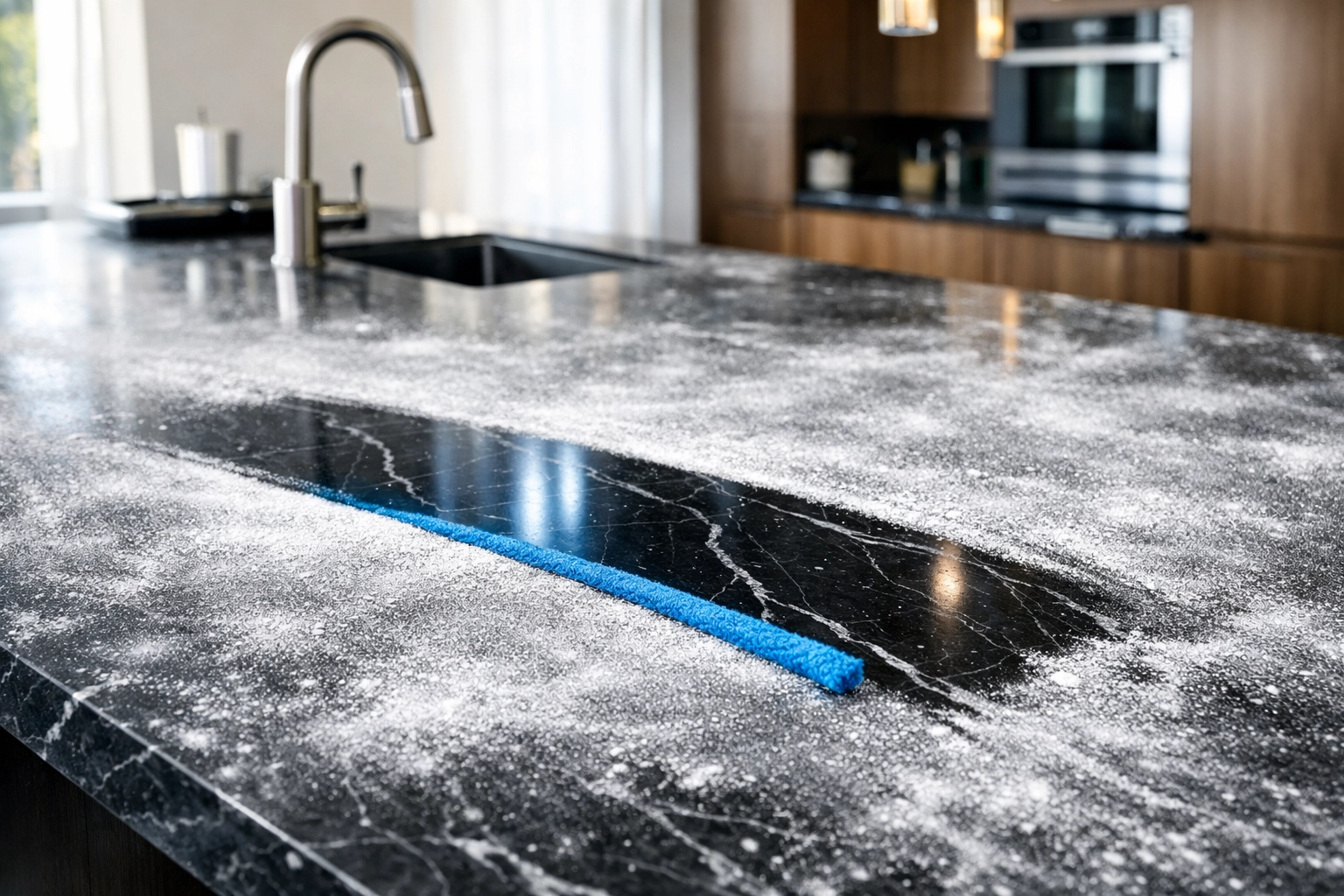
So, you’ve finally reached the finish line of your home renovation. The hammers have stopped swinging, the contractors have packed up their vans, and you are ready to kick back and enjoy your beautiful new space. But then, you see it. A thin, ghostly layer of white dust covering your brand-new countertops. You wipe it away with a paper towel, only to realize five minutes later that it’s back, looking like you never touched it.
Welcome to the world of post-construction residue. It’s not just "dust": it’s a mix of drywall particles, sawdust, concrete grit, and tiny fibers that seem to defy the laws of physics. At The Cleaning Ninjas Inc., we’ve spent years battling this specific type of mess, and if there is one weapon in our arsenal that stands above the rest, it is the humble microfiber cloth.
In this guide, we’re going to dive deep into why microfiber is the "magic wand" of post-construction cleaning and how you can use it to reclaim your home from the clutches of construction debris.
Why Construction Dust is a Different Kind of Beast
Before we talk about the solution, we have to understand the enemy. Construction dust isn't like the regular household dust that settles on your bookshelf over a week. Drywall dust, in particular, is incredibly fine. It’s so small that it can pass right through a standard vacuum filter and settle back into the air, eventually landing on the very surface you just cleaned.
When you use a traditional cotton rag or a paper towel, the fibers are relatively large and flat. Instead of picking up the microscopic dust, these old-school materials tend to just push the dust around. You might get the "big stuff," but you’re essentially just rearranging the fine particles, leaving behind those annoying streaks.
Even worse, some construction residues are abrasive. If you try to scrub sawdust or concrete grit with a rough cloth, you risk scratching your brand-new finishes. This is where the "Ninja Magic" comes in.
The Science of Microfiber: Tiny Fibers, Big Results
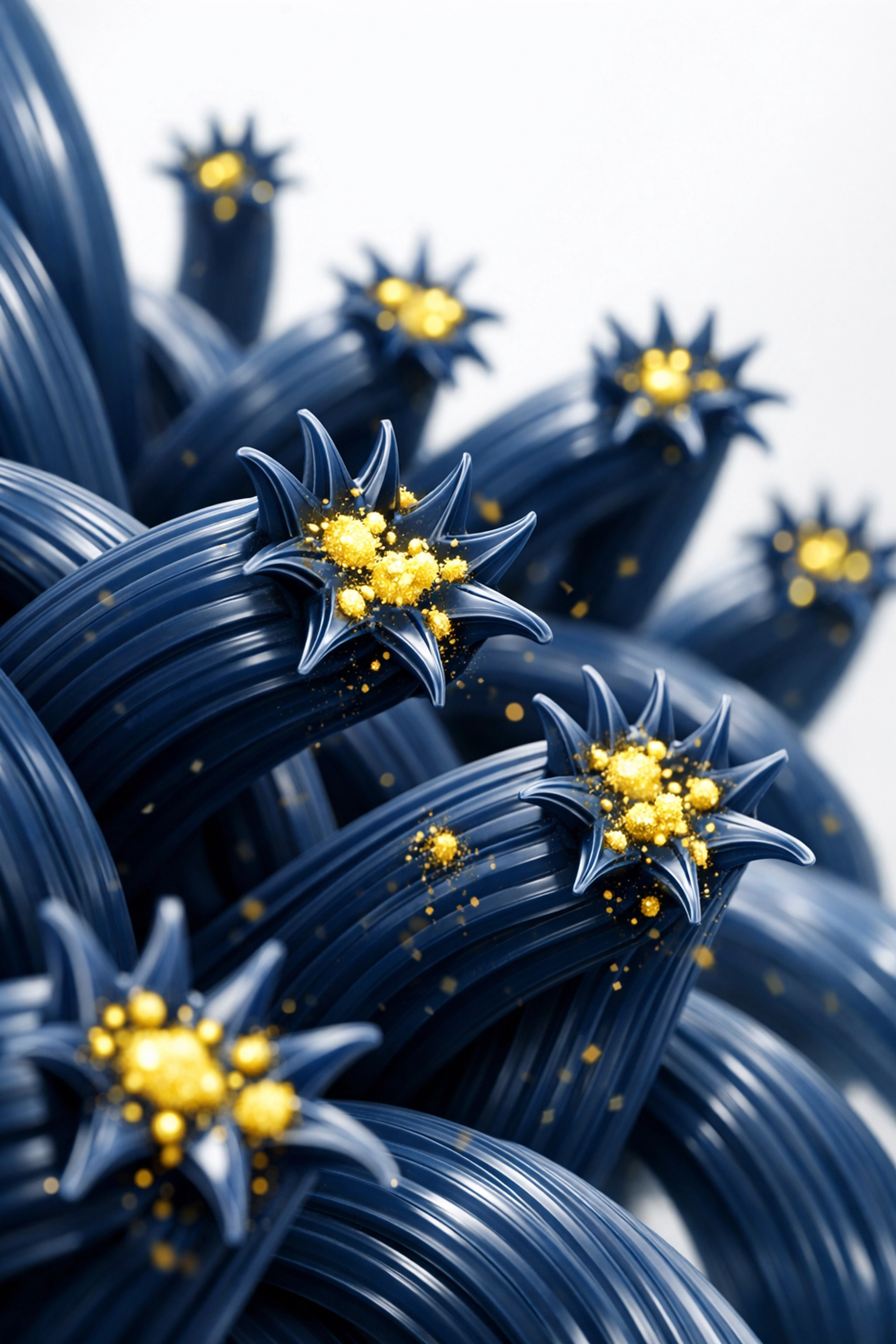
So, what makes microfiber so special? As the name suggests, the fibers are incredibly small: usually about 1/16th the thickness of a human hair. But it’s not just the size that matters; it’s the shape.
Unlike round cotton fibers, microfiber strands are split during manufacturing. This creates a "star" shape with millions of tiny hooks and loops. Think of it like a microscopic Velcro. These channels are designed to grab, trap, and hold onto particles until the cloth is washed.
When you use a microfiber cloth on construction residue, you aren't just moving the dust; you are literally lifting it off the surface and locking it inside the cloth. Plus, because they are made of synthetic materials like polyester and polyamide, they naturally develop a static charge when dry, which acts like a magnet for that stubborn drywall powder.
The Ninja Two-Step: The Ultimate Method for Dust Removal
If you want to clean like a pro, you can't just start wiping at random. At The Cleaning Ninjas Inc., we follow a specific two-step protocol to ensure every speck of residue is gone.
Step 1: The Dry Pass
Before you introduce any moisture, you need to tackle the loose stuff. Using a clean, dry microfiber cloth, gently wipe down the surfaces starting from the top and working your way down. The static electricity in the dry cloth will pull the fine dust out of the air and off the surfaces.
Ninja Pro Tip: Don't press too hard! Let the fibers do the work. If you press too hard, you might grind abrasive grit into your new paint or wood.
Step 2: The Damp Pass
Once the heavy lifting is done, it’s time for the finishing touch. Lightly dampen a fresh microfiber cloth with plain water or a very mild, pH-neutral cleaner. You don't want the cloth to be dripping wet: just barely damp.
This second pass picks up the "ghosting": that faint white film that often reappears after a dry wipe. The moisture helps break the bond between the finest particles and your surfaces, leaving behind a streak-free shine.
Versatility Across Every Surface
One of the reasons we love microfiber so much is that it’s safe for almost everything. In a post-construction environment, you’re dealing with a huge variety of materials, and you don't want to carry ten different types of rags.
- Windows and Mirrors: Microfiber is famous for leaving glass streak-free without the need for harsh chemicals.
- Stainless Steel Appliances: It removes fingerprints and construction smudges without scratching the finish.
- Hardwood and Tile: Microfiber mops are essential for picking up the fine grit that can dull the shine of your new floors.
- Intricate Details: Because the cloths are so pliable, you can get them into the cracks of crown molding, baseboards, and window tracks where dust loves to hide.
To learn more about how we handle these delicate surfaces, check out our About Us page to see our commitment to quality.
A Win for Green Cleaning
At The Cleaning Ninjas Inc., we are big fans of green cleaning. Construction projects already involve plenty of chemicals, fumes, and "new house smells." The last thing you want to do is douse your home in even more heavy-duty cleaners.
Because microfiber is so effective at physically removing bacteria and dust, you can often skip the chemicals entirely. For most post-construction touch-ups, a high-quality microfiber cloth and a little bit of water are all you need. This keeps your indoor air quality high and protects your family (and pets!) from unnecessary chemical exposure. Plus, these cloths are reusable. Instead of going through three rolls of paper towels in a single afternoon, you can wash and reuse a single microfiber cloth hundreds of times.

How to Maintain Your Microfiber Magic
If you want your microfiber to keep performing its ninja-level duties, you have to treat it right. A dirty microfiber cloth is just a rag: you have to keep those "hooks" clean and open.
- Shake it Out: During the cleaning process, take the cloth outside and give it a good shake frequently. This prevents the cloth from becoming "saturated" with dust.
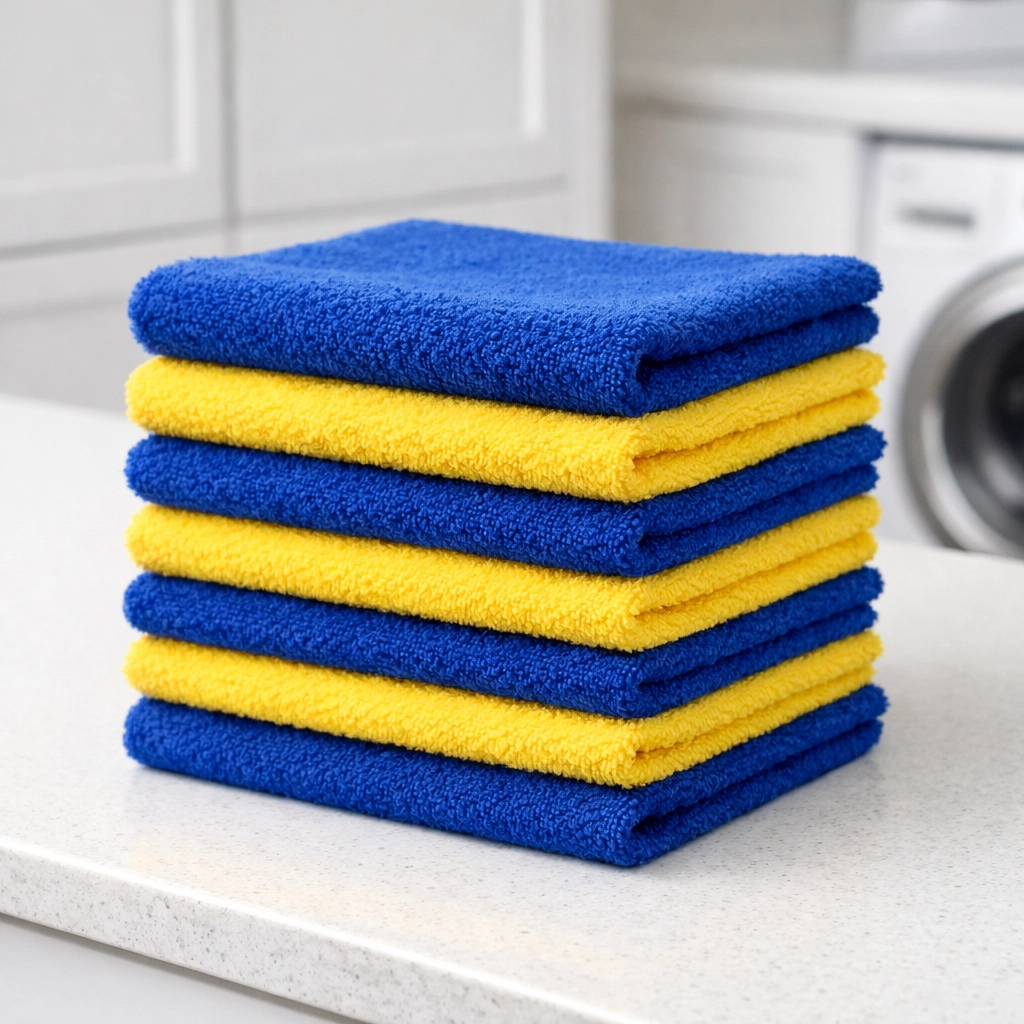
- Color Coding: We recommend using different colors for different areas. Blue for glass, green for general surfaces, and yellow for "heavy" dust areas like baseboards. This prevents cross-contamination.
- The "No-No" List: When it’s time to wash them, never use fabric softener. Fabric softener coats the fibers in a waxy layer, which effectively "clogs" the tiny hooks and ruins the cloth’s ability to trap dust. Also, avoid bleach, as it can break down the synthetic fibers over time.
- Wash Separately: Don't wash your microfiber cloths with cotton towels. The microfiber will do its job and "catch" all the lint from the cotton, leaving you with a fuzzy mess that’s no longer good for cleaning.
When the Dust is Too Much: Calling in the Ninjas
We know that even with the best tools, cleaning up after a renovation can be an overwhelming task. Sometimes the dust is in the vents, behind the appliances, and in places you didn't even know existed.
If you find yourself staring at a mountain of drywall dust and feeling like you need a whole squad of experts, that’s exactly what we’re here for. Our team uses commercial-grade HEPA filtration vacuums and specialized microfiber techniques to ensure your home isn't just "clean-looking," but truly clean and safe to breathe in.
Whether you need a full top-to-bottom post-construction scrub or just some expert advice on how to handle specific residues, The Cleaning Ninjas Inc. is ready to jump into action. You can explore all of our specialized options on our Services page.
Final Thoughts
Post-construction cleaning is all about the details. It’s the difference between a home that looks "finished" and a home that feels truly lived-in and comfortable. By ditching the paper towels and embracing the microfiber magic, you’re taking a huge step toward a cleaner, greener, and more efficient home.
Keep those cloths handy, stick to the two-step method, and don't forget to wash them correctly! Your new home deserves to shine, and with a little microfiber magic, it definitely will.
Happy cleaning, and enjoy your new space! For more tips on keeping your home in tip-top shape, head over to our blog.