There is nothing quite like the feeling of walking into a room that has just been renovated. The fresh paint is pristine, the new flooring looks sharp, and everything feels "new." But then, you take a deep breath. Instead of that crisp, clean air you were expecting, you’re hit with a heavy, chemical scent that lingers in the back of your throat.
At The Cleaning Ninjas Inc, we call this the "New Floor Funk." While some people might call it that "new house smell," the truth is that those odors are often the result of chemical off-gassing. Whether you’ve just installed hardwood, laminate, vinyl, or even new carpeting, those smells can be more than just annoying, they can be a bit overwhelming.
If you’re currently dealing with a post-construction headache (literally and figuratively), don’t worry. You don’t have to live in a bubble or wait months for the smell to dissipate on its own. We’ve rounded up our favorite green, non-toxic ways to neutralize those residual odors so you can actually enjoy your beautiful new space.
What Is That Smell, Anyway?
Before we jump into the "how-to," let’s talk about the "what." Most new flooring materials, adhesives, and finishes contain Volatile Organic Compounds, or VOCs. Common VOCs include things like formaldehyde, benzene, and toluene.
When these materials are manufactured, these chemicals are trapped inside. Once the flooring is installed in your home, it begins a process called "off-gassing," where those chemicals are released into the air as gases. This is most intense in the first few days and weeks after installation. Because modern homes are built to be airtight for energy efficiency, these gases can get trapped inside, leading to that heavy, lingering odor.
The Power of a Good Cross-Breeze
It sounds simple, but the most effective tool in your arsenal is fresh air. Ventilation is the number one way to dilute the concentration of VOCs in your home.
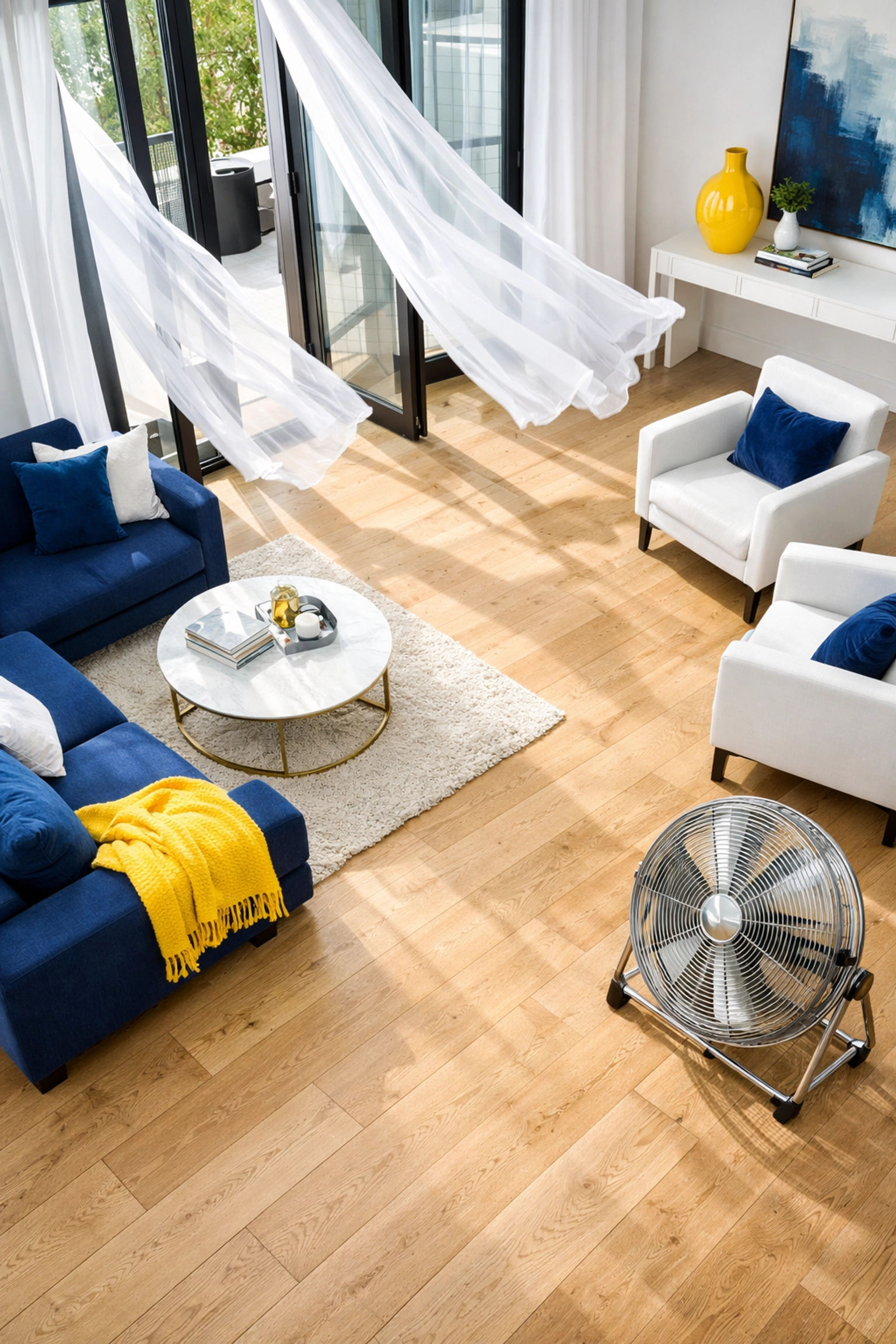
If the weather permits, open every window and door you can. But don't just crack them; you want to create a cross-breeze. Place a box fan in one window facing inward to pull fresh air in, and another fan in a window on the opposite side of the room facing outward to push the stale, smelly air out.
The "Bake-Out" Method
Some experts recommend a "bake-out" to speed up off-gassing. This involves turning up the heat in your home to about 80-85 degrees Fahrenheit for several hours while the house is empty, then opening all the windows to flush the air. The heat helps the chemicals release faster. However, be careful with this if you have sensitive materials or pets, and always ensure you have a plan to vent the house thoroughly afterward.
Baking Soda: Nature’s Odor Sponge
Baking soda is a staple in the Ninja toolkit for a reason. It doesn't just mask smells; it actually absorbs them. This is particularly effective if you’ve recently had new carpeting installed, as the fibers tend to hold onto odors more than hard surfaces.
- Sprinkle Generously: Cover the entire floor area with a light dusting of dry baking soda.
- Let it Sit: Let the baking soda sit for at least 24 hours. If the smell is particularly strong, you can leave it for 48 hours.
- Vacuum it Up: Use a high-quality vacuum with a HEPA filter to pick up all the powder.
For hard surfaces like laminate or luxury vinyl plank (LVP), you can place small bowls of baking soda in the corners of the room. It won't work as quickly as it does on carpet, but it will help pull the odors out of the air over time.
Activated Charcoal: The Silent Warrior
If you want something a bit more powerful than baking soda but just as "set it and forget it," look into activated charcoal. Activated charcoal has a massive surface area that acts like a magnet for VOCs and odors.
You can buy activated charcoal in porous bags (often sold as bamboo charcoal bags) or just buy it in bulk and place it in decorative bowls around the room. Unlike scented candles or air fresheners, charcoal doesn't add any new chemicals to the air: it just removes the bad ones. It’s one of our favorite non-toxic tips we share on our blog.
The Vinegar Solution for Hard Floors
If your new flooring is a hard surface like tile, laminate, or finished hardwood, a quick wipe-down can do wonders. Residue from the manufacturing process or adhesives can sometimes sit on the surface, contributing to the smell.
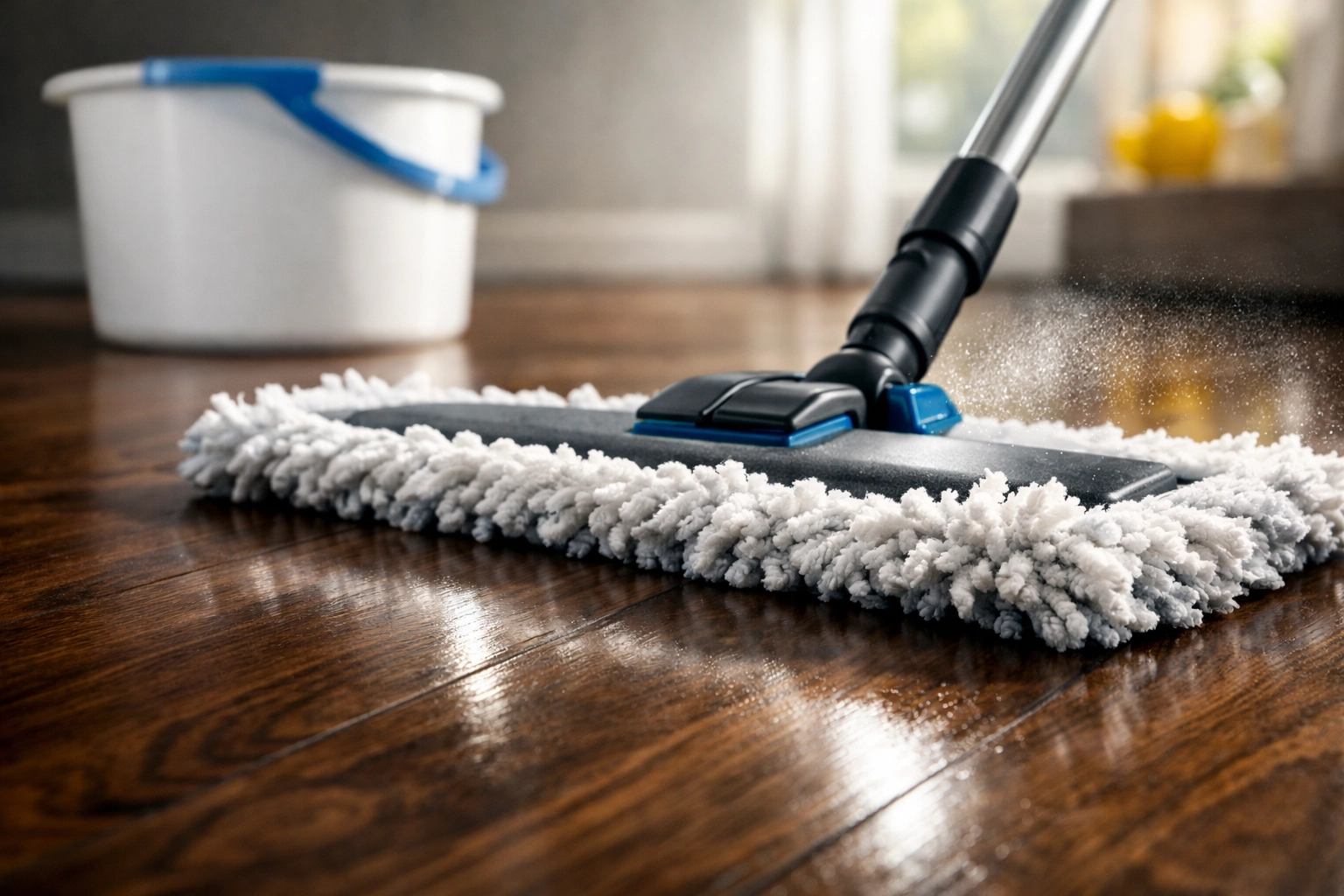
Mix a solution of one part white distilled vinegar to four parts warm water. Dampen a microfiber mop: you want it damp, not soaking wet, especially for wood or laminate: and give the floors a thorough once-over. The vinegar smell will be strong for about 20 minutes, but as it evaporates, it takes many of those factory odors with it.
Why You Need a HEPA Filter
Post-construction cleaning isn't just about the smell; it's about the microscopic dust that comes along with it. Sawdust, drywall dust, and carpet fibers can all hold onto VOCs. If you’re using a standard vacuum, you might just be sucking those particles up and blowing them right back out the exhaust.
A HEPA (High-Efficiency Particulate Air) filter traps 99.97% of particles as small as 0.3 microns. Using a HEPA vacuum ensures that you are actually removing the source of the odors rather than just moving them around. If you've recently had work done, check out our services to see how we handle the heavy lifting of post-construction cleanup.
The Role of Houseplants
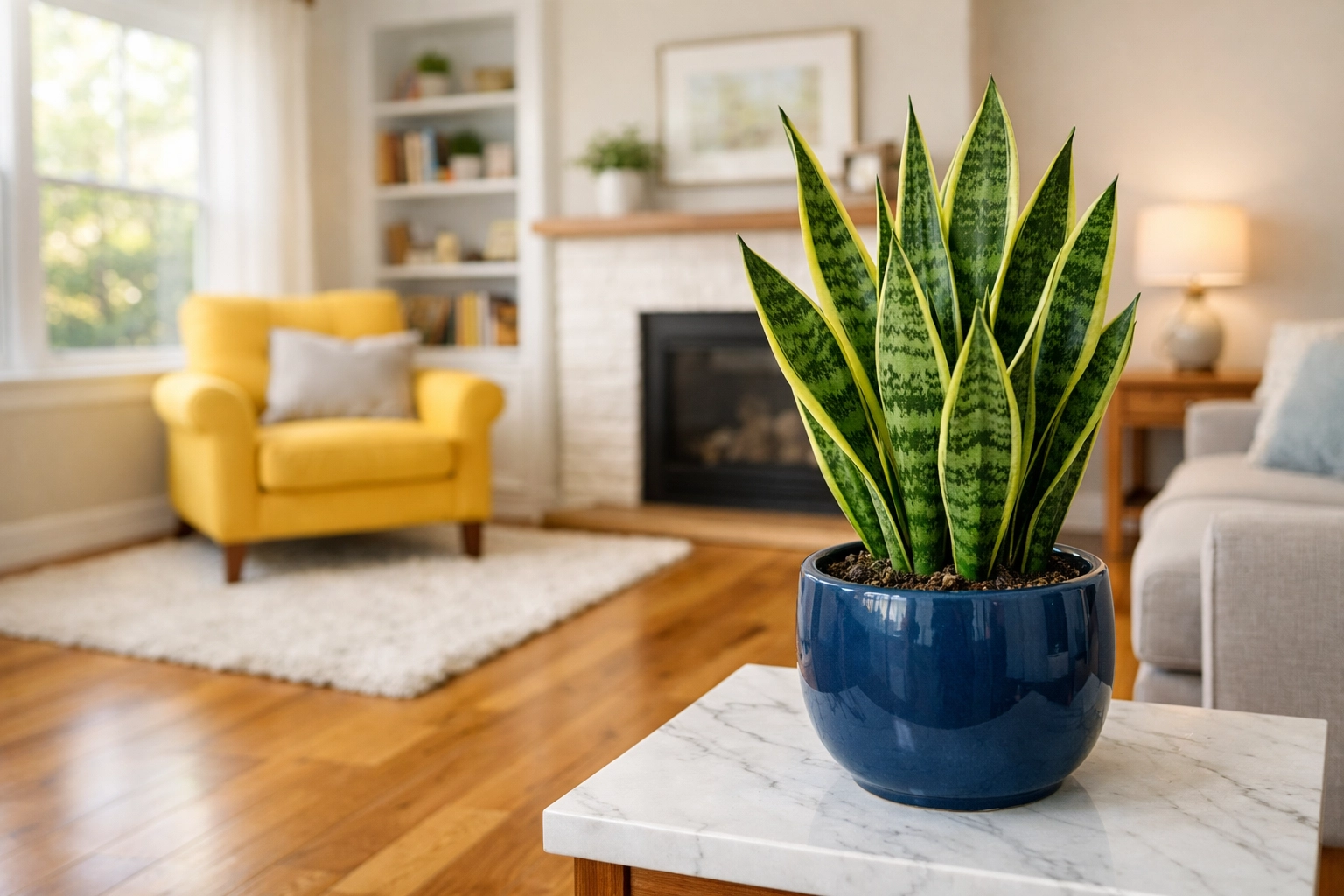
While they won't solve a massive VOC problem overnight, certain houseplants are known for their air-purifying qualities. NASA’s famous Clean Air Study found that plants like Snake Plants, Peace Lilies, and Spider Plants can help filter out formaldehyde and benzene.
Plus, after the stress of a renovation, adding a little greenery to your space is a great way to make it feel like home. Just remember that some plants can be toxic to pets, so choose your green friends wisely!
Using Air Purifiers with Carbon Filters
If you’ve tried ventilation and natural absorbers and the smell is still hanging on, it might be time to bring in the tech. However, not all air purifiers are created equal when it comes to odors.
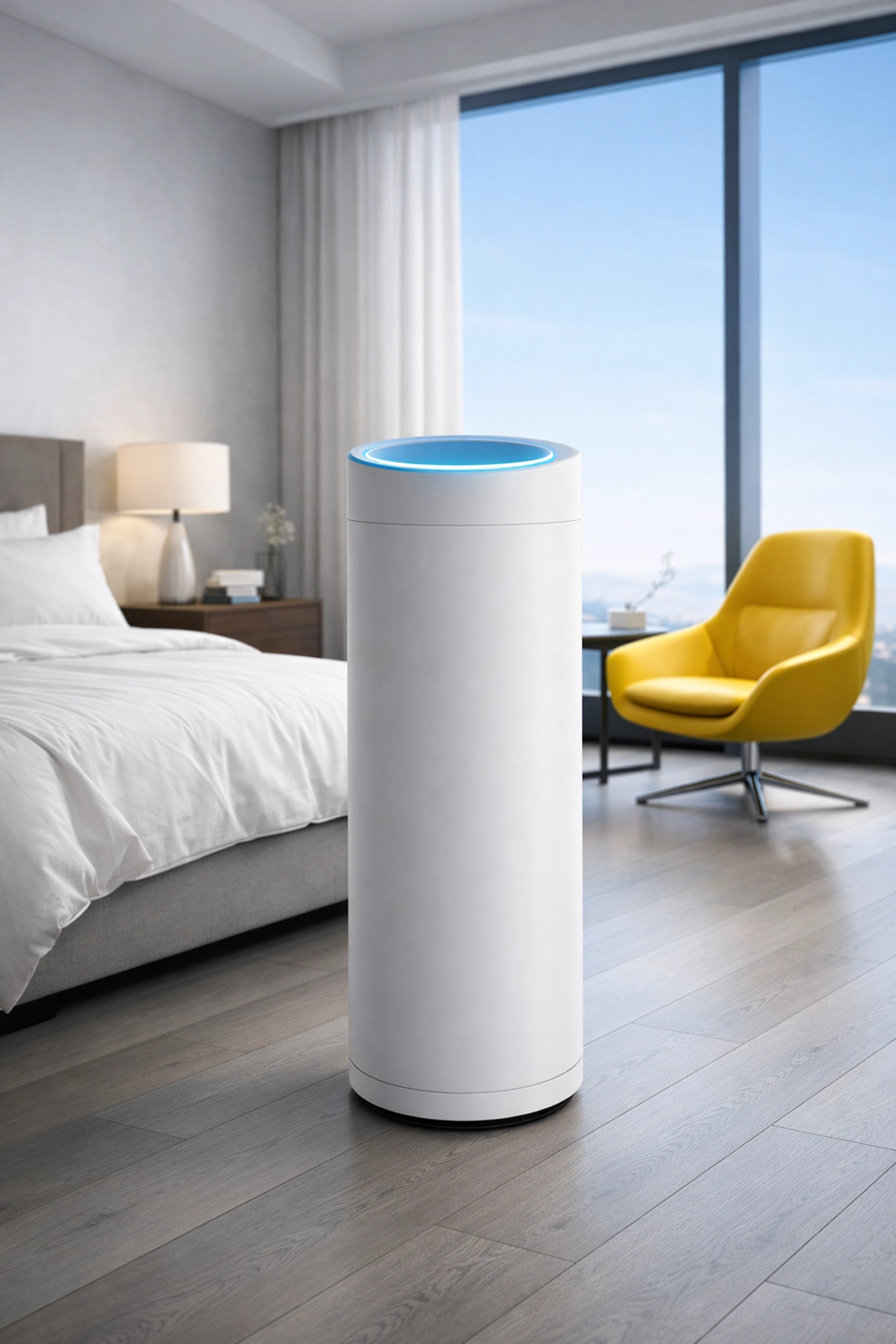
Most standard air purifiers focus on allergens like dust and pollen using HEPA filters. While HEPA is great for particles, it doesn’t stop gases (VOCs). For flooring odors, you need an air purifier with a substantial activated carbon filter. The carbon filter is what specifically targets the gaseous chemicals. Run the purifier on high in the affected room for a few days, and you should notice a significant difference.
Don't Forget the Walls and Trim
Sometimes the "new floor" smell isn't just the floor. If you’ve had a major renovation, the smell is likely a cocktail of floor finish, new baseboards, and fresh paint.
If you suspect the paint is contributing to the scent, you can place sliced onions in bowls of water around the room. It sounds like an old wives' tale, but onions are surprisingly effective at absorbing paint odors. Just don’t eat the onions afterward! Coffee grounds (fresh or used) also work in a similar way to neutralize the sharp scent of paint and wood finishes.
How Long Should You Wait?
We get asked this a lot at The Cleaning Ninjas Inc: "When will my house smell normal again?"
Generally, the bulk of off-gassing happens within the first 72 hours. However, depending on the material and the ventilation in your home, a faint scent can linger for weeks. By using the green methods mentioned above: especially the ventilation and baking soda: you can usually cut that time in half.
A Quick Safety Note
If the odors are causing physical symptoms like headaches, dizziness, or itchy eyes, it’s important to increase ventilation immediately and spend time outside the room. If you have a newborn, elderly family members, or pets with respiratory issues, it's often best to keep them out of the newly floored area for at least the first 48 to 72 hours while the most intense off-gassing occurs.
Breathe Easy
Installing new flooring is a big investment and an exciting upgrade for your home. Don't let the temporary "New Floor Funk" ruin the experience! By using these non-toxic, Ninja-approved methods, you can clear the air and get back to enjoying your beautiful space.
Remember, the goal is to remove the odors, not just cover them up with heavy perfumes or "air freshener" sprays that only add more chemicals to the mix. Stick to the basics: air it out, absorb the gases, and keep the surfaces clean.
If you're feeling overwhelmed by the dust and debris left behind after your flooring project, remember that we’re here to help. You can learn more about our team and our approach to a healthy home on our About Us page. Happy decorating, and breathe deep!