You’ve finally done it. The contractors have packed up their tools, the plastic sheets have been pulled down, and your home renovation is officially complete. Or maybe you’ve just signed the papers on a brand-new build and you’re standing in your pristine living room for the first time. It’s an exciting moment, but as you take a deep breath to soak it all in, you’re hit with it: that sharp, slightly sweet, unmistakably chemical "new house smell."
While we’ve been conditioned to associate that scent with "new and clean," the truth is a little less refreshing. At The Cleaning Ninjas Inc, we spend a lot of time helping homeowners transition from a construction zone to a livable sanctuary, and one of the biggest hurdles is air quality. That "new" smell isn't just a scent; it’s the result of off-gassing from paints, glues, flooring, and cabinetry.
If you want to move in without the headache (literally), you need a ninja-level strategy for freshening up your indoor air. Here’s how we handle the post-construction air quality blues.
Understanding the "New House Smell" (VOCs)
Before we can clear the air, we have to know what we’re fighting. Most of that new house smell comes from Volatile Organic Compounds, or VOCs. These are chemicals like formaldehyde, benzene, and toluene that are used in the manufacturing of building materials.
When these materials are fresh: think new hardwood finish, fresh coats of paint, or the adhesive under your new tiles: they release these chemicals into the air through a process called off-gassing. This process is most intense in the first few weeks after installation, but it can actually continue for months or even years at lower levels.
For some people, these VOCs can cause scratchy throats, headaches, or even dizziness. That’s why our team at The Cleaning Ninjas Inc prioritizes air quality just as much as we prioritize sparkling countertops.
Step 1: The Ultimate Ventilation Strategy
The single most effective way to clear out chemical odors is also the simplest: move the air. But we’re not just talking about cracking a window for twenty minutes. You need a tactical approach to ventilation.
The 72-Hour Flush
If possible, you should provide maximum ventilation for at least 72 hours after construction ends and before you move your furniture in. This is the "Golden Window" where the most intense off-gassing happens. Open every window and door that has a screen.
The Box Fan Trick
Don't just wait for a breeze. You can create a "pressure barrier" by placing a standard box fan in a window, blowing outward. This pull-and-push method forces the indoor air (and the pollutants) out of the house, while drawing fresh air in from other open windows. It’s an old-school ninja trick that works wonders for clearing out paint fumes and floor sealant smells.

Step 2: Tech Up with Air Purifiers
While ventilation is great, sometimes the weather doesn’t cooperate, or you live in a high-traffic area where opening windows brings in more smog than fresh air. This is where technology steps in.
Activated Carbon is Your Best Friend
When most people think of air purifiers, they think of HEPA filters. HEPA filters are amazing for catching construction dust and microscopic particles (which we definitely recommend during post-construction cleaning), but they don't actually stop gases or odors.
To tackle the "new house smell," you need an air purifier with a heavy-duty activated carbon filter. Carbon filters are porous and specifically designed to trap VOCs and chemical vapors. If you’ve just done a major renovation, run these purifiers on high 24/7 for the first week. Just keep an eye on the filters; they can saturate quickly when chemical levels are high.
Step 3: Don’t Forget the HVAC System
Your home’s heating and cooling system is the lungs of the house. During a renovation, that system often sucks up fine drywall dust and sawdust, which then gets trapped in the ducts and filters. Every time the AC kicks on, it recirculates that "construction" air.
- Change the Filter Immediately: As soon as the dusty work is done, swap out your HVAC filter. Look for a high MERV rating or a HEPA-equivalent filter designed to catch fine particles.
- Check the Ducts: If the renovation was particularly messy (like a full kitchen gut), you might want to look into professional duct cleaning to ensure you aren't living with hidden dust for the next five years.
Step 4: The Power of Greenery
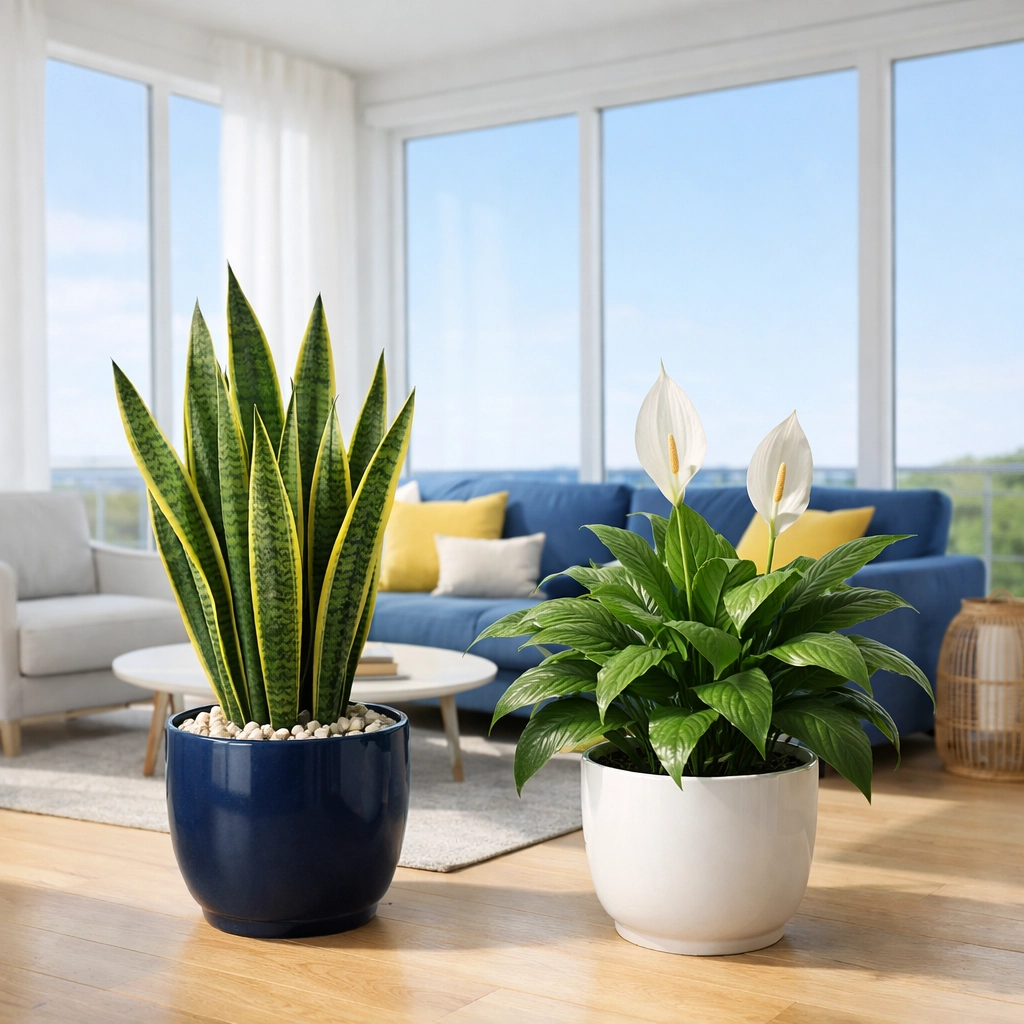
If you're looking for a more "Zen" way to clean your air, nature has provided its own set of air scrubbers. Certain indoor plants are famous for their ability to absorb toxins through their leaves and roots.
- Peace Lilies: These are beautiful and great at breaking down carbon monoxide and formaldehyde.
- Bamboo Palms: Excellent at filtering out benzene and trichloroethylene.
- Snake Plants: These are nearly impossible to kill and are great at filtering out formaldehyde, which is common in new cabinetry and particle board.
While a few plants won't replace a high-powered air purifier, they add a layer of natural filtration and make your new space feel like a home. Plus, they look great on those new windowsills!
Step 5: Natural Odor Absorbers
You don’t always need harsh chemical air fresheners to get rid of chemical smells. In fact, adding more chemicals to the air (like synthetic floral scents) often just masks the problem and adds to the VOC load. Instead, try these natural Ninja-approved methods:
The Citrus and Salt Soak
Grab a few bowls and fill them with water. Add several slices of fresh lemon or orange and about a quarter cup of salt. Place these bowls in the corners of newly painted rooms. The salt and water help absorb odors, while the citrus adds a faint, natural freshness. Leave them overnight and dump them in the morning.
The Spice Simmer
If the kitchen is finished and the stove is hooked up, simmer a pot of water with cinnamon sticks, cloves, and vanilla extract. It won't remove the VOCs, but it provides a warm, comforting scent that helps neutralize the "sterile" smell of a new build without using aerosol sprays.
Step 6: The "Deep Surface" Clean
A big part of why a new house continues to smell is because VOCs and fine dust settle on surfaces. Even if the air feels clear, the smell can linger in the dust sitting on top of door frames, inside cabinets, and along baseboards.
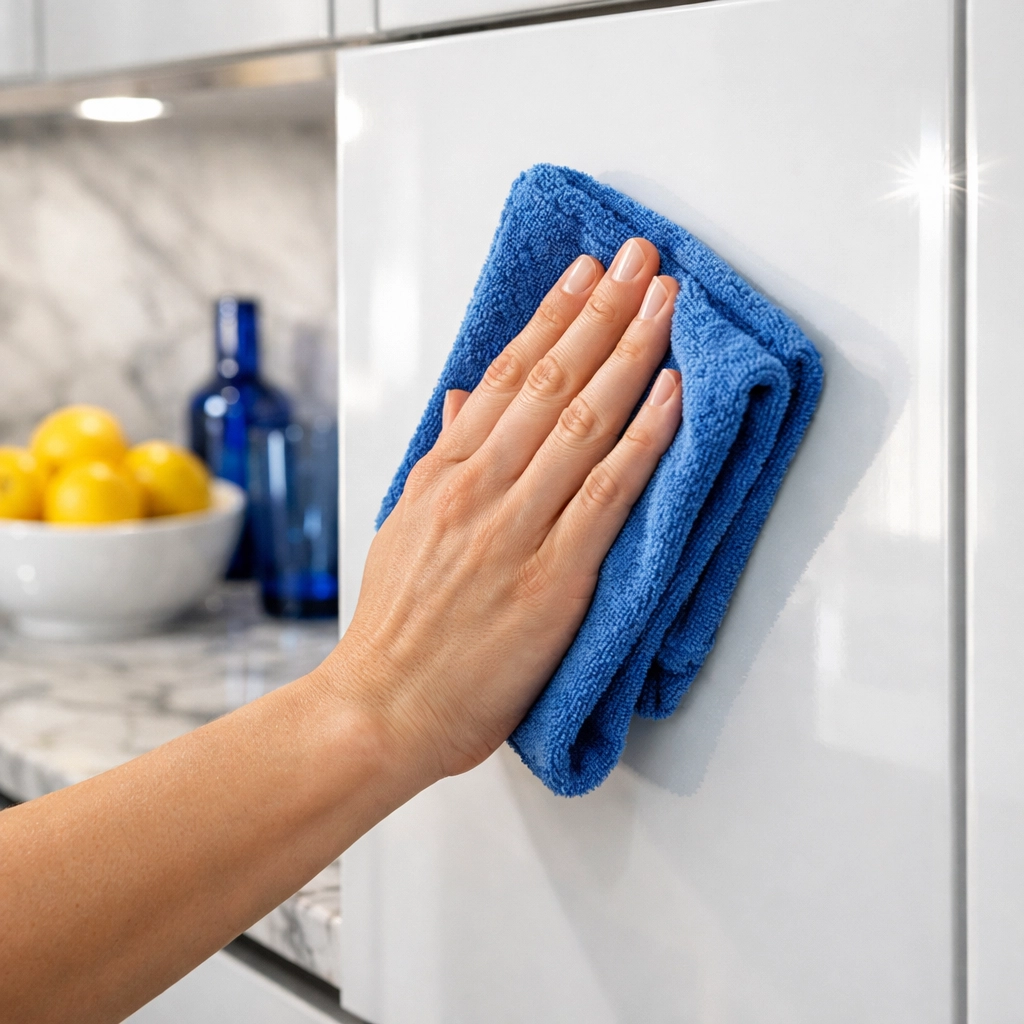
This is where a professional touch makes a difference. In our sanitization services, we focus on a "top-to-bottom" wipe down. This includes:
- Wiping down the inside of all new cabinetry (wood finishes off-gas heavily inside enclosed spaces).
- Cleaning the tops of ceiling fan blades.
- Wiping down walls with a damp microfiber cloth to remove "clinging" dust.
When you remove the physical particles, you remove a significant portion of the odor's "home base."
Breathe Easy with The Cleaning Ninjas
Moving into a new or renovated home should be a breath of fresh air, literally. By combining heavy-duty ventilation, the right filtration technology, and some natural tricks, you can banish that "new house smell" and start enjoying your space safely.
If the post-construction cleanup feels like a bit too much for one person to handle, don't worry. We’ve got the masks, the HEPA vacs, and the ninja skills to get your home move-in ready. Whether you need a one-time deep clean or ongoing cleaning tips, we’re here to help.
Ready to clear the air? Check out our services to see how we can help you make your new house feel (and smell) like home. You can also learn more about us and our commitment to making every home a healthy sanctuary.
Keep it clean, keep it fresh, and enjoy your new space!