There is nothing quite like the feeling of finally finishing a home renovation or moving into a brand-new build. Everything looks crisp, the lines are clean, and those new floors, whether they are sleek hardwood, plush carpet, or modern laminate, are the star of the show. But once the contractors pack up their tools and the dust settles, many homeowners are met with an unexpected guest: a strong, chemical-like smell.
At The Cleaning Ninjas Inc, we call this the "New Floor Funk." While some people find the scent of new materials refreshing, for many, it can be overwhelming, causing headaches or just making the space feel less than "homey." These odors are usually the result of off-gassing, a process where Volatile Organic Compounds (VOCs) are released from the adhesives, finishes, and the materials themselves.
If you’re currently holding your nose while admiring your new living room, don't worry. You don’t have to just "wait it out" for months. As experts in post-construction cleaning, we’ve gathered the best ninja-approved tips to help you neutralize those odors and clear the air using natural, safe methods.
Understanding the Culprit: What is Off-Gassing?
Before we jump into the solutions, it helps to know what you’re dealing with. Most new flooring materials, especially synthetic carpets, engineered wood, and vinyl, undergo a manufacturing process that involves glues, fire retardants, and finishes. When these products are installed in your home, they begin to release gases into the air. This is off-gassing.
The "new" smell is actually a cocktail of chemicals like formaldehyde, benzene, and toluene. While modern regulations have reduced the levels of these chemicals significantly, they can still linger in high concentrations right after installation. This is why focusing on air quality isn't just about the smell; it’s about making your home environment healthier for your family and pets.
Strategy 1: The Power of Massive Ventilation
The absolute best thing you can do for a smelly new floor is to give it plenty of fresh air. Think of it as letting your house "breathe."
The Cross-Breeze Technique
Don't just open one window. To really move the air, you need a cross-breeze. Open windows on opposite sides of the house or room. This creates a natural pressure difference that pulls fresh air in and pushes the "stale," chemical-laden air out.
The Fan Force-Multiplier
If the air is still, help it along with fans. Pro tip: Place a box fan in one window facing outward. This acts as an exhaust, sucking the indoor air out. Then, open another window on the opposite side to draw fresh air in. If you have ceiling fans, keep them running 24/7 for the first week.

Strategy 2: Natural Odor Absorbers (The Ninja's Secret Weapons)
You don’t need heavy chemical sprays to mask the smell of… well, other chemicals. In fact, adding more synthetic fragrances can often make the air quality worse. Instead, look to your pantry.
Baking Soda: The All-Purpose Neutralizer
Baking soda is a miracle worker when it comes to absorbing odors rather than just covering them up.
- For Carpets: If your new carpet is the source of the smell, sprinkle a thin, even layer of baking soda over the entire surface. Let it sit for at least 24 hours (or as long as you can manage) before vacuuming it up. It helps pull those VOCs right out of the fibers.
- For Hard Surfaces: Place small bowls of baking soda in the corners of the room. It will silently work to pull odors out of the air.
Activated Charcoal
This is one of our favorite recommendations at The Cleaning Ninjas Inc. Activated charcoal is much more porous than regular charcoal and is specifically designed to trap toxins and odors. You can buy "bamboo charcoal bags" online or at hardware stores. Toss a few of these around the room: inside closets, under furniture, or near baseboards. They are reusable and incredibly effective at scrubbing the air.
White Vinegar Bowls
It might seem counterintuitive to use something that has its own strong scent, but white vinegar is an acetic acid that neutralizes alkaline odors. Place a few bowls of white vinegar around the room overnight. By morning, the vinegar scent will have dissipated, and it will have taken a good chunk of the flooring odor with it.
Strategy 3: High-Tech Air Purification
If you’re sensitive to smells or have allergies, natural absorbers might need a little tech boost. However, not all air purifiers are created equal when it comes to flooring odors.
The Importance of Carbon Filters
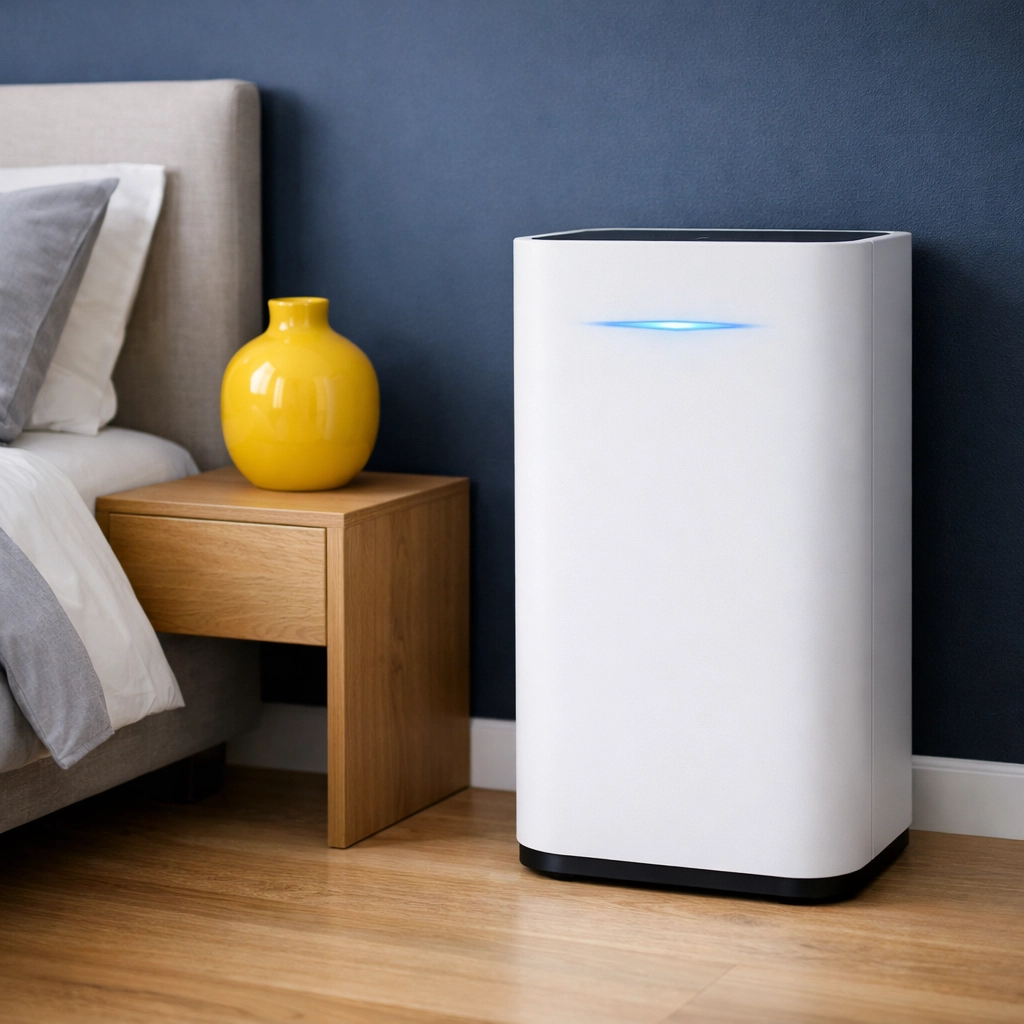
Most standard air purifiers focus on HEPA filters, which are great for catching dust and pet dander (the "particles"). But VOCs are gases, and HEPA filters can't catch them. To get rid of the "new floor" smell, you need an air purifier with a thick Activated Carbon Filter. This layer is specifically designed to trap gas molecules. Run the purifier on high for the first 72 hours post-installation for the best results.
Strategy 4: Environmental Control (Temperature and Humidity)
Did you know that heat and moisture can actually speed up the off-gassing process? While you might think that's a good thing (getting it over with faster), it can make the smell unbearable in the short term.
The "Bake-Out" Method
Some pros suggest a "bake-out." This involves turning the heat up to about 80°F for a day while the house is empty, which forces the flooring to release its VOCs faster. Warning: After the "bake," you must ventilate the house thoroughly before staying inside. Also, always check with your flooring manufacturer first, as extreme heat can sometimes damage certain adhesives or finishes.
Stay in the Sweet Spot
For general living, try to keep your home between 68-72°F with a humidity level around 45-55%. High humidity can make odors feel "heavy" and more noticeable. A dehumidifier can be a great ally during the first few weeks of new flooring.
Strategy 5: Strategic Post-Construction Cleaning
Sometimes the smell isn't just the floor itself, but the residue left behind. Fine construction dust can trap odors and keep them lingering longer than they should.
The HEPA Vacuum Advantage
Regular vacuums often suck up fine dust and blow it right back out the exhaust. When cleaning up after a floor installation, use a vacuum equipped with a HEPA filter. This ensures that the microscopic particles: and the odors attached to them: stay trapped in the machine.
Damp Mopping (The Right Way)
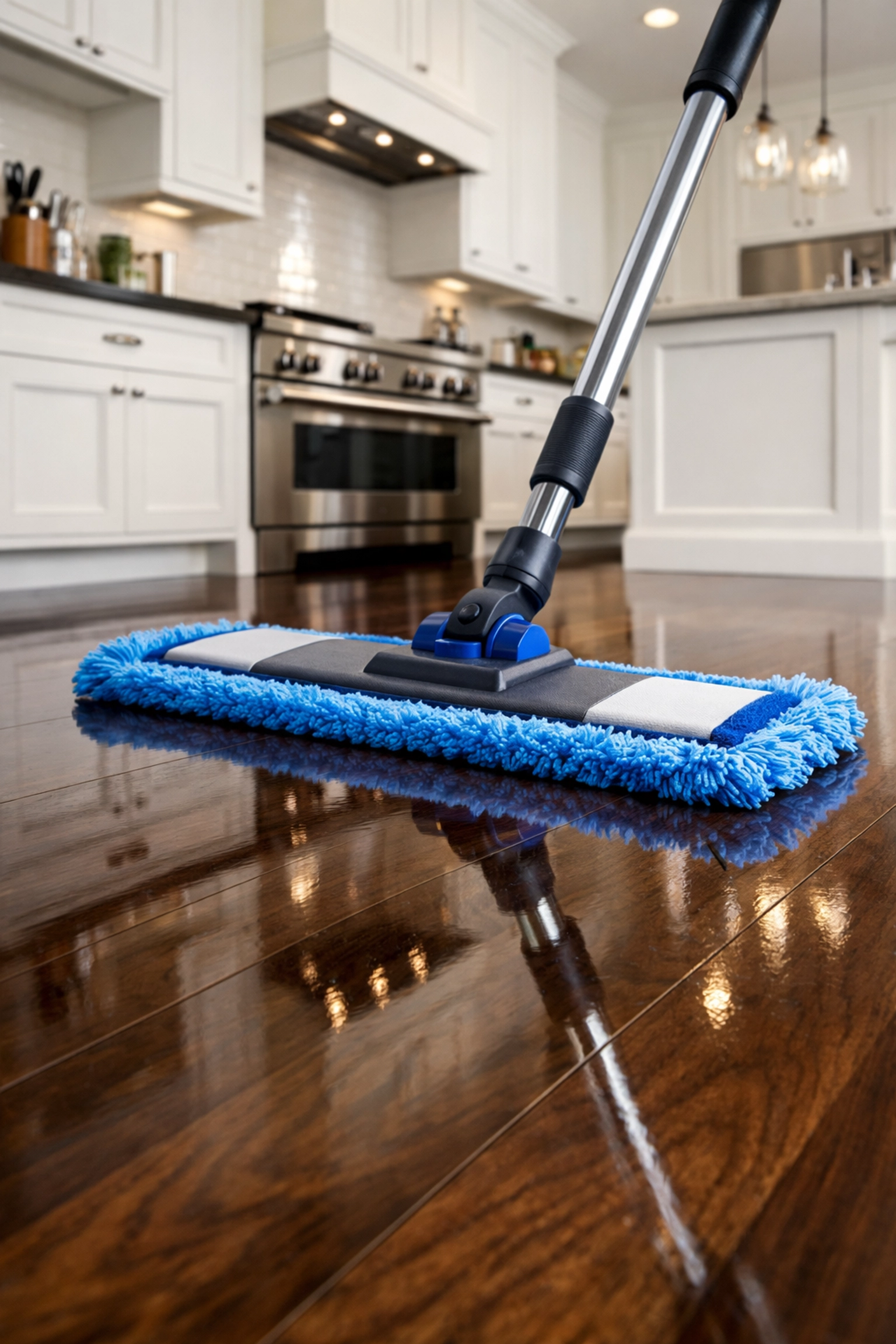
For hardwood, tile, or laminate, a damp mop can help "lock" the dust and remove any leftover film from the manufacturing process. Use a simple solution of water and a few drops of mild, pH-neutral soap. Avoid harsh chemical cleaners or waxes during the first month, as these can actually trap the VOCs under a seal, prolonging the off-gassing period.
When to Call in the Pros
Post-construction cleaning is a beast of its own. Between the fine white dust that seems to appear out of nowhere and the chemical odors that won't quit, it can be overwhelming for a homeowner to handle alone.
While the DIY tips above will definitely help, sometimes you need a deep, systematic clean to truly reset your home’s environment. Our team at The Cleaning Ninjas Inc specializes in the kind of detailed cleaning that targets these specific post-reno issues. From wiping down every vertical surface (where dust and odors often cling) to using professional-grade equipment, we help you get to that "fresh home" feeling faster. You can learn more about our philosophy on our About Us page.
Final Thoughts: Patience is a Virtue
Ultimately, time is the biggest factor. Most flooring will finish the bulk of its off-gassing within the first few weeks. By using a combination of ventilation, natural absorbers like baking soda, and maintaining a clean environment, you can drastically reduce that timeline and start enjoying your beautiful new space.
Don't let a little residual odor dampen the excitement of your home improvement project. Open those windows, grab some charcoal bags, and let the fresh air in!
If you need help getting your home back to a sparkling, odor-free state after a big project, check out our services to see how we can help you cross "deep cleaning" off your to-do list.