We’ve all been there. You’re standing in the checkout line, feeling like an absolute eco-warrior because you remembered your reusable bags. You’ve got the canvas ones for the heavy stuff, the insulated one for the frozen peas, and that one random bag from a convention five years ago that’s somehow still holding on. It feels good to save the planet, one plastic bag at a time. But here’s the thing: when was the last time you actually cleaned those bags?
If your answer is "never" or "only when a carton of eggs broke in it," don’t worry, you’re in the majority. However, at The Cleaning Ninjas Inc, we like to look at the things most people overlook. Reusable bags are fantastic for the environment, but they are also absolute magnets for bacteria, yeast, mold, and some nasty food-borne illnesses like E. coli and Salmonella.
Think about it. You put raw chicken in there. Then you put loose apples in there. Then you store the bags in the trunk of your car, which gets hot and humid, basically a spa day for germs. Keeping these bags germ-free is a crucial part of maintaining a healthy home, right alongside your weekly house cleaning routine.
Why Your Reusable Bags Need a Ninja Deep Clean
Research shows that most people rarely wash their grocery bags. In some studies, researchers found large amounts of bacteria in almost all reusable bags they tested. Why? Because cross-contamination is real. When you toss a package of ground beef into a bag, there’s a high chance of "leakers." Even if you can’t see it, microscopic juices can seep into the fabric or the seams of the bag.
The next time you go shopping, you might put your fresh kale or a loaf of bread in that same spot. Suddenly, your "healthy" groceries are hitching a ride with some unwanted microbial guests. If you’re already investing in a bi weekly house cleaning to keep your kitchen counters and floors sanitized, it only makes sense to extend that level of care to the tools you use to bring food into your home.
Step 1: Sorting Your Bags by Material
Not all bags are created equal. You can’t just toss everything into the heavy-duty cycle of your washing machine and hope for the best. Some will survive; others will come out looking like a shredded mess.
Fabric, Canvas, and Cotton Bags
These are the MVPs of the reusable world. They are durable, breathable, and, best of all, usually machine washable. Because they are made of natural fibers, they absorb liquids easily, which means they need the most frequent cleaning.
The Ninja Way: Toss these in with your regular laundry. Use hot water to ensure you’re actually killing the bacteria. If you’re worried about shrinkage, you can use a medium setting, but hot is the gold standard for sanitization. Use an eco-friendly laundry detergent to keep things green.
Plastic (Non-Woven Polypropylene) Bags
These are the most common type of reusable bags, the ones you usually buy for a dollar at the register. They feel a bit like fabric but are actually made from recycled plastic. You’ll know them by their slightly textured, "waffle" look.
The Ninja Way: Do NOT put these in the dryer. They will melt and ruin your machine. Instead, wash them by hand in the sink with warm, soapy water. If you’re short on time, you can spray them down with a disinfectant and wipe them clean.
Laminated Bags
These are the shiny, stiff bags that often have colorful designs or store logos on them. They are great because they are somewhat water-resistant, but they still have seams where juices can hide.
The Ninja Way: These are easy-peasy. Just wipe them down with a disinfecting wipe or a cloth dipped in warm soapy water. Make sure to get into the corners!
Insulated Bags
The heavy-duty ones that keep your milk cold and your rotisserie chicken hot are essential. Because they deal with temperature-sensitive foods, they are prime candidates for mold and bacteria growth.
The Ninja Way: Wipe these out after every single use. Since they usually have a foil or plastic lining, a quick spray of a natural cleaner does wonders.
The Cleaning Ninjas’ Secret DIY Sanitizing Spray
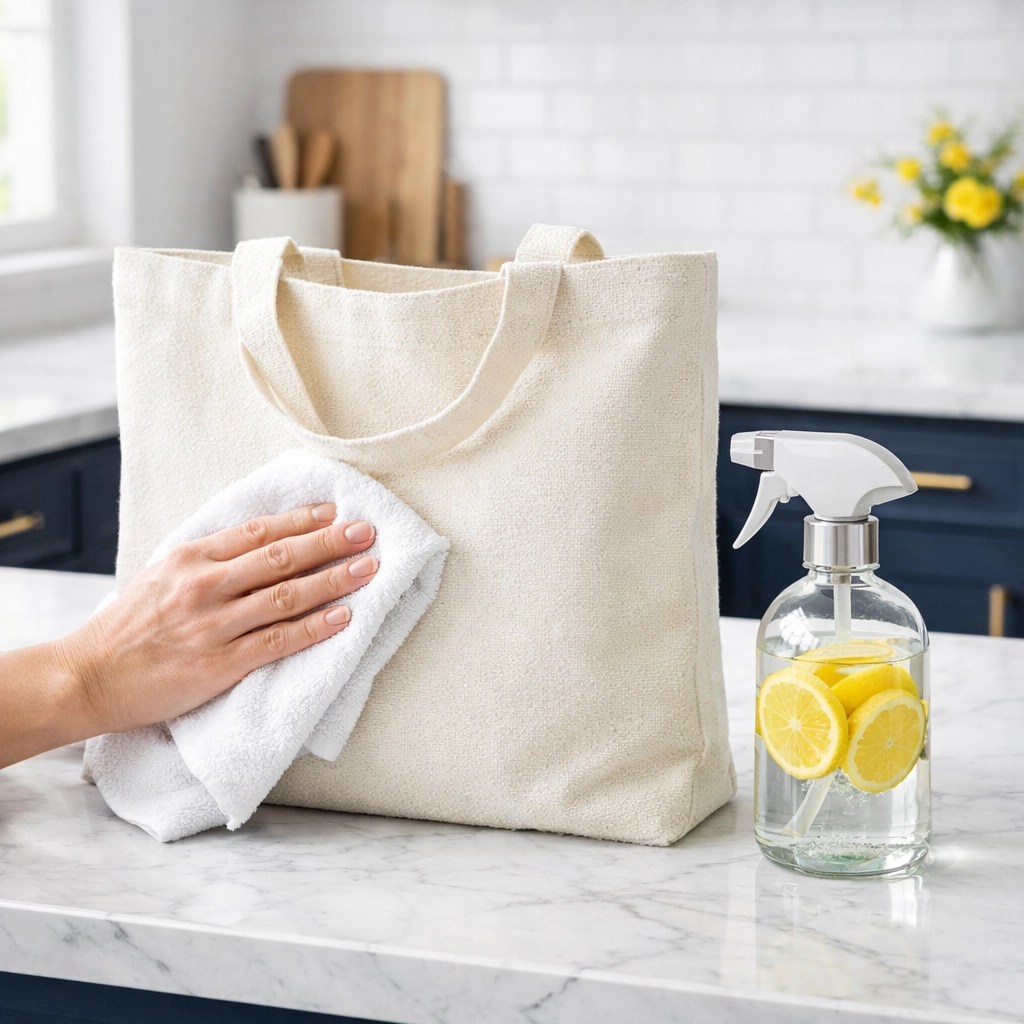
At The Cleaning Ninjas Inc, we’re big fans of eco-friendly solutions. You don't always need harsh chemicals to get a "ninja-clean" result. Here is a simple, natural recipe you can keep in a spray bottle in your kitchen or car to mist your bags after a shopping trip.
The "Green & Clean" Bag Spray:
- 2 cups of water
- 1/4 cup of lemon juice (the acidity helps break down grime and acts as a mild disinfectant)
- 1/2 cup of white vinegar (the ultimate natural germ-killer)
- 10 drops of tea tree oil (optional, for extra anti-bacterial power and a fresh scent)
Simply mix these in a spray bottle, give it a shake, and mist the inside of your bags. Wipe them down with a clean microfiber cloth and let them air dry. It’s a great habit to start between your weekly house cleaning visits.
Best Practices to Prevent Cross-Contamination
Cleaning your bags is only half the battle. The other half is smart organization. Professional cleaners, and ninjas, know that prevention is better than a cure.
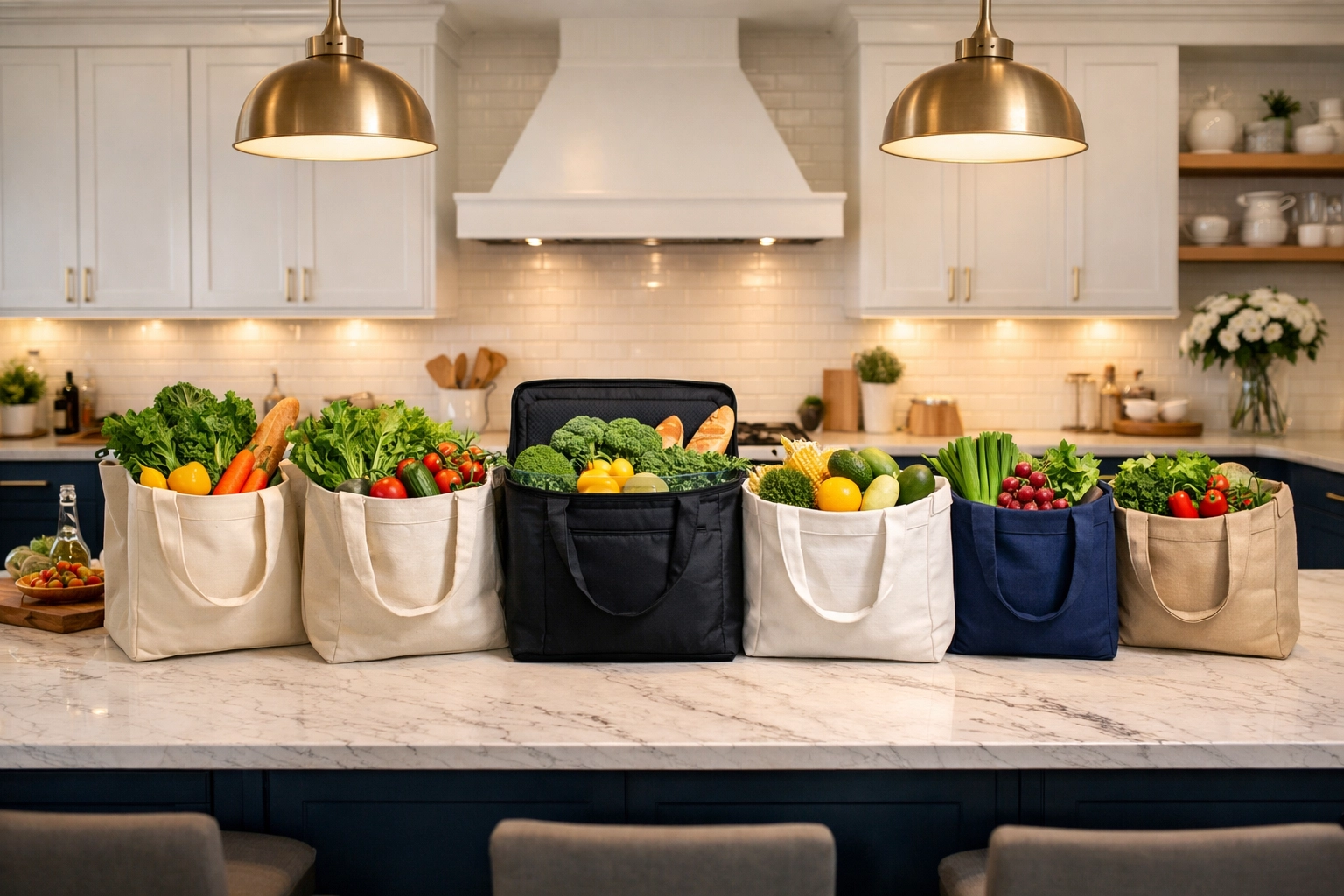
- Designate Your Bags: Use specific bags for specific items. Have a dedicated "meat bag" (ideally a plastic or laminated one that's easy to wipe), a "produce bag," and a "dry goods bag." You can even use a permanent marker to label the handles so you never mix them up.
- The "Pre-Bag" Trick: Even though you’re using a reusable bag, don't be afraid to use the small clear plastic bags in the meat department for leaky packages of chicken or fish. It adds an extra layer of protection to keep your reusable bag clean.
- Flip Them Inside Out: When cleaning or drying, always flip your bags inside out. This ensures that the crumbs and moisture trapped in the bottom seams are actually dealt with.
- Air Dry is Key: Never, ever fold up a damp bag and put it away. That is a recipe for a mold colony. Hang them over a chair or on a drying rack until they are bone-dry.
- Don’t Forget the Car: If you keep your bags in the trunk, remember that heat accelerates bacteria growth. Try to bring your bags inside after each trip rather than letting them "marinate" in a hot car for a week.
Integrating Bag Care Into Your Routine
We know life gets busy. Between work, family, and trying to find a spare minute for yourself, washing grocery bags feels like just one more chore on an endless list. This is where a routine comes in handy.
When we perform a bi weekly house cleaning for our clients, we focus on the surfaces that keep the home running smoothly. You can do the same with your bags. Make "Bag Wash Friday" a thing. Or, as soon as you put the groceries away, take thirty seconds to wipe down the bags you just used before you fold them.
If you treat your reusable bags like you treat your kitchen towels, items that get dirty and need regular laundering, you'll significantly reduce the risk of bringing unwanted germs into your sanctuary.
When to Retire a Bag
As much as we love the planet, sometimes a bag has seen too much. If a bag is fraying at the seams, has a persistent "funky" smell even after washing, or has developed visible mold spots in the fabric, it’s time to let it go. Most fabric bags can be composted if they are 100% cotton, and many plastic ones can be dropped off at bag recycling bins at your local grocery store.
At The Cleaning Ninjas Inc, we believe that a clean home is a happy home. Whether we are helping you out with a weekly house cleaning or you're tackling the deep cleaning yourself, it's the small details, like a germ-free grocery bag, that make the biggest difference in your family's health.
Want to learn more about how we can help keep your home in tip-top shape? Check out About Us to see the faces behind the masks (well, figuratively speaking!). We’re here to make your life easier and your home a whole lot cleaner.
Now, go grab those bags from the trunk and give them the spa day they deserve. Your kitchen: and your health( will thank you!)