Let’s be real for a second: if you have kids, your house is basically a giant petri dish on wheels. Between the sticky fingers, the "everything goes in the mouth" phase, and the toys that somehow migrate from the backyard to the living room sofa, keeping things sanitary can feel like a full-time job.
At The Cleaning Ninjas Inc, we know that your kids' health is your top priority, but we also know you don't have twelve hours a day to individually scrub every LEGO brick with a toothbrush. That’s why we’ve put together this guide for The Cleaning Ninjas Tip: Easy Ways to Sanitize Children's Toys. We’re focusing on methods that are fast, effective, and: most importantly: safe for your little ones.
Whether you are looking for a quick daily wipe-down or a deep dive during your weekly house cleaning routine, these tips will help you keep the germs at bay without losing your mind.
Why Sanitizing Matters (The Non-Scary Version)
We aren't here to use scare tactics. Kids need a little dirt to build an immune system! However, toys are high-touch surfaces. They collect saliva, household dust, and whatever was on the floor. During cold and flu season, or when a playgroup friend comes over with a "mild sniffle" that turns out to be a full-blown virus, sanitizing becomes your best defense.
Regularly cleaning toys doesn't just kill germs; it also removes allergens like pet dander and dust mites. If you have a bi weekly house cleaning schedule, adding a toy rotation and sanitization session to the off-weeks can keep your home's air quality and hygiene levels consistent.
The Ninja’s Secret Weapon: The Vinegar Solution
If you’re looking for an eco-friendly, non-toxic way to clean, look no further than your pantry. White vinegar is a natural disinfectant that is safe enough to eat (though we don’t recommend drinking the cleaning spray!).
How to do it:
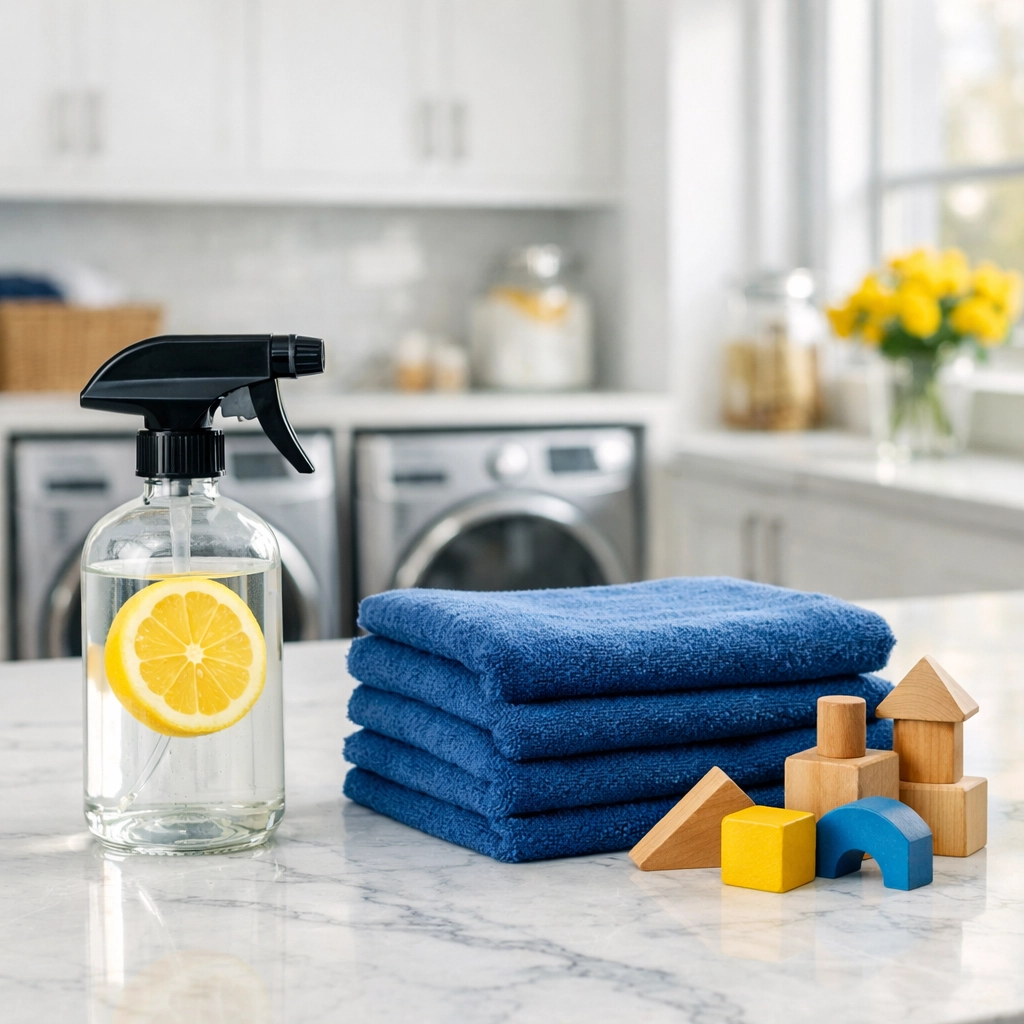
- Mix: Create a 50/50 solution of white distilled vinegar and warm water in a spray bottle.
- Scent (Optional): If you aren't a fan of the "salad dressing" smell, add two drops of lemon or lavender essential oil. Just make sure they are high-quality oils that are safe for use around children.
- Spray and Wipe: Spray the solution onto hard plastic toys, let it sit for about 10 minutes, and wipe clean with a microfiber cloth.
- Air Dry: Letting them air dry ensures the vinegar has time to do its work.
This is the perfect method for those "oops" moments when a toy falls on the floor at a restaurant or for a quick refresh of the play kitchen.
Hard Plastic Toys: Let the Machine Do the Work
LEGOs, plastic figurines, and sand buckets are durable, but they have so many nooks and crannies. Hand-washing these is a nightmare. The good news? Most hard plastic toys (that don't have batteries!) are dishwasher safe.
The Dishwasher Method:
- The Container: Put small pieces like LEGOs or doll accessories into a mesh laundry bag or a dishwasher basket meant for baby bottle nipples.
- The Setting: Place larger items on the top rack. Use your standard detergent, but skip the "heated dry" if you’re worried about thinner plastics warping. The hot water in the wash cycle is usually enough to sanitize.
- The Result: They come out sparkling clean and germ-free with zero scrubbing on your part.
Plushies and Soft Toys: The Laundry Strategy
Soft toys are basically sponges for bacteria. They get dragged through the mud, slept on, and drooled over. Most "lovies" can handle a trip through the washing machine, but you have to be careful not to turn Mr. Bear into a matted mess.
The Ninja Way to Wash Plushes:
- Check the Tag: Always check for "surface wash only" instructions. If it has a music box or batteries inside, do NOT put it in the wash.
- The Pillowcase Protector: Place the plush toy inside a pillowcase and tie the end shut or use a mesh delicates bag. This prevents eyes and noses from getting scratched or snagged on the drum.
- The Temperature: Use hot water (around 140°F) to kill dust mites and bacteria effectively.
- Drying: Low heat in the dryer is usually fine for most modern plushes, but air drying in the sun is the most eco-friendly (and germ-killing) way to go!
The Trouble with Wooden Toys
Wooden toys are beautiful and eco-friendly, but they are porous. You should never soak a wooden toy in water because it can swell, warp, or even grow mold inside the wood grain.
To clean wooden blocks or trains:
- Wipe them down with a cloth dampened with your vinegar solution.
- For stubborn spots, a tiny bit of mild dish soap on a damp cloth works wonders.
- Wipe them dry immediately. Don't let them sit damp!
Electronics: Safety First
In the age of tablets and singing plastic gadgets, electronics are everywhere. Since you can’t dunk these in a bucket of water, you need a different strategy.
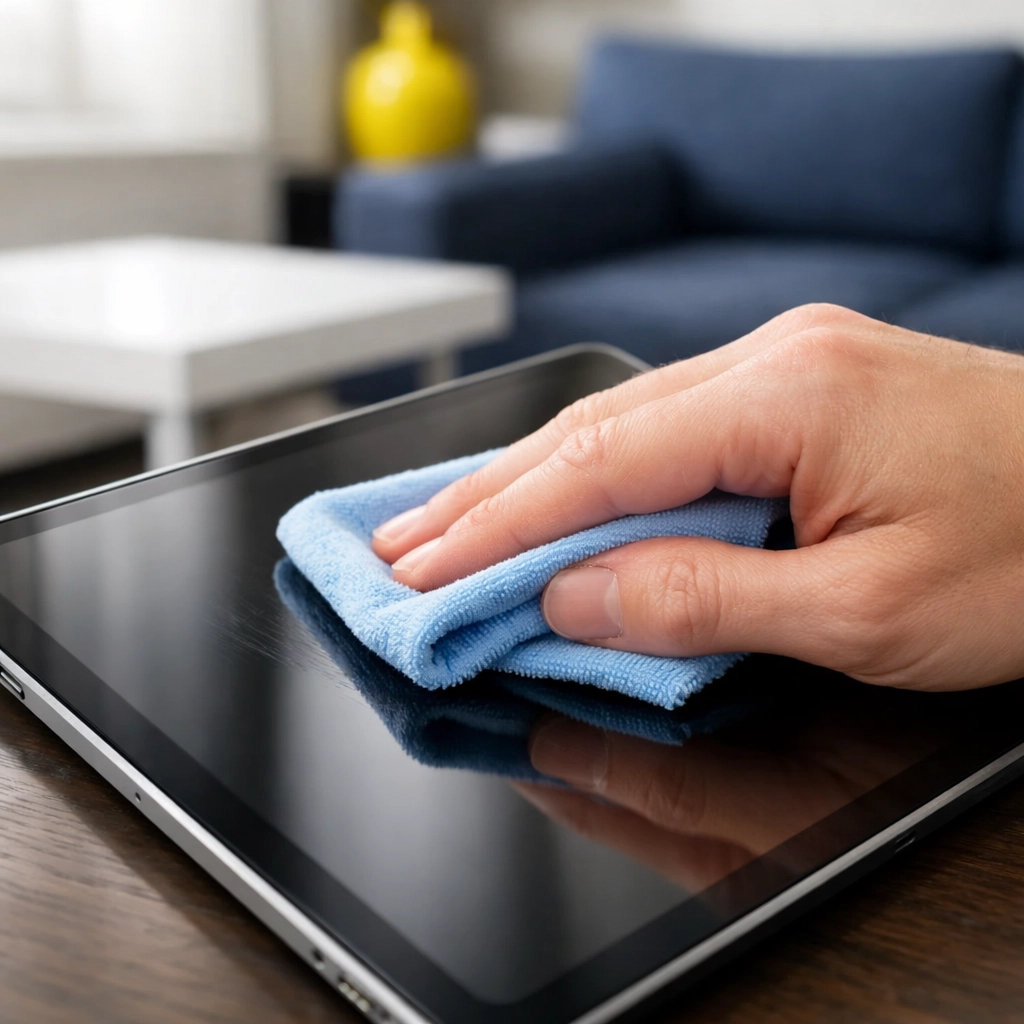
- Remove Batteries: Always do this first to avoid shorts.
- Alcohol Wipes: Use a cloth slightly dampened with 70% isopropyl alcohol. Wipe the exterior surfaces, being careful not to let liquid seep into the speakers or buttons.
- Microfiber Finish: Wipe with a dry microfiber cloth to remove any streaks.
Dealing with Bath Toys (The Mold Monsters)
We’ve all seen those viral videos of people cutting open rubber ducks to find a colony of black mold. It’s gross, but avoidable.
The Ninja Hack: Before the first use, plug the hole at the bottom of the toy with a small dab of hot glue. No hole means no water gets inside, which means no mold!
If the toys already have holes, soak them in a mixture of vinegar and water once a week, and make sure to squeeze all the water out and let them dry in a well-ventilated area after every bath. If you see black specks coming out of the toy, it’s time to toss it. Safety first!
When to Use the "Big Guns" (Bleach)
While we love eco-friendly solutions at The Cleaning Ninjas Inc, sometimes you need a hospital-grade clean. If your household has just gone through a bout of Norovirus or the flu, a diluted bleach solution is the gold standard for sanitization.
The Safe Ratio:
Mix 1/3 cup of unscented bleach per gallon of water. Submerge the toys for 5 minutes, rinse them thoroughly with plain water, and let them air dry completely. The rinse is the most important part here to ensure no chemical residue is left behind for little mouths.
Consistency is Key
Keeping a home clean with children is a marathon, not a sprint. If you find that the toy bin is overflowing and the thought of cleaning it all is overwhelming, don't worry: that’s what we’re here for.
While our professional teams handle the weekly house cleaning or bi weekly house cleaning tasks like scrubbing floors and sanitizing bathrooms, you can use that reclaimed time to focus on the smaller details, like a quick toy refresh.
Final Ninja Thoughts
You don't need to be a superhero to have a clean, safe home for your kids. You just need a few good systems and the right tools. By incorporating toy sanitizing into your regular household rhythm, you’re creating a healthier environment for your family to play, grow, and thrive.
If you ever feel like the mess is winning, remember that the "Ninjas" are only a click away. We love helping families in our community get back their free time while we handle the grime. Check out our services to see how we can help you keep your home ninja-clean!
Want to learn more about who is behind the masks? Visit our About Us page to meet the team dedicated to making your home sparkle.
Happy cleaning, and may your toy boxes always be (mostly) germ-free!