We’ve all been there. You just bought a gorgeous new glass vase, a set of sleek kitchen canisters, or maybe a new laptop. You go to peel off that price tag or the giant "Feature Specs" sticker, and: rip. Half of the paper stays behind, and you’re left with a grey, fuzzy, sticky patch of adhesive that seems to have a stronger bond than superglue.
It’s one of those minor life annoyances that can actually take up way too much of your Saturday afternoon if you don’t have a plan. At The Cleaning Ninjas Inc, we deal with these "sticky situations" all the time. Whether it’s a residue-covered window or a child’s sticker collection that has migrated to the dining room chair, we have the ninja moves to make that gunk vanish.
If you’re sticking to a weekly house cleaning routine, you might notice these little spots popping up on newly purchased items or even on your windows after a holiday. For those who prefer bi weekly house cleaning, these sticky spots can sometimes collect dust and hair over time, turning a small annoyance into a dark, stubborn smudge.
Whatever your schedule looks like, here is our ultimate guide to banishing sticker residue like a pro.
The Ninja Heat Wave: The Hairdryer Method
Before you reach for the chemicals, sometimes all you need is a little bit of science. Most sticker adhesives are designed to be semi-permanent, but they have a weakness: heat.
When you apply heat to a sticker, the adhesive softens and loses its grip on the surface. This is arguably the cleanest way to remove a sticker because it often takes the residue with it.
The Move:
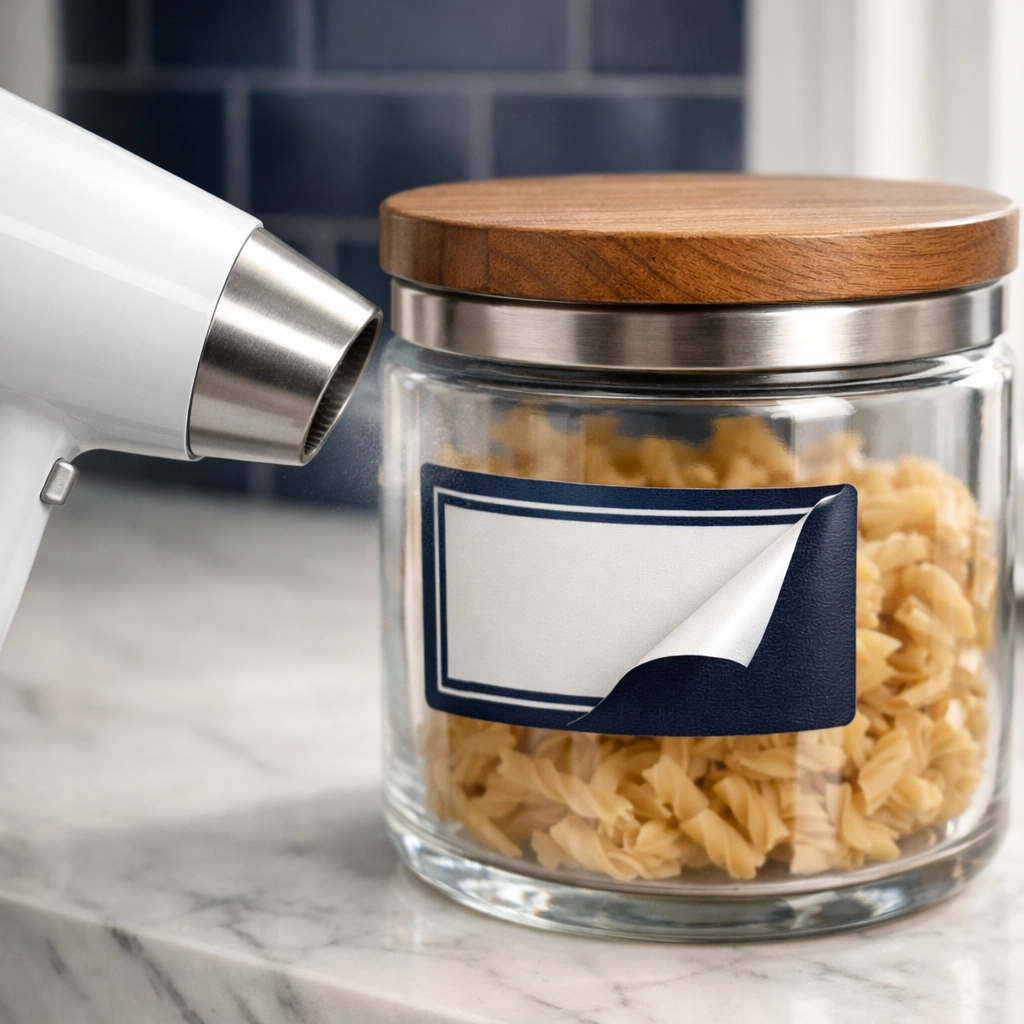
- Grab your hairdryer and set it to a medium-high heat.
- Hold it about 2 to 3 inches away from the sticker for about 60 to 90 seconds.
- Start at one corner and gently lift. If it feels stuck, apply more heat.
- Slow and steady wins the race. If you pull too fast, you’ll snap the paper, and then you’re back to square one.
This method is fantastic for things like electronics or delicate cardboard where you don’t want to use liquids. Just be careful not to overheat plastic, as it can warp!
Raid the Pantry: The Oil Trick
If the sticker is already gone but the sticky "ghost" remains, it’s time to head to the kitchen. Cooking oils: like olive, canola, or even coconut oil: are incredible at breaking down the chemical bonds of adhesives.
The oils penetrate the residue and make it slide right off. This is a go-to move for glass jars, metal containers, and certain plastics.
The Move:
- Dab a small amount of oil onto a paper towel or a clean cloth.
- Rub it onto the sticky area and let it sit for about 5 to 10 minutes. This "soak time" is crucial: let the oil do the heavy lifting for you.
- Use a plastic scraper (or your fingernail, if you’re brave) to gently nudge the residue. It should lift up in small clumps.
- Once the residue is gone, wash the area with a little dish soap and water to remove the oily finish.
Ninja Note: Be careful using oil on unfinished wood or porous surfaces, as it can leave a permanent stain. Always test a small, hidden spot first!
The DIY Magic Paste: Baking Soda + Oil
For those really stubborn, crusty stickers that have been there since the dawn of time, you need a bit of mechanical action. Combining oil with baking soda creates a gentle abrasive paste that eats through gunk without scratching most surfaces.
The Move:
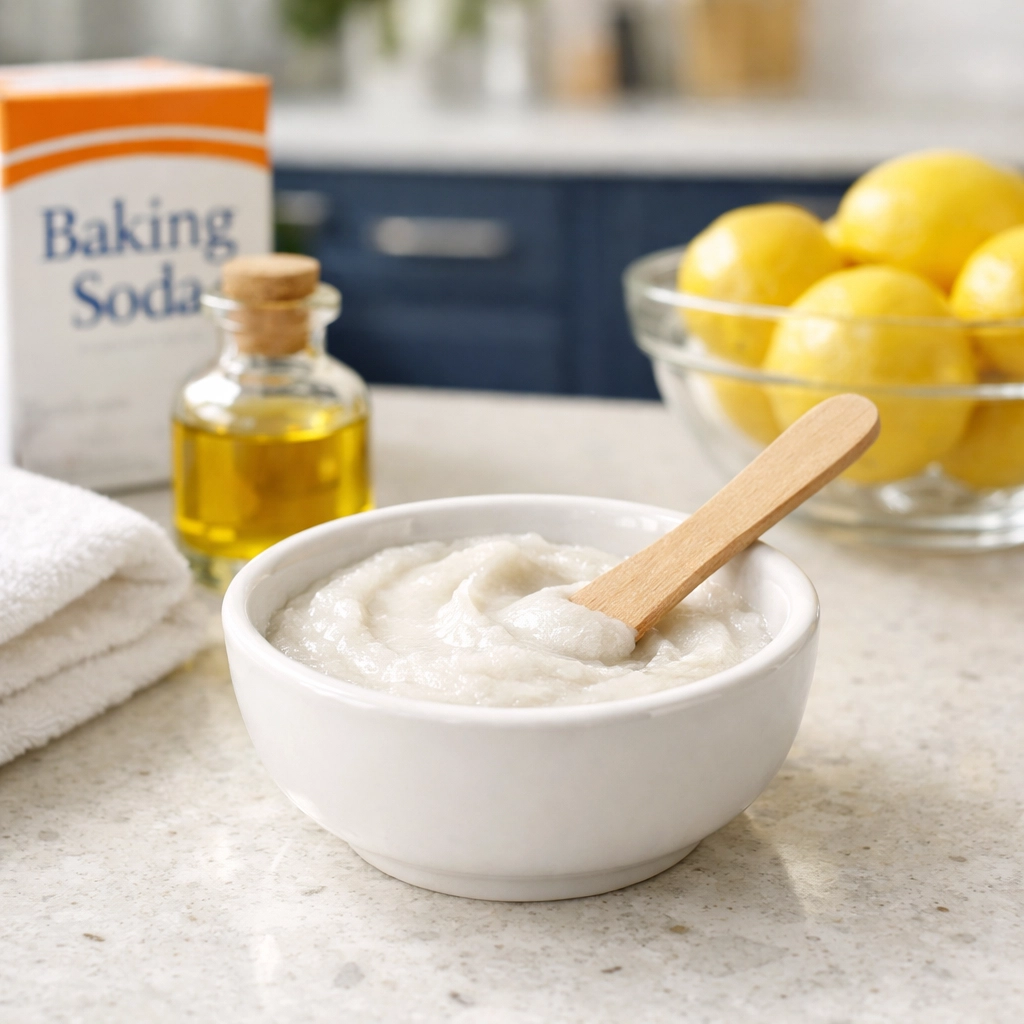
- Mix two parts baking soda with one part oil (e.g., 2 tablespoons of baking soda and 1 tablespoon of coconut oil).
- Apply the paste to the residue and let it sit for a few minutes.
- Rub the area in a circular motion with your fingers or a soft cloth. The baking soda provides just enough grit to scrub the adhesive away while the oil dissolves it.
- Wipe clean with a damp cloth.
This is a favorite during a deep dive into weekly house cleaning because it’s non-toxic and smells much better than harsh chemical removers.
Rubbing Alcohol: The Glass Specialist
If you’re dealing with sticker residue on glass: like mirrors, windows, or picture frames: rubbing alcohol (isopropyl alcohol) is your best friend. It’s a solvent, which means it literally dissolves the adhesive on contact. Plus, it evaporates quickly and leaves a streak-free shine.
The Move:
- Soak a cotton ball or a corner of a microfiber cloth in rubbing alcohol.
- Press it against the residue and hold it there for 30 seconds.
- Wipe firmly. The residue should liquefy and come right off onto the cloth.
- Repeat if necessary for thicker layers of glue.
White vinegar works in a similar way, though it’s slightly less aggressive than alcohol. If you prefer a more "green" approach during your bi weekly house cleaning sessions, vinegar is a great alternative for lighter jobs.
The Mechanical Ninja: Masking Tape & Scrapers
Sometimes, you don’t want to get things wet or oily. If you’re dealing with a very fresh, slightly tacky residue, you can actually use more adhesive to pick up the old adhesive.
The Move:
- Take a piece of masking tape or packing tape and wrap it around your pointer and middle fingers, sticky-side out.
- "Blot" the residue repeatedly. The tape on your fingers will grab the bits of glue off the surface.
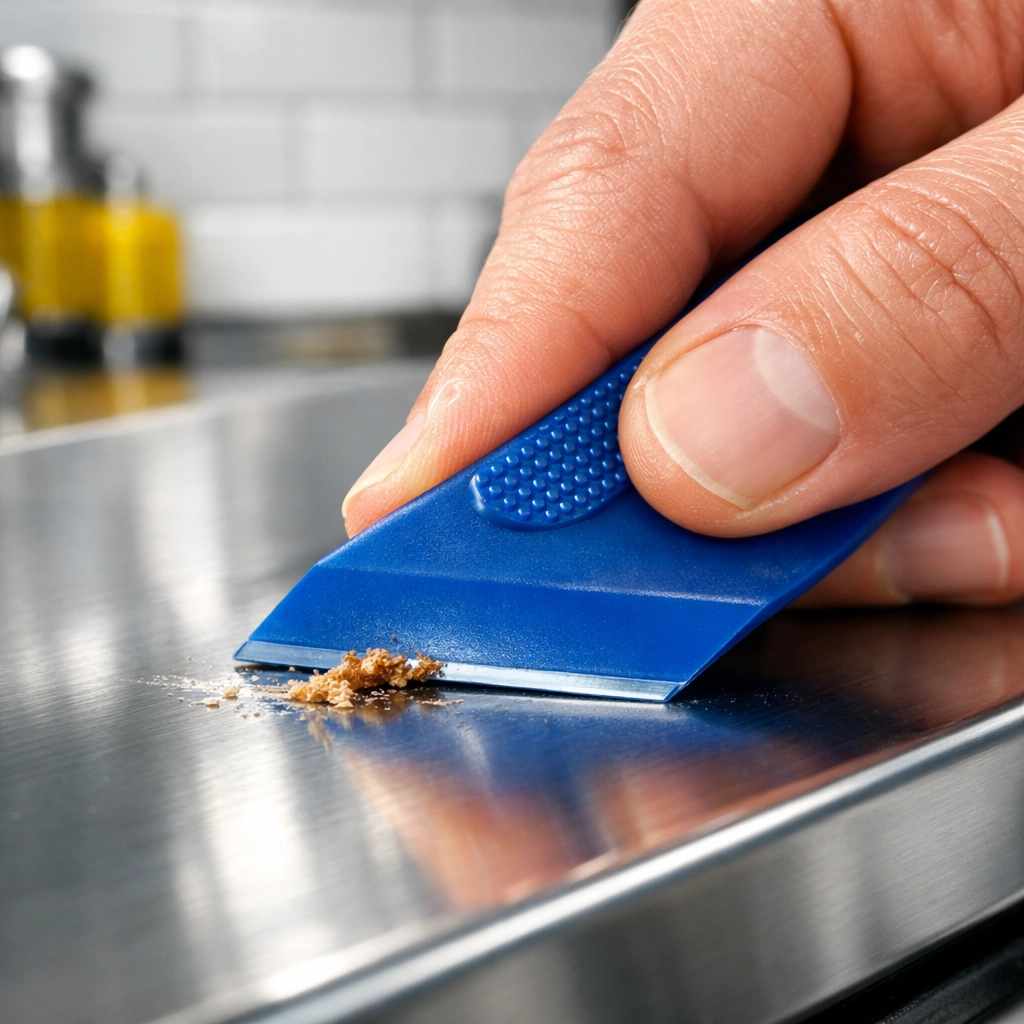
- If that’s not working, reach for a plastic scraper. An old credit card or a plastic library card works wonders. Hold it at a low angle (about 15-20 degrees) and gently push the residue into a pile.
Never use a metal blade on plastic or painted surfaces: you’ll leave a permanent scar that even a Ninja can’t fix!
Surface-Specific Advice: Know Your Enemy
Not all surfaces are created equal. Using the wrong method can ruin a finish, so here’s a quick cheat sheet for common household items:
- Plastic: Avoid harsh solvents like acetone (nail polish remover), as it can melt certain plastics. Stick to oil or the hairdryer method.
- Finished Wood: Be very careful with liquids. A quick wipe with a damp cloth and mild soap is best. If it’s really stuck, try the hairdryer on a low setting.
- Metal: Metal is tough! You can usually use alcohol or oil without any issues.
- Glass: Almost anything goes here, but alcohol is the fastest way to a clear finish.
- Clothing: If a sticker went through the wash and is now fused to your favorite shirt, try rubbing the spot with white vinegar and then laundering it again.
Why Keeping Up Matters
Sticky residue might seem like a small thing, but it’s a magnet for dirt. If you leave a sticky patch on a doorframe or a kitchen counter, within a week it will be black with dust and pet hair.
Integrating these "Ninja Tips" into your regular cleaning routine ensures your home stays looking sharp. If you find that these little tasks are piling up: along with the dusting, mopping, and vacuuming: it might be time to bring in the professionals. At The Cleaning Ninjas Inc, we pride ourselves on the details. Whether it's a weekly house cleaning to keep your home pristine or a bi weekly house cleaning to manage the heavy lifting, we've got you covered.
Our team is trained to spot these little imperfections and handle them safely, using the right tools for the right surfaces. We believe that a truly clean home isn't just about the big surfaces; it's about the small details: like a window without a sticker smudge or a kitchen jar that looks brand new.

Final Ninja Thought
Don't let a tiny piece of paper and some stubborn glue ruin your day. With a little heat, a bit of oil, or a splash of alcohol, you can reclaim your surfaces. The key is patience. Let the solutions sit, let the heat soak in, and always test your method in a corner first.
Ready to clear the clutter and the "sticky stuff" for good? Check out more of our expert advice on our blog or learn more about us and how we can help make your home sparkle.
Happy cleaning, and stay stealthy! 🥷✨🧹