Let’s be real: for many of us, that first cup of coffee in the morning isn't just a beverage; it’s the life-giving fuel that prevents us from accidentally wearing two different shoes to work. We treat our coffee makers like the MVP of the kitchen, yet we often forget that even the hardest workers need a little TLC.
If your morning brew has started tasting a bit “off,” or if your machine is making sounds like a dying radiator, you aren't just imagining things. Your coffee maker is likely gasping through a layer of mineral buildup. At The Cleaning Ninjas Inc, we’re all about precision and efficiency, and today, we’re teaching you how to apply those Ninja skills to your caffeine station.
Welcome to the ultimate guide on how to descale your coffee maker like a pro.
What is Descaling, Anyway?
Before we dive into the "how," let’s talk about the "why." You might be thinking, “I rinse the pot every day, isn’t that enough?” Sadly, no.
Water, even the stuff that looks clear, contains minerals like calcium and magnesium. As water heats up inside your machine and turns into steam, these minerals stay behind. Over time, they create a hard, crusty residue known as "scale" or "limescale."
Imagine the internal pipes of your coffee maker are like tiny arteries. Scale is the cholesterol. When those pipes get clogged, your machine has to work twice as hard to pump water through. This leads to lower brewing temperatures (which ruins the flavor) and slower brew times. If left unchecked, the scale can eventually brick your machine entirely.
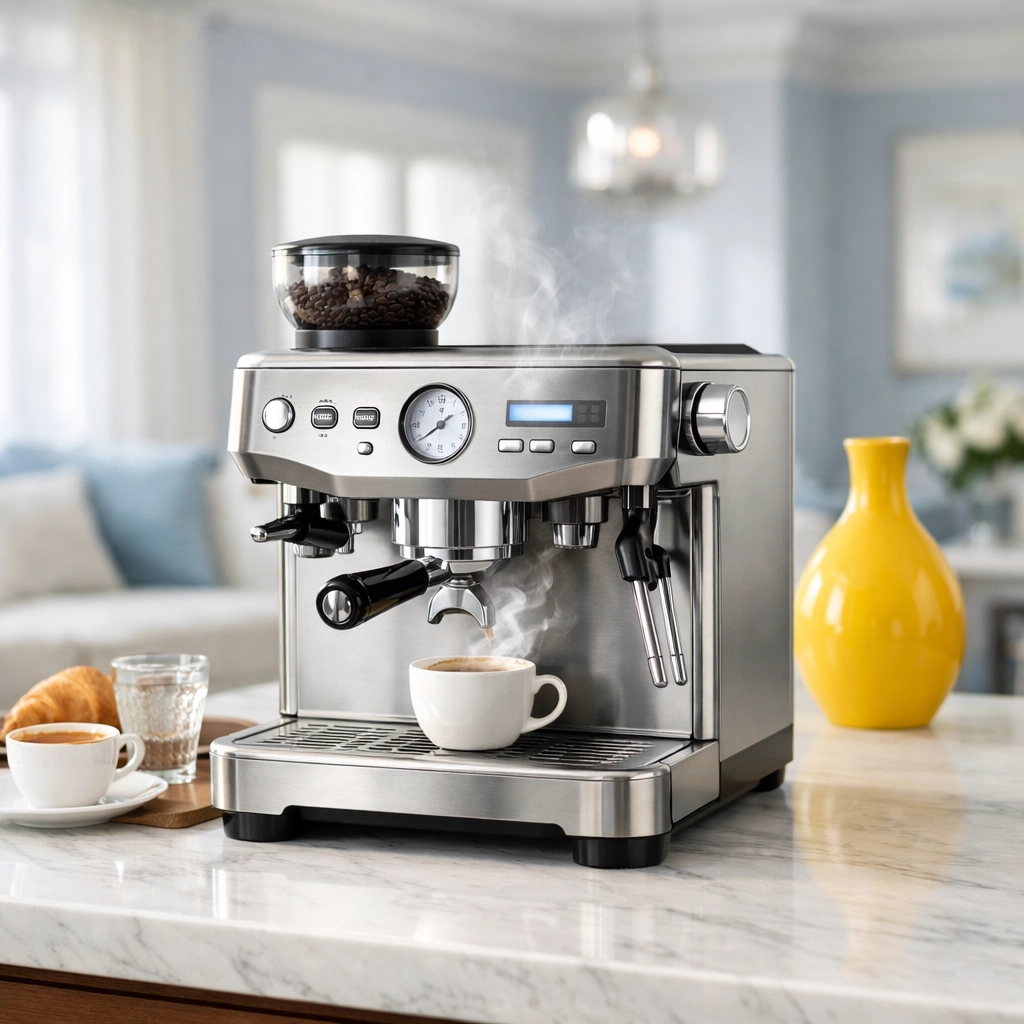
The Tell-Tale Signs Your Machine is Crying for Help
How do you know it’s time to intervene? Your coffee maker will usually drop some pretty heavy hints:
- The "Slow Drip" Syndrome: If your 5-minute brew is now taking 15 minutes, you’ve got a blockage.
- The Mystery Noise: Excessive gurgling or popping sounds mean the water is struggling to get through the heating element.
- Lukewarm Coffee: If you have to microwave your coffee the second it’s brewed, the heating element is likely insulated by a thick layer of scale.
- The Bitter Truth: If your expensive beans suddenly taste like burnt rubber or metallic vinegar, that’s the scale affecting the extraction process.
- Visible Crust: If you see white, chalky flakes in your water reservoir, the situation is dire.
If you’re noticing any of these, it’s time to put on your Ninja mask (or just grab some gloves) and get to work. If you find you're too busy managing the rest of your home to worry about the kitchen appliances, you can always check out our services to see how we can take the bigger cleaning tasks off your plate.
The Ninja Descaling Kit: What You’ll Need
You don’t need a fancy laboratory to descale a coffee maker. In fact, you probably have most of this in your pantry right now.
- White Vinegar: The classic DIY hero. It’s acidic enough to dissolve minerals but safe for food surfaces.
- Citric Acid (Optional): A great alternative if you hate the smell of vinegar.
- Fresh, Filtered Water: To rinse everything out.
- A Soft Cloth or Sponge: For the exterior.
- A Toothbrush: For those hard-to-reach nooks and crannies.
- Commercial Descaling Solution (Optional): Some high-end machines (like certain espresso makers or Keurigs) specifically recommend their own brand of solution to keep the warranty valid.
Step-by-Step: How to Descale Like a Pro
Regardless of whether you have a standard drip machine or a single-serve pod brewer, the process is largely the same. Here is our foolproof Ninja method.
1. The Prep Phase
Empty the carafe and the water reservoir. If your machine has a charcoal water filter (common in Cuisinart or Keurig models), remove it! You don’t want to run cleaning solution through a filter you intend to keep. Also, make sure there are no old grounds or pods lingering in the basket.
2. Mix Your Potion
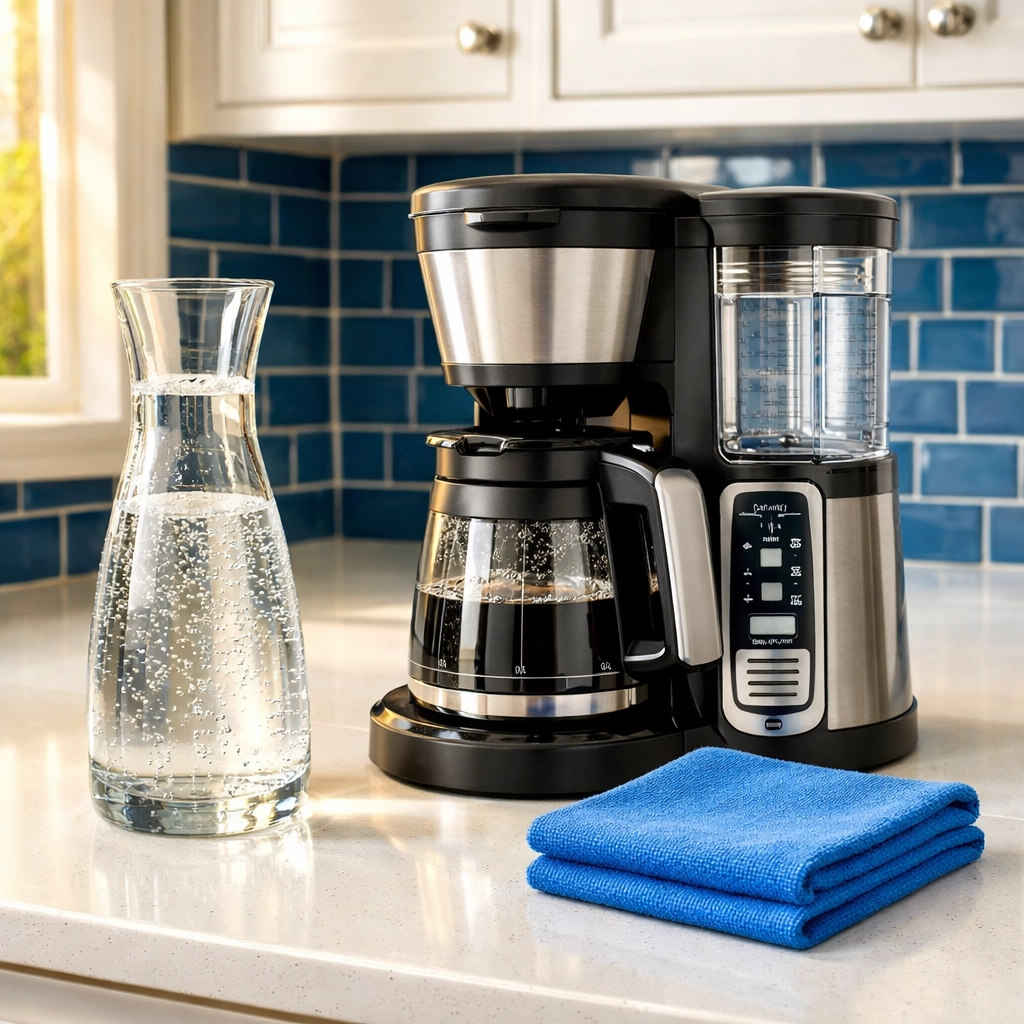
If you’re using the vinegar method, mix a 50/50 solution of white vinegar and water. Fill your water reservoir to its max capacity with this mixture. If your machine is really neglected (we won’t judge), you can go up to a 2:1 vinegar-to-water ratio.
3. The Halfway Brew
Turn your coffee maker on and start a brew cycle. About halfway through the cycle, turn the machine off. Why? This allows the vinegar solution to sit inside the internal tubes and the heating element, breaking down the toughest mineral deposits. Let it sit for about 30 to 60 minutes.
4. Finish the Cycle
Turn the machine back on and let the rest of the solution run through into the carafe. You might see some "funky" looking water coming out, that’s just the scale being evicted.
5. The Great Rinse
This is the most important part unless you like your morning coffee with a side of salad dressing. Dump the vinegar water and wash the carafe and filter basket with warm, soapy water.
Now, fill the reservoir with plain, fresh water and run a full brew cycle. Repeat this at least two or three times. If you can still smell vinegar, keep rinsing. Your taste buds will thank you.
Special Considerations for Pod Machines (Keurigs & More)
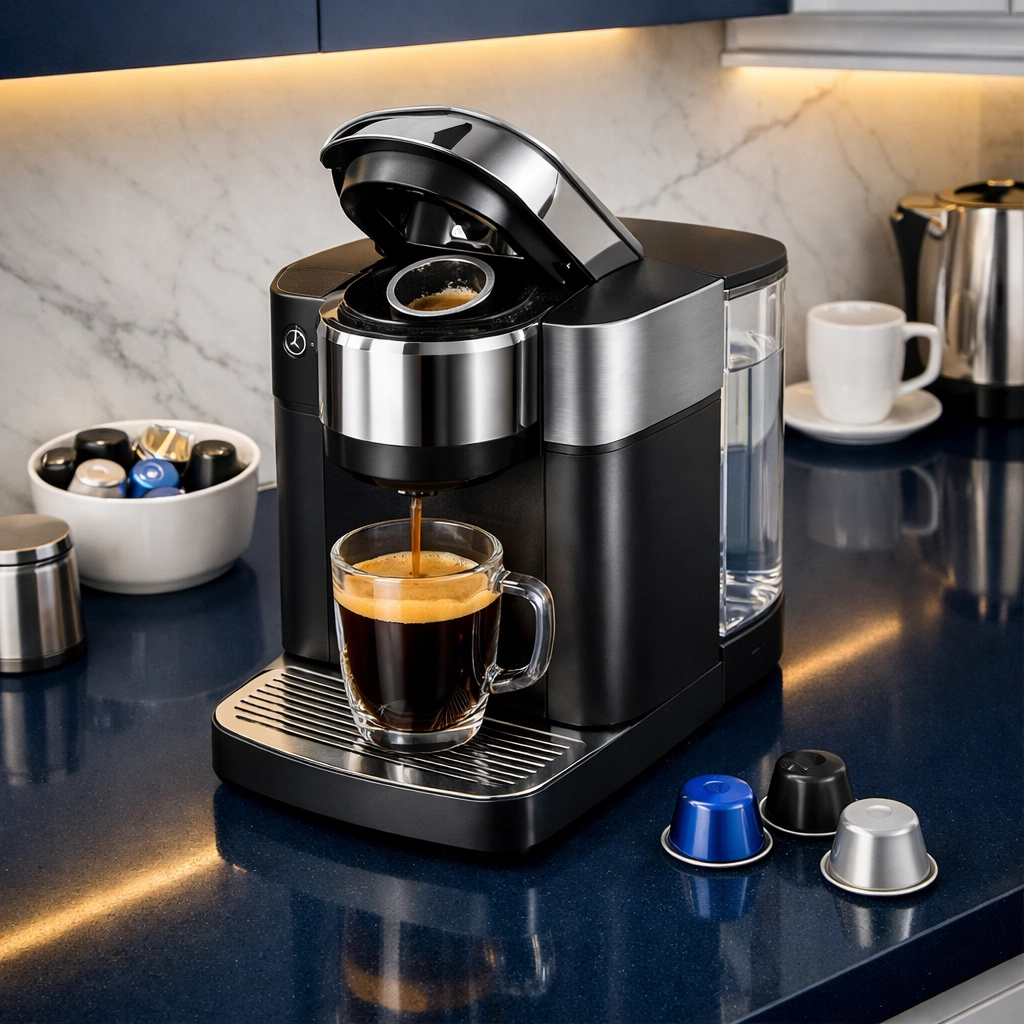
If you’re rocking a Keurig or a Nespresso, the process is similar, but you have to keep an eye on the "Descale" light.
- The Needle: These machines have a tiny needle that pierces the pod. Sometimes coffee grounds get stuck in there. While your machine is descaling, use a paperclip to gently clear any debris from the needle.
- The Sensors: Modern pod machines have sensors that can get "confused" by scale. If your "Descale" light stays on even after a cleaning, try running one more cycle of plain water; sometimes the sensors just need a final flush to realize they’re clean.
Pro Tips for Maintenance: Keeping the Scale Away
You shouldn't wait until your machine is gasping for air to clean it. Here are some "Ninja Hacks" to keep things running smoothly:
- Use Filtered Water: This is the #1 way to prevent scale. If you use water from a Brita or a fridge filter, you’re removing a large chunk of the minerals before they ever hit your machine.
- The Daily Rinse: After every use, dump the used grounds immediately. Leaving damp grounds in the machine is a recipe for mold and oily buildup.
- The 3-Month Rule: Mark your calendar. Most households should descale every three months. If you have "hard water" (water with very high mineral content), you might need to do it once a month.
- Clean vs. Descale: Remember, descaling removes minerals. Cleaning removes oils. Every few weeks, wash the removable parts in the top rack of the dishwasher (if they’re dishwasher safe) to get rid of the sticky coffee oils that make your brew taste rancid.
Why Consistency Matters
At The Cleaning Ninjas Inc, we often talk about how weekly house cleaning matters because it prevents small problems from becoming big, expensive headaches. The same logic applies to your coffee maker. A machine that is well-maintained will last years longer than one that is ignored.

Plus, let's be honest: life is too short for bad coffee. When your machine is clean, the water reaches the perfect temperature to extract all those chocolatey, nutty notes from your beans. It’s an instant upgrade to your morning routine that costs almost nothing.
Beyond the Coffee Maker
If you enjoyed these "Ninja Tips," you're in luck! We have a whole library of advice over at our Cleaning Tips blog. Whether you're trying to figure out how to get pet hair out of your rugs or how to organize your pantry like a pro, we’ve got you covered.
And hey, if you’d rather spend your weekend sipping coffee and relaxing instead of scrubbing baseboards or deep-cleaning the kitchen, give us a shout. You can learn more about us and how we bring a sense of calm (and a lot of sparkle) to homes across Massachusetts.
Final Thoughts
Descaling isn't the most glamorous chore, but it's one of the most rewarding. In about an hour: most of which is spent just letting the machine sit: you can restore your coffee maker to its former glory.
So, go grab that bottle of vinegar, give your MVP the spa day it deserves, and get back to enjoying the perfect cup of joe. Stay caffeinated, Ninjas!