Let’s be real: the cleaning aisle at the local grocery store is a bit of a plastic nightmare. Rows upon rows of neon-colored liquids in single-use plastic bottles, most of which are 90% water anyway. If you’ve been looking at your recycling bin lately and feeling a little "eco-guilt," you aren’t alone. At The Cleaning Ninjas Inc, we’re all about efficiency, but we’re also huge fans of keeping our homes (and the planet) as healthy as possible.
Building a zero-waste cleaning kit isn’t just some trendy Pinterest project. It’s a strategic move to simplify your life, save money in the long run, and cut down on the chemicals floating around your living room. You don't need a massive cupboard full of thirty different specialized cleaners. In fact, a true "Ninja" knows that with the right five or six tools, you can tackle almost any mess.
Here is how you can build the ultimate minimalist, zero-waste cleaning kit that actually works.
The Hardware: Bottles and Brushes
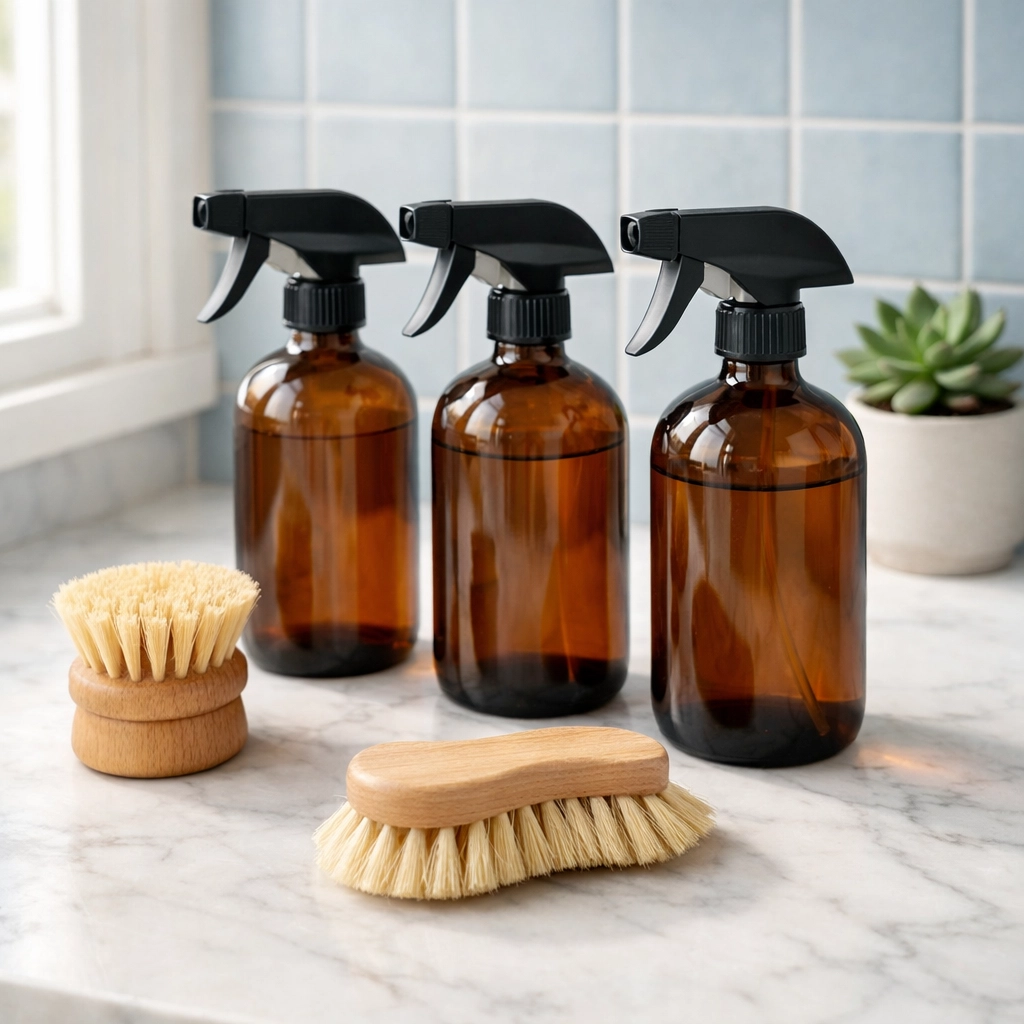
The first step to going zero-waste is looking at what you’re holding in your hand. Most commercial cleaners come in spray bottles designed to be tossed the second they’re empty. To break this cycle, you need hardware that lasts for years, not weeks.
1. Glass or Aluminum Spray Bottles
Switching to glass or aluminum is a game-changer. Not only do they look infinitely better on your counter (serious spa vibes), but they also don’t leach chemicals into your cleaning solutions. Glass is infinitely recyclable, and aluminum is incredibly durable. If you’re worried about dropping glass on tile, you can find bottles with silicone sleeves that act like a little "ninja suit" to protect them from impact.
2. Natural-Bristle Scrub Brushes
Plastic sponges are one of the biggest offenders in the kitchen. They fall apart, harbor bacteria, and eventually end up in a landfill where they’ll stay for centuries. Instead, look for brushes made from sustainable wood (like beech or bamboo) and natural fibers like sisal or coconut husk. These are tough enough to scrub a cast-iron skillet but biodegradable once they eventually wear out.
The Fabric Revolution: Goodbye Paper Towels
If you’re still reaching for a paper towel every time a drop of water hits the floor, we need to talk. Paper towels are convenient, sure, but they are a massive source of waste. Most are bleached with chlorine and wrapped in: you guessed it: more plastic.
The Microfiber Myth and the Cotton Reality
While microfiber is a staple in the professional cleaning world because it grabs dust like a magnet, it is technically a synthetic material that can shed microplastics in the wash. If you want to be truly zero-waste, consider Swedish Dishcloths. These things are incredible: they feel like a mix between a sponge and a cloth, can absorb 20 times their weight in liquid, and when they finally give up the ghost, you can literally toss them in your compost bin.
For heavy-duty tasks, old-school cotton huck towels or even "un-paper" towels (reusable cloth strips that snap together on a roll) are the way to go. They’re washable, durable, and they get more absorbent the more you use them.
The Ingredients: The "Holy Trinity" of DIY Cleaning
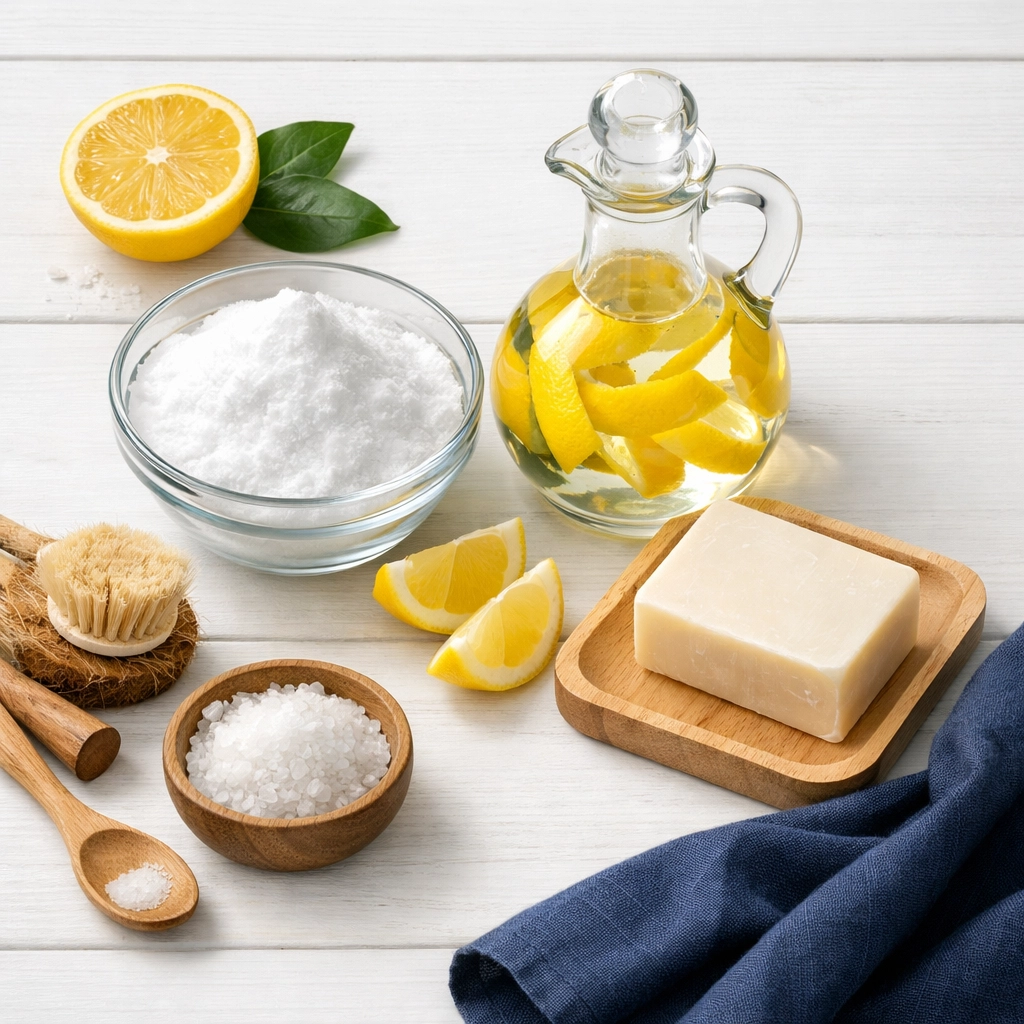
You don’t need a degree in chemistry to make your own cleaners. In fact, most of the "heavy lifting" in a clean home can be done by three simple, non-toxic ingredients you probably already have in your pantry.
1. White Vinegar
Vinegar is the Swiss Army knife of zero-waste cleaning. It’s acidic, which means it’s a pro at cutting through soap scum, dissolving mineral deposits, and killing certain types of mold.
- Pro Tip: Never use vinegar on natural stone like marble or granite; the acid can "etch" or dull the surface. For everything else, a 50/50 mix of water and vinegar in your glass spray bottle is your new best friend.
2. Baking Soda
If vinegar is the "acid," baking soda is the "scrub." It’s a mild abrasive that provides just enough friction to lift stains without scratching surfaces. It’s also an incredible deodorizer. Sprinkle it on a damp sink, scrub with your bamboo brush, and watch the grime disappear.
3. Castile Soap
Named after the Castile region of Spain, this vegetable-based soap is concentrated and biodegradable. A little goes a long way. You can use it for everything from dish soap to floor cleaner. Just remember: don’t mix vinegar and Castile soap directly in the same bottle. They’ll react and turn into a weird, unsalvageable glop. Use one, then the other!
Sustainable Swaps for the "Hard Stuff"
We get it: sometimes you need more than just vinegar. But even for the specialized jobs, there are zero-waste alternatives that don't involve a plastic jug.
- Solid Dish Soap: Instead of liquid soap in a plastic squeeze bottle, try a dish soap bar. You just rub your wet brush or sponge onto the bar to create a lather. It’s concentrated, lasts forever, and usually comes in a simple cardboard box.
- Laundry Strips or Concentrates: Laundry detergent is mostly water. By switching to dehydrated strips or ultra-concentrated tablets that come in compostable packaging, you’re saving a ton of shipping weight and plastic waste.
- Essential Oils: If you miss that "clean" lemon or pine scent, add a few drops of high-quality essential oils to your DIY mixes. Lemon, tea tree, and eucalyptus are particularly great because they have natural antibacterial properties.
Why This Matters to The Cleaning Ninjas Inc
At The Cleaning Ninjas Inc, we believe that a clean home should also be a safe home. Whether we are providing residential cleaning or sharing our favorite cleaning tips, our goal is to help you create a space that feels refreshed and energized.
Transitioning to a zero-waste kit isn't about being perfect. It's about making better choices one bottle at a time. If you’re overwhelmed, start by just replacing your paper towels with cloths. Once you see how much money you save, you’ll be motivated to swap out the rest!

The "Ninja Strategy" for a Zero-Waste Transition
If you want to move toward a more eco-conscious lifestyle without losing your mind, follow this simple strategy:
- Use What You Have First: Don’t throw away half-full plastic bottles of cleaner just to buy "eco-friendly" glass ones. That defeats the purpose! Use up every last drop of your current supplies first.
- Repurpose Containers: Before you buy fancy amber glass bottles, see if you have any glass jars or bottles from the kitchen that can be fitted with a spray nozzle.
- Buy in Bulk: If you aren't ready to DIY everything, look for "refill stations" in your city where you can bring your own containers to fill up on eco-friendly laundry soap or all-purpose cleaner.
- Simplify Your Routine: Most homes only need three things: an all-purpose spray, a glass cleaner, and a scrub for the bathroom. Everything else is usually extra fluff.
If you’re looking for more ways to keep your home in tip-top shape while staying mindful of your impact, check out our blog for more hacks and strategies. We love talking shop: especially when it helps our neighbors in Massachusetts live a little greener.
Final Thoughts: The Minimalist Mindset
A zero-waste cleaning kit is more than just tools; it’s a mindset. It’s the realization that we don’t need harsh chemicals to achieve a professional-level clean. It’s about being a "cleaning ninja": moving through your home with intention, using high-quality tools that last, and leaving nothing behind but a sparkling finish.
Ready to take your home to the next level? Whether you’re building your own kit or you need a team of pros to come in and do a "deep dive" reset of your space, we’re here to help. Learn more about us and see how we can help you reclaim your time and your environment.
Cleaning doesn't have to be a chore, and it definitely doesn't have to be wasteful. Grab a glass bottle, some vinegar, and a positive attitude: your home (and the planet) will thank you!