You did it. The contractors have packed up their saws, the permit signs are off the windows, and your home finally looks like those Pinterest boards you’ve been obsessing over for months. There’s just one tiny, powdery problem: sawdust. And drywall dust. And a mysterious layer of gray film on every single surface, even inside the cabinets you haven't opened yet.
Renovation dust is a different breed of mess. It’s finer than regular household dust, it’s often abrasive, and it has a magical ability to travel through vents and under closed doors. If you try to tackle it with a standard broom and a "can-do" attitude, you’ll likely just move the dust from the floor to the air, only for it to settle back down ten minutes later.
At The Cleaning Ninjas Inc, we’ve seen our fair share of construction zones. We know that the transition from "construction site" to "cozy home" requires a strategic, three-phase approach. Whether you’re DIYing the cleanup or looking to understand our process before hiring the pros, this ultimate checklist will ensure your new space is actually move-in ready.
The Three Phases of Post-Construction Cleaning
Most people think cleaning is a one-and-done deal. However, in the world of post-construction, we break it down into three distinct stages. Trying to do a "final polish" while there’s still trash on site is a recipe for frustration.
Phase 1: The Rough Clean
This happens as soon as the heavy lifting is done but before the delicate finishes are finalized.
- Debris Removal: Bagging up large scraps of wood, drywall, and hardware.
- The Initial Sweep: Using heavy-duty shop vacs to get the bulk of the sawdust off the subflooring.
- Sticker Removal: Peeling those stubborn manufacturer labels off new windows, toilets, and appliances.
Phase 2: The Light Clean
This is the most labor-intensive phase. It happens once the "wet work" (painting, tiling) is dry.
- Top-to-Bottom Dusting: Every wall, ceiling fan, and ledge gets wiped down.
- Window Tracks: Construction gunk loves to hide in window tracks.
- Cabinetry: Vacuuming and wiping out the insides of every drawer and cupboard.
Phase 3: The Final Detail
This is the "Ninja" stage. It’s the final pass right before you bring in the furniture.
- Smudge Removal: Getting rid of fingerprints on stainless steel and glass.
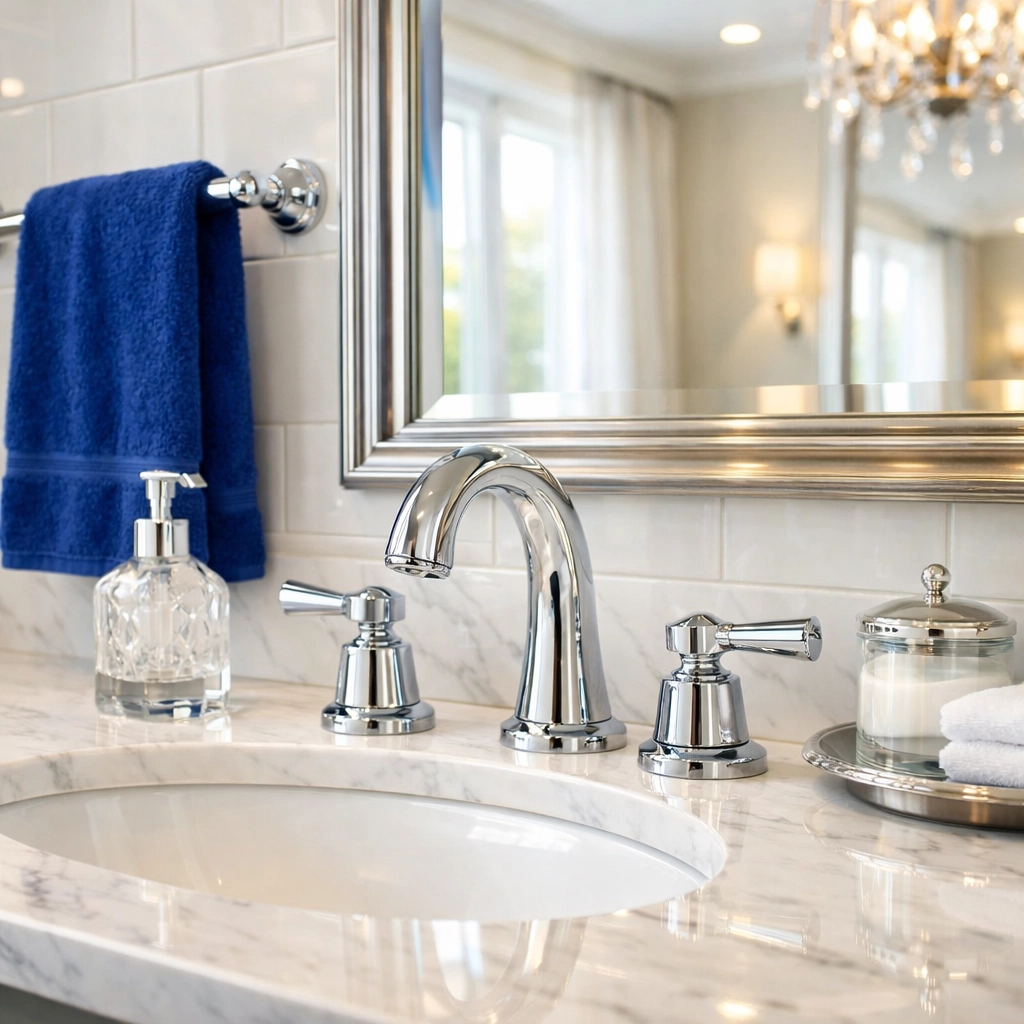
- Polishing: Making sure the chrome fixtures in the bathroom shine like a mirror.
- The Final Mop: Using a microfiber system to ensure no "haze" remains on the floors.
The Room-by-Room Checklist
The Kitchen: The Heart of the (Dusty) Home
Kitchens are often the focal point of a renovation, and they have the most nooks and crannies for dust to hide.
- Cabinets and Drawers: Vacuum the inside of every single drawer using a brush attachment. Then, wipe them down with a damp microfiber cloth. Don't forget the tops of the upper cabinets!
- Appliances: If you bought new appliances, remove all the protective blue film. Clean the interior of the oven and microwave (yes, dust gets in there too).
- Countertops: Wipe down the surfaces multiple times. Stone countertops often have a lingering "haze" from the installation process that requires a specific pH-neutral cleaner.
- The Sink: Scrub out the construction gunk and polish the faucet.

The Bathrooms: Banishing the Grout Haze
Bathrooms often deal with drywall dust and grout residue, which can be tricky to remove without scratching new fixtures.
- The Haze: If you just had new tile installed, you’ll likely see a white film called grout haze. Use a specialized grout haze remover or a vinegar-water solution (if safe for your tile type) to clear it.
- Toilets and Tubs: Even if they weren't used, they are likely covered in a fine layer of grit. Sanitize them thoroughly.
- Mirrors and Glass: Clean the shower doors and mirrors with a streak-free glass cleaner. Check the corners for silicone or caulk drips.
- Hardware: Polish the towel racks, toilet paper holders, and faucets.
Bedrooms and Living Areas
These rooms are often the "secondary" victims of renovation dust, even if they weren't part of the construction zone.
- Walls: Yes, you need to clean your walls. Drywall dust clings to vertical surfaces. Use a damp microfiber mop to "sweep" the walls from top to bottom.
- Closets: Dust the shelves and the hanging rods. If you don't, that dust will transfer directly to your clean clothes.
- Light Fixtures: Carefully wipe down ceiling fans, recessed lighting trims, and chandeliers.
- Electronics: If your TV or computer was in the house during Reno, use compressed air to blow dust out of the ports before wiping the screens with an approved cleaner.
The Fine Details (Where the Ninjas Shine)
What separates a "clean" house from a "Ninja-clean" house? It’s the details that most people forget. If you leave these items out, you’ll be smelling construction dust for the next six months.
- Air Vents and Filters: This is the most important step. Construction dust gets sucked into the HVAC system. Remove the vent covers, vacuum the registers, and: most importantly: replace your furnace filter immediately.
- Door Frames and Trim: Dust settles on the tiny lip of the baseboards, the tops of door frames, and the "shoulders" of window casings.
- Light Switches and Outlets: Wipe down the faceplates. You’d be surprised how much dust sits on that tiny horizontal edge.
- Thresholds: Clean the metal or wood strips in the doorways. They often trap dirt and debris from workers' boots.
The Ninja Toolkit: What You’ll Need
To do this right, you can’t just use a rag and a bucket of soapy water. You need the right gear.
- HEPA-Filtered Vacuum: A standard vacuum might just blow the fine particles back out into the air. A HEPA filter captures 99.97% of dust.
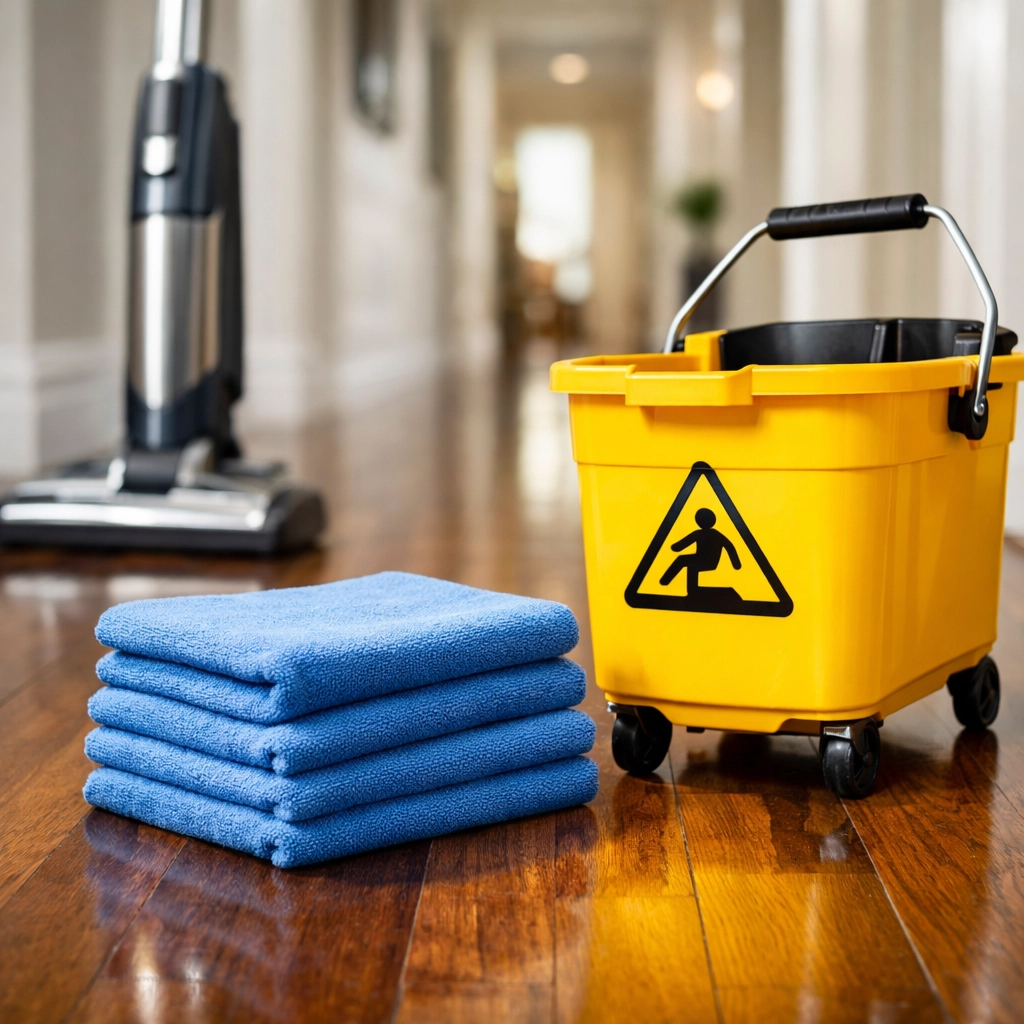
- Microfiber Cloths: These are essential. They grab and hold dust rather than pushing it around. Have at least 20-30 on hand; you’ll go through them fast.
- Two-Bucket System: When mopping, use one bucket for your cleaning solution and one for rinsing your dirty mop. This prevents you from just spreading gray water across your new floors.
- Extending Duster: For those high ceilings and crown moldings.
- Squeegee: For a professional, streak-free finish on windows and glass.

Why DIY Might Not Be Enough
We love a good DIY project, but post-renovation cleaning is physically exhausting and requires a level of detail that is hard to maintain for 10+ hours. Many homeowners find that after the stress of a renovation, the last thing they want to do is spend their weekend scrubbing baseboards.
If you’re feeling overwhelmed, checking out our services might be the best "renovation gift" you can give yourself. We bring the specialized equipment and the "Ninja" eye for detail to make sure your home is actually healthy and dust-free.
Common Questions (FAQs)
If you're still unsure where to start, you might find some answers in our FAQ section. A common question we get is, "How long should I wait after the contractors leave?" We usually recommend waiting at least 24 to 48 hours for the airborne dust to fully settle before starting the deep clean.
Final Thoughts
A renovation is an investment in your home's value and your quality of life. Don't let the final hurdle: the cleanup: dampen the excitement of your new space. By following this checklist, you’re ensuring that your "new" home feels fresh, smells clean, and is safe for your family to enjoy.
If you'd rather spend your time decorating than dusting, The Cleaning Ninjas Inc is here to help. We’ve been helping homeowners across the area reclaim their space from the "dust-pocalypse" for years. You can learn more about us and see why our clients trust us with their most valuable assets.
Now, go grab a microfiber cloth and start with those ceiling fans: top to bottom, remember? You’ve got this!