A. Maintenance protocols within the domestic environment require a systematic approach to ensure both aesthetic preservation and hygienic integrity. While many homeowners engage in a weekly cadence of sanitation, the methodology employed often yields suboptimal results due to technical oversights and the misapplication of chemical agents. This report identifies seven critical deviations from professional standards and provides clinical rectifications to optimize your residential environment. The Cleaning Ninjas Inc. prioritizes the intersection of efficiency and scientific precision in every general-cleaning operation… optimize the process.
Q1. The Universal Solvent Fallacy. A frequent error observed in residential maintenance is the reliance on a singular "all-purpose" cleaning agent for diverse architectural surfaces. The chemical architecture of a solution designed to emulsify lipids on a kitchen backsplash is fundamentally distinct from the requirements of a pH-neutral agent necessary for maintaining the structural integrity of natural stone or hardwood. Utilizing aggressive surfactants on delicate finishes can result in the gradual degradation of protective sealants, leading to permanent etching or discoloration that necessitates professional restoration… select surface-specific agents.

Close.
Q2. Insufficient Dwell Time for Microbial Eradication. The efficacy of sanitizing agents is strictly contingent upon the duration of contact between the solution and the contaminated substrate. Many practitioners engage in a "spray-and-wipe" technique that fails to respect the manufacturer-specified dwell time required for the denaturation of pathogenic proteins. Without adequate exposure, the solution remains inert against resilient bacteria and viruses, merely distributing them across the surface rather than achieving true sterilization. For high-standard sanitizing-surfaces, strict adherence to temporal requirements is non-negotiable… respect the clock.
Q3. Surplus Chemical Saturation and Residue Accumulation. There exists a persistent misconception that an increased volume of cleaning product correlates directly with a higher degree of cleanliness. In reality, the overuse of concentrated agents leaves behind a microscopic film of surfactant residue. This tacky layer acts as a magnet for atmospheric particulate matter and dander, causing surfaces to accumulate soil more rapidly than if they had remained untreated. Proper dilution and conservative application, utilizing effective-detergents, ensure a pristine finish without the subsequent attraction of contaminants… calibrate the dosage.
Close.
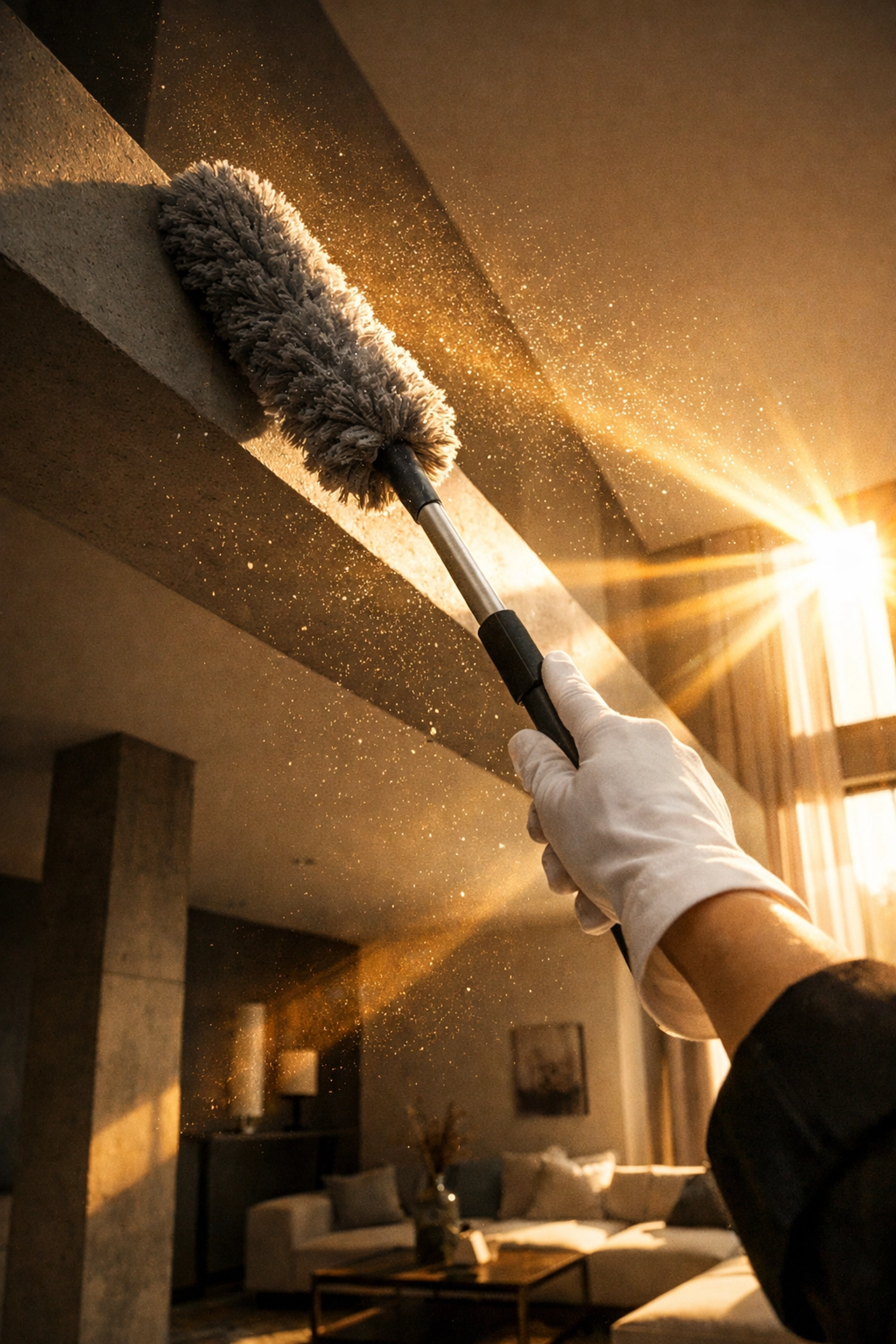
Q4. Hierarchical Inversion in Cleaning Sequences. The logistical flow of a cleaning operation must account for the physical laws of gravity to prevent the re-contamination of sanitized zones. A common tactical error involves performing floor maintenance prior to the agitation of dust on elevated surfaces such as ceiling fans, cabinetry, and shelving. This inversion results in the deposition of airborne debris onto previously cleaned substrates, necessitating a secondary and redundant cleaning cycle. A professional deep-cleaning strategy always initiates at the highest vertical point and concludes at the floor level… follow the descent.
Q5. Systematic Neglect of High-Frequency Contact Points. Routine maintenance often focuses on high-visibility areas while overlooking the primary vectors for cross-contamination. Light switches, door handles, appliance interfaces, and remote controls serve as repositories for biological film and transmissible pathogens. When these high-touch surfaces are excluded from the weekly protocol, the domestic environment maintains a high bio-burden despite the appearance of cleanliness. Integrating these touchpoints into the regular schedule is essential for maintaining a truly hygienic residence… target the touchpoints.
Close.
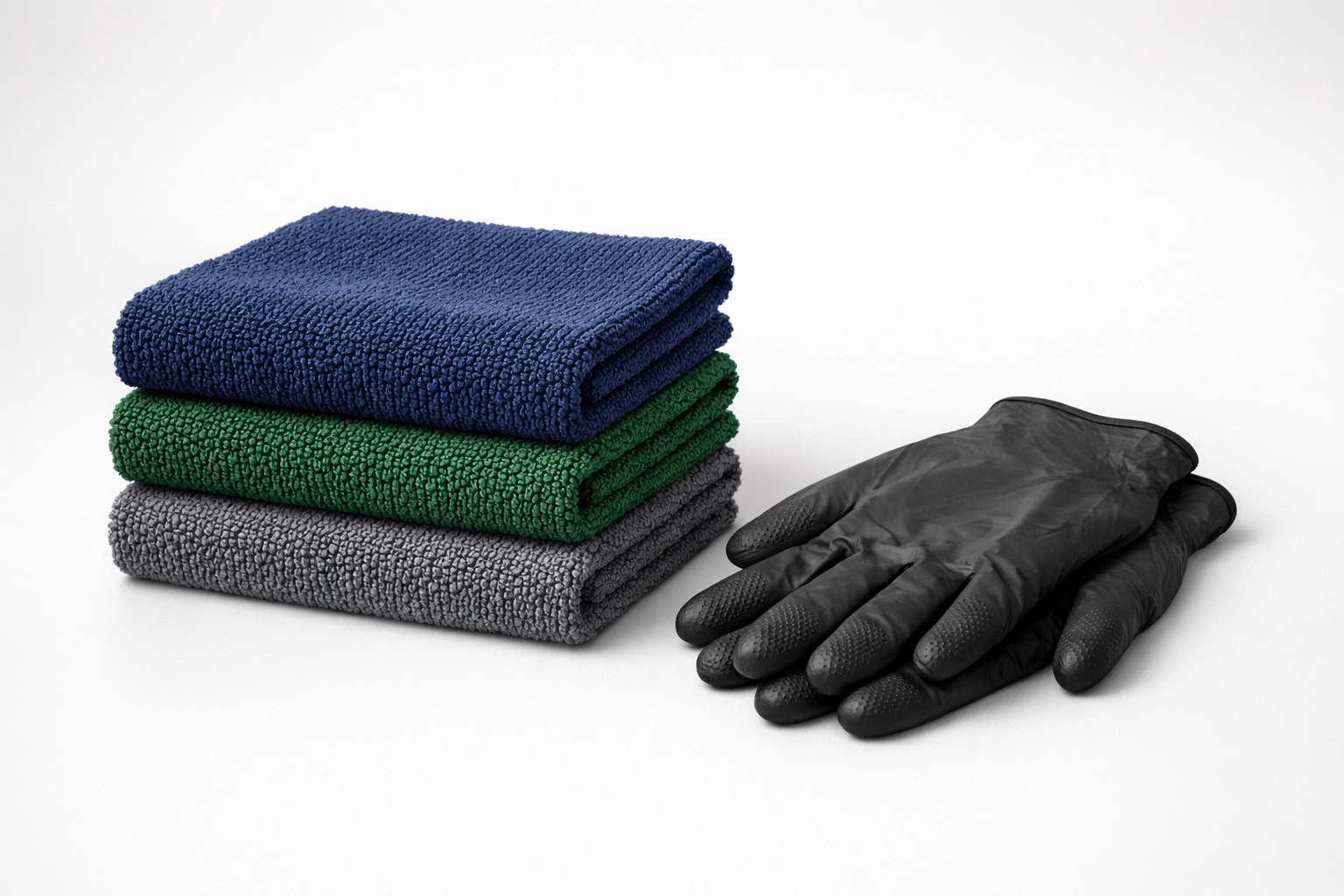
Q6. Proliferation of Contaminants via Degraded Tooling. The utility of cleaning apparatus is compromised when the tools themselves harbor accumulated soil and microbial colonies. Utilizing a singular microfiber cloth across multiple sanitary zones: such as transitioning from a bathroom environment to a culinary preparation area: facilitates the transfer of coliform bacteria and other hazardous microbes. Furthermore, the use of saturated vacuum filters or soiled mop heads reduces the mechanical efficiency of soil extraction, merely relocating debris rather than removing it. Investing in professional-equipment and maintaining a strict laundering schedule for textiles is paramount… sanitize the system.
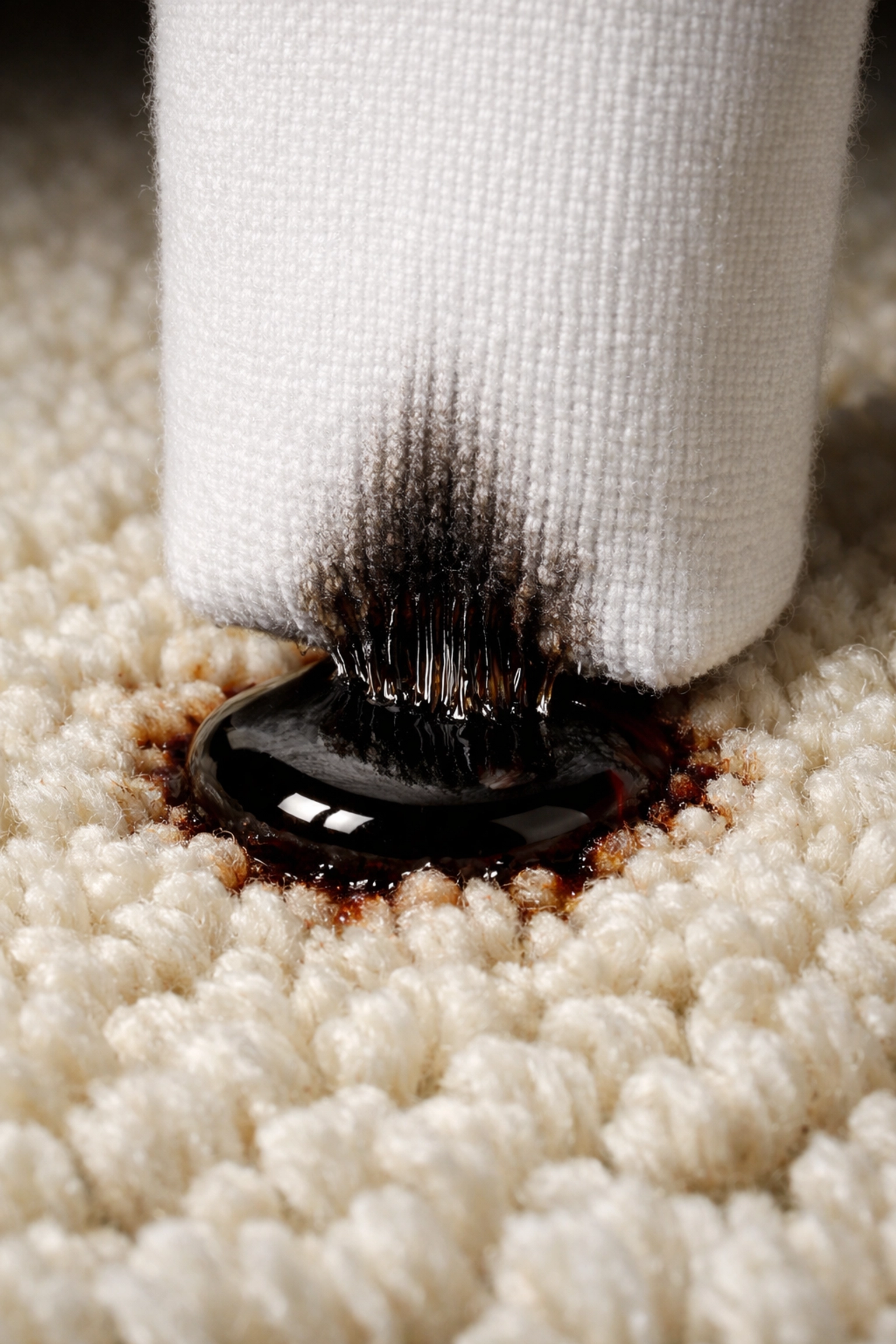
Q7. Improper Kinetic Force in Textile Stain Remediation. Upon the occurrence of a liquid spill on upholstery or carpeting, the instinctive reaction is often to apply high-pressure lateral friction. This rubbing action serves only to drive the pigment deeper into the fibrous matrix of the material and may cause irreversible structural damage to the pile. Professional textile-cleaning methodology dictates a blotting technique, utilizing capillary action to draw the contaminant upward and away from the substrate. This conservative approach preserves the integrity of the fabric while maximizing the probability of total stain removal… blot, don't rub.
Close.
B. The transition from amateur maintenance to professional-grade results requires a shift in perspective, moving away from habit-based actions toward a more informed, technical application of cleaning principles. By rectifying these seven common errors, homeowners can significantly enhance the longevity of their interior finishes and the overall health of their living space. For those seeking to outsource these complexities to a dedicated team, The Cleaning Ninjas Inc. offers specialized expertise across all facets of residential sanitation. Our commitment to excellence ensures that every environment we touch is not only visually clean but scientifically sound… elevate your standards.
Close.