Q. The implementation of a bi weekly house cleaning schedule necessitates a rigorous adherence to interim maintenance protocols to ensure the efficacy of the professional intervention. One primary error observed in residential management is the systematic accumulation of disorganized material, commonly referred to as clutter, which obstructs surface access. When a professional technician arrives at a domicile overwhelmed by localized debris, the temporal allocation shifts from sanitation and disinfection to mere organizational redistribution. This inefficiency results in a lower standard of hygiene as critical surfaces remain obscured by non-essential items. To rectify this, the occupant must engage in a preliminary decluttering phase approximately twenty-four hours prior to the scheduled service, thereby facilitating an unobstructed operational environment for the cleaning apparatus and personnel… optimizing the operational flow.

Close.
Q. A secondary complication arises from the cognitive dissonance regarding the "Ninjas" presence, leading to a complete cessation of personal maintenance tasks between professional visits. This "Wait for the Cleaner" mentality results in a precipitous decline in environmental quality, particularly within high-moisture zones such as kitchens and bathrooms. The accumulation of biological particulates and mineral deposits over a fourteen-day interval can exceed the thresholds of standard maintenance cleaning, requiring more intensive chemical interventions. Occupants should observe a protocol of "micro-cleaning," involving the immediate eradication of localized spills and the daily management of high-traffic zones. Referencing the standards found at thecleaningninjas.com/category/cleaning, it becomes evident that a collaborative approach to domestic hygiene yields the most sustainable results in the long-term environmental health of the structure… maintaining the pristine state.
Close.
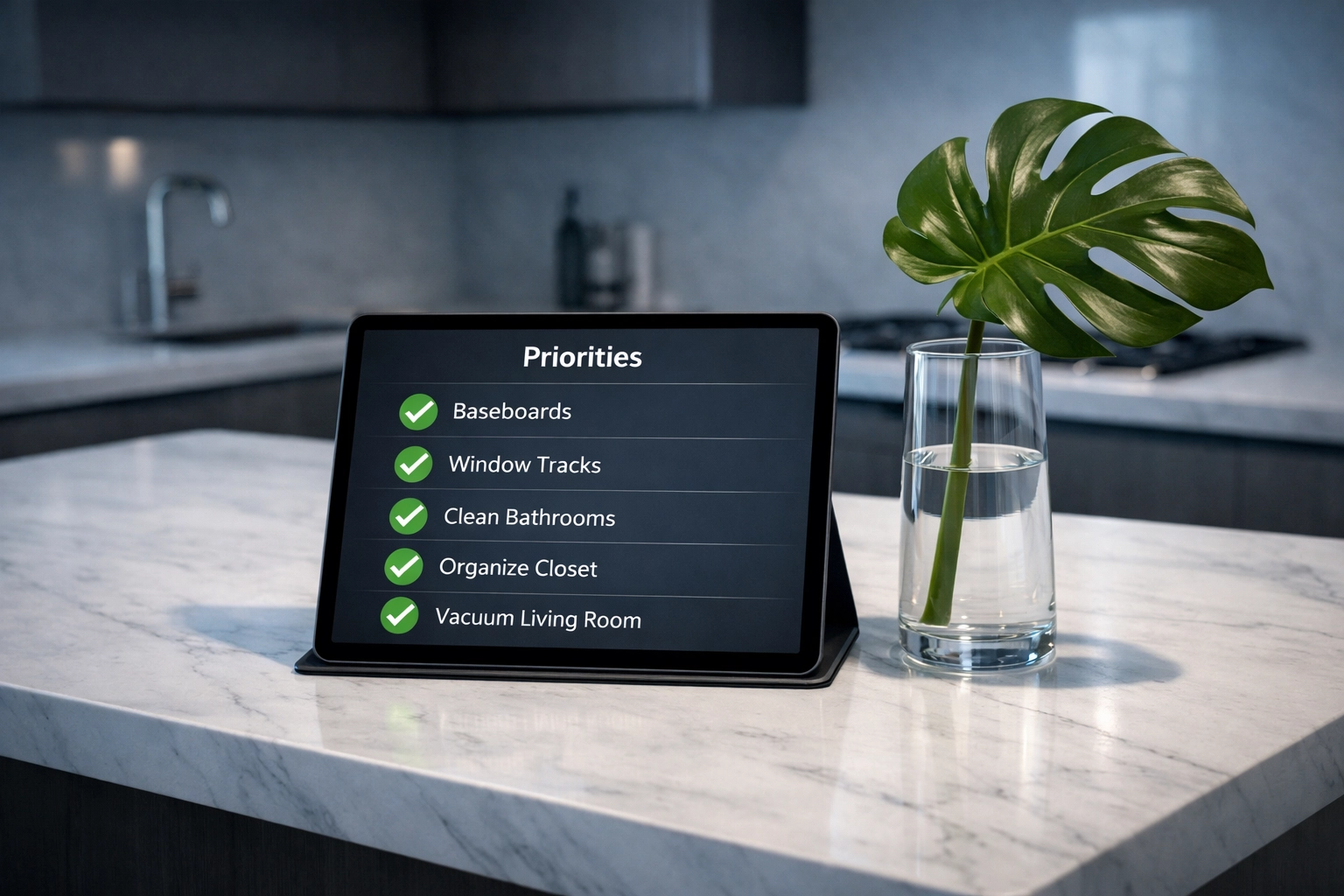
Q. The third error involves a significant deficit in the communication of priorities, where the homeowner assumes a telepathic connection with the service provider regarding specific focus areas. Every residential unit possesses unique architectural features and high-use zones that may require specialized attention during a particular cycle. Failing to provide a prioritized list of objectives leads to a generalized cleaning approach that may overlook specific, albeit temporary, requirements such as the removal of dust from baseboards after a localized repair or the sanitation of guest quarters prior to an arrival. Utilizing a digital or physical "Priority Directive" allows the service provider to align their efforts with the immediate needs of the household, ensuring that the most critical areas receive the highest degree of technical focus… aligning expectations with outcomes.
Close.
Q. An additional oversight involves the failure to procure or verify the compatibility of specialized cleaning agents for unique surface materials within the home. While professional services typically provide high-grade surfactants and disinfectants, certain luxury materials: such as porous natural stones, unsealed hardwoods, or bespoke metal fixtures: require specific chemical formulations to prevent oxidative damage or etching. Homeowners often neglect to inform the service of these material requirements, leading to the use of generalized agents that may degrade the integrity of the surface over multiple bi weekly house cleaning cycles. Documentation of all specialty surfaces should be maintained and shared with the provider to ensure the preservation of structural finishes and the avoidance of irreversible chemical reactions… protecting the material assets.
Close.
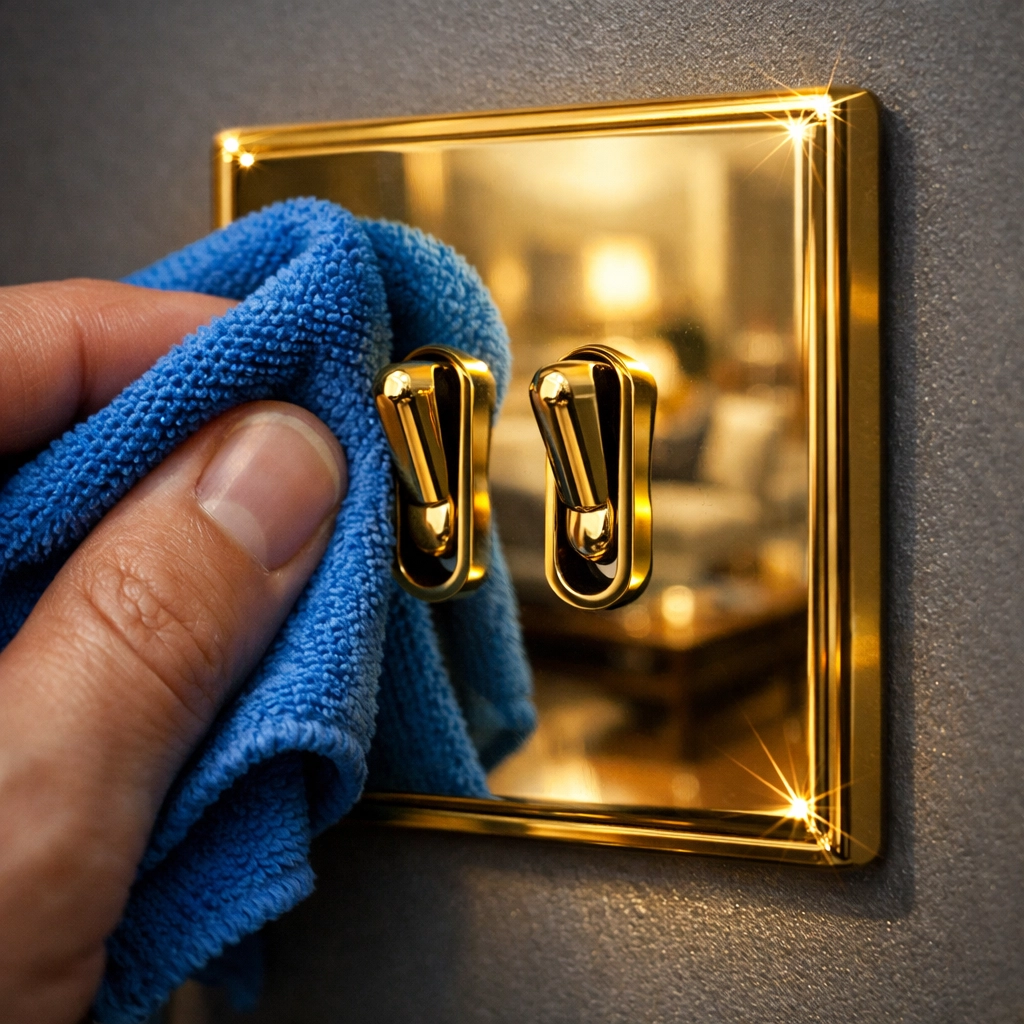
Q. The fifth mistake is characterized by the neglect of "High-Touch" zones, which function as primary vectors for microbial transmission. Light switches, door hardware, appliance handles, and remote-control devices often evade the focus of the occupant between visits. While these items are addressed during the professional service cycle, the fourteen-day hiatus between sessions allows for the exponential growth of bacterial colonies. To mitigate this risk, a supplemental sanitation protocol should be enacted by the resident on a tri-weekly basis, focusing exclusively on these contact points. This proactive measure ensures that the professional service can focus on deep-cleansing maneuvers rather than rudimentary surface disinfection of frequently handled objects… enhancing the biological safety.
Close.
Q. A sixth critical error is the failure to properly prepare the environment by securing pets and sensitive documentation. The presence of unrestrained domestic animals can impede the movement of cleaning personnel and introduce new contaminants immediately following the sanitation of a floor surface. Furthermore, the exposure of sensitive financial or personal information creates a logistical burden for the technician, who must navigate around these items to avoid disturbing the occupant's privacy. Establishing a "Secure Zone" for pets and confidential materials ensures that the cleaning process remains uninterrupted and that all parties maintain a professional boundary during the execution of the service. Detailed guidelines on preparation can be accessed via the sitemap_index.xml for further organizational strategies… streamlining the service delivery.
Close.
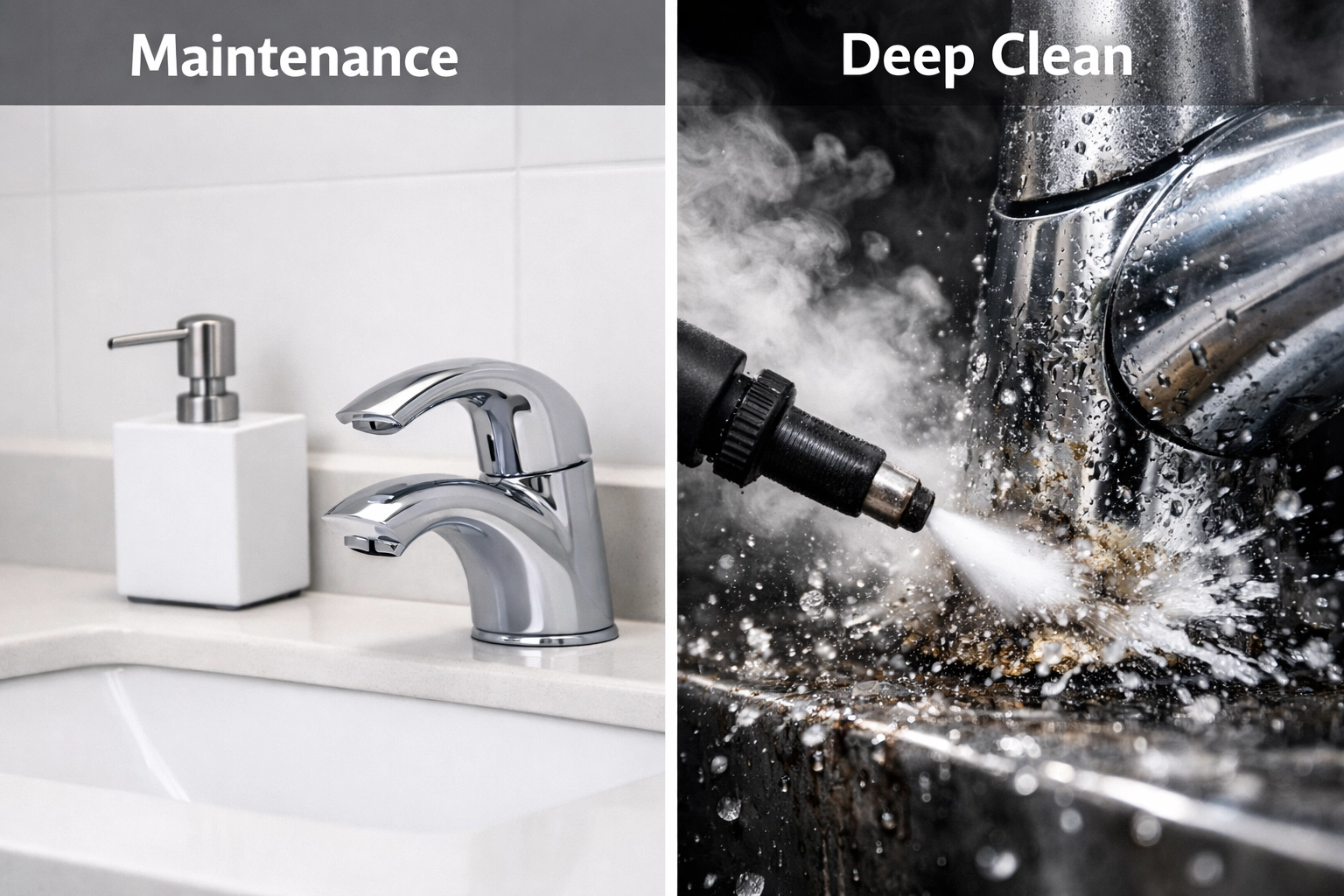
Q. The final mistake pertains to the misunderstanding of the service scope, specifically the distinction between maintenance cleaning and restorative deep cleaning. A bi weekly house cleaning service is designed to maintain an established baseline of cleanliness; it is not a recurring solution for deep-seated grime or post-construction residue. If a residence has undergone a period of neglect or renovation, such as those discussed in post-construction-cleaning-tips-how-to-remove-stubborn-residue-from-kitchen-and-bathroom-renovations-2, the initial intervention must be a specialized deep clean. Expecting a standard maintenance window to address heavy calcification or extensive mold growth leads to dissatisfaction. Accurate assessment of the home’s current state is essential for selecting the correct service tier… achieving the desired standard.
Close.
Q. To facilitate the ongoing maintenance of the "Ninja" standard, a systematic checklist for the intervening thirteen days is recommended. This protocol includes the daily management of dishware, the immediate clearing of kitchen counters, and the consistent disposal of organic waste. By adhering to these micro-routines, the resident prevents the degradation of the environment, allowing the bi-weekly professional visit to function as a refining process rather than a rescue operation. Information regarding the broader maintenance philosophy can be found at thecleaningninjas.com/category/maintenance, which outlines the long-term benefits of consistent environmental care. This methodology ensures that the aesthetic and hygienic quality of the home remains at an optimal level regardless of the time elapsed since the last professional intervention… sustaining the structural integrity.
Close.
Q. Monitoring the efficacy of the service through periodic review is the final component of a successful cleaning partnership. Homeowners often fail to inspect the outcomes of the service in a timely manner, which precludes the possibility of constructive feedback or immediate rectification of overlooked details. A post-service walkthrough allows the occupant to confirm that all items on the Priority Directive have been executed to the required specification. This feedback loop is essential for the continuous improvement of the service provider’s performance and the long-term satisfaction of the client. Engaging with the resources available at thecleaningninjas.com can provide further insights into the standards of professional residential sanitation… perfecting the domestic environment.

Close.