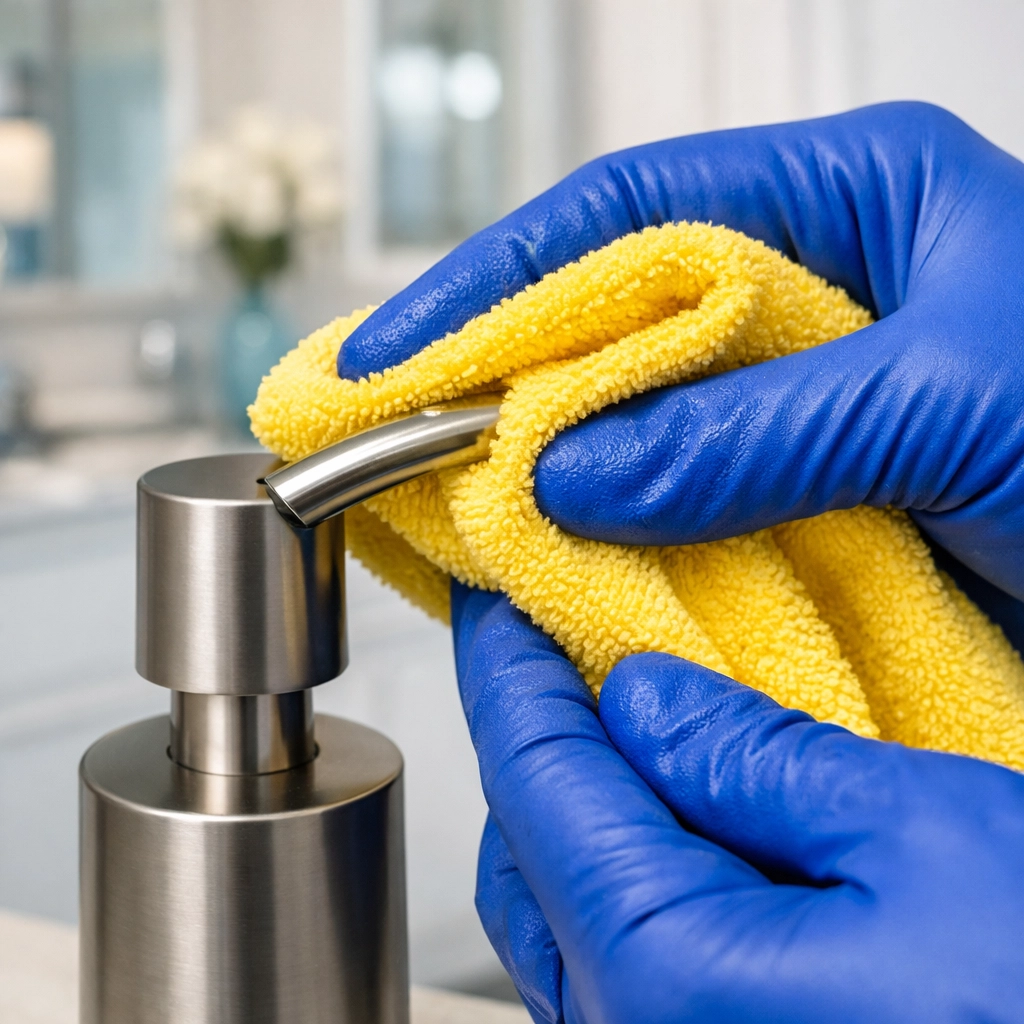
It’s one of the great ironies of the modern home: the very thing we touch to get our hands clean is often one of the germiest spots in the entire house. Think about it. You’ve just finished chopping raw chicken, or you’ve been out pulling weeds in the garden, or maybe you’re just getting home from a long day of touching door handles and elevator buttons. What’s the first thing you do? You head to the sink and press down on that soap dispenser pump with your dirty hands.
It’s one of the great ironies of the modern home: the very thing we touch to get our hands clean is often one of the germiest spots in the entire house. Think about it. You’ve just finished chopping raw chicken, or you’ve been out pulling weeds in the garden, or maybe you’re just getting home from a long day of touching door handles and elevator buttons. What’s the first thing you do? You head to the sink and press down on that soap dispenser pump with your dirty hands.
Over time, that pump becomes a landing pad for bacteria, a magnet for dust, and a sticky mess of dried-up soap. If you’re keeping up with your weekly house cleaning, you probably wipe the outside of the bottle, but when was the last time you gave the internal mechanism a real deep clean? At The Cleaning Ninjas Inc, we believe that true cleanliness lives in the details. Today, we’re pulling back the curtain on how to properly sanitize your soap dispenser pump so it stays functional, hygienic, and clog-free.
Why the Soap Pump Needs a Ninja’s Touch
Most of us assume that because soap is inside the bottle, the whole thing is self-cleaning. Unfortunately, that’s not how it works. The exterior of the pump is a high-touch surface, meaning it’s a prime location for cross-contamination. Meanwhile, the interior of the pump can develop a buildup of old, coagulated soap that traps moisture and creates a breeding ground for biofilm or even mold: especially in foaming dispensers.
Integrating a deep clean of these small fixtures into your bi weekly house cleaning routine ensures that your "clean station" isn't actually making things worse. Plus, a well-maintained pump lasts longer, saving you from having to replace those fancy decorative dispensers every few months.
The Great Disassembly: Don't Lose the "Secret Weapon"
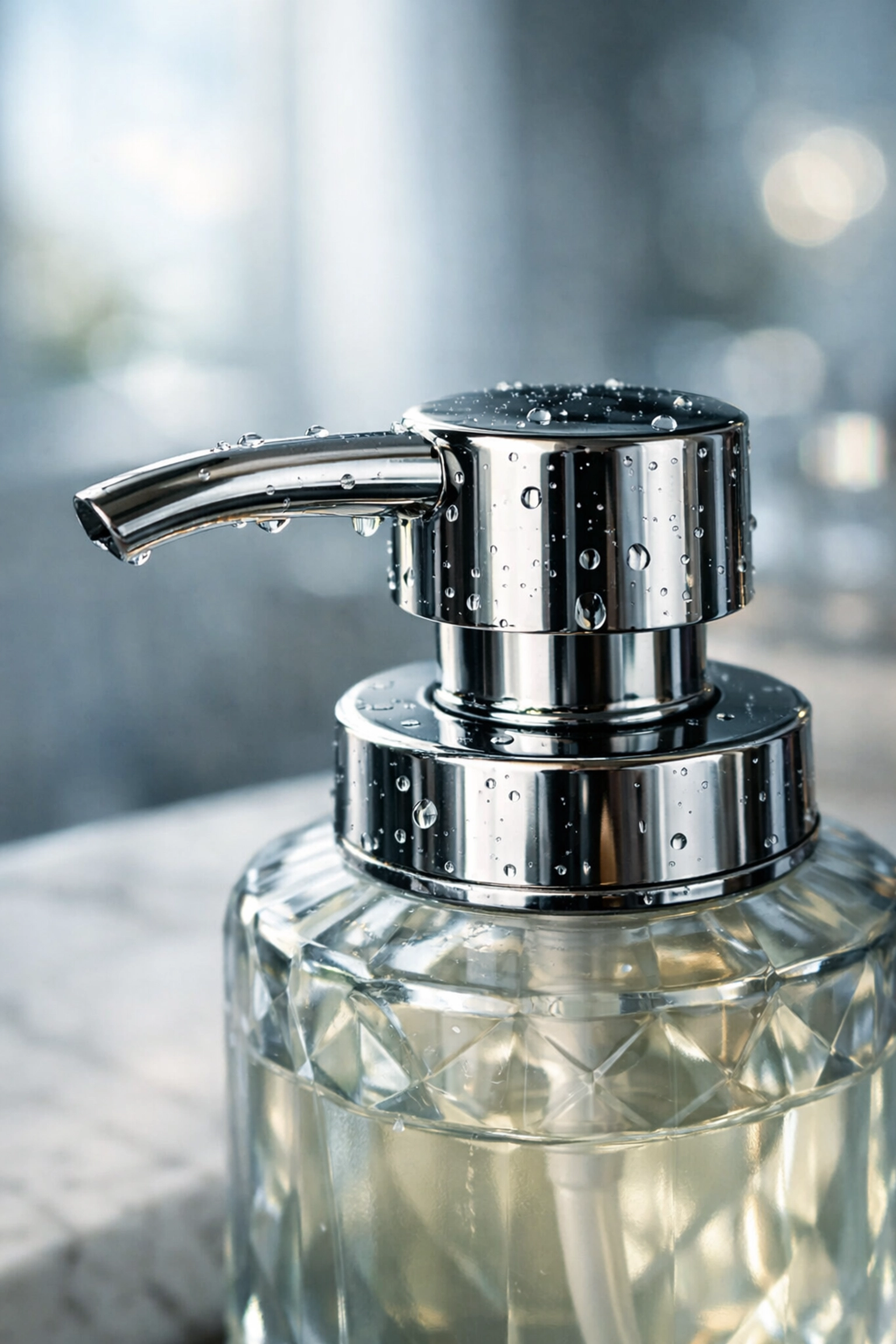
Before you start scrubbing, you need to take the thing apart. Most people just rinse the straw and call it a day, but a true Ninja knows the grime hides in the joints.
- Empty the Bottle: Pour any remaining soap into a temporary container.
- Unscrew the Top: Remove the pump mechanism from the bottle.
- The Sub-Parts: Most pumps have a collar, a spring-loaded head, and a long tube. Gently pull the tube away from the pump head.
Ninja Warning: If you are cleaning a foaming soap dispenser, be extremely careful. These mechanisms often contain a tiny plastic or metal ball bearing inside the housing. This little guy is the "secret weapon" that allows the air and soap to mix. If you tip the pump upside down over an open drain, that ball bearing will vanish faster than a smoke bomb, and your dispenser will never foam again. Always disassemble over a bowl or with the drain plugged!
The Hot Water Flush
Once you’ve got the pieces apart, your first line of defense is heat. Dried soap is surprisingly stubborn, but hot water is its kryptonite.
Fill a bowl with very hot (but not boiling) water and a squirt of grease-cutting dish soap. Submerge the pump components and let them soak for at least 15 to 20 minutes. This softens the "soap gunk" that lives inside the narrow straw and the pump chamber.
After soaking, hold the pump mechanism under the faucet and run hot water through it. Pump the head repeatedly to pull the clean water through the internals. You’ll likely see little chunks of old, discolored soap shooting out. Keep going until the water runs crystal clear.
Sanitizing with the Power of Vinegar
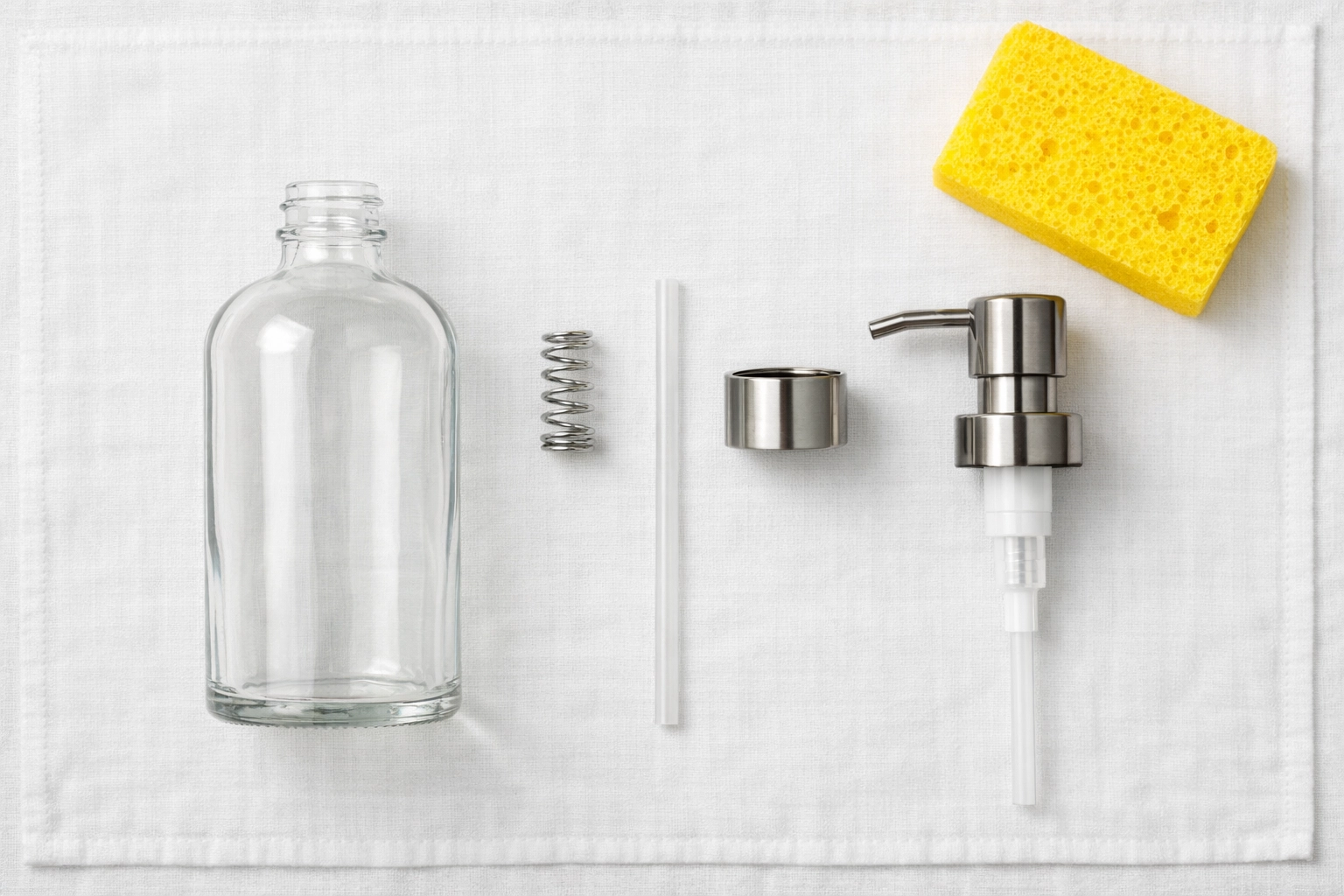
Water gets rid of the visible gunk, but vinegar handles the invisible germs. If you’re doing a thorough weekly house cleaning, vinegar is your best friend. It’s natural, effective, and won't leave weird chemical residues in your hand soap.
Mix a solution of 50% white vinegar and 50% warm water. Submerge the pump head and the tube in this mixture for about 30 minutes. The acetic acid in the vinegar helps break down mineral deposits (especially if you have hard water) and sanitizes the internal passages.
If you notice green or black spots inside the clear plastic tubing, that’s mold. In this case, the vinegar soak is non-negotiable. For an extra boost, you can use a small pipe cleaner or a straw brush to scrub the inside of the tube.
The Paper Clip Trick for Stubborn Clogs
Sometimes, a soap pump just stops working. You press down, and nothing happens: or worse, a tiny stream of soap shoots sideways, hitting you right in the shirt. This is usually caused by a "plug" of dried soap in the very tip of the spout.
If the hot water soak doesn't clear it, it’s time for the Ninja’s precision tool: the unbent paper clip. Straighten out a metal paper clip and gently insert it into the nozzle. Push it through to break up the blockage. Repeat this from the bottom of the pump head as well. Once you’ve broken the seal, flush it again with hot water, and you should see a steady, centered stream return.
Caring for the Exterior
While the inside is soaking, don't forget the bottle itself. If it’s glass or ceramic, you can usually run it through the dishwasher (check the bottom for "dishwasher safe" markings first). If it’s plastic or has a delicate finish, hand wash it with warm soapy water.
For metal pumps that have developed those annoying green spots (oxidation), a paste of baking soda and a little water can work wonders. Rub it on gently with a soft cloth, let it sit for a minute, and wipe away. It’ll look brand new, fitting right in with the rest of your sparkling home after a professional bi weekly house cleaning session.
The Mesh Screen: The Foaming Mystery
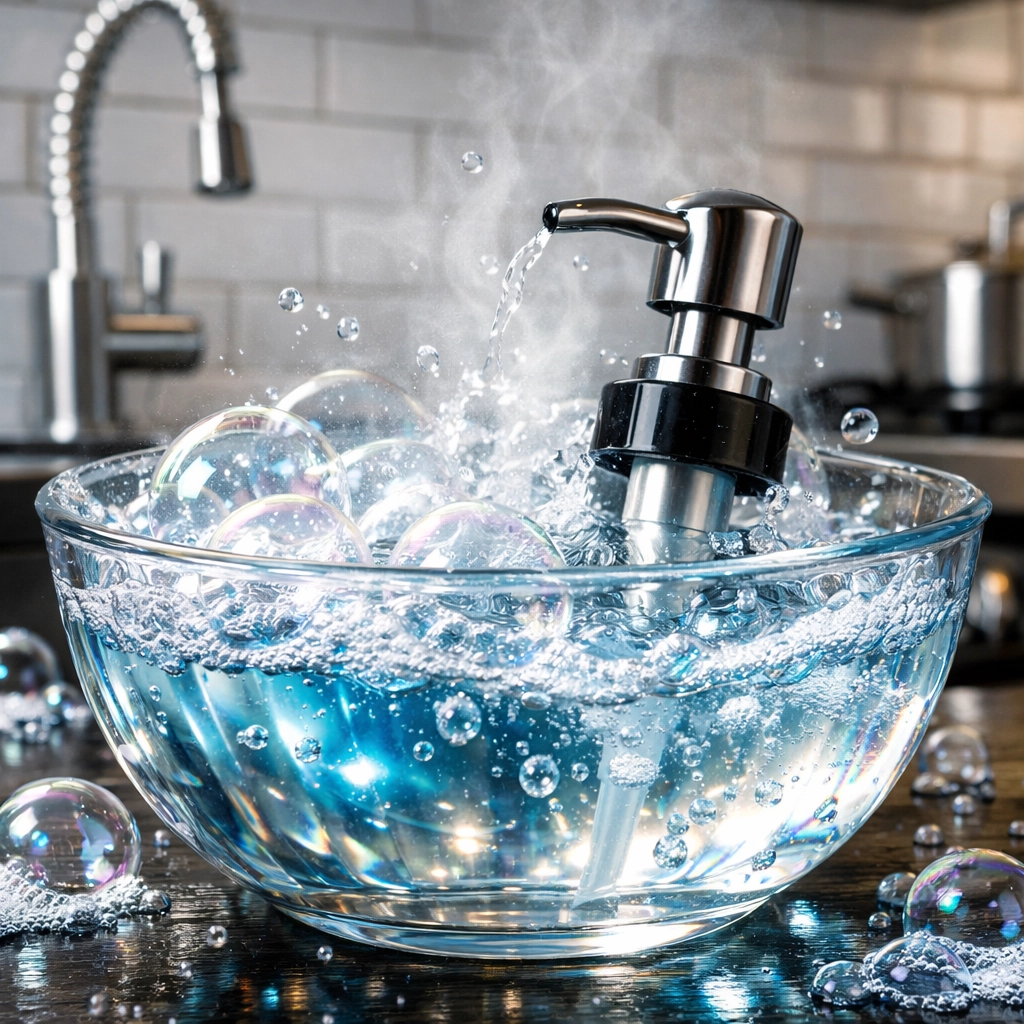
If you use foaming soap and notice the foam is getting "watery" or the pump is getting harder to push, the culprit is likely the mesh screen. Inside the pump head, there’s a tiny, fine-mesh screen that aerates the soap. Over time, soap residue or hard water minerals can coat this screen, blocking the air.
To fix this, soak the pump head specifically in pure white vinegar for an hour. The vinegar dissolves the calcium buildup that's clogging the tiny holes in the mesh. After the soak, blow through the bottom of the pump (where the straw attaches) to clear out any loosened debris.
Prevention: The Ninja Way
You don't want to have to perform "surgery" on your soap dispenser every month. Here are a few ways to keep things running smoothly as part of your regular maintenance:
- The Seasonal Flush: Every time you finish a bottle of soap, don’t just refill it immediately. Take 60 seconds to run hot water through the pump before adding the new soap. This prevents the old residue from building up.
- Wipe the Spout: During your weekly house cleaning, use a damp cloth to specifically wipe the tip of the soap nozzle. This prevents that "crust" from forming.
- Check the Soap Consistency: If you buy bulk soap, make sure it’s compatible with your dispenser. Putting thick, heavy cream soap into a pump designed for thin liquid soap is a recipe for a clog.
When to Call in the Pros
We get it: life is busy. Between work, family, and trying to have a social life, sometimes the "deep clean of the soap dispenser pump" falls pretty far down the to-do list. That’s where we come in. At The Cleaning Ninjas Inc, we pride ourselves on noticing the things most people miss. When we handle your home’s cleaning, we aren't just vacuuming floors; we’re ensuring that every surface, from the baseboards to the soap pumps, is handled with care.
If you’re tired of spending your weekends chasing dust bunnies and scrubbing bathroom fixtures, why not let the experts take over? Whether you need a one-time deep clean or a consistent bi weekly house cleaning schedule to keep your sanctuary in top shape, our team is ready to leap into action. You can learn more about us and our mission to bring peace and cleanliness to every home we touch.
Final Thoughts
A clean soap dispenser is a small thing, but it’s a reflection of a healthy, well-maintained home. By taking a few extra minutes to sanitize the pump mechanism, you’re eliminating a hidden germ hotspot and ensuring your "clean station" stays truly clean.
So, the next time you go to wash your hands, take a quick look at that pump. If it's looking a little worse for wear, grab a bowl of hot water and a paper clip, and channel your inner Ninja. Your hands (and your guests) will thank you!