Maintaining a home in Massachusetts comes with its own set of unique challenges. Between the salt and slush of our winters, the mud of "spring cleaning" season, and the pollen that drifts in during the summer, our carpets really take a beating. We all love that fresh, bouncy feeling of a newly cleaned carpet, but let’s be honest: life happens. Whether it’s a spilled glass of juice during a Patriots game or a muddy pup running through the living room, your floors are the frontline of your home’s defense against dirt.
While professional deep cleanings are essential for reaching the grit buried deep in the fibers, the real secret to a long-lasting, beautiful carpet is what you do in between those visits. Keeping your carpets in top shape doesn't have to be a full-time job, but it does require a bit of a strategy. Here is your ultimate guide to maintaining your carpets like a pro right here in the Bay State.
The Power of the Vacuum: More Than Just a Chore
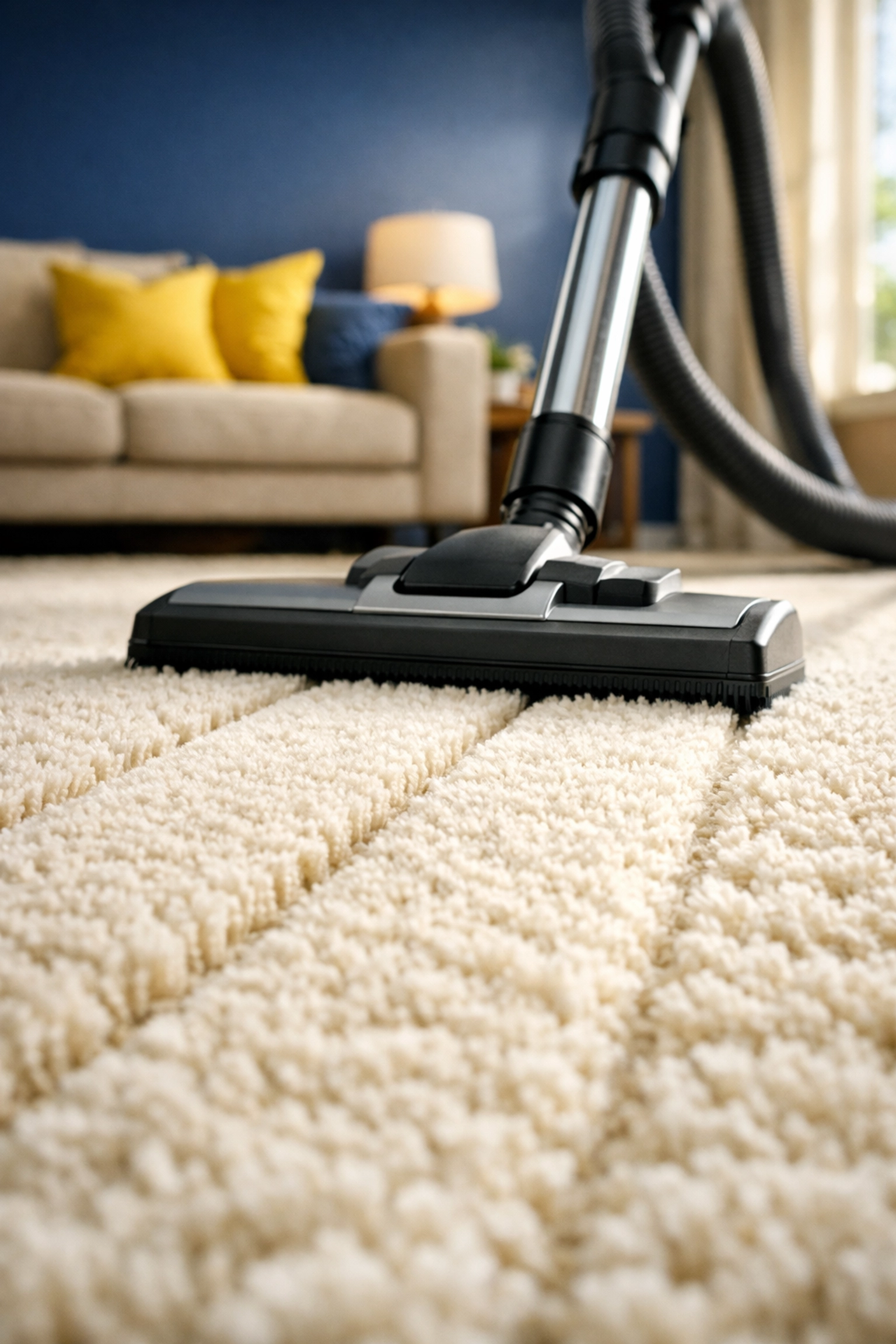
If there is one thing that will determine the lifespan of your carpet, it’s how often and how well you vacuum. It might feel like a repetitive task, but vacuuming is actually your primary defense against "traffic lane" graying: that dull, worn look that happens in hallways and entryways.
According to the Carpet and Rug Institute, you should be vacuuming high-traffic areas at least twice a week. For the rest of your home, once a week is usually sufficient. However, if you have pets or a large family, daily vacuuming in the main living areas isn't overkill; it’s a necessity.
When dirt sits on your carpet, it doesn’t just stay on the surface. As people walk over it, those tiny particles of dirt and sand act like little saws, grinding against the carpet fibers and causing them to fray and break down. Once a fiber is damaged, it loses its ability to reflect light, which is why worn carpets look "dirty" even after they’ve been cleaned.
Vacuuming Technique Matters
Don’t just zip the vacuum back and forth as fast as possible. To truly pull up the grit, you need to use slow, deliberate strokes. Go over the same area several times in different directions to ensure you’re agitating the pile and reaching the dirt trapped near the backing.
The "Blot, Don't Rub" Rule for Spills
We’ve all been there. You see a splash of coffee or red wine hitting the beige rug, and your first instinct is to grab a towel and scrub like your life depends on it. Stop right there!
Scrubbing is the worst thing you can do for a fresh stain. When you rub a spill, you are effectively pushing the liquid deeper into the carpet pad and fraying the delicate tips of the carpet fibers. Instead, grab a clean, white cloth or a stack of paper towels and blot. Apply firm, downward pressure to soak up as much liquid as possible. Work from the outside of the stain toward the center so you don't accidentally spread it.
The Home Remedy Kit
For most common household spills, you don't need fancy chemicals. A simple mixture of one part white vinegar to three parts water can work wonders on many spots. If you're dealing with something greasy, a tiny drop of clear dish soap in a cup of water usually does the trick. Just remember to "rinse" the area afterward by blotting with plain water to remove any soapy residue, which can actually attract more dirt if left behind.
For more specialized advice on keeping your home tidy, check out our cleaning tips.
Stopping Dirt at the Door
The easiest way to keep your carpet clean is to make sure the dirt never reaches it in the first place. This is especially important in Massachusetts, where we deal with road salt and sand for several months of the year. These substances are incredibly abrasive and can chemically damage carpet dyes.
The Two-Mat System
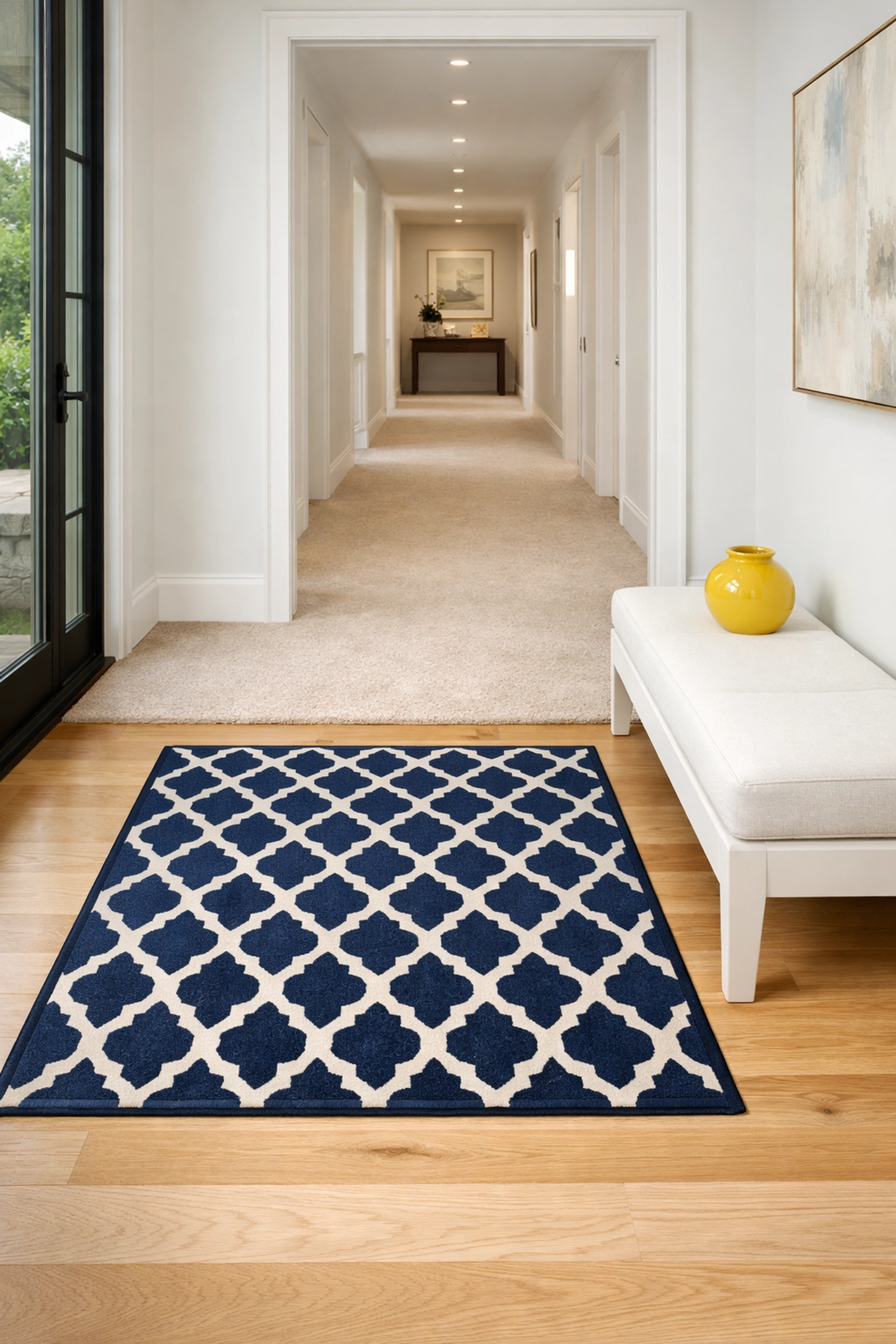
Place a heavy-duty "scraper" mat outside every entrance to catch the bulk of the mud and snow. Then, place a second, softer absorbent mat just inside the door. This "one-two punch" ensures that moisture and fine dust are trapped before someone takes that first step onto your wall-to-wall carpeting.
Embrace the No-Shoe Policy
If you haven't already, consider making your home a shoe-free zone. Shoes carry more than just visible dirt; they bring in bacteria, toxins, and oils from the street. Setting up a dedicated shoe rack or a bench near the door makes it easy for guests and family members to transition into slippers or socks. Your carpets will stay cleaner, and your home will generally feel more hygienic.
Managing Your Furniture
Did you know that your furniture can actually contribute to carpet wear? It’s true! Heavy sofas and tables create permanent indentations if they sit in the same spot for years. More importantly, the layout of your furniture dictates the "paths" people walk through your home.
Every few months, try to shift your furniture by even just a few inches. This changes the foot traffic patterns and prevents certain areas from becoming "matted" down. If you have deep dents from heavy furniture, you can often "revive" the fibers by placing an ice cube in the indentation, letting it melt, and then gently fluffing the area with a spoon or a carpet rake.
Also, be sure to use furniture coasters or felt pads under the legs of your tables and chairs. This distributes the weight more evenly and protects the carpet backing from being crushed.
Pet Owners: The Extra Mile
We love our furry friends, but they are definitely the biggest challenge for carpet maintenance. Between shedding, "accidents," and the dirt they bring in from the backyard, pets require a specific maintenance routine.
- Keep Paws Clean: Keep a towel near the door to wipe your pet’s paws every time they come inside.
- Regular Brushing: The less hair your pet sheds on the floor, the less you have to vacuum. Regular grooming is a secret weapon for carpet longevity.
- Enzymatic Cleaners: For pet accidents, standard soap and water often aren't enough to break down the proteins that cause odors. Keep a high-quality enzymatic cleaner on hand to treat spots immediately.

Don't Forget the Air Filters
It sounds strange, but your HVAC system plays a huge role in how clean your carpets stay. Carpets act like a giant air filter for your home, trapping dust and allergens that settle out of the air. If your furnace or air conditioning filters are clogged and dirty, more of that dust stays in circulation and eventually ends up in your carpet fibers.
By changing your air filters every 60 to 90 days, you reduce the amount of "settling" dust, keeping your floors looking fresher for longer. It’s a simple maintenance task that pays off in both air quality and carpet appearance.
Grooming Your Carpet
If your carpet is starting to look a little flat in the hallways, it might be time for a "grooming." You can purchase a carpet rake or a stiff-bristled brush designed for flooring. Gently raking the carpet pulls up deeply embedded hair and fluff up the pile. This is especially effective for shag or high-pile carpets that tend to get matted down over time. It’s also a great way to make your vacuuming more effective, as it loosens the dirt before you run the machine over it.
When to Call in the Pros
Even with the best daily and weekly maintenance, your carpet will eventually need a deep, professional extraction. Most manufacturers recommend a professional cleaning every 12 to 18 months to maintain your warranty and remove the oily residues that vacuuming simply can't reach.
If you’re wondering about our approach to general home cleanliness, feel free to learn more about us or explore our services to see how we help Massachusetts residents keep their entire homes sparkling.
Final Thoughts
A little bit of consistency goes a long way when it comes to carpet care. By vacuuming regularly, handling spills the right way, and keeping the outdoor elements at bay, you can easily double the life of your flooring. Plus, there’s nothing better than knowing your home is a clean, healthy environment for your family to enjoy.
If you have questions about maintaining other parts of your home or want to see what we’re up to, head over to our blog for more tips and tricks. Happy cleaning!