We spend a lot of time thinking about the air we breathe. We check the outdoor air quality index on our phones, we buy expensive HEPA filters for our bedrooms, and we might even fill our homes with "air-purifying" plants. But there’s a massive factor affecting your home’s air quality that you’re likely walking on every single day: your carpet.
Most of us look at our carpets and see a soft surface for our feet or a cozy place for the kids to play. We might notice a stray crumb or a coffee stain, but we rarely think of our carpet as a functional piece of health equipment. The truth is, your carpet acts like a giant, room-sized air filter. And just like any filter, it eventually gets full.
When your "floor filter" is maxed out, it stops helping and starts contributing to the problem. If you’ve been feeling a bit more congested lately or noticed the air in your home feels "heavy," the solution might be hidden right beneath your toes.
The Carpet as a "Giant Air Filter"
Think about the last time you saw a beam of sunlight streaming through a window. You probably saw thousands of tiny dust motes dancing in the light. Eventually, those particles have to land somewhere. Gravity pulls them down, and for homes with carpeting, that’s where they stay.
Carpets are incredibly effective at trapping airborne pollutants. Dust, pollen, smoke, and even microscopic organisms get tangled in the fibers. In a way, this is a good thing! By trapping these particles, the carpet keeps them out of the air you’re actively breathing. However, there’s a catch.
Unlike the filter in your HVAC system, which you can slide out and replace every few months, your carpet stays put. Over time, those trapped pollutants build up at the base of the fibers. When you walk across the room, sit down on the rug, or when your pet does a "zoomie" across the living room, you create a mini-explosion of these particles. They get kicked back up into your breathing zone, often without you even realizing it.
The Invisible Guests Living in Your Floor
It sounds a bit like a horror movie plot, but your carpet is home to a whole ecosystem of microscopic guests. While regular vacuuming is a great first line of defense, it really only scratches the surface. To truly clear the air, you have to deal with the "Big Five" of carpet contaminants.
1. Dust Mites
These microscopic bugs are the most common cause of non-seasonal allergies. They don't bite, but they live in warm, fiber-rich environments and feed on the dead skin cells we naturally shed. It’s not the mites themselves that usually cause the problem: it’s their waste products. These tiny particles are highly allergenic and can cause sneezing, itchy eyes, and skin rashes.
2. Pet Dander
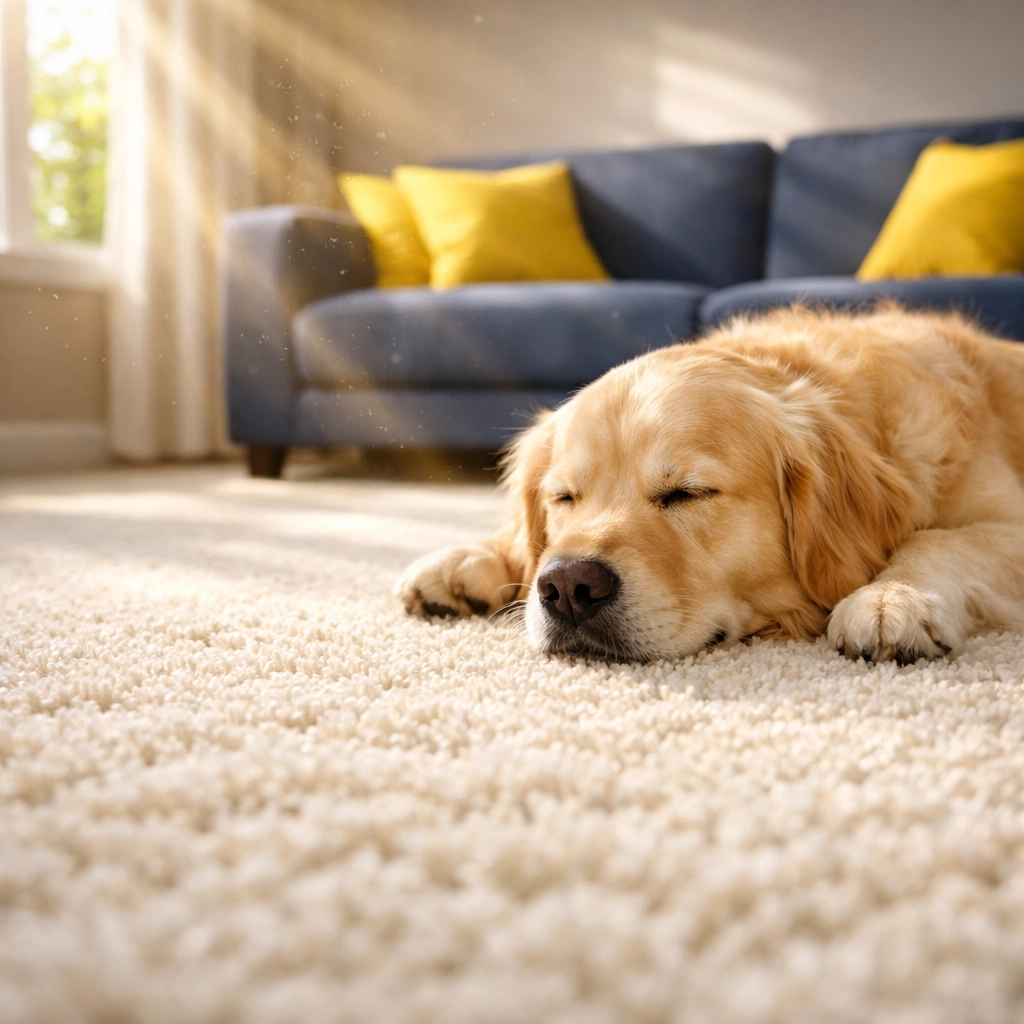
Even if you don't have a "shedder," all pets shed tiny skin flakes known as dander. Because these particles are so small and jagged, they hook deep into carpet fibers. Simple suction from a standard vacuum often isn't enough to dislodge them from the padding or the base of the pile.
3. Pollen and Outdoor Pollutants
Every time you walk into your house, you're bringing a little bit of the outside world with you. Pollen, exhaust particles, and pesticides hitch a ride on your shoes and clothing. Once they hit the carpet, they settle deep down. If you’re an allergy sufferer, your home should be your sanctuary, but a "full" carpet can keep your seasonal allergies acting up long after you've closed the windows.
4. Mold Spores
In humid climates or in homes where spills aren't fully dried, mold spores can find a happy home in the carpet backing. Because these spores are microscopic, you might not see a "patch" of mold, but you might smell that tell-tale musty odor. Professional deep cleaning uses high-temperature water and powerful extraction to neutralize these spores before they become a bigger problem.
5. Bacteria and Viruses
Carpets can be a breeding ground for various bacteria. Studies have shown that some carpets can hold hundreds of times more bacteria per square inch than a toilet seat! This is especially concerning if you have toddlers who spend their time crawling and exploring the floor.
Why Your Vacuum Isn't Quite Enough
We’re huge fans of vacuuming! It’s an essential part of keeping a home healthy. In fact, we often talk about how weekly house cleaning matters for maintaining a baseline of air quality. But a vacuum is like a broom: it’s great for the surface, but it doesn't "wash" the floor.
Standard household vacuums rely on suction and a rotating brush. This works wonders for hair and crumbs, but it can’t reach the sticky, oily residues that bind allergens to the fibers. Over time, those oils (from skin, cooking, and pets) act like glue, holding the dust and dander in place.
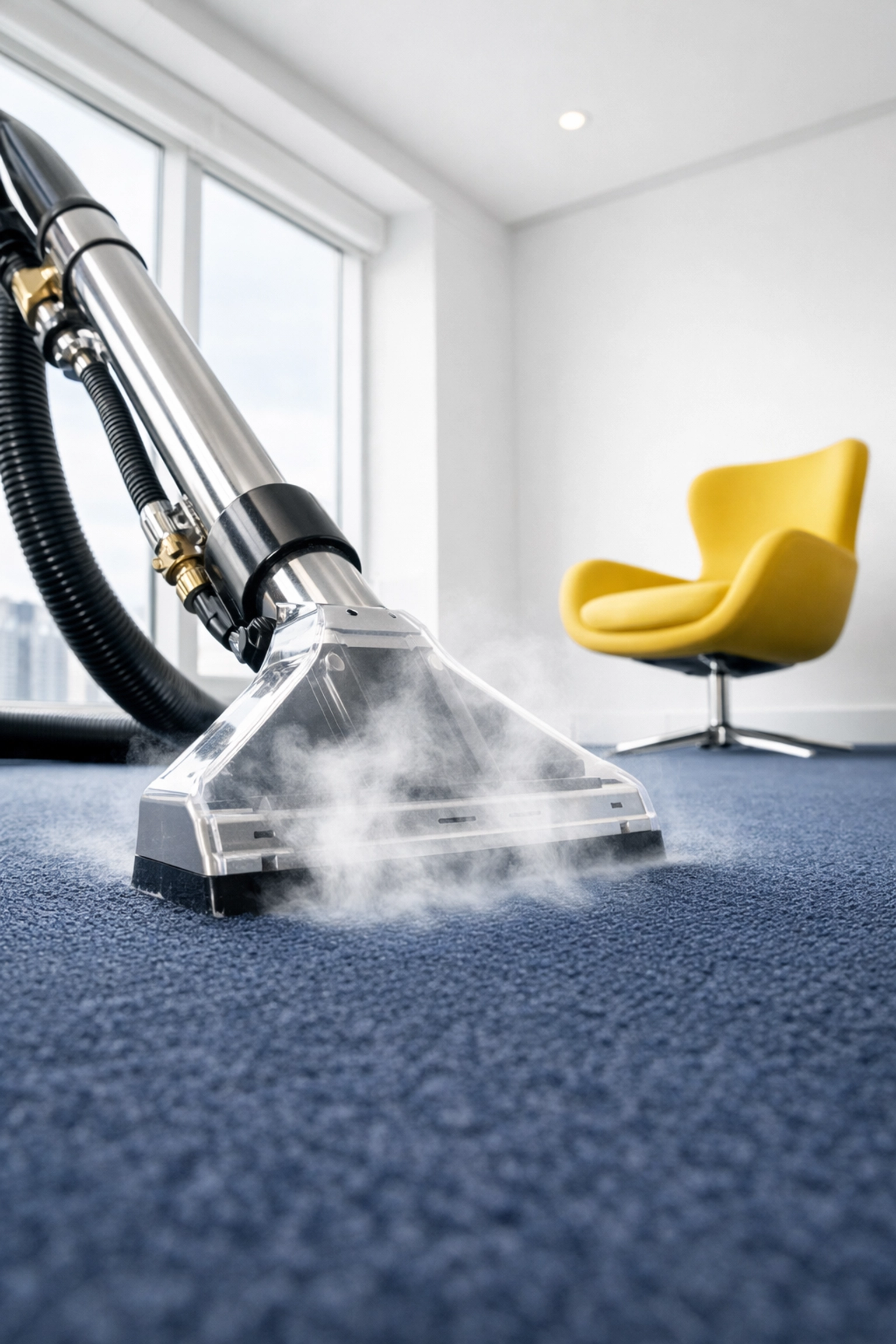
Professional deep cleaning, specifically hot water extraction, works differently. It uses a combination of high-pressure hot water and specialized cleaning agents to break that "oil bond." The water is then immediately extracted with high-powered suction, pulling the deep-seated grime out of your house and into a waste tank. It’s essentially "resetting" your air filter.
Breathing Benefits for Vulnerable Populations
While everyone benefits from a cleaner home, certain groups will notice the change almost immediately after a professional carpet cleaning.
Asthma and Allergy Sufferers: For someone with asthma, the home environment is everything. Reducing the "trigger load" in the air can mean fewer attacks and less reliance on rescue inhalers. Many people report that they sleep better and wake up with less congestion after the carpets have been thoroughly treated.
Children and Infants: Think about a baby learning to crawl. Their face is inches away from the carpet fibers. They’re breathing in whatever is trapped there, and they’re constantly putting their hands (which have been on the carpet) into their mouths. Keeping the "play zone" sanitized is one of the best ways to protect their developing immune systems.
Pets: Our furry friends are even closer to the floor than we are. They are constantly exposed to whatever is lingering in the rug. A cleaner carpet means a healthier environment for them, too: and fewer "pet smells" lingering in your textiles.
The Hidden Financial Benefit: Longevity
We’ve talked a lot about health, but there’s a practical side to this as well. Dirt is abrasive. If you look at a grain of sand under a microscope, it looks like a jagged piece of glass. When those sharp particles are trapped in your carpet, every step you take grinds them against the delicate fibers. This "sandpaper effect" is what causes carpets to look worn out, frayed, and dull.
By removing those abrasive particles through deep cleaning, you’re actually extending the life of your flooring. It’s much cheaper to maintain a carpet through professional cleaning than it is to rip it up and replace it every five years!
What to Expect and How to Maintain the Results
When you decide it’s time to give your "air filter" a reset, the process is usually pretty straightforward. Most high-quality professional cleanings use steam or hot water extraction. The most important part of the process isn't just getting the dirt out: it's getting the moisture out. Professionals use high-powered extraction to ensure the carpet dries quickly, preventing any new mold or mildew from forming.
Once your carpets are fresh and clean, how do you keep them that way?
- The "No Shoes" Rule: This is the single most effective way to keep pollutants out of your home. Leave the pollen and street grime at the door.
- Regular Vacuuming: Aim for at least twice a week in high-traffic areas. This prevents the "filter" from getting overwhelmed between deep cleans.
- Address Spills Immediately: Don't let moisture sit and soak into the padding.
- Scheduled Maintenance: Depending on your household (kids and pets usually mean more frequent needs!), a professional deep clean every 6 to 12 months is usually the sweet spot for health benefits.

Creating a Healthier Home Base
At the end of the day, your home should be a place where you can truly relax and breathe easy. We often don't realize how much the "invisible" stuff in our environment affects our energy levels and our health until it's gone.
If you're curious about how a comprehensive approach to home maintenance can change the vibe of your space, feel free to learn more about us and our philosophy on clean living. Whether it's through our various cleaning services or just some DIY tips you pick up here on the blog, our goal is to help you turn your home into the sanctuary you deserve.
So, take a deep breath. Does the air feel a little heavy? It might be time to give your carpets the deep-clean reset they’ve been waiting for. Your lungs (and your toes) will thank you!