At The Cleaning Ninjas Inc, we’re always looking for ways to make your home shine without relying on a cabinet full of harsh chemicals. We call this our "Green Ninja" philosophy. It’s about finding the hidden potential in everyday items to keep your living space pristine, eco-friendly, and safe for your family and pets. Today, we’re diving into a tip that sounds a little bananas, literally. We’re talking about using banana peels to polish your leather furniture and shoes.
If you’ve ever looked at a dull leather sofa or a scuffed pair of dress shoes and reached for a tin of smelly, chemical-heavy polish, stop right there. You might have the perfect solution sitting in your fruit bowl. It’s cheap, it’s effective, and it’s a great way to reduce waste in your home. Let’s break down why this works and how you can master this Green Ninja technique.
The Science Behind the Slip: Why Bananas?
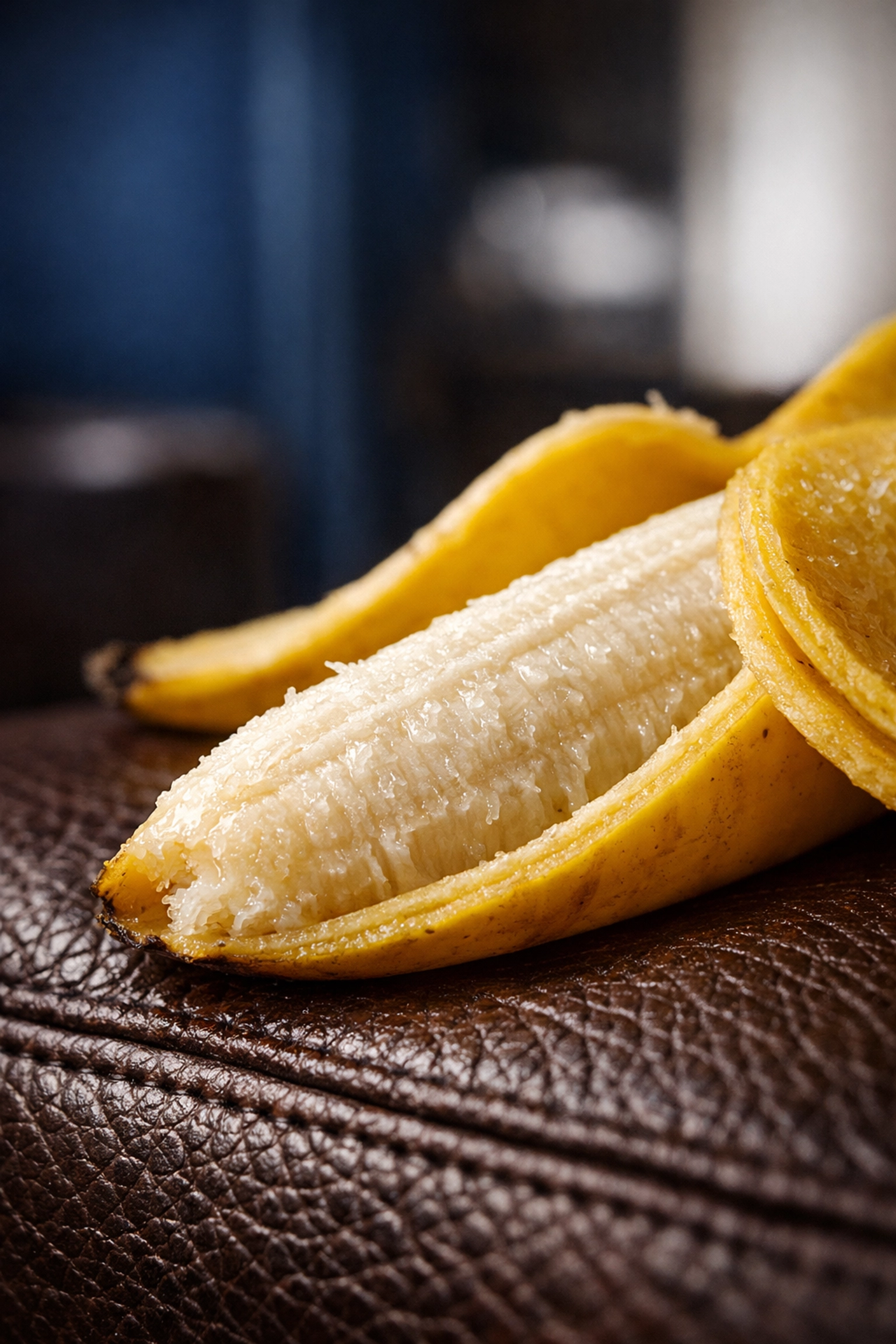
It sounds like a prank, but there is actual science backing up the use of banana peels as a leather conditioner. The primary reason this works is potassium. If you look at the ingredients list on many high-end commercial leather polishes, you’ll often find potassium as a key component. Bananas are, famously, packed with it.
When you rub the inside of a banana peel onto leather, the potassium absorbs into the material, helping to nourish it and restore its natural luster. But potassium isn't the only hero here. Banana peels also contain natural oils and waxes. Leather is essentially skin, and just like your own skin, it needs moisture to stay supple and prevent cracking. The oils in the peel act as a natural conditioner, soaking into the "pores" of the leather to keep it flexible and hydrated.
Why Go Green with Your Leather Care?
Traditional leather polishes often contain petroleum distillates, turpentine, or synthetic waxes. While these can provide a quick shine, they often come with a heavy chemical odor that lingers in your living room for days. Furthermore, these chemicals can sometimes be too harsh for certain types of delicate leather, causing them to dry out faster in the long run.
By switching to the Green Ninja method, you’re avoiding these Volatile Organic Compounds (VOCs). This is especially important for households with kids or pets who spend a lot of time touching or climbing on leather furniture. Plus, you’re giving a second life to something that would otherwise end up in the compost bin or the trash. It’s a win-win for your wallet and the planet.
The Step-by-Step Ninja Method
Ready to try it out? Here is exactly how we recommend doing it to get the best results without making a mess.
1. Choose Your Banana
You want a banana that is ripe but not mushy. A yellow banana with a few brown spots is perfect. If the banana is too green, it won't have enough of those beneficial oils developed yet. If it’s too overripe and black, it will be too soft and might leave a sticky residue that is harder to clean off.
2. The Prep Work
Before you start, make sure the leather surface is free of dust and loose dirt. You can give it a quick wipe with a dry microfiber cloth. If you’re polishing shoes, remove the laces so you can get into the tongue area easily.
3. The Rub Down
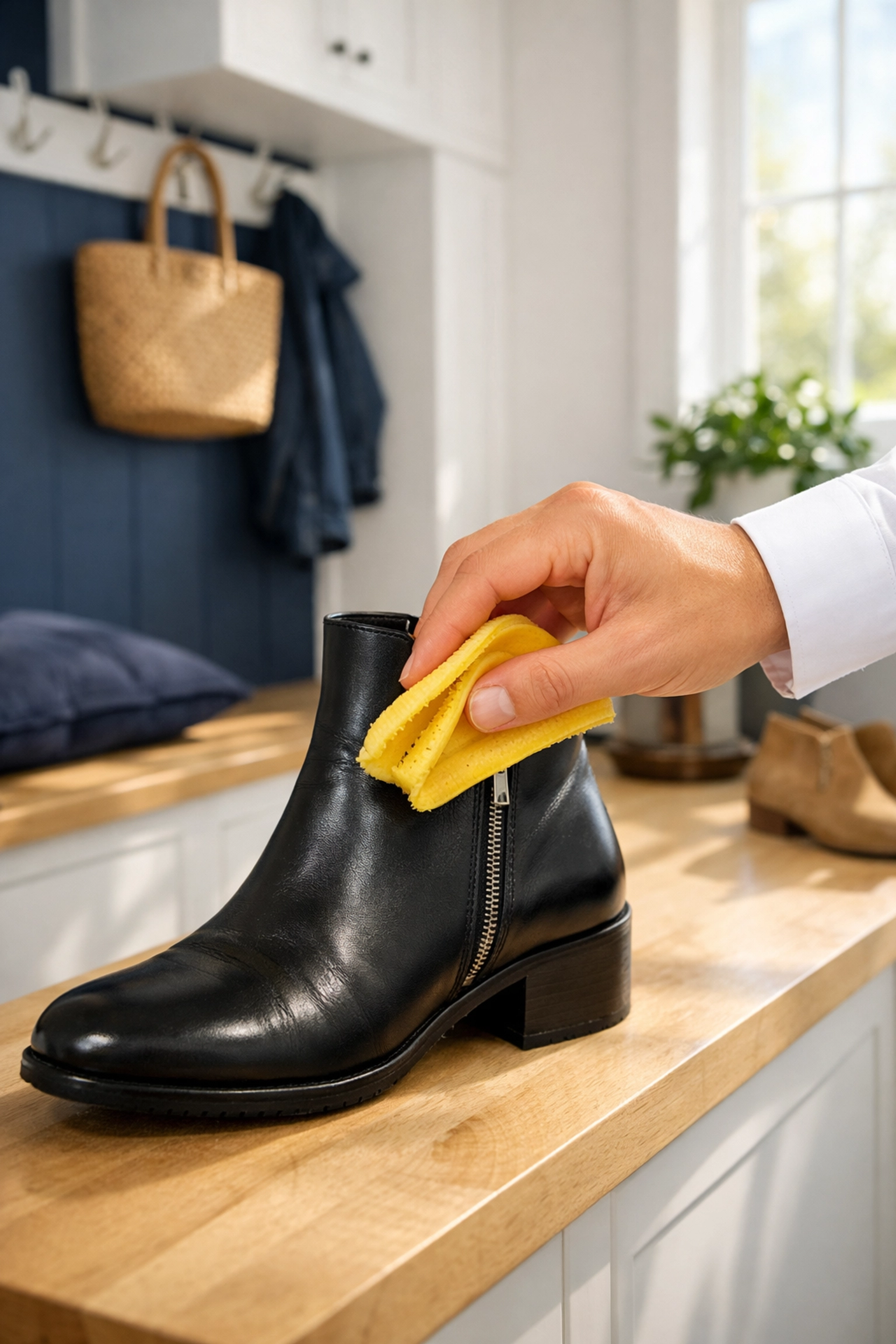
Peel your banana (and feel free to eat the fruit: ninjas need fuel!). Take the inside of the peel: the white, stringy side: and begin rubbing it directly onto the leather. Use small, circular motions. You’ll notice that as you rub, the peel will start to turn brown and the "pith" (the white stuff) will transfer onto the leather. This is exactly what you want.
4. The Waiting Game
Once you’ve covered the entire surface, don’t wipe it off immediately. Let it sit for about 15 minutes. This gives the potassium and natural oils enough time to penetrate the fibers of the leather.
5. The Wipe Down
After the time is up, take a clean, slightly damp cloth and wipe away the leftover banana residue. You don't want to soak the leather; a light dampness is all you need to lift the organic material.
6. The Final Buff
This is where the magic happens. Take a dry, soft microfiber cloth and buff the leather in circular motions. The friction creates a little heat, which helps the oils settle and brings out a beautiful, natural-looking shine.
What Can You Polish with a Banana?
This trick isn’t just for your Sunday best shoes. Because the oils in a banana are gentle, you can use this method on a variety of leather goods:
- Leather Sofas and Armchairs: This is a great way to refresh a large piece of furniture without the cost of professional conditioning treatments.
- Handbags and Purses: Keep your favorite accessories looking brand new.
- Belts and Wallets: These items take a lot of daily wear and tear and can benefit from a quick "banana boost."
- Car Interiors: If you have leather seats in your vehicle, this is a fun way to spruce them up while you're waiting in the car.
If you ever feel like your home needs a deeper level of care beyond these DIY tips, you can always check out our services to see how we handle professional-grade home maintenance.
Important Ninja Precautions
While we love this tip, a true Ninja is always careful. Here are a few things to keep in mind:
Spot Test First: Not all leathers are created equal. Some are "naked" or "unfinished" (like suede or nubuck), and these should not be treated with banana peels or any oils, as they will stain. For finished leather, always do a small spot test on an inconspicuous area (like the back of a sofa cushion or the heel of a shoe) to ensure it doesn't darken the leather more than you like.
Avoid the "Chunks": Make sure you aren't leaving actual pieces of the banana fruit on the leather. You only want the oils and potassium from the pith. If you leave fruit behind, it can get sticky and, eventually, start to smell.
Frequency: You don't need to do this every week. A good conditioning every few months is usually enough to keep leather in top shape.

Beyond the Polish: The Green Ninja Mindset
At The Cleaning Ninjas Inc, we believe that a clean home is a happy home, but we also believe that cleaning shouldn't be a chore that harms the environment. This banana peel trick is just one example of how we approach home care. We’re big fans of looking into the pantry before heading to the hardware store.
Using what you have reduces plastic packaging waste and keeps harmful chemicals out of our water systems. When you're done with your banana peel leather treatment, the used peel can go straight into your compost bin, where it will break down and nourish your garden. It’s a perfect "closed-loop" cleaning system!
If you're interested in more ways to keep your home green and clean, feel free to browse our blog for more tips and tricks. We’re constantly updating it with new "Green Ninja" missions to help you master your domain.
When to Call in the Professionals
DIY tips like these are fantastic for regular maintenance and quick fixes. They save money and provide a sense of satisfaction. However, we know that life gets busy. Sometimes, the leather sofa is the least of your worries when you're trying to balance work, family, and a social life.
That’s where we come in. Whether it’s a deep seasonal clean or regular help to keep the dust bunnies at bay, our team is trained to treat your home with the same care and "Ninja" precision we’d use in our own. You can learn more about us and our commitment to quality service on our website.

Wrapping Up the Banana Hack
Next time you’re about to toss a banana peel, remember your leather goods. It’s a simple, effective, and surprisingly fun way to keep your home looking sharp. It’s these small, sustainable changes that add up to a healthier home environment.
Do you have a favorite weird cleaning hack? We’d love to hear about it! In the meantime, keep your eyes peeled for more tips from The Cleaning Ninjas Inc. Whether it’s using lemons to scrub a sink or vinegar to make your windows sparkle, we’re here to help you become the ultimate Green Ninja of your household.
For more professional advice on keeping your space in tip-top shape, don't forget to visit our cleaning tips section. Happy cleaning, and stay stealthy!