If there is one thing that almost every homeowner agrees on, it is that "stainless" steel is a bit of a lie. We love the way it looks in the showroom: sleek, modern, and shimmering under the recessed lighting. But the moment those appliances enter a real home with real people (and real kids, and real pets), they become magnets for fingerprints, water spots, grease splatters, and mysterious smudges that seem to appear out of thin air.
At The Cleaning Ninjas Inc, we deal with stainless steel every single day. We know the struggle of trying to keep a refrigerator looking pristine when it’s the most high-traffic area in the kitchen. While there are dozens of commercial stainless steel cleaners on the market, many of them are packed with harsh chemicals, synthetic fragrances, and oily silicones that can leave a funky residue.
As part of our "Green Ninja" initiative, we are always looking for ways to achieve a professional-grade shine using items you already have in your pantry. Today, we’re letting you in on one of our favorite secrets: using olive oil to polish your stainless steel. It sounds counterintuitive: adding oil to a surface you’re trying to clean: but when done correctly, it’s a game-changer.
Why Go Green with Your Polish?
Before we dive into the "how-to," let’s talk about the "why." Why skip the fancy spray bottle from the big-box store?
First, there’s the health factor. Most commercial polishes contain petroleum distillates. If you’re spraying these around your kitchen, they can settle on your countertops, your fruit bowl, or even be inhaled. For families with small children who like to put their hands (and mouths) on everything, or for those of us with sensitive pets, non-toxic is the only way to go.
Second, it’s incredibly cost-effective. You don’t need the expensive extra-virgin, first-cold-press olive oil for this. That basic bottle you use for sautéing veggies works perfectly. You only need a few drops, so one bottle will last you roughly a lifetime of polishing.
Finally, olive oil actually does something commercial cleaners often fail to do: it protects. It creates a thin, natural barrier that helps repel water and prevents fingerprints from sticking quite so easily.
The Science of the Shine
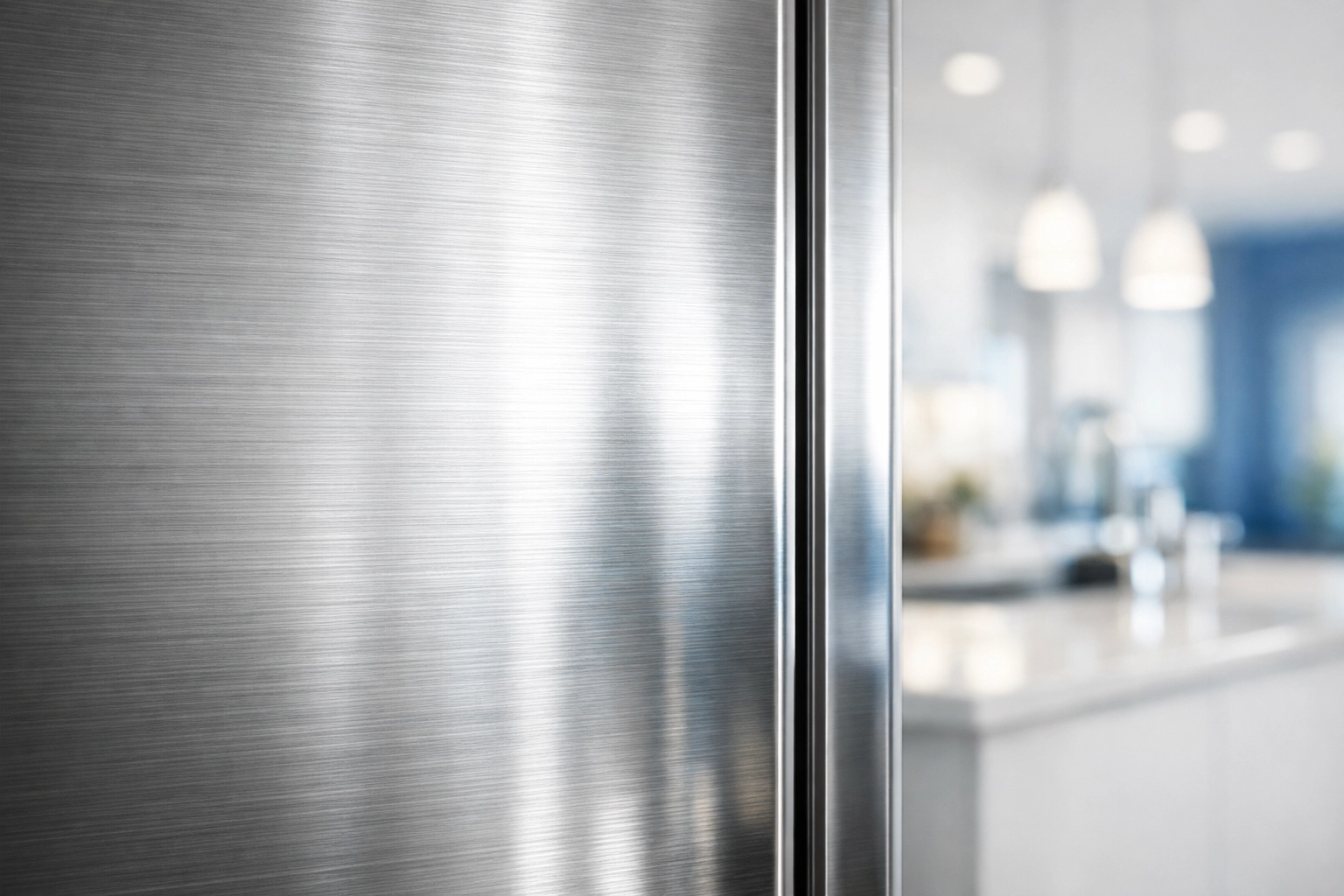
Stainless steel isn't actually a flat, smooth surface on a microscopic level. It has a "grain," much like wood. If you look closely at your dishwasher or fridge, you’ll see tiny horizontal or vertical lines. These "pores" in the metal are where dirt and oils get trapped, making the surface look dull.
Olive oil works because it fills in these microscopic grooves. Instead of light bouncing off uneven dirt and smudges, it reflects off a perfectly level, oiled surface. This is what creates that deep, mirror-like luster we all crave.
Step 1: The Essential Deep Clean
One of the biggest mistakes people make when polishing with olive oil is skipping the cleaning phase. Olive oil is a polish, not a cleaner. If you apply oil over the top of old grease or dried-on food splatters, you’re just going to end up with a sticky, gummy mess.
To start, grab some warm water and a few drops of mild dish soap. Use a soft microfiber cloth to wipe down the entire surface. Pay special attention to the handles and the areas around the water dispenser where grime tends to build up.
If you have particularly stubborn, stuck-on gunk, you can use a 50/50 mix of white vinegar and water. The acidity of the vinegar cuts through mineral deposits and grease effortlessly. Once the surface is clean, wipe it down with a damp cloth to remove any soapy residue.
Step 2: Dry It Completely
Water is the enemy of a good polish. If there are water droplets left on the steel, the olive oil won't be able to bond with the metal properly, and you’ll end up with streaks. Take a fresh, dry microfiber cloth and buff the surface until it is bone-dry.
At The Cleaning Ninjas, we always emphasize using microfiber. Unlike paper towels, which can leave behind lint and dust, microfiber grabs every last molecule of moisture.
Step 3: The Olive Oil Application
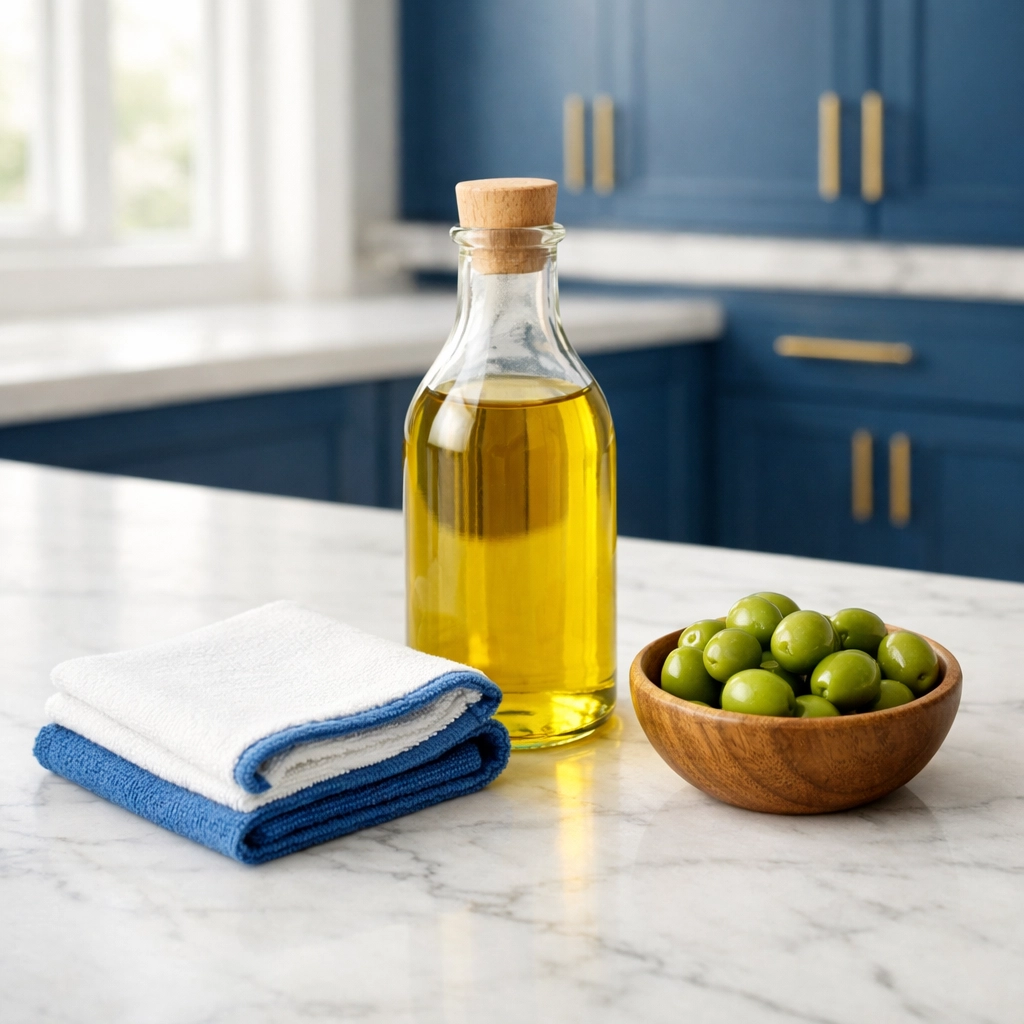
Now for the fun part. Grab your olive oil and a clean, soft cloth (microfiber is best, but a soft cotton rag works too).
The Ninja Secret: Less is more. You don’t need to soak the cloth. Put a small, dime-sized amount of oil onto the cloth: do not pour it directly onto the appliance.
Locate the grain of your stainless steel. Is it running side-to-side or up-and-down? This is crucial. Always apply the oil in the direction of the grain. If you rub against the grain, the oil won’t settle into the grooves correctly, and you won’t get that uniform shine.
Spread the oil evenly over the surface. At this stage, it might look a little greasy. Don't worry: we aren't finished yet.
Step 4: The Buffing Phase
This is where the magic happens. After you’ve spread the oil, take a clean part of your cloth (or a totally new one) and start buffing in small, circular motions. Use a bit of "elbow grease" here. You want to work the oil into the metal and then wipe away the excess.
Keep buffing until the surface no longer feels oily or "tacky" to the touch. When you’re done, the steel should feel smooth and look incredibly bright. If you touch it and leave a big greasy fingerprint, you haven't buffed enough. A properly polished surface should be dry to the touch but visually radiant.
Maintaining the Look
The great thing about the olive oil method is that it lasts. While a standard water-wipe might look good for ten minutes, the olive oil barrier keeps things looking fresh for days.
For your weekly maintenance, you can usually just wipe away new fingerprints with a dry microfiber cloth. The existing oil layer will help the new smudges buff right out without needing to re-apply the oil every single time.
If you find that your kitchen is getting a lot of heavy use, we recommend a full olive oil polish once every two weeks or once a month. It’s a perfect addition to your Green Cleaning routine.

Where Else Can You Use This?
Don't stop at the refrigerator! This method works on almost any stainless steel surface in your home:
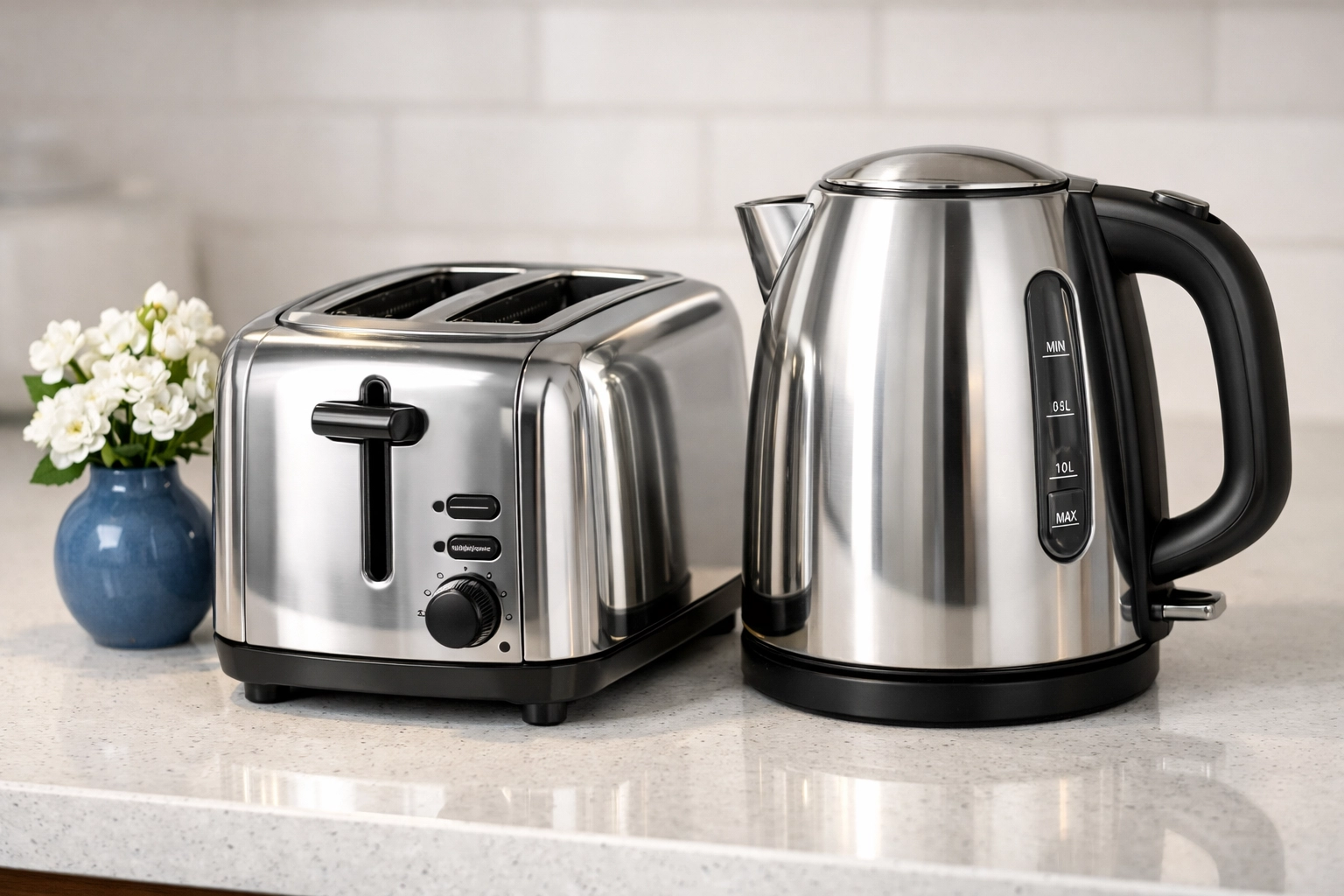
- The Toaster: It’s often the forgotten appliance, but a shiny toaster makes the whole counter look cleaner.
- The Kettle: Especially if it sits on the stove and picks up grease from cooking.
- The Dishwasher Face: This is usually the worst culprit for water drips.
- The Kitchen Sink: After a deep scrub, a tiny bit of olive oil on the basin walls helps water bead up and slide right down the drain, preventing those annoying white mineral spots.
Why "The Green Ninja" Matters
At The Cleaning Ninjas Inc, we believe that a clean home shouldn't come at the cost of your health or the environment. Our About Us page details our commitment to using methods that are safe for everyone in your household.
The "Green Ninja" philosophy isn't just a marketing buzzword; it's how we operate. Whether we are performing a one-time deep clean or regular residential services, we prioritize techniques that minimize harsh chemical exposure. Using pantry staples like olive oil, vinegar, and baking soda is a testament to the fact that nature often provides the best cleaning solutions.
Common Pitfalls to Avoid
Even though this is a simple hack, there are a few ways it can go wrong. To keep you on the right track, keep these "Ninja No-Nos" in mind:
- Don't use Vegetable Oil: While it might work in a pinch, vegetable and canola oils tend to go rancid faster than olive oil. Rancid oil doesn't just smell bad; it can become incredibly sticky and attract more dust.
- Avoid Paper Towels: We’ve mentioned this, but it bears repeating. Paper towels are abrasive on a microscopic level and leave behind "paper dust." Stick to microfiber.
- Don't Over-Oil: If your fridge looks like it’s been dipped in a deep fryer, you’ve used too much. If you can't buff it dry, use a clean cloth to strip some of the oil away and start the buffing process again.
- Forget the "Steel Wool": Never, ever use steel wool or abrasive scouring pads on stainless steel. You will scratch the finish, and those scratches are permanent.
Final Thoughts
Taking care of your home is an art form, and like any ninja, you need the right tools and techniques to succeed. Polishing with olive oil is a simple, effective, and eco-friendly way to keep your kitchen looking like a million bucks without spending a fortune on specialty products.
If you’re feeling overwhelmed by the chores or simply want your home to have that professional "Ninja touch," we are here to help. From Green Cleaning to our specialized laundry services, we handle the dirty work so you can enjoy your beautiful, shiny home.
Give the olive oil trick a try this weekend and let us know how it goes! You might just find yourself addicted to the glow. Stay shiny, friends!