Let’s talk about that moment when you decide to be a "responsible adult" and clean the bathroom. You grab the blue stuff, the yellow stuff, and maybe that scary bottle with the skull and crossbones on it. Five minutes later, you’re coughing, your eyes are watering, and you feel like you just ran a marathon through a cloud of bleach.
If you have sensitive lungs or allergies, the very thing meant to make your home "healthy" is actually staging a coup against your respiratory system. At The Cleaning Ninjas Inc, we’ve seen it all. We know that for many people, the "smell of clean" (usually a mix of ammonia and synthetic pine) is actually the smell of a looming asthma attack.
That’s where the Green Ninja comes in. We’re moving away from the toxic sludge and toward cleaning solutions that won’t leave you gasping for air. Whether you’re dealing with seasonal allergies, chronic asthma, or just a general disdain for chemical fumes, this guide is your roadmap to a truly breathable home.
The Invisible Enemy: VOCs and Your Lungs
Before we get to the fun stuff (like making your own "potion" out of lemons), we need to understand the villain of our story: Volatile Organic Compounds, or VOCs.
VOCs are gases emitted by certain solids or liquids. In the world of household cleaners, these are the chemicals that evaporate into the air at room temperature. When you spray that conventional glass cleaner, you aren’t just getting streaks off the mirror; you’re releasing a cocktail of chemicals that stay suspended in the air for hours. For someone with sensitive lungs, these are like tiny ninjas: but the bad kind: attacking your airways.
Traditional bleach and sulfates are common culprits. They are incredibly effective at killing germs, sure, but they are also caustic. They irritate the mucous membranes in your nose and throat, leading to that itchy, scratchy feeling we all love to hate.

Building Your Green Ninja Arsenal
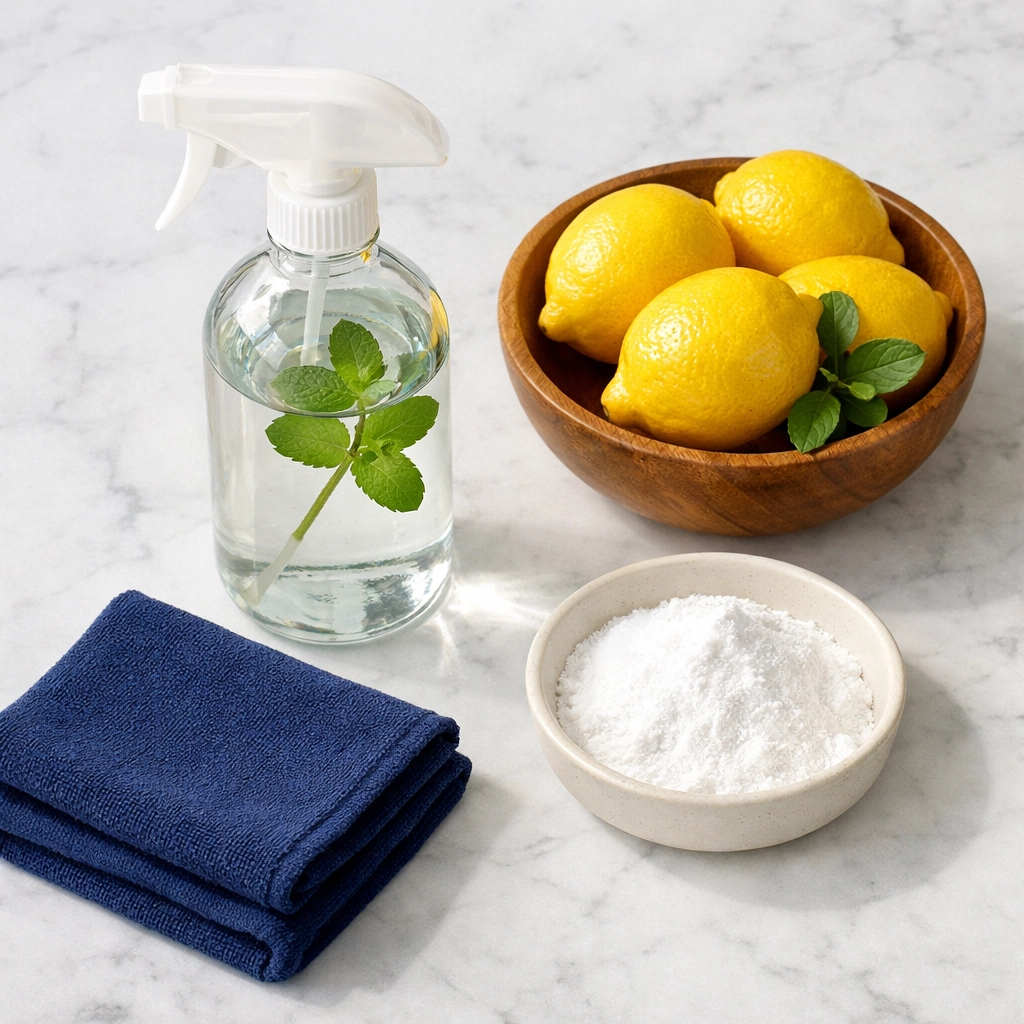
You don’t need a degree in chemistry to clean your house safely. In fact, some of the most powerful cleaning agents are probably sitting in your pantry right now. Transitioning to green cleaning doesn’t just help your lungs; it’s better for the planet and significantly cheaper than those fancy "Power-Scrub 5000" bottles.
1. Distilled White Vinegar: The Multi-Tasking Master
Vinegar is the MVP of green cleaning. It’s acidic enough to dissolve soap scum, hard water deposits, and even some types of glue. Most importantly, it doesn’t release toxic fumes.
- The Hack: Mix equal parts water and vinegar in a spray bottle. Use it on windows, mirrors, and countertops.
- Pro Tip: If the smell of vinegar is too "salad-dressing" for you, infuse it with orange peels or a few drops of plant-derived essential oils like eucalyptus or lavender.
2. Baking Soda: The Gentle Scrubber
If vinegar is the muscle, baking soda is the expert technician. It’s mildly abrasive, making it perfect for scrubbing sinks and tubs without scratching the surface. It’s also an incredible deodorizer because it neutralizes odors rather than just covering them up with fake floral scents.
- The Hack: Sprinkle baking soda on your porcelain fixtures, let it sit for five minutes, and then scrub with a damp microfiber cloth.
3. Lemons: The Natural Degreaser
Lemons are high in citric acid and have one of the best natural scents on earth. They are fantastic for cutting through grease in the kitchen or sanitizing cutting boards.
- The Hack: Rub half a lemon over your faucet to remove water spots and leave it smelling fresh.
The Secret to Dusting (Without the Sneeze-Fest)
If you have allergies, dusting is probably your least favorite chore. Traditional feather dusters are actually "dust-spreaders": they just launch the particles into the air so they can land somewhere else (usually in your nose).
To clean like a ninja, you need to use the Damp Dusting Method. Use a damp microfiber cloth to trap the dust. The moisture holds the allergens to the cloth so you can actually remove them from the environment. Always work from the top of the room to the bottom. If you start with the baseboards and then move to the ceiling fan, you’re just raining dust down on your hard work.
Also, let's talk about vacuums. If your vacuum doesn't have a HEPA filter, you're basically just running a dust-recirculation machine. A HEPA filter traps 99.97% of dust, pollen, and mold particles, making sure they stay in the canister and out of your lungs.
The "Fake Clean" Trap: Avoiding Synthetic Fragrances
We’ve been conditioned to think that a house isn't clean unless it smells like a "Summer Breeze" or "Fresh Linen." In reality, "clean" doesn't have a smell.
Most synthetic air fresheners and scented cleaning products contain phthalates, which are known endocrine disruptors and respiratory irritants. For someone with allergies, these scents can trigger immediate reactions.
If you want your home to smell good, go the natural route:
- Boil a pot of water with cinnamon sticks and apple slices.
- Use an essential oil diffuser with high-quality, plant-based oils.
- Open the windows! High-quality indoor air often starts with letting some outdoor air in (unless it’s high pollen season, then keep those windows shut tight).
Why Consistency is the Best Medicine
For those with respiratory sensitivities, a "deep clean" once every six months isn't enough. Dust and allergens build up quickly. This is why many of our clients opt for our weekly and bi-weekly house cleaning services.
When you have a regular professional cleaning schedule, the "load" of allergens in your home stays low. You don’t have to worry about a massive buildup of mold in the shower or a layer of dust on the bookshelves that requires a hazmat suit to tackle. Our team at The Cleaning Ninjas Inc focuses on the details that matter: like wiping down door frames and getting behind the toilet: where allergens love to hide.
Room-by-Room Green Ninja Tips
The Bedroom: Your Sanctuary
Since you spend about a third of your life here, the bedroom should be the cleanest room in the house.
- Wash linens weekly in hot water to kill dust mites.
- Skip the fabric softener. Those dryer sheets are coated in chemicals that stay on your pillowcase and get inhaled all night long. Use wool dryer balls instead.
The Kitchen: Grease and Gunk
Avoid heavy-duty oven cleaners that require you to leave the house for three hours while they work.
- Make a paste of baking soda and water, coat the oven, let it sit overnight, and wipe it away with a vinegar-soaked rag the next morning. It’s like magic, minus the lung damage.
The Bathroom: Mold and Mildew
Mold is a major asthma trigger. Instead of dousing the shower in bleach, keep a small squeegee in the stall.
- Wipe down the walls after every shower to remove the moisture that mold needs to grow.
- For existing spots, straight white vinegar in a spray bottle is a powerful antifungal.

Let the Ninjas Handle the Heavy Lifting
Living with allergies or sensitive lungs is exhausting enough without having to worry about the chemistry of your cleaning supplies. If you’re tired of the sneezing fits and the chemical headaches, it might be time to bring in the pros.
At The Cleaning Ninjas Inc, we pride ourselves on being friendly, efficient, and mindful of your home environment. We understand the nuances of green cleaning and the importance of detail. Whether you’re looking for a one-time deep clean to reset your space or want to set up weekly or bi-weekly house cleaning services, we’re here to help you breathe easier.
Want to learn more about our philosophy? Check out our About Us page or read what our happy (and easy-breathing) clients have to say on our testimonials page.
Final Thoughts: Small Changes, Big Breath
You don’t have to replace every bottle under your sink overnight. Start small. Swap your glass cleaner for a vinegar-water mix. Switch to a fragrance-free laundry detergent. Every chemical you remove from your home environment is a win for your lungs.
Remember, a clean home should be a healthy home, not a toxic one. Stay green, stay clean, and keep those lungs happy! If you need more tips or want to see what we've been up to lately, head over to our blog for more ninja-level advice.
Happy (Green) Cleaning! 🥷🧼