Welcome to the Green Ninja series. If you have been following The Cleaning Ninjas Inc for a while, you know we are all about finding the most effective ways to keep your home sparkling without relying on a cabinet full of harsh, mystery chemicals. Today, we are heading into the heart of the home: the kitchen: and we are bringing along one of our favorite secret weapons: the humble lemon.
Lemons are more than just a garnish for your water or a key ingredient in your favorite tart. In the world of eco-friendly cleaning, they are a powerhouse. They are natural, biodegradable, incredibly affordable, and they smell better than any "mountain breeze" synthetic fragrance ever could.
At The Cleaning Ninjas Inc, we believe that a clean home should also be a healthy home. That is why we are big fans of minimalist, non-toxic solutions. Let’s dive into why lemons work so well and how you can use them to conquer kitchen grime like a pro.
The Science Behind the Squeeze
Why does a piece of fruit work as well as a commercial degreaser? It comes down to two main components: citric acid and d-limonene.
- Citric Acid: This is a natural preservative and a mild acid. It is fantastic at breaking down alkaline substances like limescale, soap scum, and hard water spots. It also acts as a gentle disinfectant, helping to kill off common household bacteria.
- Limonene: This is the oil found in the lemon peel. It is a powerful solvent, which is a fancy way of saying it’s great at cutting through grease and sticky residues.
When you combine these two, you get a cleaning agent that can tackle everything from a crusty microwave to a dull stainless steel sink.
1. The Ultimate Microwave Refresh
We have all been there. You heat up a bowl of chili without a cover, and suddenly the inside of your microwave looks like a crime scene. Scrubbing those dried-on splatters is a nightmare, but lemons make it effortless.
The Green Ninja Method:
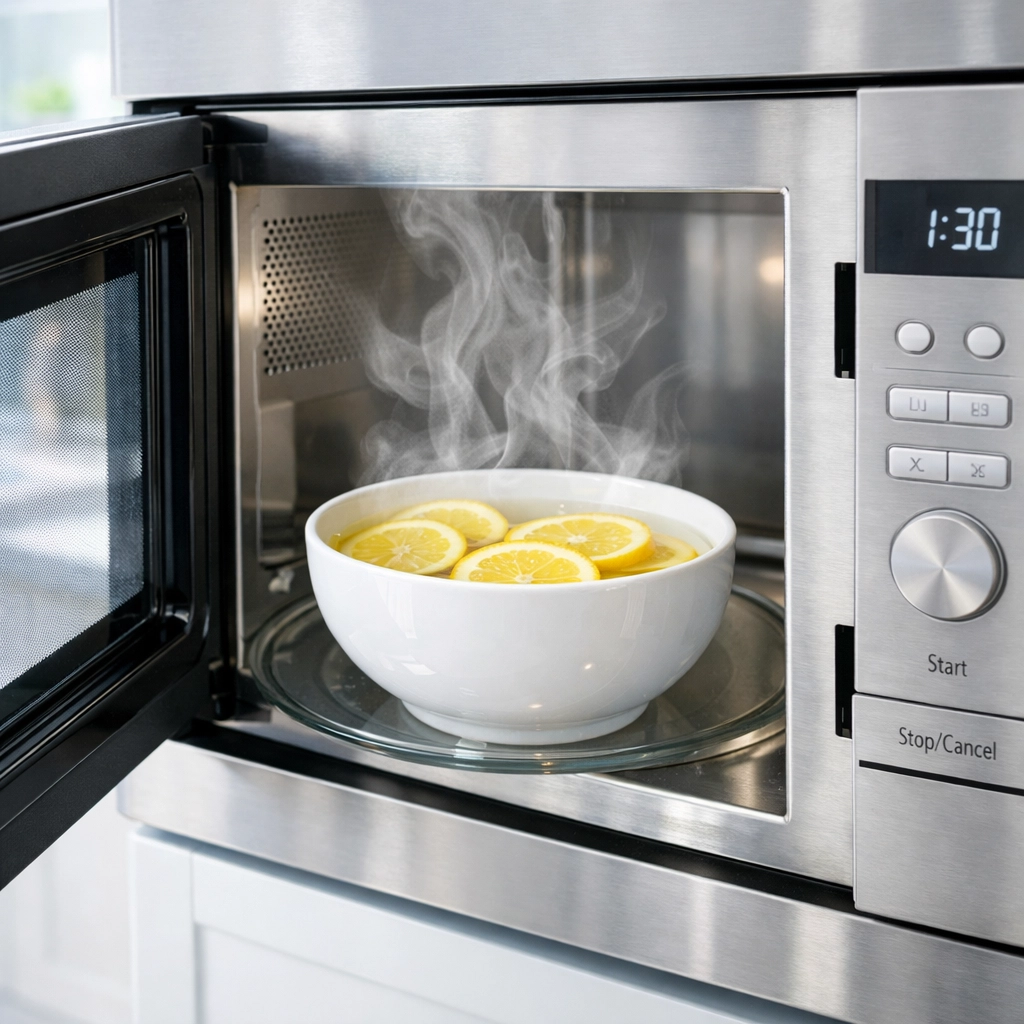
Slice a lemon in half and squeeze the juice into a microwave-safe bowl filled with about a cup of water. Drop the lemon halves into the bowl as well. Place it in the microwave and run it on high for three to five minutes, or until the water is boiling and the window is completely steamed up.
Don’t open the door immediately! Let it sit for another five minutes. The steam will loosen all that stuck-on food, and the lemon oils will help dissolve the grease. After five minutes, simply wipe the inside with a clean cloth. Everything should slide right off, leaving behind a fresh, clean scent.
2. Deep Cleaning Your Cutting Boards
Wooden and plastic cutting boards are notorious for trapping odors. If you’ve chopped garlic or onions recently, that smell can linger long after the dishes are done. Because cutting boards come into direct contact with your food, you really don’t want to soak them in bleach.
The Green Ninja Method:
For a deep, non-toxic clean, sprinkle a generous amount of coarse salt (like kosher salt) over the surface of the board. Take half a lemon and use it as a scrubber, cut-side down. Squeeze slightly as you rub in circular motions, using the salt as an abrasive and the lemon juice as a disinfectant and deodorizer. Let the mixture sit for about ten minutes, then rinse with warm water and dry. Your board will be sanitized and smell like a citrus grove.
3. The Natural Dishwasher Rinse Aid
If you live in an area with hard water, you might notice that your glasses come out of the dishwasher looking cloudy or spotted. Most people reach for a chemical rinse aid, but lemons can do the job just as well.
The Green Ninja Method:
Before you start your next load, squeeze about half a lemon's worth of juice into the bottom of the dishwasher or place a used lemon half (one that still has a bit of pulp) securely in the top rack where it won't fall and block the sprayer. The citric acid will help break down mineral deposits, leaving your glassware sparkling and your dishwasher smelling great.
4. Rescuing Your Kettle and Coffee Maker
Limescale is the white, chalky buildup that appears inside kettles and coffee makers over time. It can make your appliances less efficient and even affect the taste of your morning brew.
The Green Ninja Method:
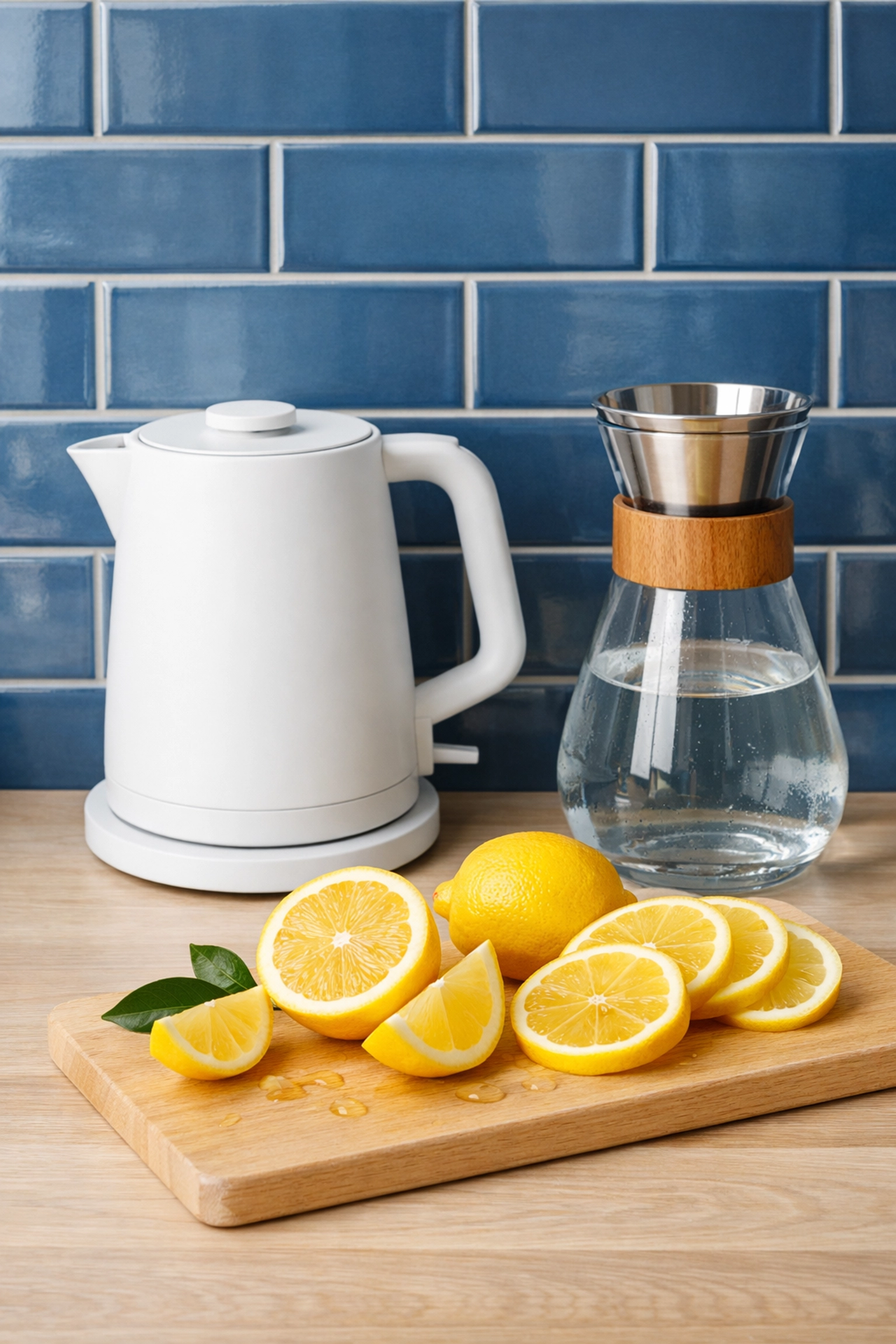
For your kettle, fill it with water and add the juice of one lemon (plus the rinds). Bring it to a boil, then turn it off and let it sit for about 15 to 20 minutes. Pour the water out and rinse thoroughly. For stubborn scale, you can repeat the process or let it sit longer.
This same principle works for drip coffee makers. Run a cycle with a mixture of water and lemon juice, followed by two cycles of plain water to rinse. It’s a much more pleasant experience than the traditional vinegar descale, which can leave your kitchen smelling like a pickle factory for hours.
5. Shining the Kitchen Sink and Faucets
The kitchen sink handles a lot of dirty business, and it’s common for stainless steel to lose its luster or for chrome faucets to get covered in water spots.
The Green Ninja Method:
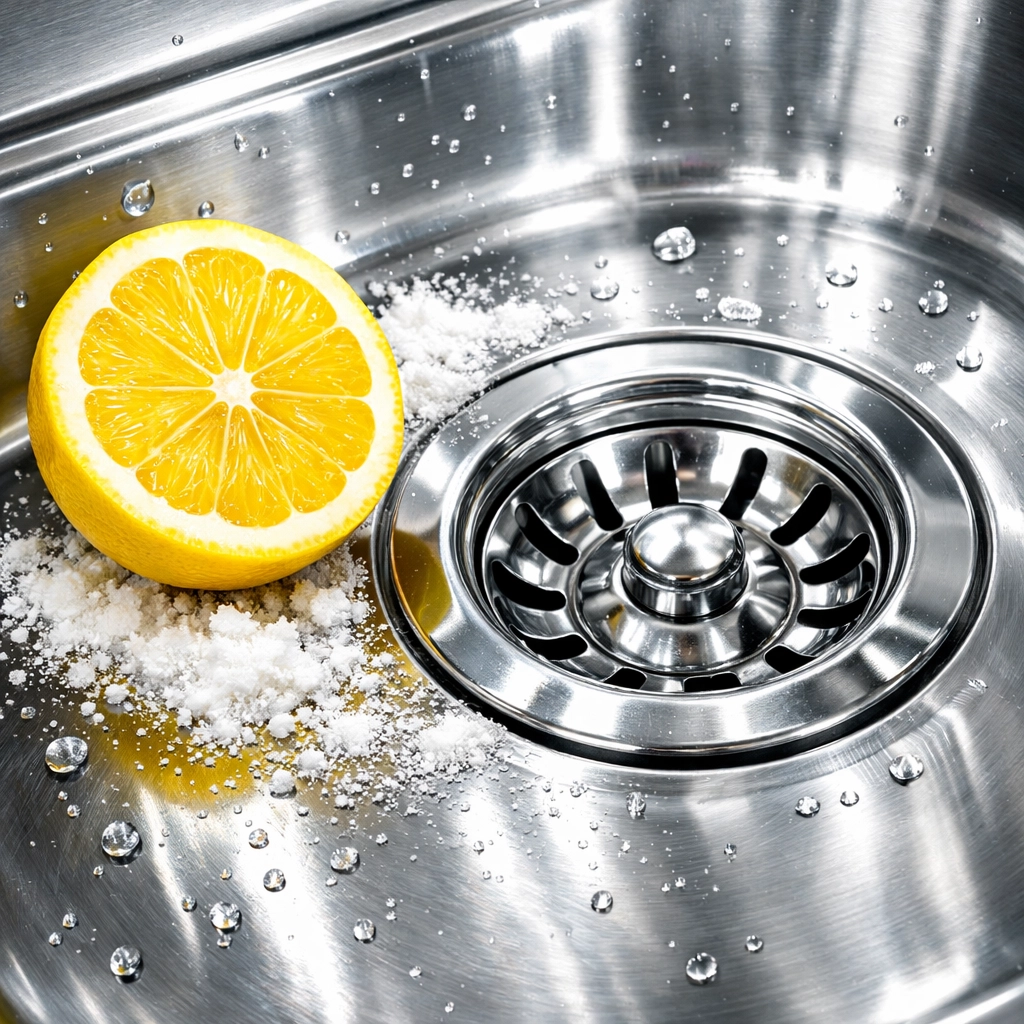
Sprinkle a little baking soda into your sink. Use a lemon half to scrub the surface. The reaction between the mildly acidic lemon and the slightly basic baking soda creates a gentle foaming action that lifts grime without scratching the metal.
For the faucets, rub the lemon peel directly onto the chrome. The oils will help remove spots and leave a beautiful, fingerprint-resistant shine. Rinse with water and buff dry with a microfiber cloth.
6. Freshening the Garbage Disposal
If your sink is starting to smell a bit "off," the garbage disposal is usually the culprit. Tiny bits of food get trapped in the blades and start to decay.
The Green Ninja Method:
Don't reach for the chemical foaming cleaners. Instead, drop a few small lemon wedges (with the peel) down the disposal while running cold water. Turn on the disposal and let it grind them up. The mechanical action of the peel helps clean the blades, while the citric acid and oils kill bacteria and neutralize odors instantly.
7. Removing Stains from Plastic Containers
We’ve all had those plastic storage containers that end up permanently stained orange after holding spaghetti sauce. It feels impossible to get them clean, but the power of the sun combined with a lemon can work wonders.
The Green Ninja Method:
Rub the juice of a lemon over the stained areas of the plastic container. If you have a sunny windowsill or a porch, set the container outside in direct sunlight for a few hours. The combination of the citric acid and UV rays acts as a natural bleach. Wash it normally afterward, and you’ll see those stubborn stains have significantly faded or disappeared entirely.
8. Odor Control in the Fridge
Baking soda is the classic choice for fridge odors, but lemons offer a much faster "reset" for a smelly refrigerator.
The Green Ninja Method:
If you’ve just cleared out some expired leftovers and the smell is lingering, place a few slices of lemon on a small plate and leave them in the fridge for 24 hours. The lemon will absorb and neutralize the odors rather than just masking them. Plus, every time you open the door, you'll get a pleasant, clean scent.
Why We Love the Green Ninja Approach
At The Cleaning Ninjas Inc, we are passionate about the environment and the health of our clients. Using natural ingredients like lemons reduces the number of Volatile Organic Compounds (VOCs) in your home's air. This is especially important for families with small children, pets, or anyone suffering from allergies or respiratory issues.
Beyond the health benefits, it’s also about simplicity. You don't need a different plastic bottle for every surface in your home. Often, the best solutions are already sitting in your fruit bowl. This minimalist approach reduces waste and saves you money.
If you’re interested in learning more about how we incorporate these eco-friendly practices into our professional services, you can check out our About Us page to see our philosophy in action.

Quick Tips for Best Results
- Fresh is Best: While bottled lemon juice works in a pinch, fresh lemons contain higher levels of the essential oils in the rind, which provides extra cleaning power.
- Don't Use on Stone: A word of caution: because lemons are acidic, you should never use them on natural stone surfaces like marble or granite. The acid can "etch" the stone, leaving a dull permanent mark. Stick to stainless steel, glass, wood, and ceramic.
- Compost the Scraps: Once you’ve used your lemon for cleaning, the remains can go straight into the compost bin. It’s a zero-waste cleaning cycle!
Conclusion
Transforming your kitchen cleaning routine doesn't require a total overhaul. Start small by replacing one chemical cleaner with a lemon hack this week. Whether it's steaming your microwave or shining your sink, you'll be amazed at how effective these natural solutions can be.
If you're feeling overwhelmed by the deep cleaning tasks or just want a professional "Green Ninja" touch in your home, we’re here to help. Explore our services to see how we can make your entire home shine using the best techniques in the business.
Stay fresh, stay green, and keep on cleaning like a ninja!