You’ve spent weeks, maybe months, dreaming of your home renovation. You’ve survived the noise, the plastic sheets hanging in every doorway, and the constant hum of power tools. Finally, the contractors pack up their gear, the "Project Completed" sign goes up, and you’re ready to enjoy your beautiful new space.
But then, you see them. A trail of dark, muddy, or dusty boot prints leading from the front door right across your favorite area rug or wall-to-wall carpeting. It’s enough to make any homeowner want to pull their hair out.
At The Cleaning Ninjas Inc, we’ve seen it all. We know that post-construction cleaning is a whole different beast compared to your standard weekly tidy-up. When it comes to carpets, those contractor footprints aren't just surface dirt; they are often a mix of outdoor mud, construction site debris, and fine particulates that can settle deep into the fibers.
Don't reach for the heavy-duty chemicals just yet! Before you panic-scrub and potentially ruin your flooring, let’s talk about how to rescue your carpets using a little ninja-level patience and some eco-friendly techniques.
The Golden Rule: Patience is Your Best Weapon
When you see a wet, muddy footprint on your carpet, your first instinct is usually to grab a rag and start wiping. Stop right there.
Trying to clean wet mud is the fastest way to turn a small footprint into a giant, permanent smudge. When mud is wet, it is essentially a liquid dye. If you push on it, you are pushing those liquefied dirt particles deep into the carpet backing and spreading them across the fibers.
The most important ninja tip we can give you is this: Let it dry completely.
Go grab a coffee, look at your beautiful new renovation, and wait until that mud has turned into a dry, crusty substance. It might look worse for a few hours, but it will be much easier to remove without leaving a lasting shadow.
Step 1: The Dry Extraction (The Vacuum Ritual)
Once the footprints are bone-dry, it’s time for the first phase of the rescue mission. You want to remove as much of the solid material as possible before you ever introduce moisture back into the equation.
Use a dull knife or a spoon to gently break up the large clumps of dried mud. Don't dig into the carpet; just lightly scrape the surface to turn the crust back into dust. Once you’ve broken it up, it’s time for the vacuum.
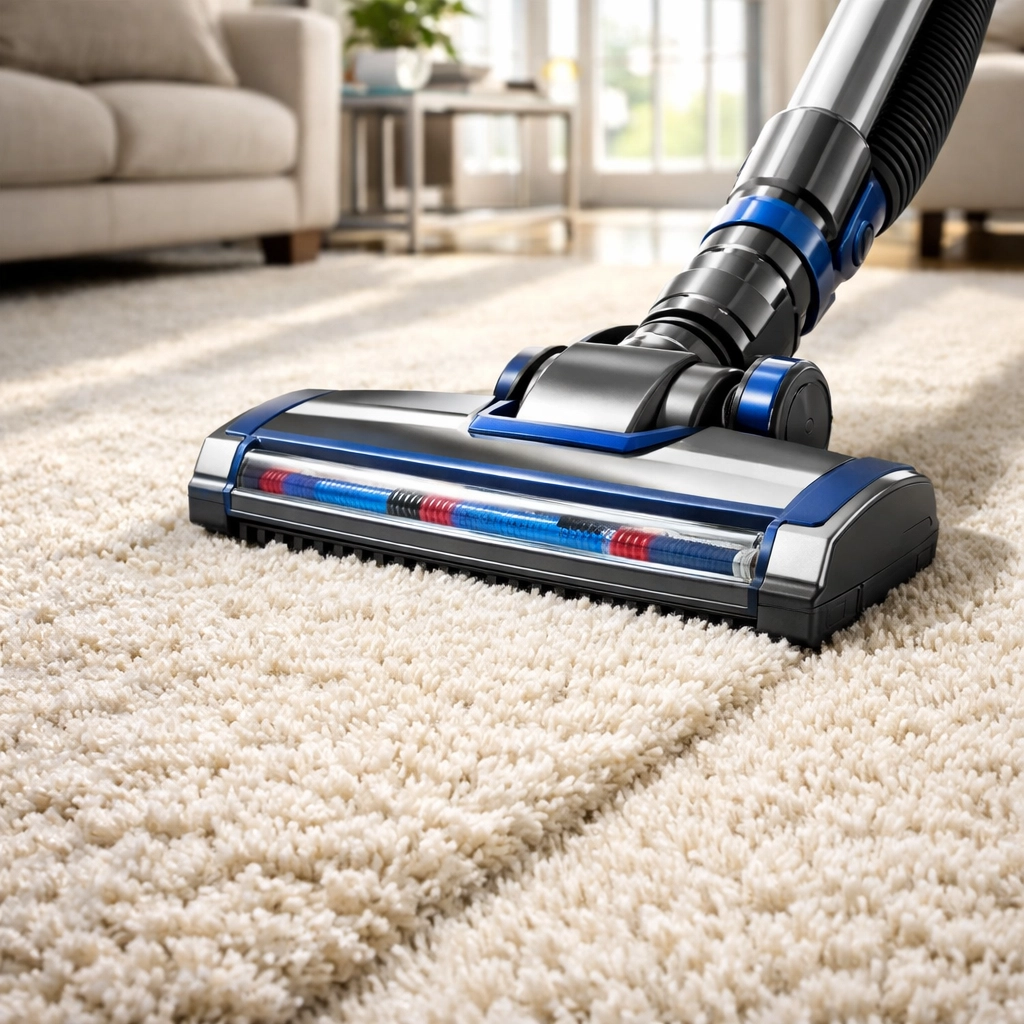
When vacuuming post-construction mess, your technique matters:
- Use the Hose First: Use the suction hose to pull up the loose chunks you just broke apart. This prevents the vacuum’s beater bar from grinding the dirt further down.
- Slow Passes: Once the big stuff is gone, use the upright vacuum. Move slowly. If you zip the vacuum back and forth, you aren’t giving the suction enough time to pull the fine construction dust from the base of the fibers.
- Multiple Angles: Vacuum the area from at least four different directions (think of it like a compass). This ensures you’re getting the dirt trapped on all sides of the carpet loops.
For more information on why high-frequency cleaning matters for your home's air quality after a big project, check out our article on weekly house cleaning benefits.
Step 2: The Eco-Friendly Spot Treatment
Once the dry dirt is gone, you’ll likely be left with a brownish or grayish stain. This is where we bring in the "secret weapons": simple, non-toxic ingredients you probably already have in your pantry. At The Cleaning Ninjas, we love keeping things green and safe for your family and pets.
The Vinegar and Water Solution
White vinegar is a miracle worker for water-based stains (which most mud is).
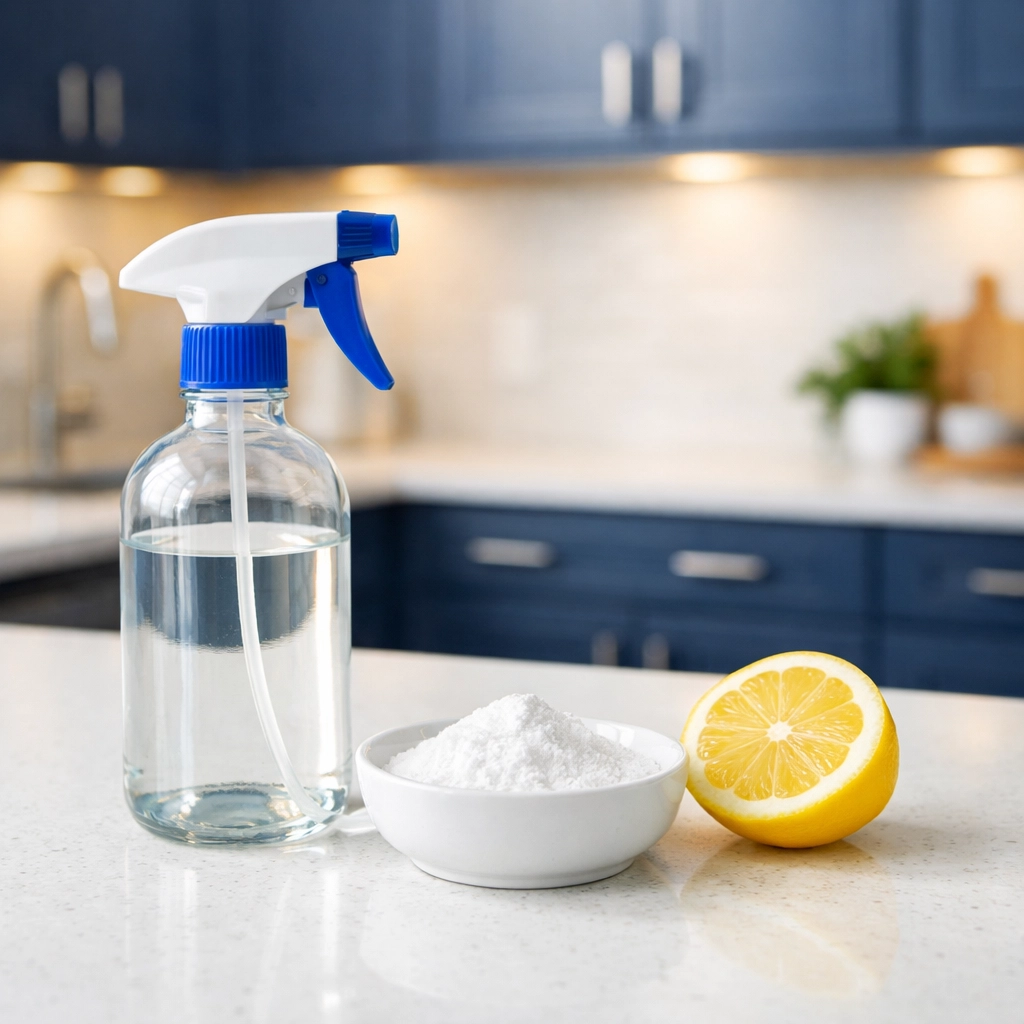
- Mix: 1 part white vinegar to 2 parts lukewarm water.
- Application: Put this in a spray bottle. Lightly mist the stained area. Do not soak the carpet! Over-saturating the carpet can lead to mold or mildew issues in the padding.
The Baking Soda Boost
If the footprints are particularly greasy or have a lingering odor (sometimes contractors track in more than just dirt), sprinkle a little baking soda over the area after you’ve applied your vinegar spray. It will fizz slightly: that’s the reaction working to lift the particles to the surface.
Step 3: The "Ninja Touch" (Blot, Don't Scrub)
This is the part where most DIY carpet rescues go wrong. If you scrub the carpet with a brush or a rag, you are fraying the fibers. This creates a "fuzzy" patch on your carpet that will catch more light and always look like a stain, even if the dirt is gone.
- The White Towel Trick: Always use a clean, white terry cloth towel. Why white? Because you need to see the dirt transferring from the carpet to the towel. If you use a colored rag, the dye from the rag could potentially transfer to your carpet.
- The Blotting Motion: Press down firmly with the heel of your hand. Lift. Check the towel. If there is mud on the towel, move to a clean section of the towel and press again.
- Work Outside-In: Always start at the edges of the footprint and work toward the center. This prevents the stain from spreading outward.
Step 4: Dealing with Stubborn Debris
Sometimes, contractor footprints aren't just mud. Depending on the stage of your project, they might contain:
- Drywall Dust: This is extremely fine. If the vinegar doesn't work, a tiny drop of clear dish soap (no dyes!) mixed with water can help break the surface tension of the dust.
- Sawdust: This usually comes out with the "Dry Extraction" phase, but if it's stuck in the fibers, a soft-bristled brush used very gently in a circular motion can help loosen it.
- Grease or Oil: If the contractors were working on plumbing or HVAC, they might have tracked in grease. For this, a dedicated eco-friendly spot treatment or a mixture of baking soda and a tiny bit of dish soap left to sit for 10 minutes can work wonders.
If you’re feeling overwhelmed by the sheer scale of the mess after a big renovation, you can always learn more about our services and how we handle deep cleans.
Step 5: The Final Rinse and Dry
After you’ve successfully blotted away the stain, you need to "rinse" the area. Any leftover soap or vinegar residue can actually act as a magnet for future dirt, causing the footprint to "reappear" a few weeks later.
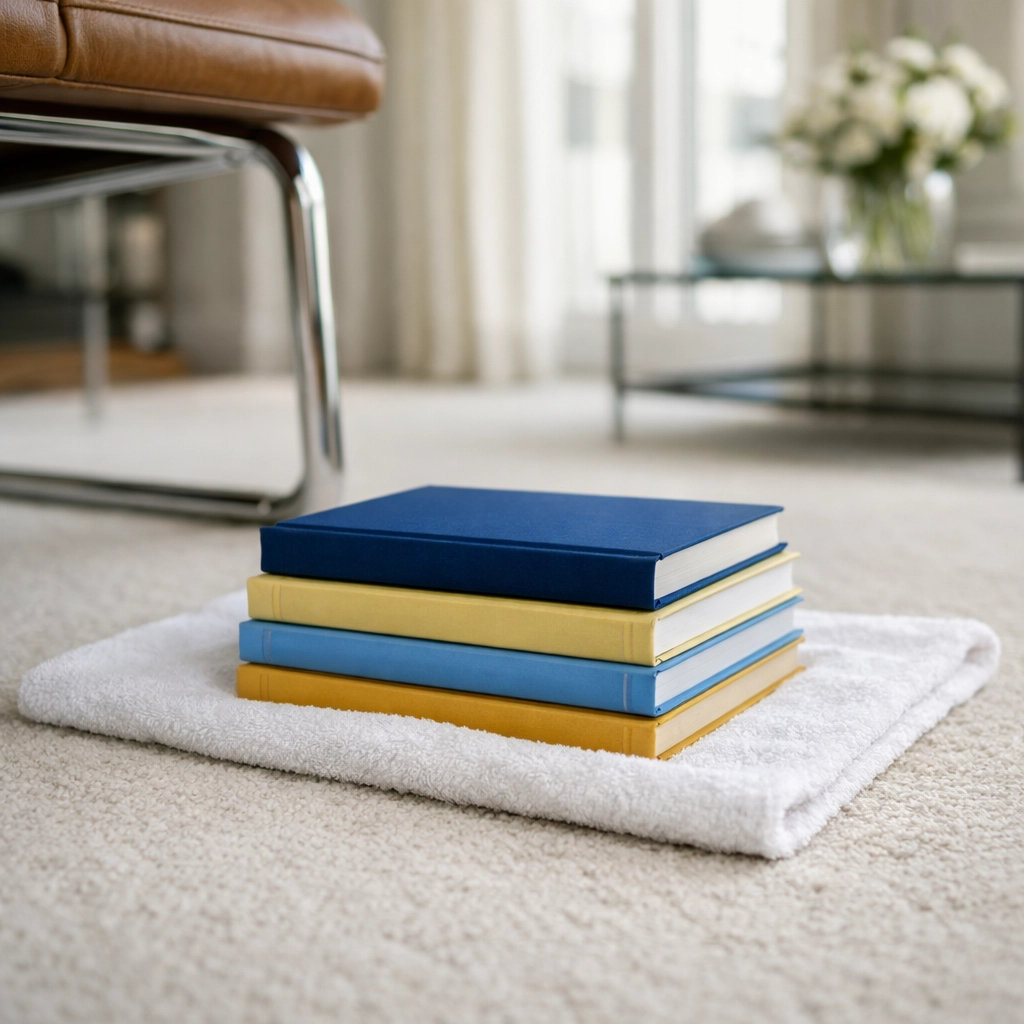
Dab the area with a fresh cloth dampened only with plain water. Then, place a dry, heavy towel over the spot and put something heavy on top (like a stack of books) for a few hours. This will wring the moisture out of the deep fibers and into the towel.
Why Post-Construction Cleaning is Different
You might be wondering why these footprints seem so much harder to clean than the ones your kids or dogs track in. The reason is the nature of the debris. Construction sites are full of "particulate matter": microscopic bits of wood, metal, gypsum, and silica.
These particles are jagged. When someone walks on them, they act like tiny saws, cutting into your carpet fibers. That’s why we emphasize the "Dry Extraction" and "Blotting" steps so heavily in our cleaning tips. We aren't just trying to make the carpet look pretty; we’re trying to save the life of the carpet.
Preventive Measures for the "Next Time"
If your renovation is happening in phases, or if you have more contractors coming in for finishing touches, here is how you can protect your sanity:
- Floor Protection Film: This is a sticky plastic film designed specifically for carpets. It’s cheap, and it’s the ultimate defense against boot prints.
- The "Bootie" Rule: Keep a box of disposable shoe covers by the door. Most professional contractors are happy to wear them if they are provided.
- Walk-Off Mats: Place heavy-duty mats both inside and outside the entry door. It takes about five steps on a mat to remove 80% of the debris from the bottom of a boot.
Finding Your Inner Ninja
Cleaning up after a renovation is a marathon, not a sprint. It’s easy to feel defeated when your "new" house feels dirty, but with the right techniques, those boot prints will be a distant memory.
At The Cleaning Ninjas Inc, we pride ourselves on a "friendly but fierce" approach to grime. We love helping homeowners navigate the transition from a messy construction zone to a peaceful sanctuary. If you want to know more about who we are and our philosophy on a clean home, feel free to visit our About Us page.

When to Call in the Pros
If you’ve tried the DIY methods and the stain is still staring back at you, or if the contractor footprints cover every square inch of your home, it might be time for a professional touch. Post-construction cleaning requires specialized equipment, like HEPA-filter vacuums and industrial-grade (yet safe) extractors that can handle the volume of dust that residential tools sometimes struggle with.
For more helpful guides on keeping your home in tip-top shape, head over to our blog. Whether you’re trying to decide between weekly vs. bi-weekly cleaning or looking for advice on professional office cleaning, we’ve got you covered.
Wrapping It Up
Don't let a few muddy footprints ruin the joy of your new home. Remember the Ninja Method:
- Wait (Let it dry!)
- Vacuum (Slow and steady!)
- Vinegar (Eco-friendly power!)
- Blot (Never scrub!)
Your carpets will thank you, and your home will finally start to feel like the sanctuary you worked so hard to create. Happy cleaning, and enjoy that beautiful new space!