Let’s be real for a second, nobody actually likes cleaning the bathroom. It’s the one chore that most people push off until the very last second. And when you finally get around to it, there is nothing more frustrating than looking into the bowl and seeing that stubborn, crusty, brownish-orange or gray ring right at the waterline. You scrub, you flush, you use the standard blue cleaner, and… nothing. It’s still there, mocking your efforts.
At The Cleaning Ninjas Inc, we believe your home should be your sanctuary, not a place where you’re constantly battling mineral deposits. These rings aren't necessarily a sign of a "dirty" home; often, they are just a byproduct of the water coming into your house. But that doesn't mean you have to live with them.
In this edition of The Cleaning Ninjas Tip, we’re going to show you exactly how to banish those tough toilet rings using eco-friendly methods, secret pro tools, and a little bit of "ninja" strategy. Whether you handle your own weekly house cleaning or you’re looking to prep the house before your next bi weekly house cleaning service, these tips will keep your porcelain sparkling.
Why Do Those Rings Form Anyway?
Before we jump into the "how," let’s talk about the "why." Most toilet rings are caused by hard water. If your water has high levels of minerals like calcium, magnesium, or iron, those minerals settle right at the waterline every time the water sits still. Over time, they solidify and create a rough surface that catches even more minerals and debris.
If the ring is reddish-orange, you’re likely dealing with iron or rust. If it’s white and crusty, it’s calcium (limescale). If it’s dark gray or green, it’s likely a combination of minerals and a little bit of biological growth. Regardless of the color, the solution is the same: break down the minerals and scrub them away.
The Eco-Friendly Ninja Method: Vinegar and Baking Soda
If you’ve followed The Cleaning Ninjas Inc for a while, you know we love a good green cleaning solution. You don’t always need harsh, eye-stinging chemicals to get results.
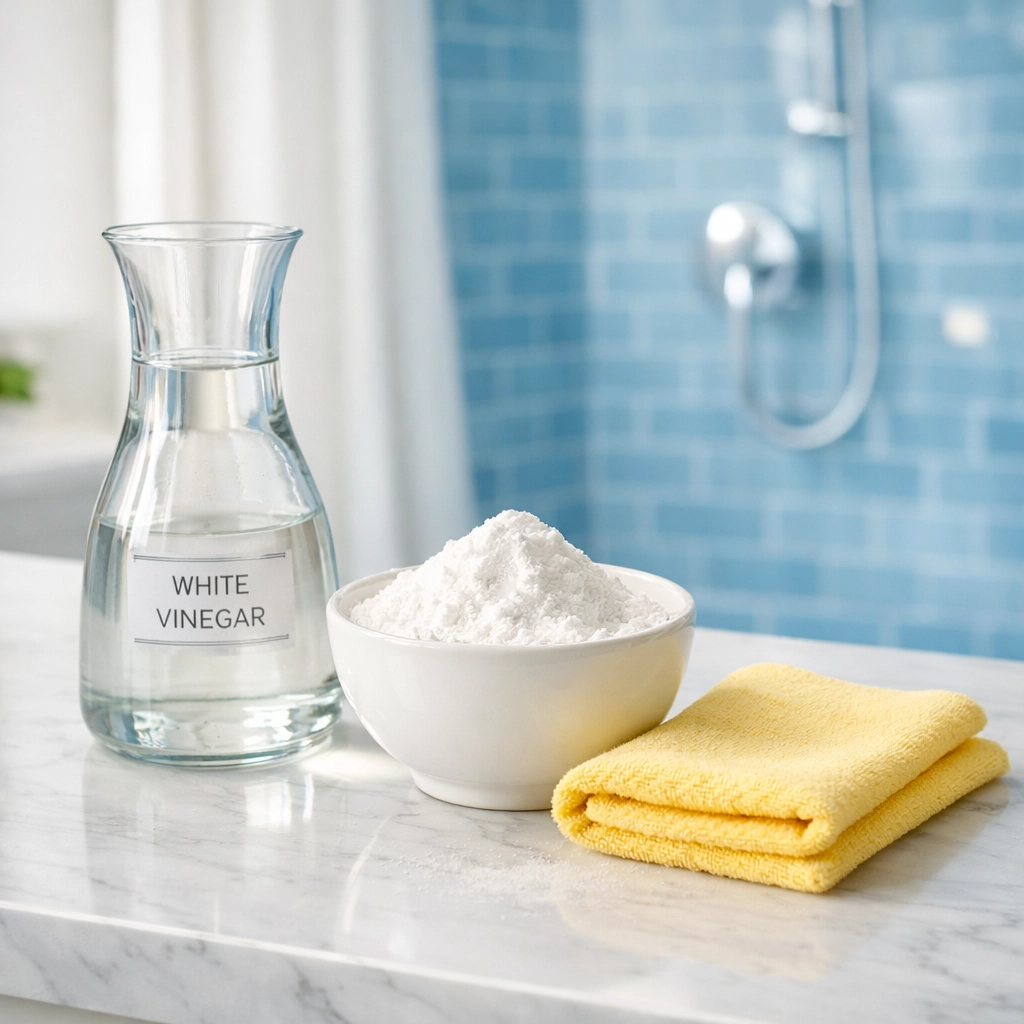
White vinegar is a natural acid that is incredibly effective at dissolving mineral scale. Combined with the abrasive power of baking soda, it’s a powerhouse duo.
The Strategy:
- Lower the Water: To get the best results, you want the cleaner to touch the ring directly, not get diluted by the bowl water. Use your toilet brush to push the water down the drain manually (a few quick plunges usually does the trick) until the waterline drops below the ring.
- Soak it in Vinegar: Pour about 2 cups of white vinegar into the bowl. Try to splash it directly onto the ring. Let it sit for at least 30 minutes. If the ring is really bad, let it sit for an hour.
- The Baking Soda Boost: After the soak, sprinkle about a cup of baking soda over the ring. It will start to fizz: this is the chemical reaction working to lift the grime.
- The Scrub: Use your toilet brush to scrub the ring vigorously.
- Final Flush: Flush the toilet and see the magic.
The Secret Weapon: The Wet Pumice Stone
Sometimes, mineral buildup is so thick that no amount of vinegar is going to cut through it in one go. That’s when we pull out the ultimate Ninja tool: the pumice stone.
Many people are scared to use a pumice stone on porcelain because they fear scratches. Here is the golden rule: Always keep the stone and the porcelain wet.
The Strategy:
- Submerge the Stone: Soak your pumice stone in water for a few minutes before you start.
- Wet the Surface: Ensure the toilet bowl surface is wet.
- Gently Buff: Using light to medium pressure, rub the pumice stone over the ring in circular motions. The stone will actually wear down as you use it, forming a paste that helps lift the minerals without scratching the porcelain.
- Rinse: Flush frequently to see your progress.
This is a game-changer for homes that haven't had a professional weekly house cleaning in a while and have significant buildup. It works like an eraser for rust and lime.
The Heavy-Duty Route: Acid Cleaners
If you’ve tried the eco-friendly way and the pumice stone, and that ring is still standing strong, it might be time for a phosphoric acid-based cleaner. These are more intense, so you’ll want to handle them with care.
Safety First:
- Gloves and Eyes: Wear chemical-resistant gloves and safety glasses.
- Ventilation: Keep the bathroom fan on or a window open.
- NEVER Mix: Never mix acid-based cleaners with bleach or ammonia. This creates toxic fumes that are extremely dangerous.
The Strategy:
- Prep the Bowl: Just like the vinegar method, lower the water level so the cleaner hits the ring directly.
- Apply and Dwell: Apply the cleaner to the ring and under the rim. "Dwell time" is the most important part of cleaning. Give the acid 10 to 15 minutes to eat through the minerals.
- Scrub and Flush: Use a bowl swab or brush to finish the job.
How to Prevent the Ring from Returning
Once you’ve done the hard work of banishing the ring, you don’t want to see it again next month. Prevention is all about consistency.
- The Daily Swish: Every morning or evening, give the bowl a 10-second swish with the toilet brush. You don’t even need cleaner every time; the physical agitation prevents minerals from settling.
- Weekly House Cleaning: Make sure a thorough toilet scrub is part of your weekly house cleaning routine. Keeping the minerals from hardening is much easier than removing them once they’ve turned into "rock."
- Vinegar Maintenance: Once a month, pour a cup of vinegar into your toilet tank. This helps break down minerals before they even reach the bowl (just check your toilet manufacturer’s guide to ensure vinegar is safe for your specific flapper and seals).
Why Regular Service Makes a Difference
Let’s be honest: life gets busy. Sometimes the bathroom is the last thing you want to think about after a long week of work and family commitments. That’s where a professional touch comes in.
When you schedule a bi weekly house cleaning with a team like The Cleaning Ninjas Inc, we stay on top of these mineral deposits for you. By having a pro tackle the bathroom every two weeks, those tough rings never get a chance to form. We use the right tools and the right techniques to ensure your bathrooms stay guest-ready at all times.

The Ninja Mindset
Cleaning doesn't have to be a battle. It’s about having the right strategy. By understanding that those rings are just minerals looking for a place to sit, you can take the "personal" out of it and just use the right chemistry to move them along.
Whether you're using a pumice stone like a pro or sticking to the baking soda and vinegar fizz, the key is patience. Let the products do the heavy lifting so your arms don't have to!
If you’re feeling overwhelmed by the state of your bathrooms or the rest of your home, don’t sweat it. We’ve got the skills to handle the deep stuff so you can get back to enjoying your life. Check out our full range of services and let us bring the ninja magic to your doorstep.
Summary Checklist for a Sparkling Bowl:
- Lower the water level before cleaning.
- Use vinegar for light rings (eco-friendly).
- Use a wet pumice stone for thick, crusty rings.
- Always allow "dwell time" for cleaners to work.
- Maintain with a quick daily swish.
Stay clean, stay happy, and keep those toilets shining! Until next time, that’s The Cleaning Ninjas Tip!