We’ve all been there. You’re finishing up the dishes after a great Sunday dinner, or you’re stepping out of the shower, and you notice it: that tiny pool of water that just won’t go away. The slow drain is one of those household annoyances that starts small but can quickly turn into a major headache (and a smelly one, too).
At The Cleaning Ninjas Inc, we’re big fans of keeping things simple, effective, and, most importantly, eco-friendly. While it’s tempting to grab a bottle of harsh, blue liquid from under the sink, those chemicals can be tough on your pipes and even tougher on the environment. That’s why today’s Cleaning Ninjas Tip is all about the "Fizzy Volcano": using baking soda and vinegar to keep your drains flowing smoothly.
Whether you’re keeping up with your weekly house cleaning or you have us in for a bi weekly house cleaning, adding this quick drain refresh to your routine can make a world of difference in your home’s "vibe" and functionality.
Why Drains Get Sluggish in the First Place
Before we get into the "how-to," let’s talk about the "why." Your drains are the unsung heroes of your home. In the kitchen, they deal with grease, tiny food particles, and soap scum. In the bathroom, it’s a lovely cocktail of hair, toothpaste, and skin cells. Over time, these materials cling to the walls of your pipes.
If you aren't doing a deep dive into your plumbing during your regular cleaning sessions, that buildup hardens. Eventually, you’re left with a drain that gurgles and takes forever to empty. By incorporating a natural flush into your weekly house cleaning routine, you’re basically giving your pipes a mini-spa day before the "gunk" has a chance to move in permanently.
The Ninja Method: The Baking Soda and Vinegar Flush
This isn't just a science fair project; it’s a legitimate maintenance tool. Here is exactly how we recommend doing it to get the best results.
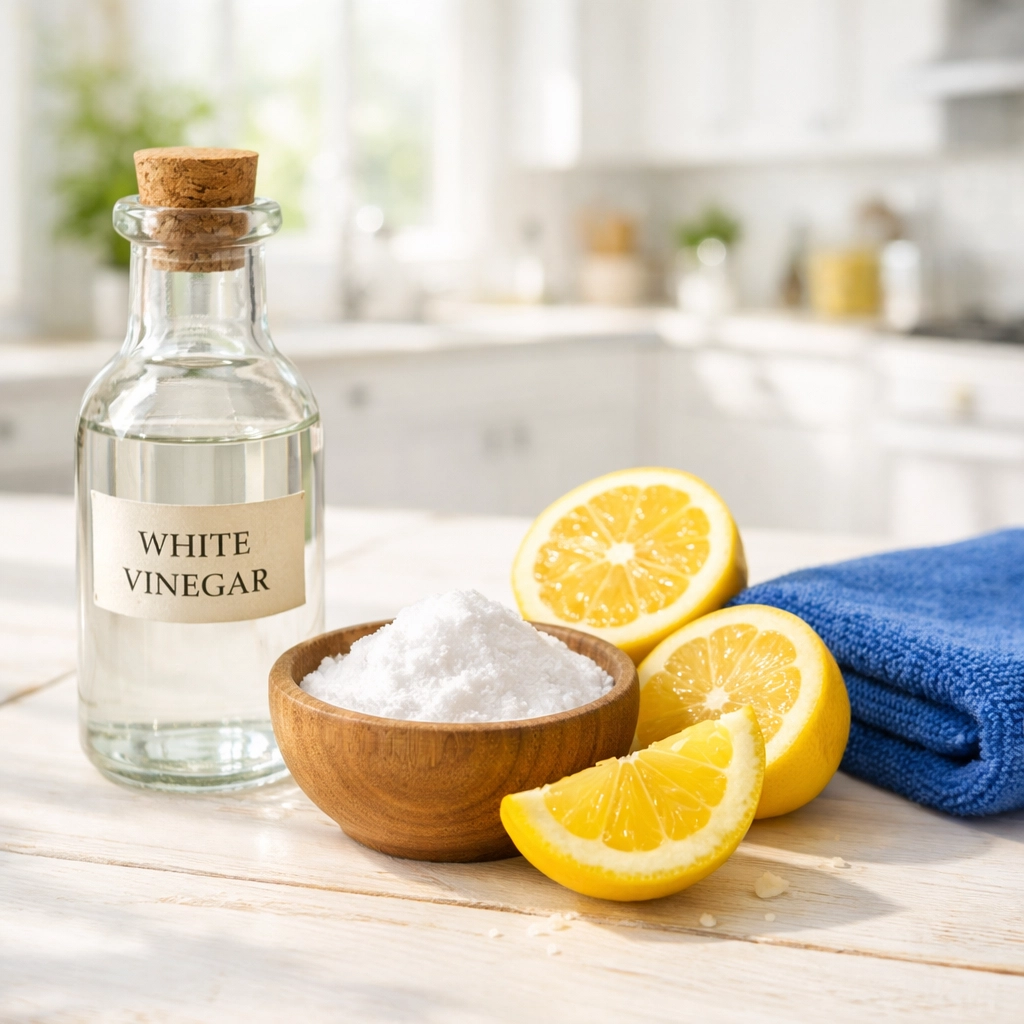
What You’ll Need:
- 1 cup of Baking Soda (Sodium Bicarbonate)
- 1 cup of White Vinegar (Acetic Acid)
- A kettle or pot of boiling water
- A drain plug or an old rag
Step 1: The Boiling Water Prep
Start by boiling a full kettle of water. Once it’s bubbling, pour it slowly down the drain. This initial blast of heat helps to soften up any grease or soap scum that’s clinging to the pipes, making the next steps much more effective.
Step 2: The Baking Soda Power
Pour about half a cup to a full cup of baking soda down the drain. Try to get as much of it down into the pipe as possible rather than just sitting on the metal grate. Baking soda is a mild alkali that helps dissolve organic matter like grease.
Step 3: The Vinegar Reaction
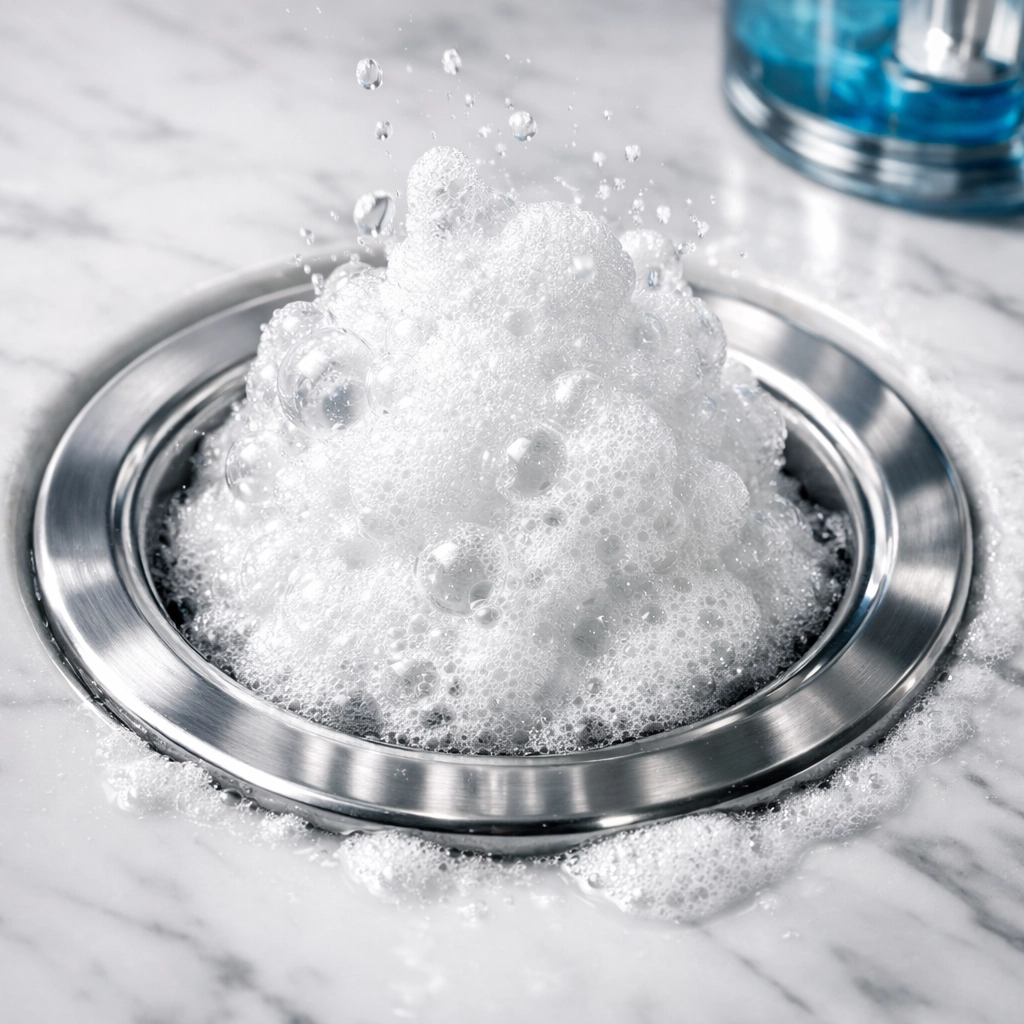
Now comes the fun part. Pour one cup of white vinegar down the drain. You’ll immediately hear that satisfying fizzing and bubbling. This chemical reaction creates carbon dioxide gas, which expands and helps physically push the loosened debris through the pipe.
Step 4: The Seal
Quickly cover the drain with a plug or a tightly bunched-up rag. You want to trap that bubbling action inside the pipe so the pressure is directed downward toward the clog, rather than escaping out the top. Let it sit and work its magic for about 10 to 15 minutes.
Step 5: The Final Flush
While the mixture is sitting, boil another kettle of water. After the time is up, remove the plug and pour the boiling water down the drain one last time. This flushes away the loosened debris and the remaining vinegar/soda mixture.
Why This Fits Into Your Regular Routine
If you’re someone who handles their own weekly house cleaning, adding this to your Friday or Saturday checklist takes less than five minutes of "active" work. If you prefer to leave the heavy lifting to us and have a bi weekly house cleaning schedule, doing this flush on the "off" weeks is a great way to maintain the freshness we leave behind.
It’s important to remember that this method is best used for maintenance. If your sink is completely backed up and won't drain at all, the baking soda and vinegar might not be able to reach the source of the problem. In those cases, you might need a plunger or a snake. But if you do this once a month (or once a week for high-traffic kitchen sinks), you’ll rarely ever face a total blockage.
The Science of "Green" Cleaning
At The Cleaning Ninjas Inc, we love eco-friendly solutions because they are safer for your family and pets. Traditional drain cleaners often contain lye or sulfuric acid. These chemicals are extremely caustic; they generate intense heat to melt clogs, which can actually warp or damage older PVC pipes. Plus, the fumes are no joke: they can irritate your lungs and eyes.
Baking soda and vinegar, on the other hand, are food-grade items. You could literally eat them (though we wouldn't recommend it in this context!). When they react, they break down into water and sodium acetate, which is much kinder to the local water system once it leaves your house.
Special Tips for Different Drains
Not all drains are created equal. Depending on where you’re working, you might want to tweak your approach.
In the Kitchen
Kitchen drains deal with a lot of fat. If you find yours smells a bit "funky," you can add a few drops of lemon essential oil to the vinegar or toss a few thin lemon peels down the disposal after the flush. It adds a bright, clean scent that complements the deep clean.
In the Bathroom
Bathroom drains are the kings of hair clogs. While the fizzing reaction helps move things along, it can’t "dissolve" hair. We always recommend using a mesh drain strainer to catch the hair before it enters the pipe. If you have a slow bathroom drain, use a "zip-it" tool (a long plastic strip with barbs) to pull out hair before you do the baking soda and vinegar flush.
When to Call in the Pros
We take a lot of pride in our work at The Cleaning Ninjas Inc, and we want your home to be a sanctuary. However, sometimes a drain issue is a sign of a bigger plumbing problem.
If you notice:
- Multiple drains are backing up at the same time.
- There’s a "sewer" smell that won't go away even after cleaning.
- Water backs up into the shower when you run the washing machine.
These are signs that the issue might be in your main sewer line, and it’s time to call a licensed plumber. Our About Us page highlights our commitment to excellence, and that includes knowing when to give you the best advice for your home's health!
Maintaining the Shine
Cleaning isn't just about the stuff you can see; it's about the stuff you can't see, like the inside of your pipes or the air quality in your rooms. By keeping your drains clear, you prevent mold growth and eliminate the stagnant water that attracts drain flies.
If you’re feeling overwhelmed by the sheer number of "maintenance" tasks a home requires, don't sweat it. Whether you need a one-time deep clean or consistent bi weekly house cleaning, our team is trained to handle the details so you can focus on what matters. You can check out our full range of options on our Services Page.

Wrapping Up
Keeping your home running like a well-oiled machine doesn't require a cabinet full of toxic chemicals. Sometimes, the best tools are the ones you already have in your kitchen pantry. The baking soda and vinegar trick is a classic for a reason: it's cheap, it's safe, and it works wonders for routine maintenance.
Give it a try during your next weekly house cleaning session. Your pipes (and the environment) will thank you! And remember, if you want that "Ninja Clean" feeling without lifting a finger, we’re only a click away.
Happy cleaning, and may your drains always flow fast!