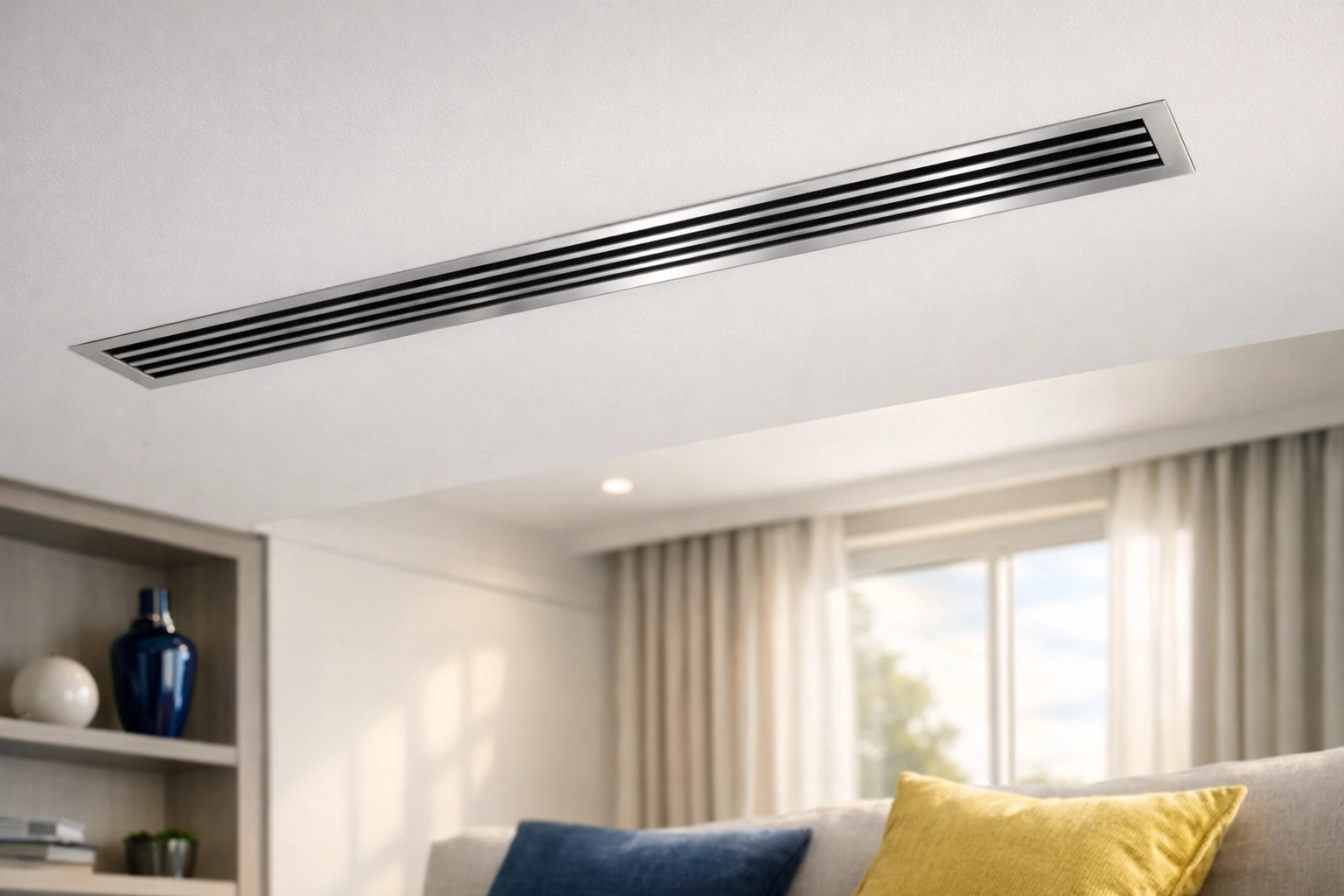
Let’s talk about something that is literally right under our noses: or rather, right over our heads. We spend so much time scrubbing floors, wiping down counters, and making sure the windows sparkle, but there is one area that often gets ignored until a giant dust bunny starts hanging from it like a tiny, gray chandelier.
We’re talking about your air vents.
At The Cleaning Ninjas Inc, we’re all about the details that make a home feel truly fresh. Vacuuming your air vents isn’t just about making the room look better; it’s one of the most effective ways to improve your indoor air quality and keep your HVAC system running smoothly. Whether you’re keeping up with a weekly house cleaning routine or you’ve got us coming in for a bi weekly house cleaning, paying attention to those registers can make a world of difference.
Why Your Vents Are Dust Magnets
Think of your HVAC system as the lungs of your home. It breathes in air, heats or cools it, and breathes it back out. In that process, it also pulls in everything else floating in your air: pet dander, skin cells, pollen, lint, and even microscopic mold spores.
While your furnace filter catches a lot of the big stuff, the vents themselves (the supply and return registers) act like a secondary trap. Over time, static electricity and moisture cause dust to cling to the slats. If you leave it there, every time your heater or AC kicks on, it’s pushing a little bit of that debris back into the air you’re breathing.
If you or your family members suffer from seasonal allergies or asthma, those dusty vents are basically a direct line for irritants to enter your lungs. Keeping them clean is a simple, eco-friendly way to breathe easier without needing to pump your home full of synthetic air fresheners.
The Ninja Guide to Vacuuming Your Vents
You don’t need a specialized degree or heavy machinery to get this done. In fact, a good vacuum and a little bit of technique are all you need. Here is how we recommend tackling this during your regular cleaning sessions:
1. Safety First (And Efficiency Second)
Before you start poking around the vents, turn off your HVAC system at the thermostat. You don’t want the fan kicking on while you’re mid-clean, potentially blowing dust into your face or sucking your cleaning cloth into the ductwork.
2. Use the Right Tool
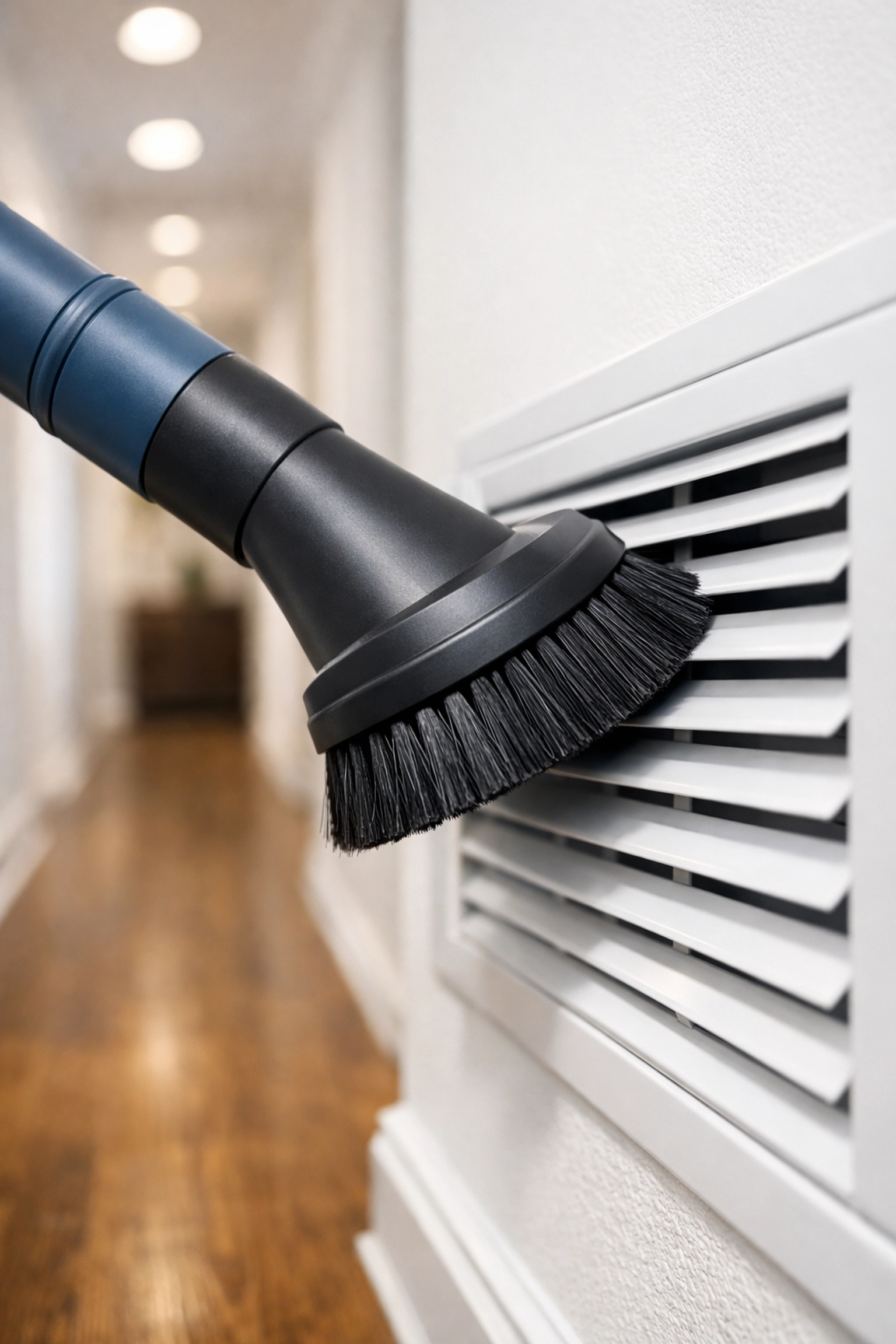
The brush attachment on your vacuum is your best friend here. If you use a hard plastic crevice tool, you might scratch the paint on the vent or miss the dust tucked into the corners. A soft-bristled brush agitates the dust so the vacuum can actually suck it up.
3. The Top-Down Approach
Start with the vents on the ceiling, then the walls, and finally the floor. Just like when we perform our professional cleaning services, we always work from top to bottom. This ensures that any dust that escapes the vacuum and falls to the floor can be picked up when you do the final sweep or mop.
4. The Deep Clean (Optional but Recommended)
If the vents look particularly grimy: maybe they have a bit of kitchen grease or bathroom moisture stuck to them: vacuuming alone might not cut it. In this case, pop the vent cover off (most are held on by two simple screws). Take them to the sink and wash them with warm water and a drop of eco-friendly dish soap. Dry them completely before putting them back.
The Secret Weapon: HEPA Filtration
Here is a major Ninja Tip: vacuuming your vents only works if your vacuum is actually trapping the dust.
If you’re using an old vacuum with a porous bag or a cheap filter, you’re basically just performing a "dust relocation program." You suck the dust off the vent, and the vacuum's exhaust blows the finest, most irritating particles right back out into the room.
To truly improve air quality, use a vacuum equipped with a HEPA (High-Efficiency Particulate Air) filter. These filters are designed to trap 99.97% of particles as small as 0.3 microns. This includes pollen, mold, and bacteria. When we visit homes for bi weekly house cleaning, using high-quality equipment is part of how we ensure a "Ninja-level" clean.
Eco-Friendly Benefits of Clean Vents
We love eco-friendly solutions because they’re better for your home, your pets, and the planet. Vacuuming your vents is inherently "green" for a few reasons:
- No Chemicals Needed: You don’t need harsh degreasers or bleach to clean a vent. Suction and a damp microfiber cloth do 90% of the work.
- Energy Efficiency: When vents are clogged with dust, your HVAC system has to work harder to push air through. This uses more electricity and wears out your equipment faster. Clear vents mean better airflow and lower energy bills.
- Longevity: By keeping the entry and exit points of your ductwork clean, you reduce the overall load of dust entering the system, which can extend the life of your expensive HVAC filters and the unit itself.
Integrating Vent Cleaning into Your Routine
How often should you be doing this? It really depends on your lifestyle. If you have three long-haired dogs and live in a high-pollen area, you might want to give your vents a quick vacuum once a week.
For most homes, adding vent vacuuming to your weekly house cleaning list is a great habit. If that feels like too much, it should absolutely be part of a bi weekly house cleaning routine. If you skip it for months at a time, the dust can become "caked" on due to humidity, making it much harder to remove with just a vacuum.
If you’re finding it hard to keep up with the "above-floor" cleaning tasks, that’s exactly where The Cleaning Ninjas Inc can step in. We don't just look at the floor; we look at the whole environment.

Common Mistakes to Avoid
While it seems straightforward, there are a few ways vent cleaning can go wrong:
- Ignoring the Returns: Most people vacuum the vents that blow air out, but they forget the "return" vents: the larger ones that suck air back in. These are usually the dirtiest because they are the first line of defense for your HVAC system.
- Vacuuming Damp Vents: If you have a leak or high humidity and the vents feel damp, don’t vacuum them. Moisture and dust create a mud-like substance that can ruin vacuum filters and potentially spread mold spores. Address the moisture issue first.
- Using Compressed Air: Never use "canned air" or a leaf blower to clean your vents. This just pushes the dust deeper into the ductwork where you can't reach it, or scatters it all over your furniture. Always use suction!
When Vacuuming Isn't Enough
Vacuuming the surface of your vents is fantastic for maintenance, but it’s not a substitute for professional duct cleaning if your system is heavily contaminated. If you look into your vent and see thick layers of debris, or if you notice a musty smell every time the air turns on, it might be time to call in a duct specialist.
However, for 90% of homes, regular surface vacuuming and frequent filter changes are enough to keep the air fresh and the system happy.
The Ninja Way: A Cleaner Home, A Clearer Mind
There is a psychological benefit to knowing your home is clean from top to bottom. When you know the air circulating through your bedroom or your child’s playroom is passing through clean, clear vents, it provides a sense of peace.
Cleaning isn't just about aesthetics; it's about health and wellness. That’s why we take our jobs so seriously at The Cleaning Ninjas. We want you to walk into your home and feel a physical sense of relief. You can learn more about us and our philosophy on our website.

Final Thoughts
Next time you’re doing your weekly house cleaning, take two minutes to click that brush attachment onto your vacuum. Run it over the vents in the kitchen, the living room, and the bedrooms. It’s a tiny task that pays off in big ways: better health, lower bills, and a home that truly sparkles.
If you’re ready to let the pros handle the grime so you can get back to your life, check out our blog for more tips or reach out to us to schedule your next cleaning. We’ve got the tools, the HEPA filters, and the "Ninja" skills to make your home the sanctuary it deserves to be!