Let’s be real for a second: the pantry is usually the most chaotic room in the house. It’s the place where half-empty bags of flour go to die, where you discover three unopened jars of mayonnaise you didn’t know you had, and where a "quick snack" turns into a ten-minute archaeological dig. We’ve all been there, staring into the dark depths of a cabinet, wondering how things got so out of hand.
At The Cleaning Ninjas Inc., we see a lot of pantries. While our professional teams are experts at making your home shine, we know that true peace of mind comes from organization. A well-organized pantry doesn't just look pretty on Instagram; it saves you money, cuts down on food waste, and makes meal prep a total breeze. If you’re tired of the "pantry panic," this guide is for you. Here is the ultimate Cleaning Ninjas Tip for turning your pantry into a high-efficiency machine.
Phase 1: The Great Pantry Purge
Before you buy a single basket or fancy label maker, you have to face the music. You cannot organize clutter; you can only move it around. The first step in any successful pantry overhaul is to empty everything out. Yes, everything.
Find a clear spot on your kitchen counters or dining room table and start unloading. As you pull items out, check the expiration dates. You might be surprised to find spices from the previous decade or crackers that have lost their crunch years ago. If it’s expired, toss it. If it’s something you bought on a whim but know your family will never eat (and it’s still shelf-stable and unexpired), set it aside in a box to donate to a local food pantry.
Once the shelves are bare, you’ll likely see a layer of "pantry dust": a mix of spilled flour, loose rice, and maybe a few sticky spots from a leaky honey jar. This is your chance to give those shelves a deep clean.
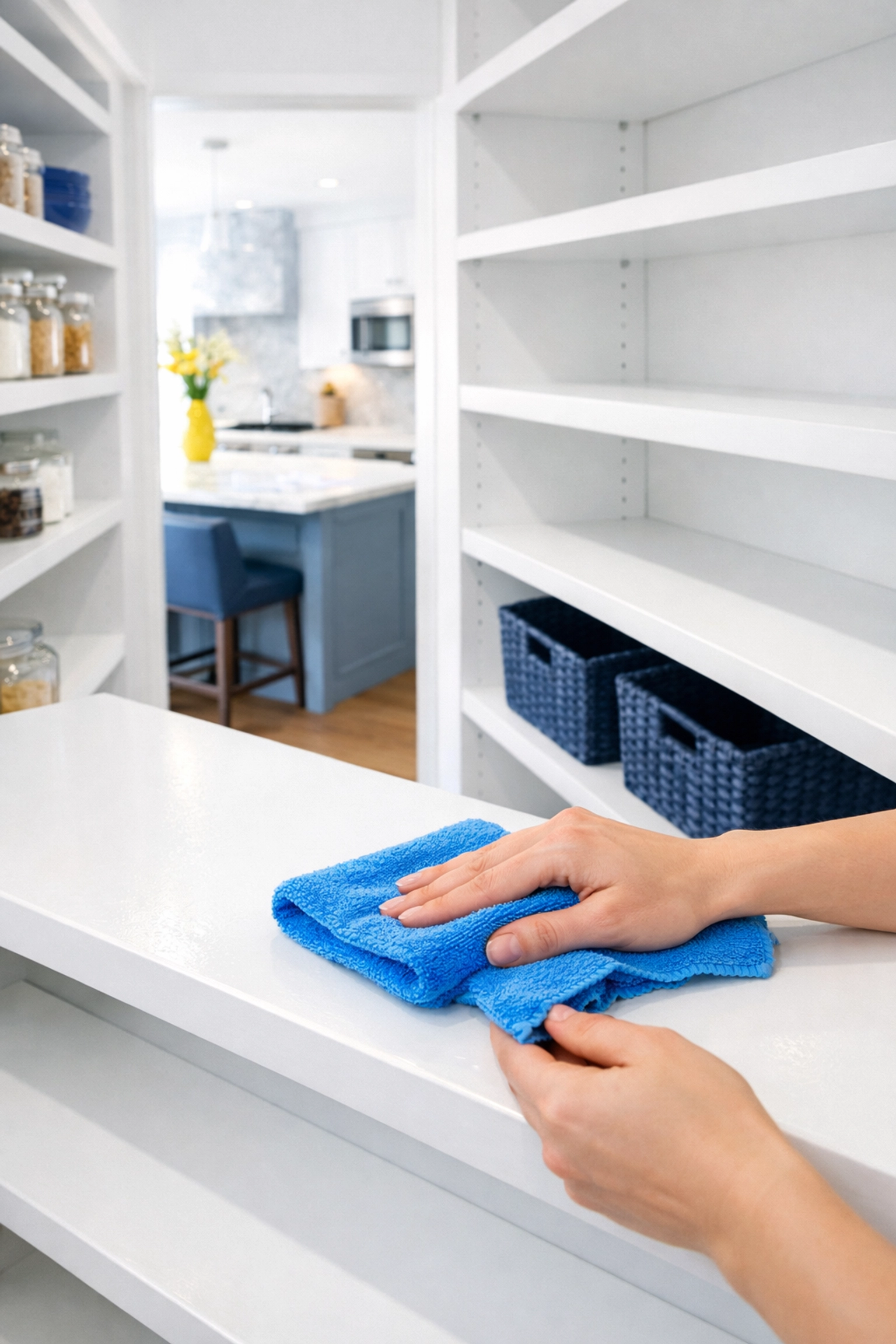
Phase 2: Cleaning the Canvas
Now that your pantry is empty, it’s time for some Ninja-level cleaning. Grab a microfiber cloth and a gentle all-purpose cleaner. Start from the top shelf and work your way down so you aren't knocking dust onto clean surfaces.
Don’t forget the corners and the undersides of the shelves. If you have wire shelving, a vacuum attachment can be a lifesaver for sucking up those stray crumbs that fall through the cracks. For solid wood or laminate shelves, consider adding a fresh shelf liner. Not only does it add a pop of personality, but it also makes future wipe-downs much easier and protects your shelving from stains.
If you’re feeling like you need a hand with the rest of the house while you tackle this project, you can always check out our services to see how we can help keep the rest of your home in tip-top shape.
Phase 3: Categorize and Conquer
The secret to a functional pantry is "zoning." Think of your pantry like a grocery store. You wouldn't find the cereal mixed in with the pasta sauce at the store, so they shouldn't be mixed in your home either. Grouping items by category allows you to see exactly what you have at a glance.
Common categories include:
- Baking Essentials: Flour, sugar, baking soda, chocolate chips.
- Dinner Staples: Pasta, rice, quinoa, jarred sauces.
- Breakfast Club: Cereal, oatmeal, pancake mix, syrup.
- Snack Attack: Crackers, chips, granola bars, nuts.
- Canned Goods: Beans, soups, veggies, tuna.
- Spices and Seasonings: Keep these together, ideally on a tiered rack or a lazy Susan.
By creating these zones, you’ll know exactly where to look when you’re writing your grocery list. No more buying "just in case" items because you couldn't find the ones you already owned!
Phase 4: The Magic of Clear Containers
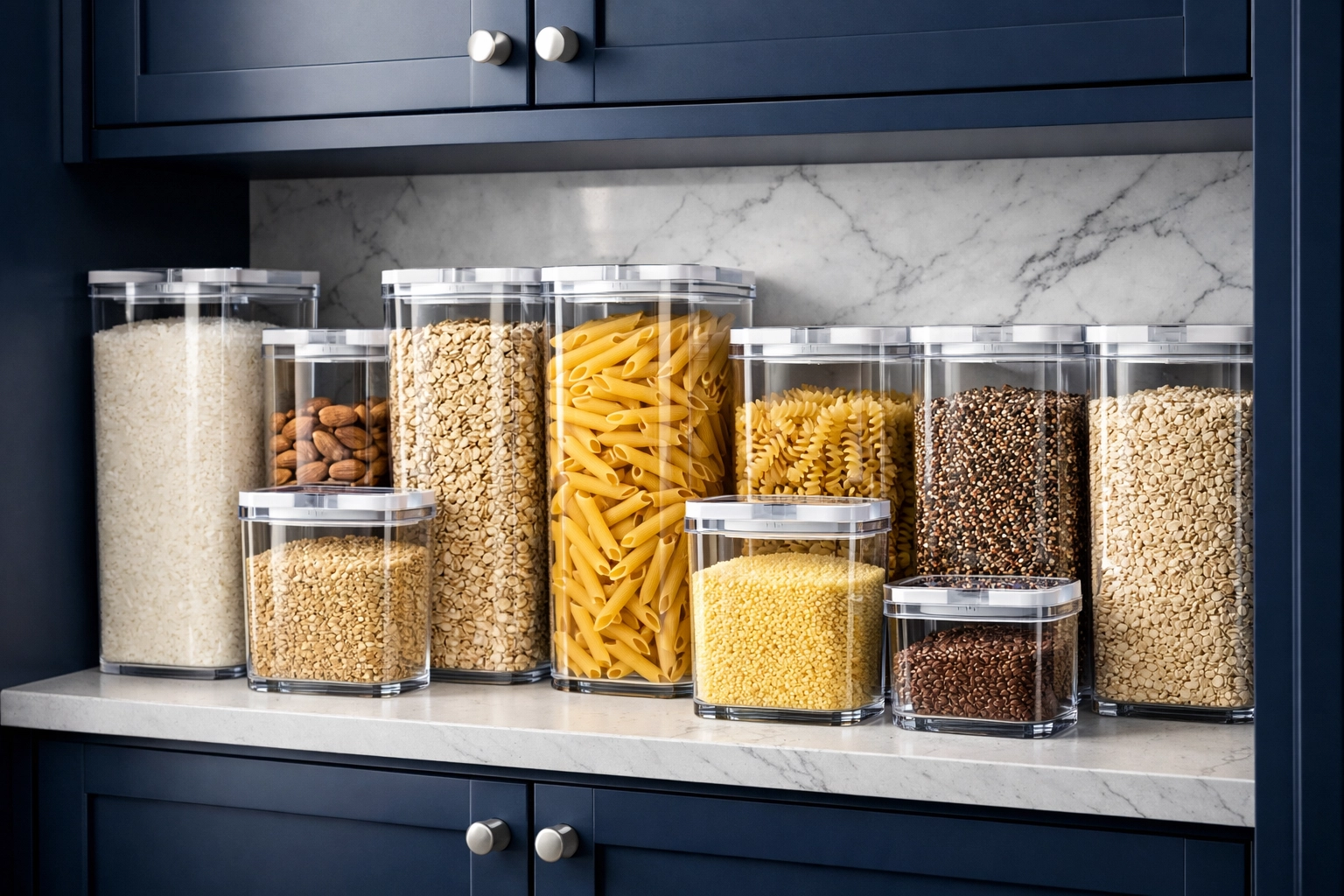
If you want to take your organization to the next level, decanting is the way to go. Taking items out of their original, bulky packaging and putting them into clear, airtight containers is a total game-changer.
Why do we love clear containers?
- Visibility: You can see exactly how much flour or rice is left. You’ll never run out in the middle of a recipe again.
- Freshness: Airtight seals keep pests out and keep your food fresher for longer.
- Uniformity: It removes the visual "noise" of different brands and colors, making the space feel instantly calmer and cleaner.
- Space Saving: Square or rectangular containers stack much better than flimsy bags and odd-shaped boxes.
Phase 5: Maximizing Every Inch of Space
Most pantries have a lot of "dead space": that empty air between the top of your cans and the shelf above them. To truly organize for efficiency, you need to use every square inch.
- Tiered Shelving: Use "stadium seating" style inserts for canned goods or spices so you can see the back row without digging.
- Lazy Susans: These are perfect for corners or deep shelves. Give it a spin and find your oils, vinegars, or peanut butter jars instantly.
- Over-the-Door Racks: If you have a reach-in pantry with a door, use it! It’s the perfect spot for small items like foil, plastic wrap, or even extra snacks.
- Shelf Risers: These essentially create an extra "mini-shelf" within your existing shelves, doubling your storage capacity for plates or low-profile items.
Phase 6: Labeling Like a Ninja
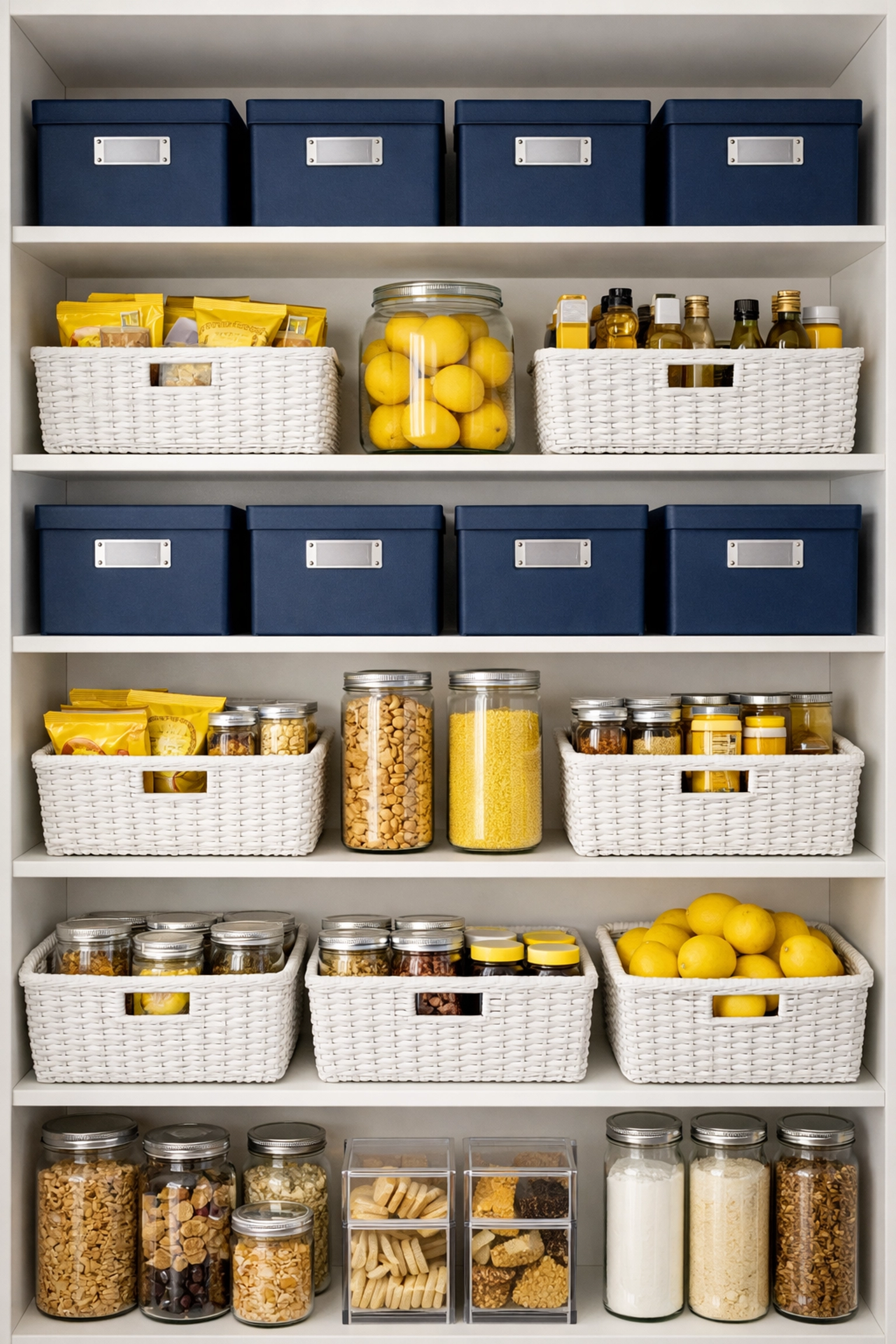
Labels are the glue that holds an organized pantry together. They aren't just for looks; they tell everyone in the house exactly where things belong. This is especially helpful if you have kids or a spouse who struggles to put things back in the right spot.
You don't need a professional label maker (though they are fun!). You can use chalk markers on glass jars, simple masking tape with a Sharpie, or even printed stickers. Label the container with the item name and, if you’re decanting, don't forget to include the expiration date or any specific cooking instructions on the bottom or back of the jar.
Phase 7: Designing for Your Lifestyle
Every family is different, so your pantry should reflect how you live. If you have young children, create a "Kid Zone" on a lower shelf. Fill it with healthy snacks they are allowed to grab on their own. This empowers them and keeps them from climbing the shelves like little ninjas to reach the granola bars.
If you’re a coffee lover, maybe a small corner of the pantry (or the counter nearby) becomes your dedicated coffee station with beans, filters, and mugs ready to go. The goal is to reduce the number of steps you have to take during your daily routine.
Maintaining the Masterpiece
The biggest mistake people make is thinking that organization is a one-time event. It’s actually a habit. To keep your pantry from sliding back into chaos, we recommend a "5-minute refresh" once a week: usually right before you go grocery shopping.
Quickly straighten up the rows, pull older items to the front (the First-In, First-Out or "FIFO" method), and wipe down any new spills. It takes almost no time if you stay on top of it, but it saves you from having to do a massive overhaul every six months.
Why Efficiency Matters
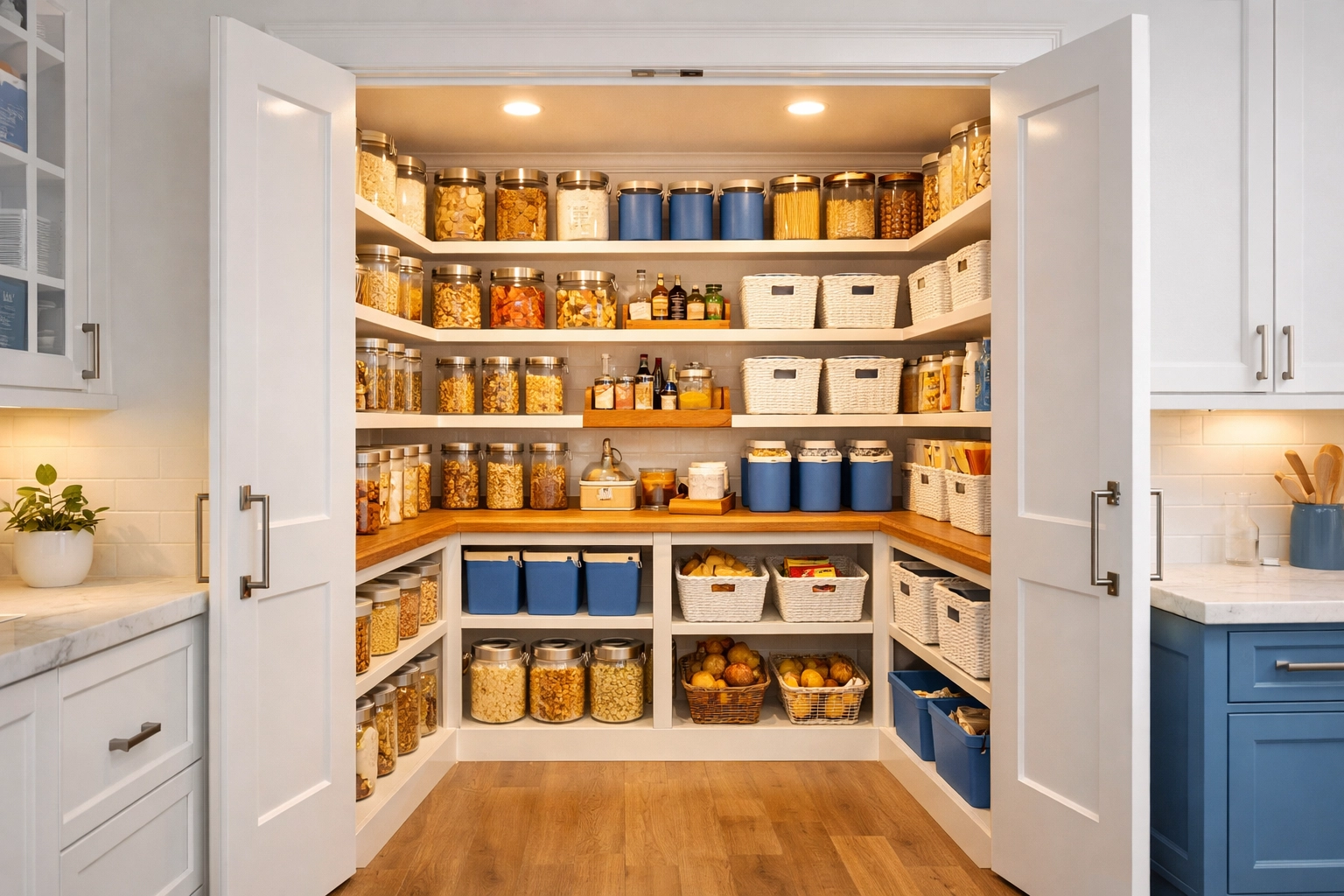
You might think, "It’s just a pantry, why does it matter?" But at The Cleaning Ninjas Inc., we know that the state of your home deeply affects your stress levels. When you walk into a kitchen that functions perfectly, you’re more likely to cook healthy meals, less likely to spend money on takeout, and more likely to enjoy the time you spend with your family.
If you enjoyed these tips and want to learn more about keeping your home in top shape, head over to our blog for more advice on everything from decluttering your closet to mastering the art of the 15-minute clean-up.
Wrapping Up
Organizing your pantry might seem like a daunting task, but if you take it one shelf at a time, you’ll be amazed at the transformation. Remember: purge, clean, categorize, and contain. Once you have a system in place, you’ll wonder how you ever lived without it.
If the thought of cleaning and organizing feels like too much to handle on your own, don't sweat it. That’s what we’re here for! Whether you need a deep clean to get a fresh start or regular maintenance to keep things sparkling, The Cleaning Ninjas Inc. has your back. You can learn more about us and our mission to bring peace and cleanliness to homes everywhere.
Now, go forth and conquer those crackers! You’ve got this. Your inner Ninja is ready to shine.