We’ve all been there. You spend an hour pushing a mop around, your back is aching, and you stand back to admire your work only to see… streaks. Or worse, a cloudy film that makes your beautiful tile look like it hasn't been cleaned in a month. It’s frustrating, especially when you’re trying to move away from those harsh, "chemical-smelling" cleaners that leave your eyes watering and your pets sneezing.
At The Cleaning Ninjas Inc, we’re all about the "Ninja Way": which means cleaning smarter, not harder, and using methods that are safe for your family, your furry friends, and the planet. Today, we’re diving deep into one of our favorite Ninja Tips: how to get that elusive, mirror-like shine on your tile floors using simple, eco-friendly ingredients you probably already have in your pantry.
Specifically, we’re talking about the power couple of the cleaning world: white vinegar and warm water.
Why Go Eco-Friendly for Your Floors?
Before we get into the "how," let’s talk about the "why." Traditional floor cleaners often contain surfactants and synthetic fragrances that don’t actually disappear when the floor dries. They stay behind as a microscopic residue. Over time, this residue builds up, acting like a magnet for dust and pet hair. This is usually why floors look "dull": you aren't seeing the tile; you’re seeing a layer of old soap.
Switching to an eco-friendly approach, like using vinegar, eliminates this buildup. Vinegar is acidic enough to cut through grease and hard water deposits but gentle enough (when diluted) to keep your home's air quality fresh and toxin-free. Plus, it’s incredibly cost-effective. Why spend ten dollars on a plastic bottle of "Ocean Breeze" chemicals when a few cents' worth of vinegar does a better job?
The Science of the Shine: Vinegar and Warm Water
The secret to the "Ninja Shine" isn't just the vinegar; it's the combination of acidity and temperature.
1. The Role of White Vinegar
Distilled white vinegar has a pH of around 2.5. This acidity makes it a powerhouse for breaking down the alkaline minerals found in tap water (which cause spots) and the sticky residues left behind by food spills or previous cleaning products. It also acts as a natural disinfectant, killing many common household germs without the need for bleach.
2. The Importance of Warm Water
You’ll notice we specify warm water. Hot water (not boiling, but comfortably hot) helps to loosen dirt and oils much faster than cold water. It also helps the vinegar evaporate more quickly once it’s on the floor, which is the key to preventing those annoying streaks.
Know Your Tile: The Golden Rule
Before you grab the bucket, we have to issue a "Ninja Alert." Not all tiles are created equal.
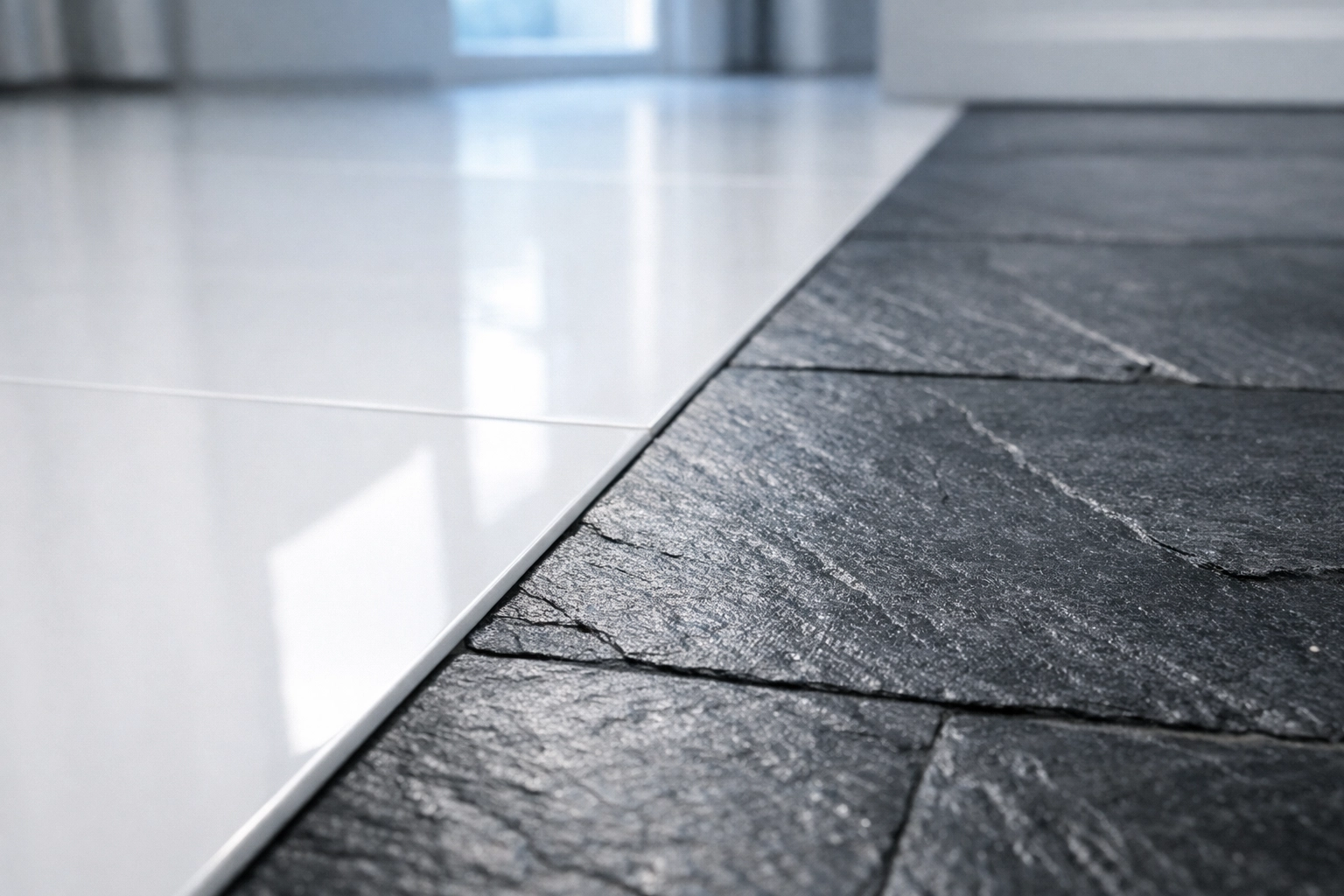
Ceramic and Porcelain: These are the "all-clear" zones for vinegar. They are fired at high temperatures and are incredibly durable. Vinegar and warm water will make them look brand new.
Natural Stone (Marble, Granite, Slate, Travertine): STOP! Do not use vinegar on natural stone. The acid in the vinegar can "etch" or eat away at the surface of the stone, leaving permanent dull spots. For these floors, we recommend a pH-neutral cleaner or a very diluted Castile soap solution. If you’re unsure what kind of floor you have, check out our about us page to see how our experts handle various surfaces, or give us a shout!
The Ultimate Ninja Mopping Recipe
For standard ceramic or porcelain tile, here is our go-to recipe for a streak-free finish:
- 1 Gallon of Warm Water: Not too hot to touch, but enough to produce a little steam.
- 1/2 Cup of Distilled White Vinegar: Don’t overdo it: too much vinegar can actually dull the finish over years of use.
- Optional: 5-10 Drops of Essential Oil: Lemon, peppermint, or eucalyptus are great for adding a fresh scent without the chemicals.
Mix these in a clean bucket. If your floors are particularly greasy (like in a kitchen), you can add a single drop of eco-friendly dish soap to help break down the oils, but keep it to just one drop to avoid sudsy residue!
The Ninja Mopping Technique: Step-by-Step
A great solution is only half the battle. The way you mop determines the final result.
Step 1: The Dry Prep
Never start mopping a floor that hasn't been thoroughly swept or vacuumed. If you mop over loose dust and hair, you’re essentially just making "floor soup" and spreading mud around. Use a microfiber dust mop or a vacuum with a hard-floor setting to get every last crumb.
Step 2: The Two-Bucket Method (Or the Frequent Change)
Ninjas don't clean with dirty water. If you use one bucket, by the time you're halfway through the room, you’re just spreading dirty vinegar-water around. Ideally, use one bucket for your cleaning solution and another with plain warm water to rinse your mop. If that’s too much hassle, just make sure to change your cleaning solution as soon as it starts to look cloudy.
Step 3: The "S" Pattern
Don't just scrub back and forth. Use an "S" or figure-eight motion. This technique ensures that you’re always pulling the dirt toward you rather than pushing it back over the areas you’ve already cleaned.
Step 4: The Wring-Out
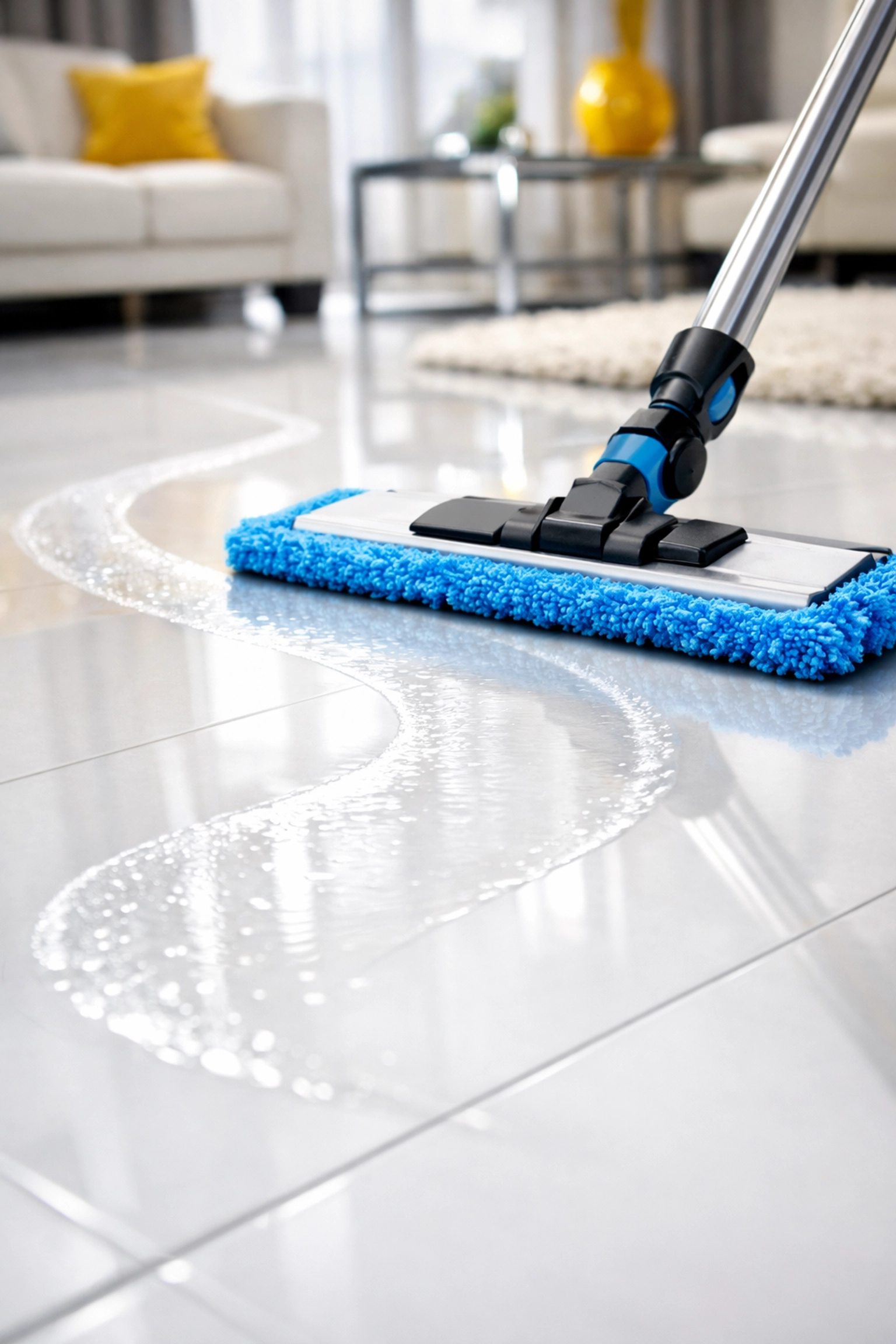
One of the biggest mistakes people make is using too much water. Your mop should be damp, not dripping. Excess water seeps into grout lines and can take forever to dry, leading to spots. Wring that mop out until it feels like it’s barely wet.
Don’t Forget the Grout!
You can have the shiniest tiles in the world, but if your grout lines are dingy, the whole floor will look dirty. Grout is porous, meaning it soaks up dirty mop water like a sponge.
For an eco-friendly grout refresh, make a paste of baking soda and water. Apply it to the grout lines, let it sit for ten minutes, and then give it a quick scrub with an old toothbrush. When you mop afterward with your vinegar and water solution, the vinegar will react slightly with any leftover baking soda (the classic volcano effect!), helping to lift even more dirt out of the pores.
For more deep-cleaning tricks, you can always browse our blog for specialized guides on tackling the toughest parts of the home.
Essential Oils: Personalizing Your Clean
One of the complaints about vinegar is the smell. While the "salad dressing" scent disappears completely once the floor dries, some people prefer a more spa-like experience.
- Lemon Oil: Bright, cheery, and has additional degreasing properties.
- Tea Tree Oil: Great for bathrooms as it has natural antifungal properties.
- Lavender Oil: Perfect for a calming vibe in bedrooms or living areas.
Just remember to use high-quality, pure essential oils to avoid adding synthetic oils back onto your clean floor.
Why We Use Microfiber
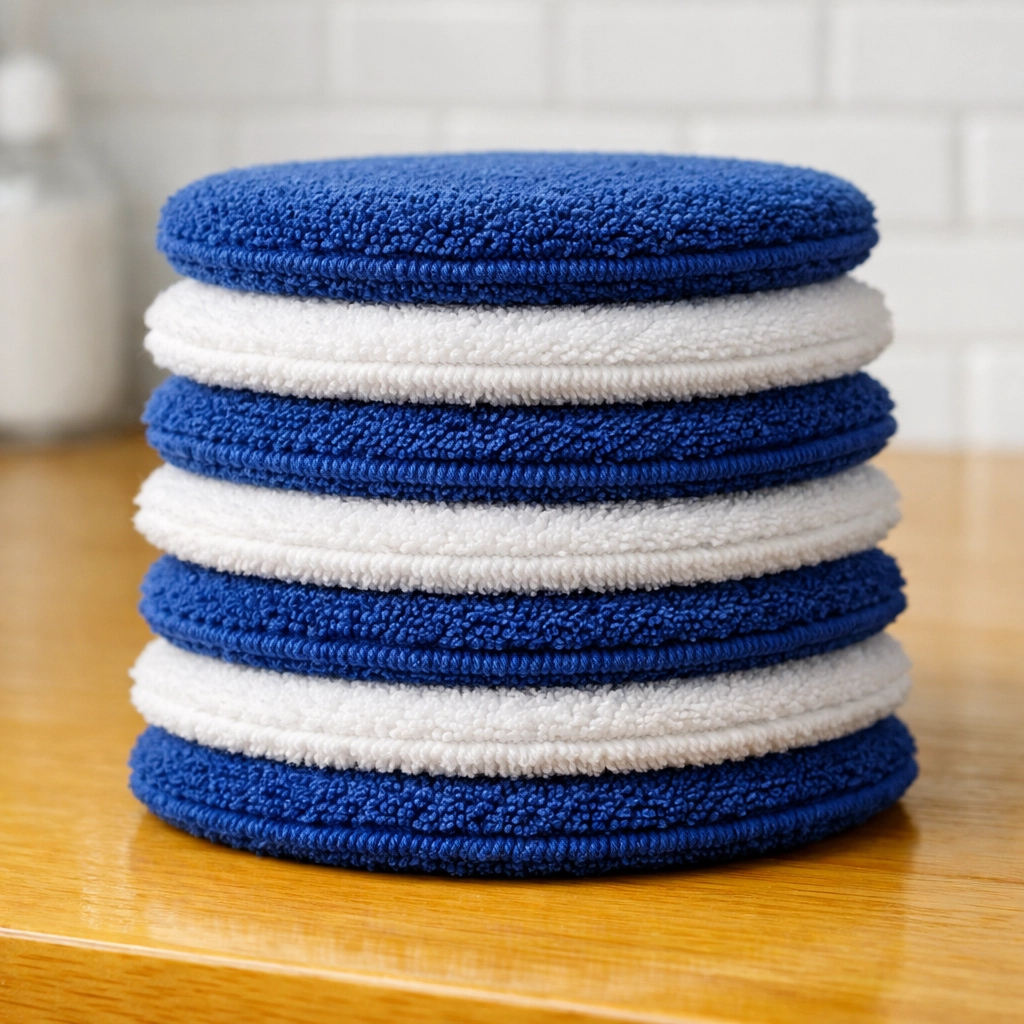
If you’re still using a traditional string mop or a sponge mop, it might be time for an upgrade. At The Cleaning Ninjas Inc, we swear by microfiber. Microfiber cloths and mop pads are designed with millions of tiny hooks that grab and lift dirt rather than just pushing it.
Even better? They are reusable. You can toss them in the washing machine and use them hundreds of times, which fits perfectly into the eco-friendly lifestyle. No more buying disposable pads that end up in a landfill.
Common Pitfalls to Avoid
To keep that shine lasting as long as possible, avoid these common mistakes:
- Using Wax-Based Cleaners: Many "shine-enhancing" products use wax. These look great for a day but create a massive headache when they start to peel or trap dirt.
- Walking on Wet Floors: It sounds obvious, but even clean socks can leave "footprints" in the moisture as the floor dries. Give it 10-15 minutes of peace.
- Using the Same Mop for the Bathroom and Kitchen: Cross-contamination is a real thing. If you can’t have two mops, at least use different microfiber pads for different zones of the house.
When to Call in the Pros
We know life gets busy. Sometimes, despite your best efforts, the floors just need a professional "Ninja Reset." Whether it’s years of built-up wax from previous tenants or grout that has seen better days, we’re here to help. Our team uses top-tier eco-friendly practices to ensure your home is healthy and sparkling.
You can check out our full range of our services to see how we can help you reclaim your weekends and your floor’s shine.
Keeping your home clean shouldn't feel like a battle against nature. By using simple, earth-friendly ingredients like vinegar and warm water, and following the Ninja mopping technique, you can achieve a level of clean that is both beautiful and safe. Happy mopping!