It is one of life’s great household ironies: the very machine you rely on to get your clothes smelling like "spring breeze" or "mountain rain" can eventually end up smelling like a damp cave or a forgotten gym bag. We think of our washing machines as self-cleaning environments. After all, they are constantly filled with hot water and soap, right?
Unfortunately, that logic doesn't hold up. Over time, your washing machine becomes a magnet for soap scum, mineral deposits from hard water, lint, and: the worst of all: mold and bacteria. If you’ve noticed that your freshly laundered towels have a slight funk or your bright whites are starting to look a bit dingy, the culprit probably isn't your detergent. It’s the machine itself.
At The Cleaning Ninjas Inc, we believe every tool in your home deserves a little TLC. In this guide, we’re going to dive deep into the "Washing Machine Rinse": the process of cleaning the cleaner. We’ll cover everything from the hidden corners of the rubber seal to the deep-cleaning cycles that keep your drum sparkling.
Why Your Washing Machine Gets Dirty
Before we jump into the "how," let’s talk about the "why." Modern washing machines, especially high-efficiency (HE) front-loaders, are designed to use less water. While this is great for the environment and your water bill, it means there isn't always enough water to fully flush out all the suds and organic matter (like skin cells and oils) from your clothes.
When you add too much detergent: a common mistake: the excess soap doesn't just disappear. It sticks to the outer drum, the pipes, and the gaskets. This creates a "biofilm," a sticky layer that acts as a breeding ground for bacteria and mold. Combine that with a warm, humid environment, and you’ve got a recipe for odors.
Furthermore, if you live in an area with hard water, calcium and magnesium deposits will build up on the heating elements and inside the drum, making the machine less efficient and potentially shortening its lifespan.
The Warning Signs
How do you know it’s time for a deep clean? Keep an eye (and a nose) out for these red flags:
- The Mystery Smell: A musty, mildew-like odor coming from the drum or your "clean" clothes.
- Visible Mold: Black or gray spots appearing on the rubber door seal.
- Residue on Clothes: Small flecks of gray or brown "scud" (a lovely industry term for soap scum) appearing on your garments.
- Slow Draining: This often indicates a clogged filter or buildup in the drainage lines.
If you’re seeing these signs, don’t panic. You don’t need a new machine; you just need a Ninja-level cleaning routine.
Step 1: The Drum Deep Clean
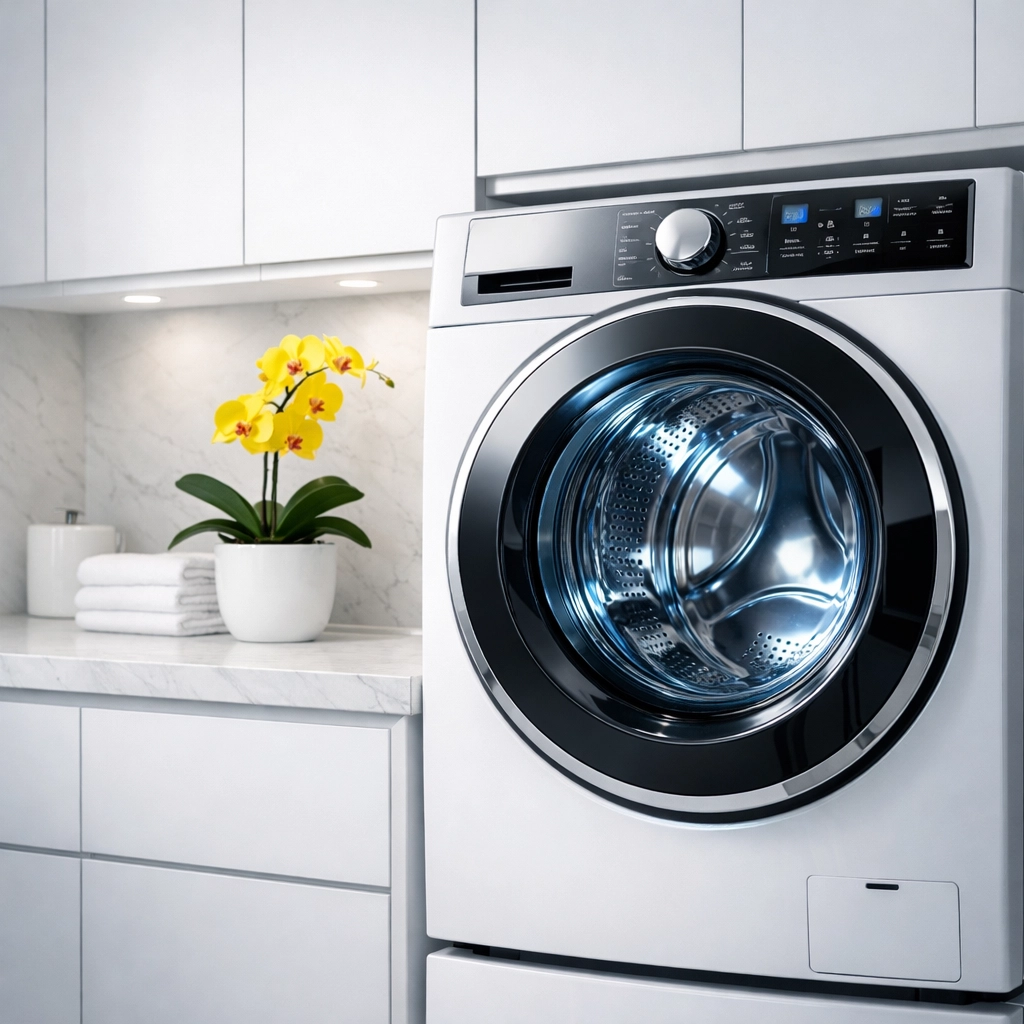
The drum is the heart of the machine. Even if it looks shiny, there’s likely a layer of gunk on the side you can’t see. Most modern machines have a "Tub Clean" or "Sanitize" cycle. If yours does, use it! If not, don’t worry: we can do this manually.
The Natural Method: Vinegar and Baking Soda
This is a classic for a reason. Vinegar acts as a mild acid to break down mineral deposits and kill bacteria, while baking soda helps scrub away residue and neutralize odors.
- The First Cycle: Set your machine to its hottest setting and the longest cycle. Add two cups of white cleaning vinegar directly into the drum (or the detergent dispenser). Let the cycle run completely. The vinegar will work its way into the crevices, breaking down the biofilm.
- The Second Cycle: Once the first cycle is done, run a second hot cycle, but this time add half a cup of baking soda directly into the drum. This helps "scrub" the interior and remove any lingering vinegar scent.
The Commercial Method: Washing Machine Cleaners
If your machine hasn't been cleaned in years, you might want to opt for a specialized cleaner. These are formulated to break down heavy buildup that vinegar might miss. Follow the manufacturer's instructions, but the process is usually the same: pop the tablet in and run a hot cycle.
Step 2: The Rubber Seal (The Gasket)
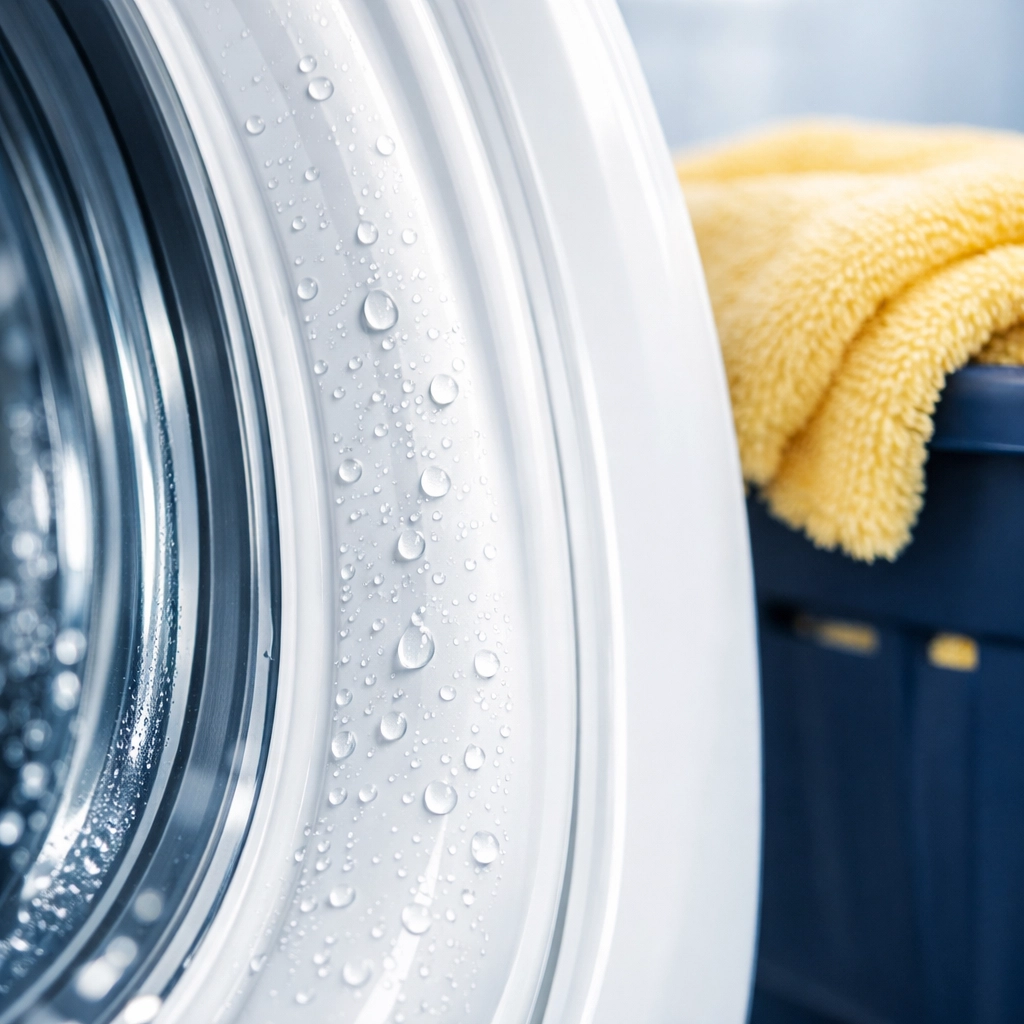
If you have a front-loading machine, this is the most important step. That big rubber ring around the door is a haven for moisture. If you peel back the folds of the seal, you might be shocked at what you find: hair, lint, lost coins, and a whole lot of slime.
- Inspect and Clear: Put on some gloves and peel back the rubber. Remove any solid debris.
- Spray and Wipe: Use a mixture of equal parts water and vinegar, or a mild bleach solution (1 part bleach to 10 parts water) if there is visible mold. Spray the entire gasket, making sure to get deep into the folds.
- The Scrub: Use an old toothbrush to scrub away any stubborn black spots.
- Dry It Out: After cleaning, wipe the entire seal dry with a clean cloth. This is a habit you should maintain after every laundry day!
Step 3: The Detergent Drawer
Take a look at your detergent and fabric softener dispenser. Is it covered in crusty, blue, or pink slime? This happens because detergent is thick and doesn't always wash away completely.
Most drawers are removable (check your manual for the release button). Take it out and soak it in a sink full of warm, soapy water. Use a small brush to get into the corners. While the drawer is soaking, grab a damp cloth and wipe out the housing area where the drawer sits. You’d be surprised how much mold can grow in that dark, damp space.
Step 4: The Filter and Drain Pump
Every washing machine has a filter designed to catch lint and small objects before they reach the pump. If this gets clogged, your machine won’t drain properly, and dirty water will sit in the bottom, leading to smells.
In most front-loaders, there is a small door at the bottom front of the machine.
- Prepare for Water: Place a shallow tray and some towels on the floor. When you open the filter, some water will come out.
- Unscrew the Filter: Slowly turn the filter cap. Let the water drain into your tray.
- Clean the Debris: Remove the filter completely and rinse it under hot water. You’ll likely find hair, coins, and maybe even a stray sock.
- Replace: Ensure the filter is screwed back in tightly to avoid leaks.
Preventive Maintenance: The Ninja Way
Cleaning the machine once a year isn't enough. To keep your "cleaner" in top shape, you need to build some simple habits into your routine.
- Leave the Door Open: This is the #1 rule for front-loaders. After you finish your last load of the day, leave the door ajar. This allows the drum to air dry and prevents mold from moving in.
- Use the Right Detergent: If you have an HE machine, use HE detergent. Using regular soap creates too many suds, which the machine can't rinse away, leading to that sticky buildup we talked about.
- Less is More: Most people use way too much detergent. Follow the lines on the cap, and remember that more soap doesn't mean cleaner clothes: it just means more residue.
- Wipe the Seal: Keep a microfiber cloth in your laundry room and give the rubber gasket a quick wipe after your last load.
- Hot Water Once a Week: If you mostly wash in cold water (which is great for your clothes and the planet), try to run at least one load a week: like towels or sheets: on a hot cycle. This helps flush out any oils and soap that haven't dissolved.
Professional Help for Your Home
We know that life gets busy. Sometimes, the "to-do" list grows faster than you can check things off. While we specialize in keeping your living spaces pristine, we also love sharing these Cleaning Tips to help you maintain a healthy home environment between professional visits.
If you’re feeling overwhelmed by your household chores and need a team of experts to come in and give your home the "Ninja" treatment, check out Our Services. We handle everything from deep cleans to recurring maintenance, so you can spend your weekends doing what you actually enjoy. You can learn more about our philosophy and our team by visiting our About Us page.
The Result: Cleaner Clothes and a Longer-Lasting Machine
By taking the time to "clean the cleaner," you’re doing more than just getting rid of a smell. You’re ensuring that your clothes are actually getting sanitized when you wash them. You’re also protecting a major appliance investment. A well-maintained washing machine can last years longer than one that is neglected and choked with mineral scale and biofilm.
So, this weekend, give your washing machine a little love. Run that hot vinegar cycle, scrub that seal, and empty that filter. Your clothes: and your nose: will thank you!
For more hacks on keeping every corner of your home spotless, stay tuned to the Cleaning Ninjas Blog. We’re always finding new ways to make cleaning faster, easier, and a little more fun. Happy laundering!