We’ve all been there. You’re at the checkout line, feeling like an absolute eco-warrior because you remembered to bring your own bags. No plastic waste today! You load up the trunk, drive home, and toss those bags in the pantry or the backseat of the car until next time.
But here’s the reality check: when was the last time you actually washed those bags?
If you’re scratching your head trying to remember, you aren’t alone. At The Cleaning Ninjas Inc, we see it all the time. People are great at cleaning their kitchen counters and floors, but the very vessels they use to transport their food often become a breeding ground for bacteria. From leaky chicken juice to dusty produce and the occasional exploded yogurt cup, your reusable totes are likely holding onto a lot more than just your groceries.
In this guide, we’re going to break down exactly how to banish the "bag germs" and keep your shopping trips as hygienic as they are eco-friendly.
Why You Actually Need to Wash Your Bags
It’s easy to think, “It’s just a bag, what’s the big deal?” But think about the journey that bag takes. It sits in your shopping cart (which has been touched by hundreds of hands), it sits on the checkout conveyor belt (which sees everything from raw meat to leaky milk cartons), and then it sits on your kitchen counter.
Studies have shown that reusable bags that aren't regularly cleaned can harbor high levels of bacteria, including E. coli and Salmonella. This usually happens because of cross-contamination. You put a pack of raw chicken in a bag, a tiny bit of juice leaks out, and then next week you put your fresh kale in that same unwashed bag. It’s a recipe for a stomach bug you definitely didn't sign up for.
Beyond the "ick" factor, cleaning your bags also makes them last longer. Grime and food particles can break down the fibers of the material over time. A clean bag is a durable bag!
Know Your Materials: The Ultimate Cleaning Guide
Not all reusable bags are created equal. If you throw a laminated plastic bag in a hot dryer, you’re going to end up with a melted mess. Before you start your "bag laundry day," sort your stash by material.
1. Cotton and Hemp Totes
These are the gold standard for easy cleaning. Since they are natural fibers, they handle the washing machine like a champ.
- The Method: Treat them like your favorite t-shirt. Toss them in the machine with a load of towels.
- Water Temp: You can use hot water for cotton to ensure you’re killing off any lingering bacteria. However, if your bag is heavily dyed or has a screen-printed logo, stick to cold water to prevent fading or bleeding.
- Drying: Air drying is best to prevent shrinking, but a low-tumble dry usually works fine too.
2. Poly-Canvas and Synthetic Fabrics
These are often the "sturdier" feeling fabric bags. They are durable but can be a bit more sensitive to heat than pure cotton.
- The Method: Machine wash on a gentle cycle.
- Water Temp: Use cold water. Heat can cause poly-canvas to wrinkle significantly or even lose its shape.
- Drying: Always air dry these. They dry incredibly fast anyway!
3. Non-Woven Polypropylene (The $1 Grocery Store Bags)
These are the most common bags you’ll find at the supermarket checkout. They feel a bit like fabric but are actually a type of plastic.
- The Method: These are best hand-washed. The agitation of a washing machine can sometimes shred the thin plastic fibers.
- The Steps: Submerge them in a sink filled with warm, soapy water. Use an antibacterial soap for extra peace of mind. Give them a good scrub, especially around the bottom seams where crumbs like to hide.
- Drying: Hang them upside down to air dry. Never put these in the dryer!
4. Laminated and Plastic-Coated Bags
These are the shiny bags that often have beautiful designs on them. Because they are waterproof, they are the easiest to "spot clean" but the hardest to deep clean.
- The Method: Use a disinfectant spray or an all-purpose cleaner.
- The Steps: Spray the inside and outside thoroughly. Use a clean microfiber cloth to wipe down every inch. Pay special attention to the handles: think about how many times you touch those!
- Pro Tip: If a laminated bag gets a major spill (like a broken egg), you can hand wash it in the sink, but don't let it soak for too long, as the water can sometimes get between the layers of lamination.
The "Ninja" System for Cross-Contamination
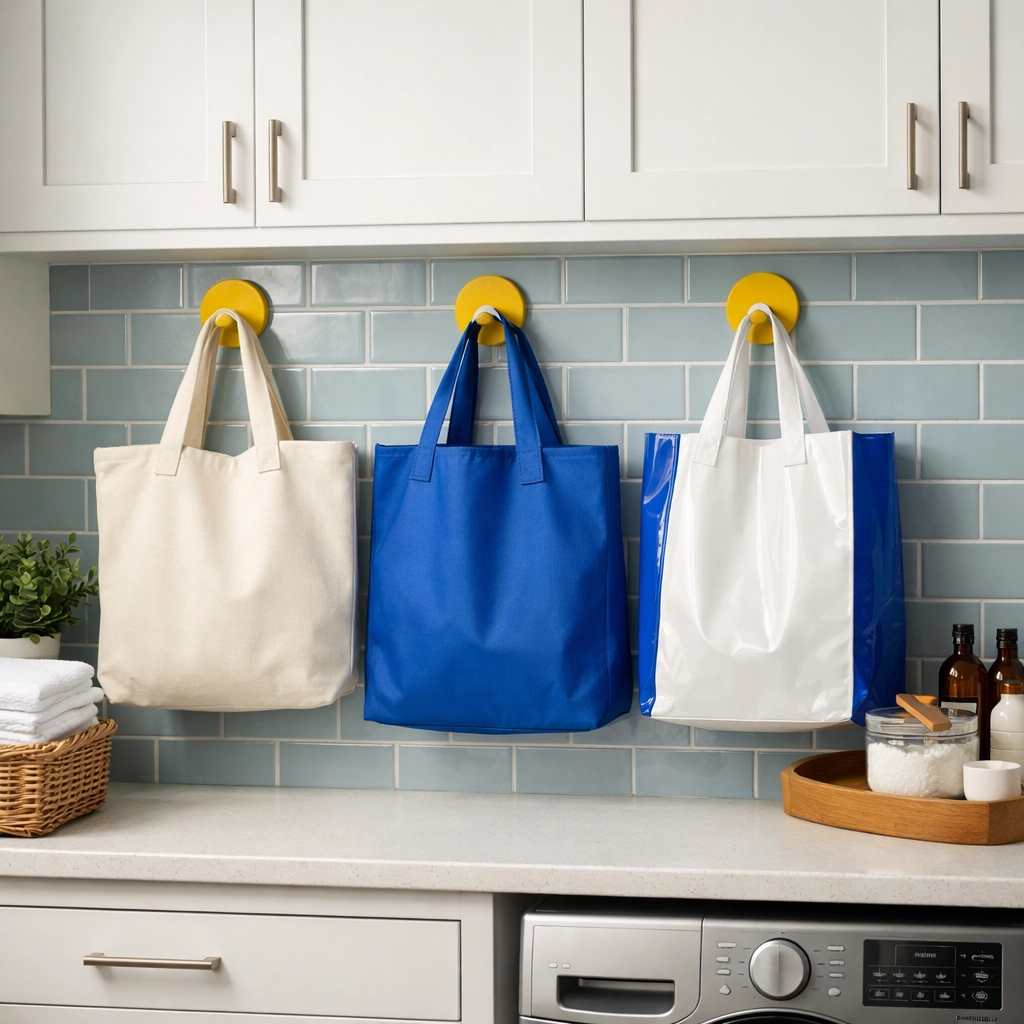
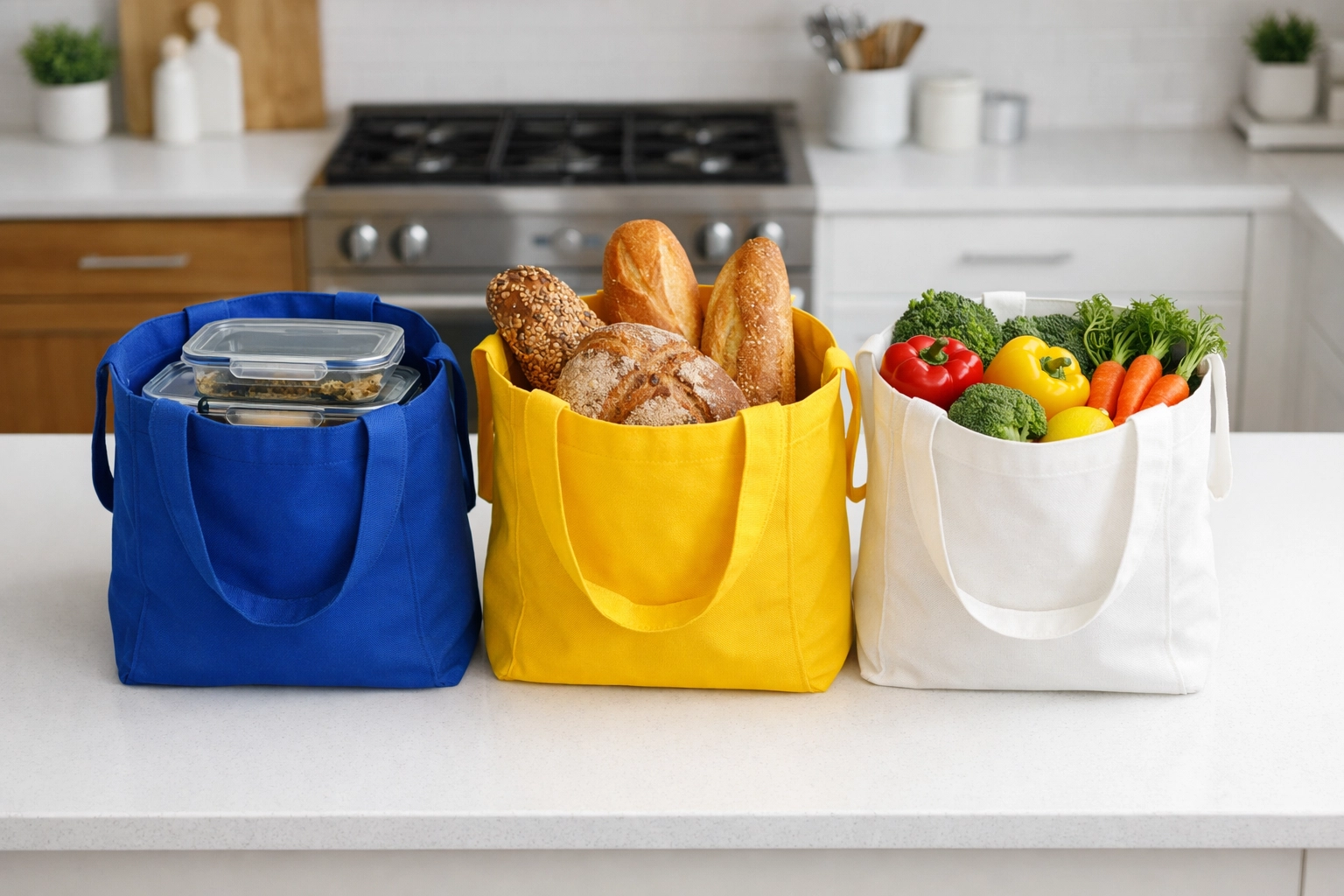
At The Cleaning Ninjas Inc, we’re all about systems that make life easier. To keep your bags cleaner for longer, we recommend a color-coding or labeling system. If you want to learn more about how we organize and clean, check out our about us page.
Here is how you should categorize your bags:
- The Meat Bags: Use specific bags ONLY for raw meat, poultry, and seafood. These should be washed after every single use. Consider using plastic-coated bags for this category so leaks are easier to wipe up immediately.
- The Produce Bags: Use these for your loose fruits and veggies. Since produce often has dirt or sand on it, these bags will need a wash every few trips.
- The Dry Goods Bags: These are for your cereal boxes, canned goods, and pasta. Since these items are pre-packaged, these bags stay clean the longest. You can usually get away with washing these once a month.
Don't Forget the "Hidden" Spots
When cleaning your bags, most people just look at the big flat surfaces. But the germs are ninjas: they hide in the shadows!
- The Bottom Inserts: Many bags have a removable plastic or cardboard insert at the bottom to give the bag shape. Remove these before washing. If they are plastic, wipe them down with a disinfectant. If they are cardboard and get wet or soiled, it’s honestly best to recycle the cardboard and replace it with a piece of plastic you’ve cut to fit. Cardboard traps moisture and grows mold faster than you can say "organic kale."
- The Seams: Flip your bags inside out. You’ll be shocked at how many crumbs, bits of onion skin, and dust bunnies are trapped in the inner seams. Give them a good shake over the trash can before you start washing.
- The Handles: We’ve mentioned this, but it bears repeating. Your hands carry the most germs. Scrub those handles!
The Secret Weapon: Distilled White Vinegar
If you want to go the natural route, white vinegar is your best friend. It’s a natural disinfectant and a fantastic deodorizer.
- For Machine Washing: Add half a cup of vinegar to the fabric softener dispenser. It helps kill bacteria and acts as a natural anti-static agent.
- For Hand Washing: Add a splash of vinegar to your soapy water. It helps break down grease and eliminates that "old grocery" smell that can sometimes linger in synthetic bags.
Drying is the Most Important Step
If you put a slightly damp bag away in a dark pantry or a hot car trunk, you are essentially building a luxury hotel for mold and mildew.
Always ensure your bags are 100% dry before folding them up. We recommend hanging them over a chair or using a drying rack. If you can hang them outside in the sun, even better! The UV rays from the sun act as a natural disinfectant, helping to kill off any remaining bacteria.
When to Say Goodbye
We love sustainability, but sometimes a bag has seen better days. If your bag has:
- Persistent Mold: If you see black spots that won't come out, toss it. It’s not worth the risk.
- Structural Damage: If the handles are fraying or the bottom is thinning, it’s a safety hazard. No one wants their jars of spaghetti sauce hitting the pavement in the parking lot.
- The "Forever Stink": If you’ve washed it three times and it still smells like old fish, its time has come.
Let the Professionals Handle the Rest
Cleaning your reusable bags is a great habit to get into, but we know life gets busy. While you're focusing on keeping your grocery gear germ-free, let us handle the heavy lifting around the house. Whether it's a deep clean of your kitchen (where those bags live!) or a regular maintenance clean, we’ve got your back. Explore our services to see how we can make your home sparkle.
Keeping a clean home: and clean shopping bags: isn't just about aesthetics; it's about health. By taking ten minutes a week to wash your totes, you’re protecting your family and the environment at the same time. Now that’s what we call a total Ninja move!
Happy shopping (and cleaning)!