We’ve all been there. You spend your Saturday afternoon armed with a spray bottle and a roll of paper towels, determined to finally see the world outside clearly. You scrub, you buff, you sweat a little, and you step back to admire your handiwork. Everything looks great: until the sun hits the glass at just the right angle. Suddenly, your "clean" window looks like a finger-painting project gone wrong, covered in hazy streaks, weird oily circles, and tiny little white specs of lint.
It’s enough to make any homeowner want to just close the curtains and pretend the outside world doesn't exist. But here at The Cleaning Ninjas Inc, we believe you shouldn't have to fight your windows. You just need the right weapon in your arsenal. Enter the microfiber cloth: the undisputed heavyweight champion of window cleaning.
If you’re still using old t-shirts, newspapers, or paper towels to clean your glass, it’s time for an upgrade. Let’s dive into why microfiber is a total game-changer and how you can use it to get that professional, "is-there-even-glass-there?" shine.
The Science of the "Ninja" Grip
To understand why microfiber is so much better than your average cotton rag, we have to get a little nerdy for a second. Traditional cloths, like cotton, have large, rounded fibers. When you wipe a dirty window with cotton, these fibers mostly just push the dirt, dust, and grease around the surface. It’s like trying to sweep a floor with a hockey stick; you’re moving the mess, but you aren't really picking it up.
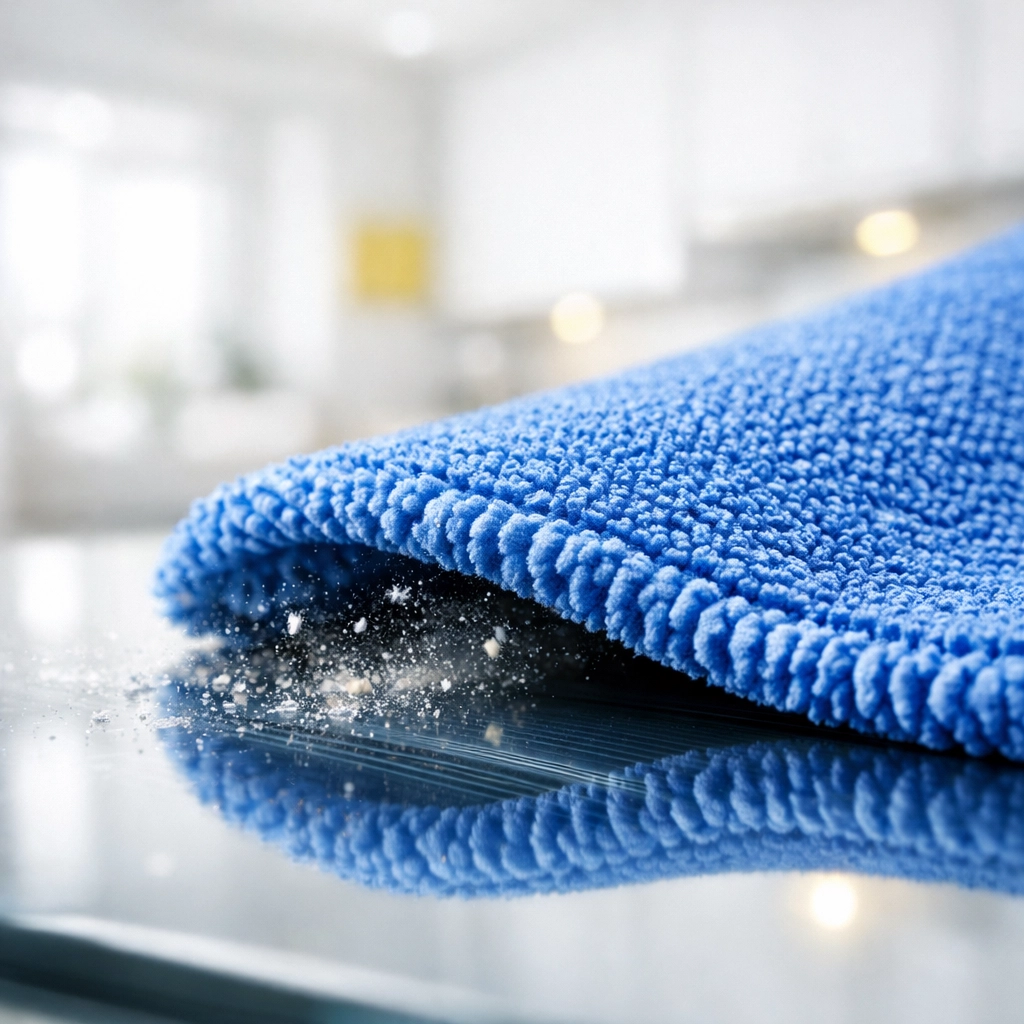
Microfiber is different. These synthetic fibers are engineered to be 30 times finer than a single strand of cotton. More importantly, they are "split" during the manufacturing process. This creates millions of tiny, hook-like channels and spaces within the cloth.
When you wipe a window with microfiber, two things happen:
- Mechanical Lifting: Those tiny hooks actually reach into the microscopic pores of the glass to grab and lift away dirt, oils, and bacteria.
- Electrostatic Attraction: Microfiber carries a natural positive charge. Since most dust and dirt particles are negatively charged, the cloth acts like a magnet, pulling the debris into those tiny channels and trapping it there until you wash the cloth.
This means you aren’t just redistributing the grime; you’re actually removing it from the surface.
Why Paper Towels Are Secretly Your Enemy
We get it: paper towels are convenient. You use them, you toss them, and you move on. But when it comes to windows, they are one of the biggest culprits behind those frustrating streaks.
First off, paper towels are made of wood pulp. As you rub them against the glass, they break down, leaving behind thousands of tiny white lint particles. You might not see them at first, but as soon as the afternoon sun peaks through, your window will look like it’s covered in a light dusting of snow.
Secondly, paper towels are surprisingly abrasive. While they won't shatter your glass, they can leave microscopic scratches over time, especially on windows with special coatings or tints.
Lastly, they are expensive and wasteful. A high-quality microfiber cloth can be washed and reused hundreds of times. If you’re looking for more ways to streamline your home maintenance, checking out our cleaning tips can save you a fortune in paper products alone.
The "Two-Cloth" Ninja Technique
Ready to achieve window-cleaning nirvana? You don’t need a bucket of blue liquid and a squeegee that you don't know how to use. All you need is the Two-Cloth Method. This is the secret sauce we use when we want to provide a quick, flawless finish.
Step 1: The Damp Attack
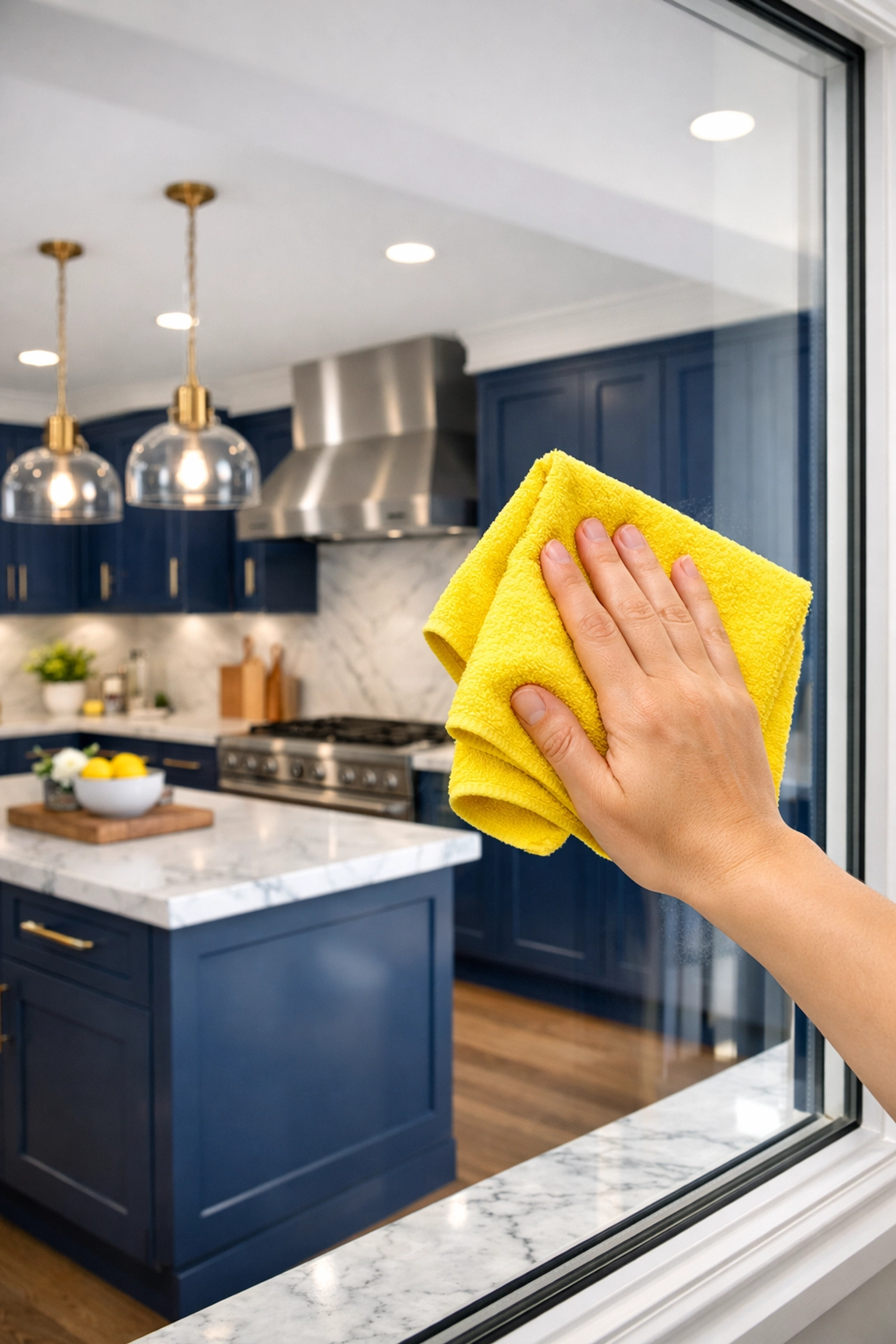
Take your first microfiber cloth and get it slightly damp. We’re talking "wrung out until it's barely moist" damp. You don't want it dripping. If the cloth is too wet, it will leave behind water droplets that turn into spots. Use this cloth to wipe the window from top to bottom. If you have a particularly stubborn bird "gift" or some sticky fingerprints, give them a little extra scrub. The fibers will do the heavy lifting.
Step 2: The Dry Buff
Immediately: and we mean immediately: follow up with a completely dry microfiber cloth. While the glass is still slightly hazy from the damp cloth, use the dry one to buff the surface in a circular or "S" motion. This absorbs the remaining moisture and any leftover residue, leaving the glass bone-dry and streak-free.
Stop Over-Cleaning with Chemicals
One of the coolest things about microfiber is that it works incredibly well with just plain water. Because the fibers are so effective at grabbing grease and grime mechanically, you often don't need those harsh, ammonia-smelling sprays.
In fact, using too much chemical cleaner is a common cause of smudges. Most store-bought window cleaners contain soaps or detergents. If you don't buff every single molecule of that cleaner off the glass, it leaves behind a thin, invisible film. This film is a magnet for dust. The next time the wind blows, that dust sticks to the soapy residue, and suddenly your windows look dirty again just two days later.
If you have particularly greasy windows (like in a kitchen), you can add a tiny splash of white vinegar to your water. It helps cut through the grease without leaving the soapy residue that leads to streaks.
Timing is Everything: The Golden Rule of Windows
You might be tempted to clean your windows on the first beautiful, sunny day of spring. Don't do it.
Cleaning windows in direct sunlight is a recipe for disaster. The heat from the sun causes your cleaning solution (or water) to evaporate almost instantly. This means you don't have enough time to buff the glass dry before the moisture disappears, leaving behind: you guessed it: streaks and spots.
The best time to channel your inner Ninja is on a cloudy day or when the windows are in the shade. This gives you the working time you need to dry the glass properly. If you're feeling overwhelmed by the sheer number of windows in your house, you can always check out our services to see how we can take that load off your plate.

Caring for Your Microfiber (The "No-No" List)
If you treat your microfiber cloths well, they will serve you for years. If you treat them like regular towels, you’ll ruin their "Ninja" powers in a single laundry cycle. Here is the golden rule of microfiber maintenance: Never, ever use fabric softener or dryer sheets.
Fabric softener works by coating fibers in a thin layer of wax or oil to make them feel soft. If you do this to microfiber, you are essentially "filling up" all those tiny channels we talked about earlier. The cloth will lose its ability to grab dirt and absorb water, and instead of cleaning your windows, it will just smear wax all over them.
How to wash them properly:
- Wash with like materials: Don't wash microfiber with cotton towels. The microfiber will act like a magnet and pull all the lint off the cotton, becoming permanently fuzzy.
- Use a gentle detergent: Avoid anything with bleach or scents if possible.
- Vinegar Rinse: Every few washes, add half a cup of white vinegar to the rinse cycle. This helps strip away any soap buildup and keeps the fibers "open" and effective.
- Air Dry or Low Heat: High heat can actually melt the tiny synthetic fibers. Air drying is best, but a low-heat tumble works too.
When to Call in the Pros
We love sharing these tips because a clean home is a happy home, and we want you to feel empowered to tackle the small stuff. But let’s be real: sometimes life gets in the way. Maybe you have windows that are twenty feet up a vaulted ceiling, or maybe you’d just rather spend your weekend at the park than on a ladder.
That’s where we come in. At The Cleaning Ninjas Inc, we’ve mastered the art of the smudge-free shine. We don't just "wipe" things down; we use professional-grade tools and techniques to ensure your home looks its absolute best. You can learn more about us and our mission to bring peace and cleanliness to your sanctuary.
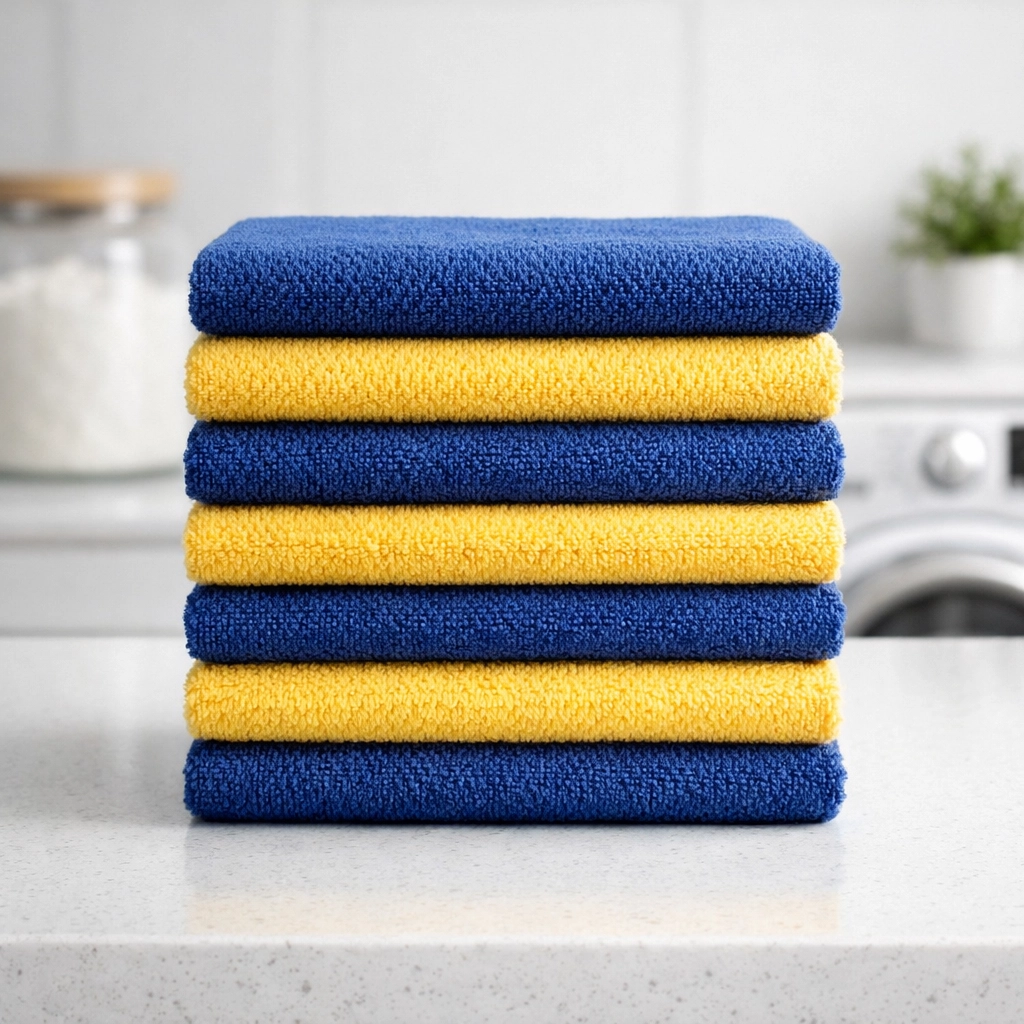
Whether you're doing a deep spring clean or just trying to get a better view of your backyard, remember: the secret isn't in the spray, it's in the cloth. Grab yourself a pack of high-quality microfiber, ditch the paper towels, and enjoy the view!